

Binary Trade Guide for Kenyan Traders
Explore binary trade in Kenya 🇰🇪 with this practical guide: learn how it works, key strategies, risks, and local regulations to trade smartly.
Edited By
Sophie Lane
Trading forex can be a bit like catching fish—you need to know when the fish are biting to stand a good chance of landing a catch. Similarly, knowing the best time to trade forex can push your efforts from guesswork to strategy. This isn’t just about looking at numbers on a screen; it’s about understanding the rhythms of the global market and how they tie into your own schedule here in Kenya.
Kenyan traders often face unique challenges and opportunities due to the country’s time zone, economic ties, and market behavior. For example, Nairobi operates on East Africa Time (EAT), which influences when major forex sessions overlap for local traders. Getting a grasp on these details can make a big difference in profitability and risk management.
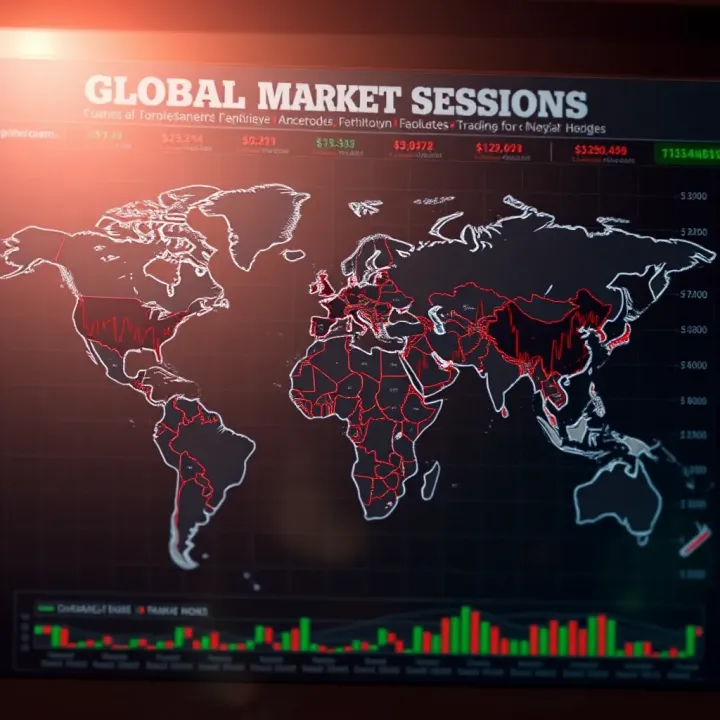
This guide aims to provide a clear map for Kenyan traders, covering key time frames, market sessions, and volatility patterns. We'll also show how certain global events and market conditions affect currency pairs you might deal with most, such as USD/KES or EUR/USD. And as a bonus, practical strategies tailored for Kenyan trading habits will be highlighted to help piece it all together.
Understanding when to be active in the forex market can improve your results as much as understanding how to make the right trades does.
Ready to cut through the noise and get practical? Let’s jump into what makes timing an essential piece of your forex success puzzle.
Understanding how forex market hours work is fundamental for any trader, especially those in Kenya looking to identify the most effective times to trade. Forex operates 24 hours a day, not because the market is one single place, but because trading happens across different time zones worldwide. This continuous cycle means currencies never really sleep, but the flow and volume of trades do change depending on the active session.
For Kenyan traders, knowing when major forex centers are open helps avoid wasted hours when markets are slow and provides openings to catch sharp price moves. It’s about matching your trading strategy to the rhythm of the market. For example, if you prefer trading when the market is lively, you’d want to be awake during overlapping trading sessions such as London and New York.
Forex markets can be broken down into four major sessions: Sydney, Tokyo, London, and New York. Each session corresponds to business hours in those financial hubs:
Sydney session kicks off the forex day, operating mainly from 10 PM to 7 AM Kenya time. It’s typically quieter since it’s the smallest forex market, but it can offer steady moves, especially on AUD, NZD, and JPY pairs.
Tokyo session runs roughly from 2 AM to 11 AM Kenya time. This session brings more activity, primarily in JPY pairs but also influences other Asian currencies.
London session (10 AM to 7 PM Kenya time) is a big player. About 30% of all forex trades happen during this session, making it most liquid and volatile.
New York session overlaps with London from 3 PM to 7 PM Kenya time and continues until midnight. The US dollar tends to be most active during this time, with many market-shaking news releases scheduled here.
Taking a practical example: If you’re a Kenyan trader focusing on GBP/USD or EUR/USD, your best opportunity lies during London and New York sessions when these pairs have higher trading volume and faster price moves.
Trading volumes vary drastically between these sessions. Sydney sees lighter volume, so spreads can be wider, and price movements slower — not always the best for scalpers. Tokyo picks up the pace, especially for Asian pairs, but still comparatively moderate.
London and New York sessions, however, attract hordes of traders, creating much higher liquidity. This means tighter spreads, smaller slippage, and generally smoother order execution — huge benefits for retail traders. Increased volume also means traders need to be prepared for sudden price swings caused by market reactions to economic data or geopolitical developments.
Actionable tip: Kenyan traders should avoid placing big trades during Sydney or calm hours of the Tokyo session, unless their strategy is tailored for low liquidity. Instead, focus on London and New York hours for tighter spreads and more predictable momentum.
One of the most watched periods by traders globally is the overlap between the London and New York trading sessions (about 3 PM to 7 PM EAT). During this window, both European and American markets are active, leading to a surge in trading volumes and volatility.
This overlap is when the biggest moves often happen — currencies bounce, break support or resistance, and news tends to have the most impact. For example, if the US Federal Reserve releases a rate decision at 5 PM EAT, the market’s reaction will be swift and intense due to the presence of traders from both regions.
For Kenyan traders, this four-hour period can be a goldmine. But with great opportunity comes greater risk. Quick decision-making and close monitoring are necessary to make the most of these spikes without falling victim to whipsaws.
A less intense but still noteworthy overlap occurs between Tokyo and London sessions, from around 10 AM to 11 AM EAT. This time bridges Asian and European markets, causing shifts particularly in the JPY, EUR, and GBP pairs.
While the volume here doesn’t match the London-New York overlap, price moves can still catch traders off guard due to shifting sentiment as Asian traders close positions and Europeans ramp up activity.
For instance, a Kenyan trader focusing on USD/JPY should pay attention during this overlap since liquidity starts to build up and volatility can increase. It’s a good window to catch early trends that could continue into the London session.
Knowing how these sessions interplay helps Kenyan traders plan their day smarter — whether that means staying active during key overlaps or stepping back during quieter hours.
In summary, mastering forex market hours means understanding when big moves are most likely. Sync your trading hours with these sessions to maximize profit potential and minimize surprises.
Volatility is the heartbeat of the forex market—it dictates how much and how quickly prices can move. For Kenyan traders, grasping volatility isn’t just academic; it shapes when and how they jump into trades. Higher volatility means more price swings, which can turn a modest move into a nifty profit or a painful loss, depending on timing and strategy.
Consider that during calm periods, such as late hours when both Asian and European markets are closed, currency pairs like USD/KES might barely inch forward. But when economic reports drop or political tensions flare up, the same pairs can swing wildly within minutes. Understanding these shifts helps you steer clear of nasty surprises and spot good opportunities.
Economic reports are like the market’s weather forecast—sometimes clear and calm, sometimes stormy. Indicators like Kenya's inflation data, US non-farm payrolls, or European Central Bank rate decisions often cause spikes in volatility. For example, if Kenya releases higher-than-expected inflation figures, the Kenyan shilling might wobble as traders reassess its value.
Being aware of when these news events hit means you can prepare, avoiding trades just before announcements or setting tighter stops. It’s not about dodging every event but understanding their potential to roil prices.
Political developments, especially unexpected ones, can rattle the forex market. For instance, a sudden policy change in a major economy or unrest in a region affecting trade routes can cause sharp price shifts. Kenyan traders watching USD/KES should keep an eye on US political news or Kenya’s own political climate since such events ripple instantly through currency valuations.
The catch is unpredictability. Markets hate uncertainty, so any sudden geopolitical news can trigger knee-jerk reactions. Keeping informed and flexible can help you avoid getting caught flat-footed.
Central banks hold the steering wheel for forex volatility. Decisions on interest rates or monetary tightening/loosening send strong signals. The US Federal Reserve’s rate hikes, for example, can strengthen the dollar sharply, impacting pairs like USD/KES or EUR/USD.
Kenyan traders should monitor the Central Bank of Kenya alongside global big players. Central bank meeting days often see surges in volume and volatility, inviting both risk and reward.
Volatility is a double-edged sword. On one side, big price movements can mean bigger profits. On the flip side, rapid swings increase the risk of sharp losses—especially if your trade isn’t well-planned or executable fast.
During volatile times, spreads widen and slippage can occur, which means your buy or sell orders might fill at worse prices than expected. Imagine trying to catch a train that’s already speeding off; timing must be razor-sharp.
Managing volatility starts with knowing when it strikes. Use economic calendars to mark key events and adjust your position sizes accordingly. Smaller trades during high volatility reduce risk.
Also, employ strict stop-loss orders—even if they get hit sometimes, they protect from runaway losses. For example, when the Kenyan shilling is volatile around domestic economic announcements, consider reducing exposure or sitting out altogether.
Finally, diversify the pairs you trade and avoid overcommitting during periods of uncertainty. Balancing the urge to catch the big wave with solid risk control can keep your trading afloat through turbulent times.
Remember, volatility isn’t something to fear. It’s a tool that, when understood and respected, can be used to your trading advantage.
Knowing when to trade specific currency pairs can make a substantial difference in the outcome of your trades. Different pairs behave uniquely depending on the trading session and market activity, especially for Kenyan traders who have to align their schedules with global market hours. Understanding the best times to trade specific pairs helps you capitalize on liquidity, manage spreads efficiently, and avoid periods of low volatility that might trap your positions.
The EUR/USD pair is the world’s most traded currency pair, so liquidity and volatility are typically high during the European and US trading sessions. This means the best time to trade EUR/USD is during the London session, usually from 10 AM to 6 PM East African Time (EAT), which overlaps with the New York session from 3 PM to 11 PM EAT. This overlap creates increased market activity, tighter spreads, and better trading opportunities.
For example, if you’re a Kenyan trader tuning in around mid-afternoon, you’ll often notice explosive price moves due to the flood of orders flowing in from Europe and the US. Keeping an eye on key economic releases, like US Non-Farm Payrolls around this time, can provide chances to enter trades when volatility spikes.
The USD/JPY pair shines brightest during the Asian trading session, with peak activity roughly between midnight and 9 AM EAT. Tokyo’s market hours heavily influence this pair because Japan is the home currency.
Trading during this window often means smoother price moves and lower spreads compared to the London or New York sessions, making it suitable for strategies that don’t rely on extreme volatility but prefer steady market conditions. For Kenyan traders wanting to catch moves when the Japanese and other Asian markets rip through economic data or risk events, this session offers direct access.
The GBP/USD currency pair shows its liveliest trades during the London session, especially between 10 AM and 5 PM EAT. Given London’s dominance in forex trading, the pound’s fluctuations get heightened by local economic reports and Bank of England policy announcements.
Traders should watch for these scheduled events since they tend to produce sharp moves. For instance, interest rate decisions or inflation reports released around 12 PM EAT often cause rapid swings in GBP/USD. This timing suits traders with an appetite for short-term volatility and quick execution.
The USD/KES pair is of particular interest to Kenyan traders due to its direct impact on local financial activities and imports. Unlike major pairs, USD/KES doesn’t move as actively during the typical forex sessions, partly because the Kenyan shilling market operates under somewhat stricter controls and limited liquidity.
The best time to monitor USD/KES is during Nairobi business hours, roughly from 9 AM to 5 PM EAT. Here, local economic announcements, government policies, and business cycles affect price action more than global market news. Traders should be mindful of periods following key Kenyan economic data releases or regional political events, as these can cause unexpected jumps.
Cross pairs featuring the euro and US dollar, like EUR/CHF or EUR/GBP, demand a different approach. These pairs typically become most active during European hours, about 10 AM to 6 PM EAT, with liquidity dependent on the specific countries involved.
Kenyan traders venturing into these crosses should watch European economic bulletins and political developments closely. For example, Brexit-related announcements impact EUR/GBP volatility beyond the typical schedule. Unlike major pairs, these crosses might show somewhat irregular activity spikes, meaning timing trades carefully with respect to market news is essential.
Understanding when and why certain currency pairs become active helps traders tailor their schedules and strategies to maximize gains and minimize risks. Each pair tells a story tied to its economic roots and trading rhythms, so adapting to these nuances is key for Kenyan market participants.
Every keen trader knows that forex markets don’t operate in a vacuum. Major economic events shape price moves, often causing sharp swings or extended trends. That’s where economic calendars come into play. These tools act like a trader’s weather forecast, showing upcoming events expected to jolt markets. For Kenyan traders, syncing trades with these releases can protect against nasty surprises and help capitalize on predictable price action.
Economic calendars typically list key announcements such as central bank decisions, jobs reports, and inflation data, complete with expected times and forecasts. For instance, knowing when the U.S. Federal Reserve announces its interest rate decision lets a trader prep or pause positions in USD pairs like USD/KES or USD/ZAR. Ignoring such cues might mean getting caught in a storm of volatility.
Using these calendars effectively means not just noting event times but understanding their weight in the market. Not every piece of economic data hits hard; some carry more punch, depending on the currency’s importance and the current economic climate. Kenyan traders can benefit massively by using economic calendars offered by platforms like Investing.com or Forex Factory, which are detailed and regularly updated.
Interest rate changes or even signals of future adjustments are among the most market-moving events. For example, if the Central Bank of Kenya (CBK) hints at raising its benchmark rate to combat inflation, the Kenyan shilling might strengthen. Conversely, rate cuts usually weaken the currency. Traders anticipating these announcements often adjust positions a day or two ahead, since the news can cause sudden rallies or crashes in pairs like USD/KES or EUR/KES.
Employment reports, such as the monthly U.S. Nonfarm Payrolls figure, grab traders’ attention because they paint a picture of economic health. Strong employment numbers typically signal an expanding economy, which can boost that country’s currency. In Kenya’s context, watching employment stats from key partners like the US or EU guides trading decisions on pairs involving USD, EUR, or GBP against the shilling. A sharp rise or fall in jobs can set off rapid market moves worth riding or avoiding depending on your risk appetite.
Inflation figures, such as the Consumer Price Index (CPI), give clues about purchasing power and monetary policy direction. High inflation in Kenya might prompt CBK to raise rates, strengthening the shilling eventually. Internationally, inflation reports from the US or Eurozone often shift sentiment in those currencies swiftly. Traders using economic calendars keep a close eye on these numbers, as surprises beyond market expectations typically trigger spikes or dips in currency values. Planning trades with inflation in mind can help avoid being on the wrong side of a sudden price swing.
Trying to trade blindly through market-moving announcements is like driving blindfolded. Unexpected volatility can widen spreads, create slippage, and wipe out profits rapidly. Kenyan traders often mitigate risk by stepping back from the screen shortly before major releases like the US FED rate decision or UK employment data. This pause can save a lot of headaches, particularly for those trading with modest capital or using strategies sensitive to price gaps.
"Better to sit on the sidelines than get blindsided."
Strategically avoiding entry during uncertain times allows you to preserve capital and prevent emotions from clouding judgment. Many brokers also temporarily widen spreads during key events, so planning ahead means you avoid trading costs that can eat into profits.
Some traders prefer to position themselves to ride the waves caused by scheduled economic news. For example, if the consensus forecast for US inflation is high, and you believe the USD will strengthen, you might enter a buy position on USD/KES just before the announcement. However, this approach requires discipline and clear stop-losses, as markets can react unpredictably.
Using an economic calendar to identify when these moves happen—and coupling that knowledge with sound analysis—opens opportunities to profit from the volatility. Kenyan traders can also look to pair news event timing with session overlaps, such as the London-New York window, to maximize liquidity and execution quality.
In sum, economic calendars aren’t just about dates and times; they’re about timing your involvement in the market to either sidestep chaos or ride the big waves wisely.
Understanding how time zones interact with global forex market sessions is essential for Kenyan traders. Kenya sits in East Africa Time (EAT), which is GMT+3. This positioning influences when major trading sessions open and close relative to local time. Getting a grip on these time differences helps traders pick the best trading periods, avoid unnecessary exposure during quiet hours, and manage their schedules effectively.
Forex markets operate primarily on GMT, making it important for Kenyan traders to convert these times correctly. For instance, the London session typically runs from 08:00 to 16:00 GMT, which means it starts at 11:00 and closes at 19:00 in Kenya. Similarly, the New York session, running from 13:00 to 21:00 GMT, falls between 16:00 and 00:00 EAT. Simple math here: just add three hours to the GMT time to align with Nairobi's clock.
Keeping a clear conversion chart or using an automated world clock on your phone or computer prevents mistakes, like missing key news releases or trading session overlaps. This precision aids in preparing for periods of heightened activity, especially when volatility is at its peak in the London-New York overlap, a prime window for liquidity.
Kenyan traders have the advantage of catching several major session overlaps after midday. Although the Sydney session overlaps only partially with the start of the Tokyo session and mostly falls during Kenyan night hours, this might not be practical for day traders. Trading during the London and New York sessions, active in the afternoon and evening Nairobi time, aligns well with typical daily routines. This means you can optimize your trading window for high activity periods without burning the midnight oil.
Missed session timings can lead to trading during low liquidity hours, causing wider spreads and slippage – unwanted surprises for any serious trader. By understanding their local time’s relation to the global forex timetable, Kenyan traders can stick to the windows where both volume and volatility support successful trading.
Not all trading sessions are created equal for Kenya-based forex traders. The London session, kicking off just before lunch hour and running into the evening, is often the most vibrant. It's when major currency pairs like EUR/USD and GBP/USD come alive, offering good volume and tighter spreads.
For traders more interested in Asian currencies or those who want to catch moves in USD/JPY, the Tokyo session (starting at 12:00 EAT) is the go-to. However, activity there is comparatively muted. It's best for looking at subtle moves rather than explosive volatility.
Successful Kenyan traders often focus on the London-New York overlap from 16:00 to 19:00 EAT, a period packed with liquidity, rapid price movements, and plenty of trading opportunities.
Forex trading is a 24-hour game, but life in Kenya goes beyond charts and pips. Balancing trading hours with personal and work commitments is key to staying sane and consistent. Scheduling trades during the afternoon and evening hours (16:00-22:00) allows for participation in active markets without sacrificing sleep or daytime productivity.
Using alerts and automated features on trading platforms such as MetaTrader 4 or 5 can help manage overnight trades or catch breakout patterns without being glued to the screen. This approach is practical, especially for those juggling jobs or other responsibilities.
Remember, consistency and timing often outweigh trading volume; it's better to trade smart windows than force trades during sleepy market hours.
By understanding and respecting the impact of time zones, Kenyan forex traders create a strong foundation for well-timed trades and improved outcomes. Being aware of the trading sessions from a local perspective elevates decision-making and reduces avoidable risks linked to poor timing.
Trading forex isn't a one-size-fits-all activity, especially for Kenyan traders juggling different market conditions and personal schedules. The strategy you pick should sync with your trading style—whether you're watching the clock closely as a day trader, riding trends as a swing trader, or making quick-fire decisions as a scalper. Understanding how to adjust trading times and methods to fit your style gives you a practical edge and helps you avoid unnecessary risks.
Day traders thrive on market hustle, and nowhere is this more evident than during the London-New York overlap. This roughly four-hour window—usually between 3 PM and 7 PM East Africa Time—is when both centers are active, sending liquidity and volatility through the roof. For Kenyan traders, this overlap offers the best opportunity to make quick trades with tighter spreads and better execution.
Why does it matter? Because during this time, major pairs like EUR/USD and GBP/USD see the most movement. For example, if you are trading EUR/USD around 4 PM EAT, you'll likely catch price swings driven by U.S. economic releases and London market trends converging. That’s prime time to capitalize on short-term trends.
Maximizing profit during these hours means being ready to act fast, using solid charts and keeping an eye on pre-scheduled news.
Unlike day trading, swing traders aren’t glued to the screen every minute, which means they’re less bothered about intraday timing. Instead, they focus on holding positions for days or weeks to catch bigger moves. This approach is well-suited for Kenyan traders who can’t afford to watch the market all day but still want to be involved.
Focusing on major trend shifts becomes their bread and butter. Let’s say the USD/KES starts showing signs of a sustained upward trend due to monetary policy changes. Swing traders look to enter positions on minor pullbacks, riding the trend as it unfolds. Their timing revolves more around overall market sentiment and less on minute-by-minute price changes.
This style calls for patience and discipline, where the real win is picking the right trend early and holding till it fizzles out.
Scalpers are the adrenaline junkies of forex trading, making dozens—or even hundreds—of tiny trades each day, aiming to snatch tiny profits repeatedly. Their success depends heavily on two things: high liquidity and quick decision making during peak hours.
High liquidity, especially during overlapping sessions or major economic news releases, means they can enter and exit trades without delays or price slips. For example, during the London-New York overlap, scalpers targeting GBP/USD can generally execute trades swiftly without worrying about prices jumping unexpectedly between order placement and execution.
Quick decision making is crucial because scalping exploits brief price movements that disappear fast. A Kenyan trader scalping USD/JPY might watch the Asian session closely between 4 AM and 12 PM EAT, ready to pounce when volatility briefly spikes. Having reliable trading platforms and real-time data feeds is non-negotiable here.
Scalping requires intense focus, lightning-fast decisions, and a toolkit geared toward speed and precision.
In short, aligning your trading style with the best market hours isn’t just a preference—it’s a strategy to protect your capital and boost earnings. Kenyan traders who understand the rhythm of forex sessions and apply fitting strategies—be it day trading during the London-New York overlap or swing trading major trends—stand a better chance at success without burning out or losing their shirts.
Understanding the best time to trade forex is important, but knowing how to optimize your trading time takes it a notch higher. For Kenyan traders juggling different sessions and daily routines, smart tactics can make a world of difference in catching good trades without burning out. This section zeroes in on practical tips that help you make the most of your trading hours.
A solid forex broker should give you easy access across major trading sessions—Sydney, Tokyo, London, and New York. For someone based in Nairobi, this means your broker's platform should be responsive and reliable whether you’re trading early in the morning or late at night. Brokers like AvaTrade and FXTM offer flexible trading hours and extensive session coverage, ensuring you don't miss out on liquidity spikes or market moves simply because your broker shuts down or has limited hours.
Speed is king during market overlaps like London-New York, when price moves can be swift and volatile. A slow or delayed execution can make you miss your entry or exit points, leading to losses or worse spread slippage. Check if your broker uses straight-through processing (STP) or electronic communication networks (ECN) to improve trade execution. Firms like Pepperstone are known for fast execution which helps Kenyan traders stay competitive during peak hours.
Trying to watch the market all day is nearly impossible, especially if you have a day job or other responsibilities. Platforms such as MetaTrader 4/5 and cTrader come with alert systems that notify you when prices hit certain levels or when key news events approach. This allows you to stay in the loop without glued eyes on the screen. For example, you can set an alert for when EUR/USD crosses a resistance level during the London session – this way, you catch the move without hovering constantly.
Flexibility is crucial. Mobile trading apps give Kenyan traders the freedom to open, modify, or close trades on the go. Apps by brokers like XM or HotForex offer full trading functionality plus push notifications, ensuring you can react quickly to sudden market movements, even if you're away from your desk. This proves especially handy during volatile periods where market conditions can change by the minute.
Tip: Always test your broker’s mobile and desktop platforms during different sessions to ensure consistent performance.
In sum, optimizing your trading time as a Kenyan forex trader means choosing brokers who support around-the-clock trading with reliable execution, and leveraging technology to stay alert and reactive. This combo can give you a real edge, turning the best trading hours into real profits.
When it comes to forex trading, timing is everything, but it’s easy to slip up if you’re not careful. Traders often make mistakes related to when they enter or exit the market, which can lead to losses or missed opportunities. For Kenyan traders, understanding these common pitfalls is especially important because local time zones and market hours can subtly affect decision-making. Avoiding these errors helps keep your trades cleaner and your strategy sharper.
One of the biggest blunders is trading during times when the market is thin—low liquidity periods. This often happens late at night or outside major market sessions when fewer participants are active. During these times, spreads tend to widen. For example, the spread on EUR/USD might jump from 1 pip during London or New York sessions to 3 or more pips overnight.
Wider spreads mean you pay more to enter and exit trades, eating into potential profits. On top of that, slippage becomes a real risk. Slippage occurs when an order is filled at a different price than expected, usually worse than the quote, because there aren’t enough buyers or sellers to match your trade at that price. Imagine placing a buy order at 1.2000 but it gets executed at 1.2005 instead—that’s slippage costing you.
For Kenyan traders, this means paying attention to which Forex sessions overlap with your local daytime hours and scheduling trades accordingly. Avoid trading during the Asian session’s quiet hours, say between 2 AM and 6 AM EAT, when liquidity drops.
Skipping over major economic news can be like driving blind in fog—it’s asking for trouble. Market-moving events such as central bank interest rate announcements, GDP releases, or political news can cause sharp, unpredictable moves.
Take the US Non-Farm Payroll report, for example. If you’re trading USD pairs without checking the release schedule, you might get caught on the wrong side of a sudden spike in volatility. This can cause your stop loss to be hit or force you into rushed decisions.
To stay on top, Kenyan traders should use trusted economic calendars like those from Investing.com or Forex Factory to track upcoming reports. This way, you’ll be ready to pause trading or tighten stops before the blast.
Another trap is overtrading when the market is jittery or unclear. After big news, some traders get itchy, placing multiple trades chasing the market without a clear edge.
This behavior often leads to losses because the market might not settle into a trend immediately. Instead, it may swing wildly, trapping traders in stop-loss cycles.
A practical fix is to keep your trade size conservative during these times or wait for the dust to settle before making your move. If you’re a Kenyan trader focused on USD/KES or other local pairs, remember that global news impacts these indirectly but can spike volatility unexpectedly.
Keep it simple: Proper timing paired with patience beats frantic trading during uncertain moments. It’s better to miss a trade than to chase a losing streak.
By steering clear of low liquidity hours and respecting how market news shapes price action, Kenyan forex traders can protect their capital and increase their chances of consistent profits. Time is a trader’s tool—wield it wisely.
Explore binary trade in Kenya 🇰🇪 with this practical guide: learn how it works, key strategies, risks, and local regulations to trade smartly.

📈 Explore how the Asian Forex session impacts Kenyan traders—learn about its timing, key trading hours, strategy tips, and risk management approaches.
Find the top Forex brokers in Kenya that accept M-Pesa! 🌍💸 Learn about secure trading, regulations, and easy payment options to start your Forex journey.

📊 Understand binary forex trading in Kenya! Learn how it works, risks, benefits, and strategies to trade smartly in the forex market.
Based on 8 reviews