

Understanding DB Traders for Kenyan Investors
👥 Explore who DB traders are, their market role, key strategies, tools, risks, and tips designed for Kenyan investors aiming to trade smarter and safer.
Edited By
Liam Parker
Trust is the foundation of commerce in Kenya’s trading circles. Whether you are dealing with a boda boda rider delivering goods, a supplier in Nairobi’s Gikomba market, or a retailer in Mombasa, dependable trust forms the backbone of these exchanges. Traders rely on trust not only to protect their investments but also to keep business relationships flowing smoothly in an environment where written contracts may sometimes be less common.
In practical terms, trust means you believe your trading partner will deliver on promises—be it quality, payment, or timely service. For instance, a trader in Kisumu selling maize will return to suppliers who consistently provide pest-free grain exported from nearby shambas. Over time, repeated positive interactions create confidence, reducing the need for constant checks or long negotiations.

Trust among traders reduces transaction costs and speeds up deal-making processes, especially in sectors where informal credit and delayed payments are routine.
Several factors shape how trust forms in Kenya’s markets:
Transparency: Clear communication about product quality, pricing, and delivery schedules builds trust. Traders who openly share information create a sense of reliability.
Reputation: Word of mouth travels fast in Kenyan communities. A trader with a history of fairness and consistency attracts more business.
Communication: Keeping updated through phone calls, WhatsApp messages, or face-to-face chats helps solve minor hiccups before they strain relationships.
Reciprocity: Mutual benefits underpin trust. When parties invest in each other’s success, they naturally nurture stronger bonds.
Challenges such as delays in payment, counterfeit goods, or misunderstandings often threaten trust. However, focusing on transparency and maintaining open communication channels helps traders overcome such issues. For example, many traders now use M-Pesa statements as proof of payments, making disputes easier to resolve.
To build and maintain trust, traders should:
Be consistent in delivering quality and adhering to agreed terms.
Communicate promptly on any challenges or changes.
Foster personal relationships beyond just transactional interactions.
Use documentation, even simple written receipts, to reduce misunderstandings.
In Kenya’s vibrant trading environment, trust forms the lifeline that connects hustlers, vendors, and investors. Understanding how trust works can help traders safeguard their businesses and build lasting, reliable partnerships.
Trust is the backbone of successful trading relationships in Kenya, impacting how business is conducted daily. Without trust, transactions risk falling apart, as traders hesitate to engage fully or commit funds, fearing loss or deceit. Trust reduces friction, makes dealings straightforward, and nurtures cooperation, which is vital in Kenya’s busy markets and trading hubs.
When traders trust each other, working together becomes easier. For instance, wholesale traders in Nairobi’s Gikomba Market often share stock or jointly finance large orders. This collaboration reduces individual risk and improves supply chain efficiency. Trust enables open communication, allowing traders to negotiate better deals and troubleshoot problems quickly. Cooperative ventures, like group buying or shared warehousing, thrive on mutual confidence.
Trust cuts down risks such as fraud, delayed payments, or poor quality goods. A retailer at a Nakumatt branch, for example, might rely on repeat suppliers without heavy contract enforcement because past dealings proved reliable. This trust lowers legal fees and due diligence costs, which can be expensive and time-consuming. Trusted partnerships ease credit arrangements too, allowing traders to transact on good faith backed by reputation instead of formal guarantees.
Trust supports customer retention. Buyers prefer traders with consistent quality and fair pricing. For example, a matatu operator who consistently pays for fuel and services on time builds trust with suppliers, winning loyalty and sometimes discounted rates. Traders who honour commitments attract steady patronage and referrals, which stabilises income and markets over time.
In Kenya, trading often depends heavily on community ties and social networks. Many traders operate within family or ethnic groups, where trust is passed down through personal relationships. For instance, a vendor in Kisumu might rely on word from a trusted relative about a supplier’s reliability before committing to a deal. These networks act like informal credit bureaus, quickly identifying who can be trusted in the trading community.
Trust works its way from informal handshakes to formal contracts in Kenya’s trading scene. Small-scale traders might start with informal agreements based on trust but later move to formal documentation as their business grows or partnerships deepen. This transition enhances accountability but still rests on the foundation of earlier trusted interactions.
Reputation is currency in Kenyan markets. Traders know that a bad deal or dishonesty spreads fast through word-of-mouth, especially in close-knit communities or town markets. On the other hand, a good reputation attracts more partners and customers and can even command premium pricing. Traders invest in building positive reputations by delivering on promises and maintaining ethical sales practices.
Trust among traders is not merely a courtesy but a practical necessity that keeps Kenya's dynamic markets running smoothly and profitably.
In short, trust tightens ties, cuts unnecessary costs, and builds lasting loyalty, all crucial for Kenya’s trading success at every level from informal kiosks to international export traders.

Trust is the cornerstone of any successful trading relationship, especially in Kenya's diverse market environment. Several key factors shape this trust, guiding how traders interact and maintain long-term partnerships. Understanding these elements helps traders minimize risks, ensure fair dealings, and build dependable business ties.
Clear communication of prices and quality is vital for building trust. When traders openly share exact prices and product details upfront, they reduce confusion and misunderstandings that could sour business deals. For instance, a farmer selling beans at an open-air market who clearly states the quality grade and price per kilogram prevents disputes and encourages buyers to return. Transparency here acts like a contract made of words, setting expectations right from the start.
Honest disclosure of product information goes beyond pricing. It includes informing buyers of any defects, origins, or expiry dates associated with goods, which helps customers make informed choices. Take a retailer selling maize flour who mentions that some packs might have traces of impurities; this honesty protects the trader’s reputation and builds confidence. Buyers are less likely to feel cheated, even if products aren’t perfect, because they appreciate the upfront truth.
Timely delivery of goods and services is another key trust driver. In Kenya's fast-moving markets, delayed supplies can cost business opportunities and create friction. An electronics wholesaler in Nairobi who consistently delivers on schedule will quickly earn a solid reputation amongst retailers compared to one who arrives late or misses deliveries. This reliability signals professionalism and respect for partners' time and plans.
Consistent product standards over time strengthen trust by ensuring customers know exactly what to expect. For example, a butcher who always provides fresh meat of similar quality keeps customers loyal, even if prices fluctuate slightly. Inconsistent quality, however, leads to doubts and loss of business. Keeping standards steady means a trader honours their promise, making ongoing transactions smoother and less risky.
Negotiating fairly without exploitation ensures both parties feel valued. Fair negotiation means neither side pressures the other into unfair terms, which can happen in bargaining cultures like Kenyan markets. A wholesaler who settles deals based on market rates rather than taking advantage during shortages fosters goodwill. This fair play encourages future business and helps maintain healthy competition.
Listening and addressing concerns promptly completes the trust cycle. When a customer raises doubts about a product or a delivery, responding quickly and respectfully can prevent conflicts. For instance, a supplier who replaces faulty goods without hassle reassures buyers of their commitment to quality. This approach also deepens relationships as traders feel supported and respected rather than ignored.
Trust grows where traders clearly communicate, deliver consistently, and treat partners fairly. These key factors reduce friction and build dependable trade networks that thrive in Kenya’s vibrant markets.
Building and maintaining trust among traders in Kenya remains a complex task, affected by several practical challenges. Trust can quickly break down when dishonest practices, weak regulation, or simple misunderstandings occur. For traders and investors, recognising these obstacles is key to navigating the market and establishing partnerships that last.
Dishonest traders seriously dent trust between business partners. When one party fails to deliver promised goods or deliberately misrepresents product quality, other traders become wary. This suspicion can spread, tarnishing entire marketplaces. For example, in markets such as Gikomba or Kangundo Road, sellers sometimes resell damaged or counterfeit goods, which undermines buyer confidence and drives customers to competitors. Such acts raise transaction risks, forcing traders to spend more time and money on verifying offers or seeking legal redress.
Common fraud issues in Kenyan markets include selling fake products, tampering with weights and measures, and false advertising. Take the example of sellers giving less quantity than agreed or mixing substandard items with genuine stock. These practices create unfair competition and seldom go unpunished, though lack of enforcement often means victims receive minimal compensation. Traders who get caught in fraudulent deals may stop trusting suppliers or customers altogether, slowing down business and hurting wider economic growth.
One major hurdle in building trust lies in Kenya’s large informal sector, where many traders operate without formal contracts or clear regulation. Markets often lack standardised rules, and enforcement is patchy. This environment makes it difficult to hold parties accountable, increasing the chance of disputes and mistrust. For instance, informal roadside kiosks or open-air stalls may trade primarily on verbal promises, which can lead to disagreements over payments or delivery.
Government agencies like the Kenya Bureau of Standards (KEBS) and the Competition Authority of Kenya play crucial roles in enhancing trader confidence. Their efforts to regulate quality and fair competition are essential, but resources and reach remain challenges, especially in rural or informal markets. Strengthening these institutions, promoting formal contracts, and increasing traders’ awareness of their rights would help build a more trustworthy trading environment across the country.
Communication gaps often add strain to trader relationships. Kenya’s multilingual population means traders frequently negotiate across language differences that can cause misinterpretations. For example, a trader in Kisumu might conduct business with someone in Nairobi who speaks a different mother tongue or uses business terms differently. These differences can lead to confusion over pricing, delivery times, or product specifications.
Additionally, managing expectations among diverse traders involves understanding cultural negotiation styles and local business customs. A direct approach might be appreciated in Nairobi’s formal settings but seen as rude in smaller towns where relationships rely more on extended discussion. Traders who don’t adapt risk souring partnerships before they fully form. Clear, respectful communication and patience help overcome these barriers, allowing traders to align their goals and reduce misunderstandings.
Building trust in Kenya’s trading scene requires tackling fraud, boosting regulations, and improving communication. Without addressing these challenges, traders risk losing vital business connections and facing unnecessary losses.
By being aware of these challenges, Kenyan traders can actively work on protecting their partnerships and contributing to a more reliable market for all participants.
Building and maintaining trust among traders demands practical actions that go beyond promises. Traders in Kenya benefit from clear communication, consistent quality, and formal agreements that make business predictable and transparent. These approaches help prevent misunderstandings and disputes, strengthening relationships over time.
Sharing accurate information about products and prices is key to fostering trust. Traders who openly disclose details about product quality, origin, and pricing reduce doubts and prevent conflicts. For example, a vegetable trader in Gikomba who clearly states the freshness and price per kilo avoids complaints and builds a loyal customer base. This openness also helps buyers negotiate fairly and make informed decisions.
Using technology tools like mobile money receipts plays a big role in Kenya's trading landscape. Technologies such as M-Pesa allow traders to send digital receipts instantly, creating a clear record of transactions. This transparency reduces the risk of payment disputes and reassures both parties. A Jua Kali artisan who sends an M-Pesa receipt after work done signals professionalism and trustworthiness in an otherwise informal sector.
Delivering on promises and meeting deadlines matters a lot in business. Traders who consistently supply goods on time and match the promised quality gain a steady reputation. A supplier who delays deliveries or sends substandard items quickly loses trust, affecting future deals. For instance, a Nakumatt wholesaler known for punctual deliveries keeps retailers returning regularly, unlike one with spotty service.
Encouraging customer feedback and acting on it also builds trust. When traders invite complaints or suggestions and respond promptly, they show respect for their clients. This approach can turn unhappy customers into loyal ones. Take a local Nairobi café that listens to patrons’ requests about menu changes; by adapting, they improve service and strengthen their reputation.
Contracts and receipts to reduce disputes are practical tools in trust-building. Having clear, written agreements spelling out prices, quantities, and delivery schedules creates accountability. For instance, farmers dealing with buyers through written contracts via agriculture cooperatives lower risks of misunderstandings common in informal deals.
Role of trade associations and chambers of commerce is significant in helping traders formalise relationships and handle conflicts. These bodies provide guidelines, mediate disagreements, and promote standards that raise trust levels across trading communities. A member of the Kenya National Chamber of Commerce benefits from networking and support that personal trust alone may not provide.
Transparency, consistency, and formal procedures are pillars that keep trader relationships strong and reliable in Kenya’s dynamic market.
Applying these practical steps helps reduce conflicts and promotes smoother, more dependable trade interactions.
Trust is the bedrock of thriving business networks in Kenya’s trading sector. When traders, from Nairobi’s CBD to Kisumu’s open-air markets, trust each other, it creates smoother, more efficient trade flows and encourages expansion beyond local boundaries. This section looks at how ongoing trust among traders benefits Kenya’s economy in real, measurable ways.
Trust between traders cuts down on the usual back-and-forth haggling and verification that often slow transactions. For example, a wholesaler in Nakuru who trusts a retailer from Eldoret won’t need to check each delivery meticulously every time. This speeds up business, reduces time wasted on negotiations, and cuts transaction costs like transport and storage. When goods exchange hands swiftly and reliably, traders can focus on scaling up operations rather than micromanaging every deal.
Additionally, trusted traders often agree to credit or deferred payments, which eases cash flow pressures, especially for small and medium-sized enterprises (SMEs). This dynamic flexibility smooths trading cycles and can bring down reliance on costly informal financing like 'chama' loans with high interest or risky loans from unregistered lenders.
Once trust is established, it becomes easier for traders to explore new markets beyond their immediate locality. For instance, a trader in Mombasa dealing in textiles may expand supply chains to Kisii or even across borders to Uganda and Tanzania through trusted partners. This network growth opens doors to larger customer bases and new product lines.
This trust also supports Kenya’s integration within the East African Community (EAC). Cross-border traders who rely on mutual trust encounter fewer customs issues and quicker clearances, promoting smoother regional trade. Without trust, expanding networks risk collapsing under fraud concerns and excessive checks.
Sustained trust lays the groundwork for better cooperation. Traders who trust each other are more likely to share information, negotiate favourable terms, and solve problems amicably. For example, a supplier who consistently delivers quality produce on time gains goodwill, encouraging retailers to prioritise their products even during shortages.
This spirit of cooperation also fosters peer support, where traders mentor newcomers or share market insights, strengthening the entire ecosystem. It reduces the zero-sum mentality and instead encourages partnerships that uplift everyone involved.
Trust is not just good for business; it builds a community where challenges are tackled collectively, and successes are shared.
When traders maintain trust, disputes drop sharply, meaning fewer cases clog courts or regulatory bodies like the Competition Authority of Kenya or the Kenya Trade Network Agency. This lightens the load on the national legal system, saving taxpayers money and allowing regulators to focus on bigger issues like market fairness and consumer protection.
Moreover, informal dispute resolution often works well within trusted trader networks, using community elders or trade associations to settle disagreements quickly and fairly. This localised handling keeps business flowing and avoids prolonged legal battles that can paralyse trade.
Trust translates into economic dividends not visible in financial statements but felt through smoother market operations and healthier business ties across Kenya. Traders who invest in trust strengthen both their businesses and the wider Kenyan economy.
👥 Explore who DB traders are, their market role, key strategies, tools, risks, and tips designed for Kenyan investors aiming to trade smarter and safer.
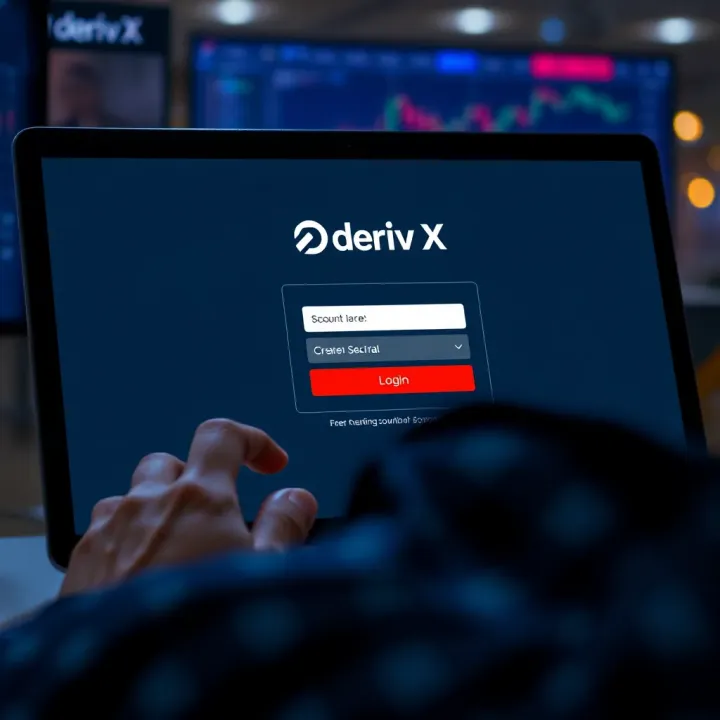
🔐 Learn how to easily log in to Deriv X, the favorite trading platform in Kenya. Discover troubleshooting tips, security advice, and hacks for a smooth login.

Explore Deriv.com for Kenyan traders 📈: learn how to set up accounts, access trading tools, ensure platform security 🔐, and get support anytime.

Explore Binary.com in detail 📊. Learn about its trading features, account setup, risks, and regulations to trade smartly in Kenya’s binary options market.
Based on 7 reviews