
Gold Price Prediction and Its Impact on Kenyan Investors
📈 Understand how today's gold price predictions affect Kenyan investors. Explore global trends, local market shifts, and smart tips for buying or trading gold wisely.
Edited By
Emily Carter
Dogecoin has steadily captured the attention of both casual traders and serious investors here in Kenya and beyond. Originally created as a joke cryptocurrency in 2013, it has morphed into a popular digital asset with a passionate community. That said, understanding what drives Dogecoin’s price remains essential if you are thinking of putting in your KSh.
Unlike traditional stocks or currencies backed by governments, Dogecoin price depends on numerous factors. These include market sentiment, regulatory news, technological developments, and broader macroeconomic trends. Kenyan investors should especially watch how global events influence cryptocurrency markets, as digital coins like Dogecoin often react strongly to shifts in international regulations or major tech endorsements.
Historically, Dogecoin’s price has shown much volatility. For example, during early 2021, a surge in social media buzz translated into a rapid increase in its value, drawing in many new investors. However, that was quickly followed by corrections where prices dropped just as fast, reminding traders of the risks tied to hype-driven assets.
To get a clearer view, consider these key points:
Market Demand: Community interest, often expressed through Twitter trends or celebrity endorsements, can cause sharp price movements.
Supply Considerations: Unlike Bitcoin, Dogecoin has no capped supply — there is continuous minting of new coins, which can dilute value over time.
Regulatory Environment: News from financial authorities in the US, EU, or even Kenya on cryptocurrency policies tends to sway prices.
Technological Updates: Changes to the Dogecoin protocol, or integration into new payment systems like Safaricom’s Lipa Na M-Pesa, could boost adoption and price.
Understanding these drivers helps you set realistic expectations. Dogecoin can offer opportunities but remains unpredictable, so informed decision-making is crucial.
This article will break down these factors and use recent data and trends to offer practical insights for Kenyan investors. By the end, you’ll be better equipped to weigh potential risks and rewards before making any moves on this digital coin.
Grasping Dogecoin's background and its place in the cryptocurrency world helps investors make informed decisions. Knowing where Dogecoin stands compared to other digital currencies clarifies its risks and potential rewards. Especially for Kenyan investors, understanding these basics offers practical insights on whether to include Dogecoin in their portfolios.
Dogecoin began in December 2013 as a lighthearted project without serious technical ambitions. It borrowed the popular "Doge" Shiba Inu meme to create an accessible, fun cryptocurrency. Unlike Bitcoin's scarcity-driven design, Dogecoin was meant to serve as a friendly, low-cost digital currency for small transactions, like online tipping or microdonations.
This approachable origin made Dogecoin attractive beyond hardcore crypto traders. Its community-driven vibe sparked viral campaigns, such as raising funds for Kenyan athletes in 2014, reflecting a spirit appreciated by many enthusiasts. This history keeps Dogecoin distinct from more serious or complicated blockchain projects.
Dogecoin's inflationary supply sets it apart. While Bitcoin caps supply at 21 million coins, Dogecoin issues 5 billion new coins every year. This steady supply discourages hoarding and aims to maintain liquidity, but it also limits the token’s long-term scarcity value.
Furthermore, Dogecoin's mining algorithm is simpler and faster, allowing quicker transaction confirmation times. However, this also means less complex security features compared to Bitcoin or Ethereum. For Kenyan investors, these differences mean Dogecoin can be useful for everyday payments but might not serve as robust long-term store of value.
As of 2024, Dogecoin ranks among the top 15 cryptocurrencies by market capitalisation, often hovering around KSh 50 billion to KSh 80 billion. Its trading volumes remain healthy, especially on international platforms like Binance and KuCoin, signalling ongoing interest and liquidity.
Despite this, Dogecoin is notably more volatile, influenced heavily by social media trends and celebrity mentions. For investors in Kenya, this means while the coin is relatively easy to trade, its price can swing sharply in short periods.
Dogecoin’s usability extends beyond speculation. Some online retailers and services accept Dogecoin payments, including Kenyan-facing platforms accepting crypto through payment gateways. Additionally, its low transaction fees make it popular for tipping content creators or microtransactions.
That said, broad adoption remains limited compared to Bitcoin or stablecoins, especially locally. Kenyan investors should weigh Dogecoin’s practical use cases alongside its speculative nature when considering entry or exit points.
Understanding Dogecoin's origins, supply mechanics, and current market position provides a solid foundation. This knowledge helps investors navigate its price movements with clearer expectations, particularly in Kenya’s evolving crypto landscape.
Dogecoin's price does not move randomly. Understanding the main factors influencing it is essential for anyone considering investment or trading in this cryptocurrency. These elements provide insights on what to expect and how to interpret market changes, helping investors make informed decisions. Key factors include supply and demand dynamics, social media influence, and wider market trends.
Unlike Bitcoin which has a capped supply of 21 million coins, Dogecoin has no maximum limit. It currently adds about 5 billion new coins yearly through mining rewards, gradually increasing supply. This steady inflation can put downward pressure on price unless demand grows proportionally. For example, if more Dogecoin is mined but buyer interest stays flat, prices tend to stagnate or fall since supply outpaces demand.
This continuous increase makes Dogecoin less scarce than some other cryptos, affecting its appeal as a store of value. That said, miners’ rewards also encourage network security, which is an essential underpinning for investor confidence.
Dogecoin’s value heavily depends on its active community. When online groups rally around distinct causes or share positive news, interest spikes and so can prices. For instance, past campaigns backed by Reddit or Twitter users have generated buying waves, driving demand temporarily higher.
Community enthusiasm also sustains adoption—whether via tips, charities, or small vendor payments. If enthusiasm wanes or the network’s use drops, price gains often fade. Kenya’s digital savvy population, actively involved on social platforms, can influence this aspect when engaging with Dogecoin.
Social media acts like a megaphone for Dogecoin. Tweets or posts from influential accounts can cause rapid shifts in sentiment and price. For example, Elon Musk’s tweets have historically pushed Dogecoin prices up sharply within hours.
Such posts can mobilise retail investors swiftly, driving significant short-term price moves. In the Kenyan context, where mobile internet access to platforms like Twitter and Facebook is growing, this means local investors also react quickly to online chatter.
Celebrities and well-known personalities hold a unique sway over Dogecoin’s market. Their endorsements or criticisms often lead to sudden price swings. This phenomenon adds speculative risk but also creates opportunities for traders aware of media trends.
However, relying heavily on celebrity influence can make prices unstable and unpredictable. Investors need to balance hype-driven decisions with solid research to avoid losses.
Dogecoin’s price usually moves in tandem with larger cryptocurrencies like Bitcoin (BTC) and Ethereum (ETH), which set the overall market mood. When BTC or ETH gain momentum, altcoins including Dogecoin often follow suit.
For instance, during Bitcoin bull runs, investors tend to diversify into altcoins, boosting Dogecoin’s price. Conversely, when Bitcoin retreats, altcoins tend to suffer heavier declines. Kenyan traders watching NSE or local forex markets can apply similar market sentiment logic to crypto.
Global financial factors such as inflation rates, interest changes by central banks, or geopolitical tensions subtly influence cryptocurrency markets. A rise in inflation in major economies often drives interest towards cryptos as alternative assets.
Events like the U.S. Federal Reserve adjusting rates or disruptions in supply chains can affect investment flows into cryptocurrencies, including Dogecoin. Kenyan investors, conscious of dollar-Kenyan shilling dynamics, should note these wider economic signals as part of their analysis.
Understanding these key factors gives a clearer picture of why Dogecoin moves the way it does. Thoughtful investors in Kenya should continuously watch supply shifts, social media trends, and global market developments to better time their positions and manage risks effectively.
Studying Dogecoin's historical price patterns offers valuable insights that can guide current and future investors in making informed decisions. Knowing how the price has reacted during major events helps forecast potential moves, especially in a highly volatile market like cryptocurrencies. This section examines key price surges, corrections, and comparisons, which reveal practical lessons on Dogecoin’s behaviour over time.
Dogecoin has seen remarkable highs and equally sharp pullbacks, particularly since its rise to popular attention in 2020 and 2021. One of the most notable surges occurred in early 2021 when memes and celebrity tweets, such as those by Elon Musk, pushed the price from about KS0 (0.9 US cents) to over KS00 (2.7 US cents) within a few months. This rapid growth attracted many retail investors across Kenya and beyond.
However, these surges were followed by significant corrections. By mid-2021, Dogecoin’s price had dropped by more than 70% from its peak, illustrating the risk of speculative bubbles. These swings demonstrate how the cryptocurrency’s value is highly sensitive to social media trends and market sentiment. For investors, recognising such patterns warns against panic selling during dips or overenthusiastic buying in hype-driven rallies.
Previous rallies also offer lessons on timing and patience. For instance, after the 2021 crash, Dogecoin remained relatively flat for several months before modestly recovering. This underlines that gains are not always immediate, and holding long-term can sometimes be more rewarding than chasing short-term spikes.
Comparing Dogecoin’s performance with rival altcoins like Shiba Inu and Litecoin sheds light on its unique position. While Shiba Inu launched as another meme coin and experienced a similar hype-driven surge, Litecoin operates more as a traditional cryptocurrency with steady adoption. Dogecoin’s volatility tends to be higher than Litecoin’s but often mirrors the speculative nature seen in meme coins.
This comparison helps investors weigh their risk tolerance. For those in Kenya’s hustler economy, understanding that Dogecoin can be more unpredictable than more established digital assets is crucial for portfolio balance.
Moreover, looking at market trends in similar coins highlights typical behaviours during bull and bear markets. For example, when Bitcoin dips sharply, many altcoins including Dogecoin follow suit due to liquidity squeezes and investor shifts back to stable assets. This analogy encourages caution during global economic uncertainties and informs strategic entry or exit points.
Learning from Dogecoin’s price history and comparable cryptocurrencies can help investors avoid emotional trading and prepare for the shifts distinctive to meme coins and altcoins alike.
Through these lessons, Kenyan investors and finance professionals can better navigate the risks and opportunities in Dogecoin trading, aligning their strategies with realistic expectations shaped by past market actions.
Expert analysis and predictive models offer valuable insights into Dogecoin's possible future price movements. These approaches combine historical data, market sentiment, and technical indicators to provide investors with a more grounded expectation rather than relying on guesswork. For Kenyan investors especially, such predictions can help in making informed decisions in this often volatile crypto space.
Technical analysis focuses on interpreting price charts and trading volumes to identify trends and forecast future price directions. Analysts examine chart patterns like head and shoulders, cup and handle, and support or resistance levels to anticipate possible breakouts or reversals. For example, a sustained break above a resistance level might signal a fresh upward movement in Dogecoin's price.
Indicators such as the Relative Strength Index (RSI) and Moving Average Convergence Divergence (MACD) help gauge market momentum and overbought or oversold conditions. If Dogecoin shows an RSI above 70, analysts might view it as overheated, suggesting a possible price pullback soon. As such, these tools are practical for traders trying to time entries and exits more cleverly.
Commonly cited target prices stem from these technical methods, often based on Fibonacci retracements or historical support zones. For instance, some experts expect Dogecoin to reach KSh 50 (about $0.38) if it breaks past its previous high, while a failure to hold key support could see it retreat to KSh 20. Targets vary widely, reflecting the crypto's inherent volatility and dependence on market momentum.
Beyond charts, fundamentals give a broader picture of Dogecoin's value over time. Developers’ plans for blockchain upgrades can shift market confidence. For instance, if Dogecoin introduces protocol improvements that reduce transaction fees or speed up confirmations, this could drive increased usage, positively influencing price.
Partnerships and broader acceptance add real-world utility that many analysts track closely. When merchants or platforms integrate Dogecoin payment options, it signals growing adoption. A recent case saw some Kenyan online retailers and content creators accept Dogecoin via M-Pesa-linked wallets, enhancing practical demand. Such milestones tend to boost investor confidence as they suggest an expanding ecosystem.
Combining technical signals with strong fundamental news offers a clearer picture for investors. Relying on one alone often misses the full market story.
Expert prediction models should not be treated as guarantees but rather tools that help manage expectations and risk in the fast-moving Dogecoin market. For Kenyan investors, blending analysis with careful risk management remains key.
Understanding the risks and challenges that could affect Dogecoin's price is vital for anyone considering investing or trading in this cryptocurrency. Unlike traditional assets, Dogecoin's value can be heavily influenced by external factors beyond market fundamentals. With its reputation for high volatility and speculative buying, being aware of these risks helps investors make informed decisions and manage their portfolios wisely.
Potential government restrictions: Governments worldwide are still figuring out how to regulate cryptocurrencies. Some countries may impose strict controls, including outright bans on crypto trading or mining. For example, China’s 2021 ban on all crypto transactions significantly impacted global markets, leading to sharp price drops. Such actions can create uncertainty and reduce market confidence, affecting Dogecoin’s value. Traders often react quickly to regulatory announcements, meaning Dogecoin prices can swing dramatically on any hint of new rules.
Implications for Kenyan investors: Kenya currently does not have comprehensive crypto regulations, but the Central Bank of Kenya (CBK) has issued warnings about crypto risks. Kenyan investors should stay alert to any updates from CBK or the Capital Markets Authority (CMA), as future regulations may affect the legality, taxation, or ease of accessing Dogecoin. For instance, if M-Pesa transactions for buying crypto face restrictions, it would hinder many local investors. Having clarity on regulations helps avoid penalties and ensures compliance with Kenyan law.
Price swings and liquidity concerns: Dogecoin is known for its sharp price swings, partly because it has a more speculative user base than established cryptos like Bitcoin. This volatility means prices can rise or fall by double digits within hours. For investors, this offers chances for quick gains but also risks sudden losses. Since Dogecoin's market capitalization is smaller compared to bigger cryptos, liquidity can dry up during heavy sell-offs, making it harder to buy or sell at desired prices without affecting the market.
Impact of pump-and-dump schemes: Dogecoin’s meme status makes it a target for pump-and-dump tactics where groups artificially inflate prices before selling off rapidly. Such schemes can trap uninformed investors, causing sudden crashes that wipe out profits. Kenyan traders should be cautious of hype-driven pushes, especially on social media platforms like Twitter or Telegram. Staying informed, checking transaction volumes, and using reliable exchanges mitigate this risk and protect investments.
While Dogecoin offers exciting opportunities, its risks require careful attention to regulations and market behaviour—especially for investors in Kenya where the crypto environment is evolving rapidly.
In sum, recognising these risks prepares you to navigate Dogecoin’s unpredictable market and make smarter investment choices.
For Kenyan investors, understanding how to navigate Dogecoin trading is essential given the unique financial landscape and payment systems in Kenya. This section offers practical advice tailored to local realities, including different ways to buy and hold Dogecoin safely. It also emphasises the need to assess risks and set clear goals to avoid common pitfalls in an often unpredictable market.
M-Pesa remains the backbone of mobile payments in Kenya, making it a convenient method for purchasing cryptocurrencies like Dogecoin. Several Kenyan exchanges now accept direct M-Pesa deposits or withdrawals, which means you can fund your digital wallet or cash out with minimal hassle. For example, platforms such as Bitpesa and Yellow Card allow users to deposit KSh directly via M-Pesa, bypassing complicated bank transfers.
Local exchanges often have better support for Kenyan Shilling transactions, providing more competitive exchange rates compared to international platforms. Plus, local exchanges tend to understand the regulatory environment better, adding a layer of security and compliance. Making sure you use exchanges registered with the Capital Markets Authority (CMA) or other proper bodies helps reduce the risks of scams.
Once you acquire Dogecoin, storing it securely is critical. Hardware wallets like Ledger or Trezor are recommended, especially for investors holding significant amounts. These devices store your coins offline, protecting them from online hacks.
If you use mobile or desktop wallets, ensure you have strong passwords and enable two-factor authentication. Always verify the wallet address before sending funds because cryptocurrency transactions are irreversible. Avoid sharing your private keys with anyone, and be cautious when accessing your wallets over public Wi-Fi networks to prevent interception.
Dogecoin’s price can swing wildly, influenced by social media hype and broader market trends. Kenyan investors should expect rapid rises and falls—this is not like investing in stocks where prices tend to move gradually. The risk of losing part or all of your investment is real, so only put in money you can afford to lose.
Monitoring global events and crypto market sentiment can help you time your buys and sells. However, avoid panic-selling during sharp drops; sometimes these downturns offer buying opportunities.
Putting all your funds into Dogecoin alone is a risky bet. Diversifying across several cryptocurrencies and traditional assets like stocks or government bonds helps spread risks. For instance, combining Dogecoin with more established coins such as Bitcoin or stablecoins reduces exposure to extreme volatility.
Besides financial instruments, diversifying investment timelines also matters. Some Kenyans split their investment pot into medium or long-term holdings and short-term trades to balance potential gains with liquidity needs.
Investing in Dogecoin without a clear plan and risk understanding is like stepping onto a matatu without checking the route—you may end up far from where you intended.
Taking these practical steps can help Kenyan investors navigate Dogecoin more confidently while protecting their finances against unexpected market shocks.
📈 Understand how today's gold price predictions affect Kenyan investors. Explore global trends, local market shifts, and smart tips for buying or trading gold wisely.
📈 Explore Cardano (ADA) price predictions and market trends! Get insights on tech updates and economic factors shaping ADA's future in Kenya's crypto scene.
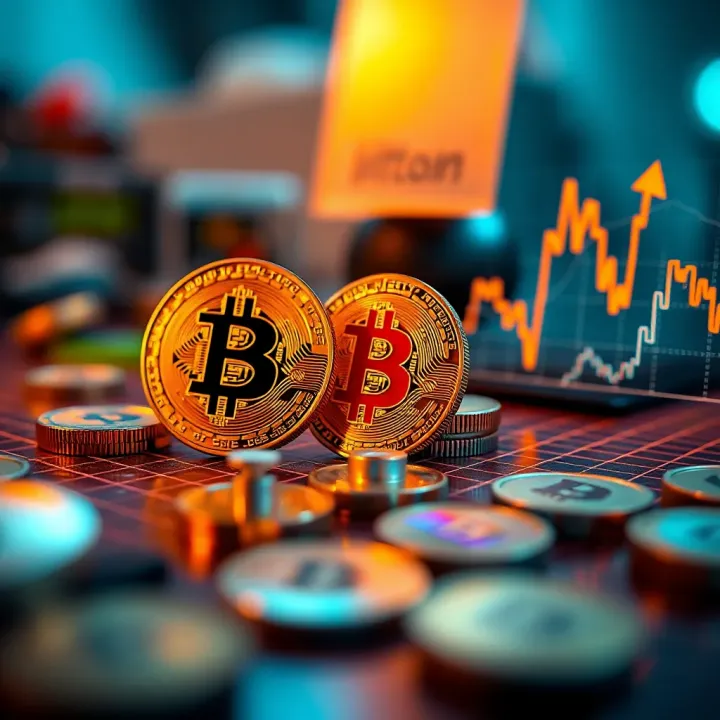
🔍 Watch Bitcoin's price closely over the next 24 hours! Get insights on trends, market mood, and technical signs affecting short-term moves. 📉📈
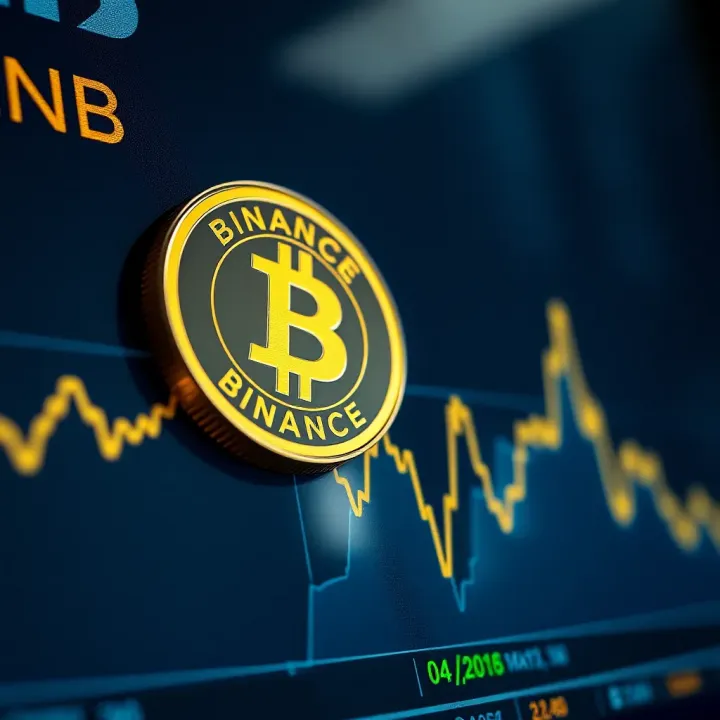
📉 Explore Binance Coin (BNB) price trends, tech updates, and expert views to guide Kenyan investors looking to understand future market moves.
Based on 11 reviews