
Deriv Minimum Deposit Guide for Kenyan Traders
💼 Learn about Deriv minimum deposit options for Kenyan traders, including payment methods, currency tips, and security advice for smooth funding.
Edited By
Emily Harper
Starting your trading journey with Exness in Kenya requires understanding the minimum deposit rules clearly. Many new traders wonder, "How much initial money do I need to fund my account?" Exness offers several account types, each with different minimum deposit amounts suitable for various trading styles and capital availability.
For Kenyan traders, the minimum deposit varies depending on whether you pick a standard or professional account. Standard accounts, such as the Standard, Standard Cent, and Raw Spread, generally accept as low as KSh 100 or around $1 as the starting deposit. This makes it accessible for beginners or those testing the market.
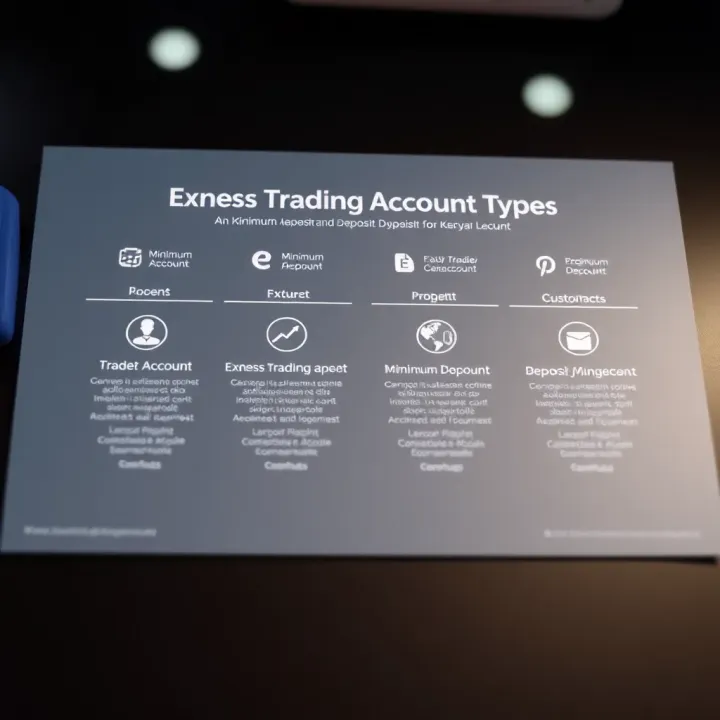
On the other hand, professional accounts like Zero or Pro accounts usually require a higher initial deposit, sometimes from KSh 5,000 upwards, reflecting their tighter spreads and advanced trading conditions. Understanding these thresholds helps you pick the account matching your budget and trading ambitions.
Note: Exness prides itself on low minimum deposits to encourage broad participation, but higher deposits may unlock better trading terms and leverage.
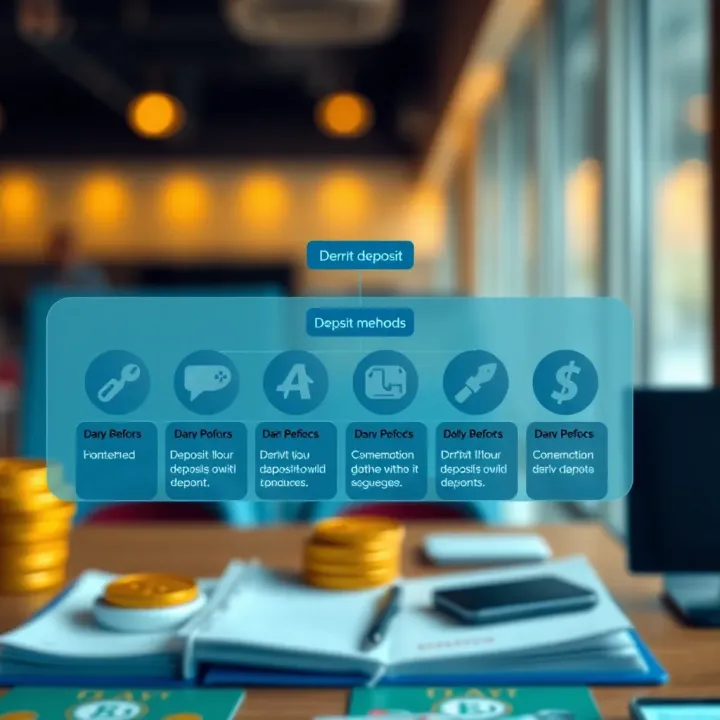
Funding your Exness account is straightforward, thanks to payment options familiar to Kenyan users:
M-Pesa: The most common mobile money platform in Kenya, allowing quick deposits directly from your mobile wallet.
Bank Transfers: For larger sums, you can use bank payments through trusted banks like Equity, KCB, or Cooperative Bank.
E-wallets and Cards: Platforms like Skrill, Neteller, or Visa/MasterCard are also accepted.
You should always check for available deposit methods in your area and the possible fees or processing times.
Before loading funds into your Exness account, it’s wise to assess:
Your trading experience and comfort with risk.
The suitability of the account type (some accounts suit scalpers or high-frequency traders better).
The payment fees and withdrawal conditions applicable to your method.
Currency exchange rates if you deposit in shillings but trade in dollars.
Choosing the right account and deposit amount sets a strong foundation, avoiding surprises later on.
In short, Exness provides Kenyan traders with flexible minimum deposit options and accessible payment channels, making it practical to start or grow your forex trading without stretching your finances unnecessarily.
Choosing the right Exness trading account is vital because each type caters to different trading styles and requires varying minimum deposits. Understanding these differences helps Kenyan traders align their initial investment with their trading goals and risk appetite.
Exness offers several account types suited for beginners and seasoned traders alike. The popular ones include Standard, Pro, Cent, and Zero accounts. Each provides different features, spreads, and leverage options tailored to your trading needs. For example, the Standard account suits those starting out, while Pro accounts appeal to experienced traders looking for tighter spreads.
The Standard and Pro accounts require an initial deposit of just $10, which is approximately KS,300. This makes these accounts accessible for many Kenyan traders who want to take part in forex trading without a significant upfront capital. The Standard account offers slightly wider spreads but no commissions, which helps beginners manage costs. On the other hand, the Pro account provides tighter spreads with a small commission per trade, ideal if you trade frequently and care about transaction costs.
The Cent account is designed for those who want to test markets or build confidence with minimal risk. It accepts deposits as low as $1 (around KS30), allowing you to trade with cents rather than dollars. This is perfect for new traders or those experimenting with strategies without risking too much money. Keep in mind that this account operates on micro-lots, meaning trading volumes and profits (or losses) are scaled down.
The Zero account targets traders who want almost no spread; instead, it charges commissions per trade. This account’s minimum deposit is higher, set at $200 (about KS6,000), reflecting its professional-grade service. If you plan to trade high volumes or use scalping strategies, the Zero account might offer better cost efficiency despite the higher initial capital.

Having clarity on these account types and their minimum deposits ensures you pick one that fits your trading budget and style, avoiding unnecessary strain on your finances.
Understanding these different account options will help you plan your first deposit smartly, factoring in both your budget and how actively you'll trade. Be sure to align your account choice with your trading experience and objectives to maximise your chances of success.
Starting your trading journey with Exness requires funding your account through a deposit. This step sets the stage for your market activities, allowing you to put your strategies into practice. Kenyan traders benefit from several convenient payment options tuned to local preferences and practical needs. Understanding these methods and their conditions helps ensure your funds reach your trading account smoothly and without unnecessary delays.
Exness supports a range of payment methods accessible to Kenyan users. Besides traditional routes like bank transfers and debit or credit cards, the broker embraces mobile money platforms that are dominant in Kenya’s transaction landscape. This mix caters to different trader profiles, whether you prefer the digital ease of mobile payments or the formality of bank operations.
Mobile money, particularly M-Pesa, remains the go-to payment method for many Kenyans and traders alike. Exness allows deposits via M-Pesa and other mobile wallets, which means you can fund your account directly from your phone without visiting a bank or agency. This method is especially useful if you're trading on the go or prefer to avoid lengthy bank queues. Deposits via M-Pesa typically clear quickly, sometimes within minutes, making it practical for urgent trading needs.
If you prefer more conventional channels, Exness accepts direct bank transfers from major Kenyan banks such as Equity Bank, KCB, and Cooperative Bank. Card payments through Visa and Mastercard are also viable. While bank transfers can take longer to process — usually 1 to 3 business days — they’re suitable for larger sums or if you want a clear transaction paper trail. Card payments, on the other hand, usually take effect instantly but may have daily or monthly limits set by your bank.
Generally, Exness does not charge fees for deposits; however, your bank or payment provider may impose their own charges. M-Pesa deposits are usually free or carry minimal costs, but it pays to confirm with your mobile provider. Processing times vary with the payment method: mobile money deposits happen quickly, often within minutes, while bank transfers might take longer. Understanding these differences can help you plan your trades better without cash flow interruptions.
Remember, your choice of deposit method impacts not just the speed of funding but also your convenience and cost. Always weigh these factors before making your first deposit with Exness.
Whether you are funding through M-Pesa, bank transfer, or a card, ensure your account verification is complete. This avoids any delays once your deposit is made, ensuring a smooth start to your trading experience with Exness.
Before you fund your Exness trading account, it's wise to weigh certain factors that can affect your trading experience and success. Making a deposit is more than just transferring funds; it requires thinking about your financial capacity, risk appetite, and the regulatory steps to have your account fully operational.
Start by figuring out how much you can comfortably set aside for trading without straining your daily expenses or emergency savings. Forex trading carries risks; prices move fast and can catch many off guard. Suppose you have KSh 20,000 saved for trading but you also need some for rent and groceries, putting all 20,000 into trading might not be wise. Instead, decide on an amount that won’t disrupt your livelihood if lost.
Risk tolerance varies by person. Some Kenyans prefer cautious trades with low stakes, while others handle bigger fluctuations. Knowing this helps you choose the right account with a suitable minimum deposit. For example, if you’re risk-averse, a standard account requiring a modest deposit might be better than jumping into a Pro account with a higher barrier.
Leverage lets you control more money than you actually deposit. Exness offers different leverage levels depending on the account type and regulations. A higher leverage means smaller initial deposits can move large trades, but it also magnifies losses.
Imagine you deposit only KSh 5,000 with 1:500 leverage. You can trade up to KSh 2,500,000 in value, but even a slight market movement against you can wipe out your deposit quickly. Understanding leverage helps you pick the right deposit size — enough to maintain your trades and cushion against inevitable dips.
Exness follows strict verification rules to keep your account secure and comply with Kenyan and international regulations. Before you can start trading, you need to submit valid identification and proof of address through their eCitizen system or directly on the platform.
Failure to complete this step can delay or block deposits and withdrawals. Kenyan traders should prepare scanned copies or clear photos of their national ID and utility bill, ensuring the documents are current. This step guards against fraud and money laundering within the Kenyan forex market.
Taking time to plan your deposit by considering these factors ensures you trade safely and responsibly with Exness. It's not just about the money you put in, but how wisely you manage that capital from day one.
Encountering issues during deposit transactions with Exness can be frustrating, especially when you are eager to start trading. Understanding how to handle common deposit problems quickly is crucial for Kenyan traders to avoid unnecessary delays and losses. These issues typically range from payment errors to processing delays and often relate directly to the chosen payment method or account details.
Payment errors often happen when details entered during the deposit don't match what's on your payment platform or bank system. For example, entering the wrong M-Pesa till number or an expired debit card can trigger immediate rejections. Kenyan traders should always double-check their inputs—such as account numbers, deposit amount, and payment method—before confirming the transaction.
Sometimes deposits can be delayed due to network issues or busy payment gateways. For instance, deposits via mobile money like M-Pesa might take longer during peak hours or festive seasons when many users transact at once. Patience is needed, but keeping a record of transaction IDs and receipts is vital. If a deposit doesn’t reflect within the expected time—often a few minutes to a few hours—contacting your payment provider first helps clarify any hiccup from their side.
If payment errors persist or deposits remain missing beyond reasonable times, Exness support becomes your next stop. Their customer service is usually accessible through live chat, email, or phone. When reaching out, provide clear information: your account username, deposit amount, transaction ID, and the payment method used. This speeds up the investigation process.
Exness operates a support system that understands local challenges Kenyan traders face, including payment method idiosyncrasies like M-Pesa or bank transfers. They can often resolve errors related to system glitches or misallocated funds quickly.
Tip: Always keep screenshots or digital copies of your deposit confirmations. These act as proof during dispute resolution.
By knowing how to handle payment errors and whom to contact when problems come up, you can keep your trading experience smooth and avoid unnecessary hitches with Exness deposits.
Managing your trading funds wisely is vital for success, especially when starting with Exness in Kenya. Having clear strategies can help prevent unnecessary losses and improve your chances of making gains. Below, we'll explore simple yet effective ways to handle your trading capital.
Before you deposit any money, it's key to identify what you want to achieve. Setting realistic goals helps you stay disciplined and avoid chasing losses. For example, if you start with a minimum deposit of KSh 1,000, aiming for a steady 5% monthly return is more practical than hoping to double your money in a week. This keeps your expectations grounded and reduces the temptation to take risky trades.
Plan how much you can comfortably afford to lose without affecting your daily life—this is your risk capital. Remember, forex trading is not a get-rich-quick scheme; success comes with patience and consistency.
Exness offers demo accounts that you can use to practise without risking real money. This is ideal for Kenyan traders just getting into forex or those trying out different strategies. Using the demo account, you can familiarise yourself with Exness’s platform, test your trading skills, and see how various market conditions affect your trades.
Practising on a demo account also gives you insight into managing your deposits effectively. For example, you can experiment with trade sizes related to your intended deposit amount, so when you start live trading, you already know how to control your exposure.
Keeping a clear record of all deposits and withdrawals is essential. It helps you monitor your account balance and understand your trading habits. You can use simple tools like Excel or a notes app on your phone for this.
For example, if you deposit KSh 10,000 and withdraw KSh 2,000 after some profitable trades, noting these transactions allows you to track your real profits accurately. This practice also makes it easier to spot any discrepancies or technical problems with your payments.
Consistent money management gives you better control over your trading journey and can significantly reduce stress associated with unexpected losses or delays. Always keep your financial records updated and review them periodically to stay on top of your trading goals.
By setting achievable goals, practising on demo accounts, and tracking your finances carefully, you lay a strong foundation for your Exness trading experience. These tips will help Kenyan traders avoid common pitfalls and improve their chances of growing their trading accounts steadily.
💼 Learn about Deriv minimum deposit options for Kenyan traders, including payment methods, currency tips, and security advice for smooth funding.
Discover top trading bots for Kenyan traders 🤖 Explore features, benefits, and tips to enhance your trading strategy and manage risks effectively.

🔑 Step-by-step guide for Kenyan traders on Deriv.com login, account setup, security tips, common issues, and smart platform use. Trade confidently! 📈

Explore Deriv Hub, a reliable trading platform for Kenyan traders📈. Learn how it works, tools offered, tips, and key insights for smart online trading🌍
Based on 8 reviews