
Understanding Copy Trading for Kenyan Investors
📈 Learn how Kenyan investors can benefit from copy trading by mirroring expert traders, understanding risks, regulations, and smart strategies for success.
Edited By
Emily Harper
Fibonacci retracement levels are popular among traders for spotting potential price reversal points. These levels stem from a simple, yet effective mathematical sequence discovered by Leonardo Fibonacci in the 13th century. In trading, these ratios help predict where price pullbacks might find support or resistance.
Traders in Kenya and worldwide often apply Fibonacci retracement on charts to identify strategic entry or exit points, increasing the odds of making profitable trades. These levels are especially useful when markets seem uncertain, offering clues on when a trend might pause or reverse.
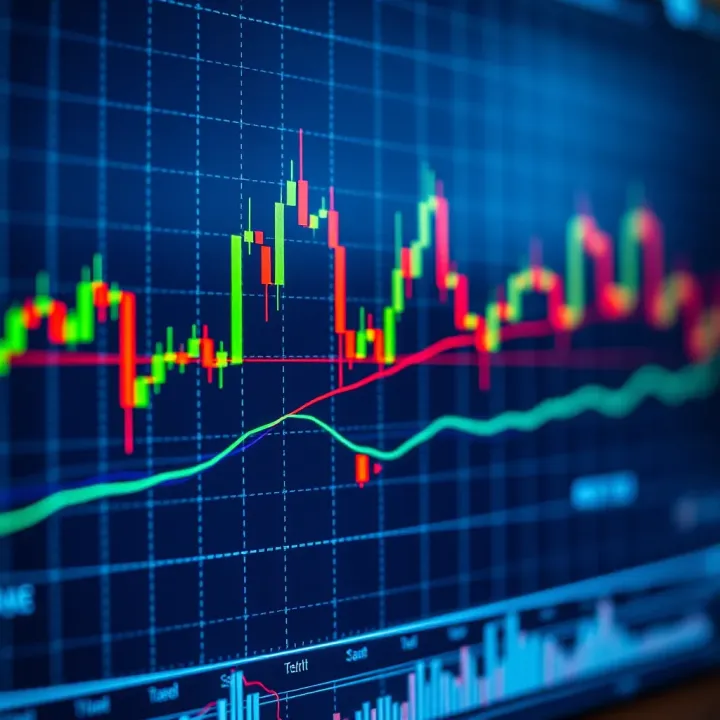
The main Fibonacci retracement ratios include 23.6%, 38.2%, 50%, 61.8%, and sometimes 78.6%. They are derived by dividing numbers in the Fibonacci sequence in specific ways. For example, 61.8%—called the golden ratio—is found by dividing a number by the one after it (55 ÷ 89 ≈ 0.618). These percentages map out on a price chart between a significant high and low point.
Using Fibonacci levels isn't about exact price predictions, but about recognising areas where price movement may slow or reverse. Combined with other tools like volume analysis and trendlines, they improve trading decisions.
Traders first identify a recent prominent peak and trough on the chart. The retracement lines are then drawn between these extremes. The levels show likely zones where price could pull back before continuing the trend.
For example, if a stock rose from KSh 100 to KSh 150, the 38.2% retracement level would be around KSh 131. Once the price pulls back to that point, traders watch closely for signs of a bounce.
This method works across markets—from Nairobi Securities Exchange stocks to forex pairs and commodities trading. It's a visual aid that quantifies support and resistance beyond just guessing.
Always combine Fibonacci retracement with other indicators such as moving averages or RSI to confirm signals.
Avoid relying solely on these levels; price can overshoot or ignore them in volatile markets.
Practice drawing retracement lines on different timeframes – daily charts often provide clearer signals than intraday charts.
In short, mastering Fibonacci retracement helps traders map out potential turning points, improve timing for entries and exits, and manage risks better. With consistent use and practice, it can become a reliable part of your trading toolkit.
Fibonacci retracement levels serve as essential tools for traders aiming to predict where price pullbacks may halt before continuing a trend. Understanding the basics lays a solid foundation for employing these levels effectively in market analysis, whether in equities, forex, or commodities. Kenyan traders, for example, can use these levels to spot key support and resistance zones when dealing with volatile stocks on the Nairobi Securities Exchange (NSE) or during forex trading around the EAC shilling.
The Fibonacci sequence is a series of numbers starting from 0 and 1, where each subsequent number is the sum of the two before it (0, 1, 1, 2, 3, 5, 8, 13). While the sequence may seem abstract at first, it appears frequently in nature, such as leaf arrangements and flower petals. In trading, these numbers are transformed into percentages that represent likely retracement levels during price corrections, providing a measured way to anticipate price moves.
Kenyan traders find this especially useful since markets here sometimes suffer rapid price swings influenced by global events or local policy changes. The retracement levels help to interpret these movements by indicating where price might stall or reverse.
Fibonacci retracement in trading traces back decades when analysts noticed that prices often pull back to certain predictable points before resuming their trend. These points are based on ratios derived from the Fibonacci sequence, primarily 23.6%, 38.2%, 50%, 61.8%, and 78.6%, which correspond to natural proportions. For instance, during a bullish run, a price might dip and find support around the 61.8% level before climbing again.
This method gained traction over time as it offered a simple way to identify potential turning points without complex calculations. Kenyan investors and traders use retracement levels to make entries and exit decisions, especially when waiting for confirmation of trend continuation or reversal.
The most frequently used Fibonacci retracement levels—23.6%, 38.2%, 50%, 61.8%, and 78.6%—are based on mathematical relationships in the Fibonacci sequence. The 50% retracement, while not a Fibonacci number, is widely used due to its psychological impact on traders, symbolising a halfway pullback.
For example, if a share price climbs from KSh 100 to KSh 150, retracement levels would mark potential support points at roughly KSh 138.2 (23.6%), KSh 130.9 (38.2%), KSh 125 (50%), KSh 119.1 (61.8%), and KSh 110.7 (78.6%). These zones help traders anticipate when buyers might step in.
Each retracement level acts as a potential support or resistance point where supply and demand forces balance temporarily. The 61.8% level, known as the "golden ratio," is particularly significant because many traders expect prices to bounce here, making it a self-fulfilling prophecy. Conversely, breaking below this can signal a deeper correction or reversal.
Having these levels plotted on charts helps traders to set stop-loss orders or plan take-profit targets with better precision. In Nairobi's dynamic markets, recognising these points can reduce guesswork amid unpredictable swings and help preserve capital and gains.
Fibonacci retracement levels aren't guaranteed predictors, but they offer a reliable framework to anticipate where price pullbacks might stop, assisting traders to make informed choices.
By grasping the basics of Fibonacci retracement levels—including their origin, common percentages, and practical significance—Kenyan traders can add a valuable dimension to their technical analysis toolkit, enhancing their ability to read and act on market movements with confidence.
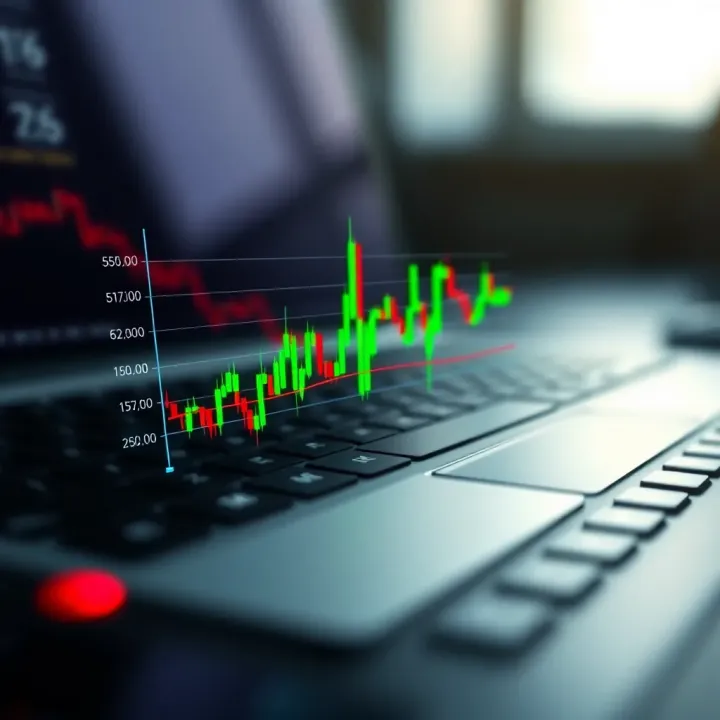
Calculating and drawing Fibonacci retracement levels are foundational steps every trader must grasp to make the tool useful. These levels help pinpoint possible reversal points or consolidations in price movements, especially within volatile markets like Kenya's NSE or forex pairs involving the Kenyan shilling. Understanding how to identify and draw these levels yourself saves reliance on guesswork and software defaults.
The first step in drawing Fibonacci retracement levels is to spot the swing high and swing low on your price chart. A swing high is the peak point before the price pulls back, while a swing low is the trough before prices start rising again. For instance, in a daily chart of Safaricom shares, if the price rose to KSh 40 before dropping back to KSh 30, KSh 40 would be the swing high and KSh 30 the swing low.
Choosing the correct swings matters because retracement levels are plotted between these two extremes. Picking minor fluctuations instead of significant swings can give misleading signals. Traders in Kenya often watch for these swings around major economic announcements or corporate results when price moves sharply.
Using manual methods: Manually drawing Fibonacci retracement levels involves plotting horizontal lines at key percentages between the swing high and swing low. These percentages generally include 23.6%, 38.2%, 50%, 61.8%, and 78.6%. You calculate each level by applying the following formula:
Level price = Swing low + (Swing high – Swing low) × Fibonacci percentage
For example, if a forex pair USD/KES moves from a swing low of 115 to a swing high of 120, the 61.8% retracement level is calculated as 115 + (120 – 115) × 0.618 = approximately 118.09. You then draw horizontal lines on your chart at these prices. Though it takes a few calculations, this manual approach reinforces better understanding and helps traders avoid blind reliance on software.
Tools available on popular trading platforms: Most modern trading platforms widely used in Kenya, such as MetaTrader 4 and 5, ThinkorSwim, or even Nairobi Securities Exchange’s online charts, come with built-in Fibonacci retracement tools. To draw retracements, simply use the tool to click on the swing high and drag down to the swing low (or vice versa for downtrends). The platform will automatically plot the levels on the chart.
These tools save time and reduce errors, especially during fast-moving market conditions. They also allow easy adjustment as new swing highs or lows form, keeping your analysis up to date. However, it pays to verify the swings you pick because automatic defaults can sometimes plot levels on minor price moves not relevant to your strategy.
Consider a trader analysing Equity Bank’s shares around earnings season. The stock hits a swing low at KSh 40 and climbs to a swing high of KSh 50 within two weeks. The trader draws Fibonacci retracement lines manually or using a platform’s tool between these points.
The key retracement levels (38.2% around KSh 46.18, 50% at KSh 45, and 61.8% near KSh 43.82) act as areas where the price may find support if it pulls back. When the price dips to these levels and bounces, it signals potential buying opportunities or confirms current trends, giving the trader confidence in entry points.
Mastering these calculation and drawing steps gives Kenyan traders a firm grip on price action, especially when combined with local market knowledge and other indicators.
Understanding how to calculate and plot Fibonacci retracement levels puts real power in your hands to read charts accurately and improve trading decisions in NSE stocks, forex trading, or commodities like tea and coffee futures traded locally.
Fibonacci retracement levels help traders pinpoint possible areas where prices might pause or reverse in a trend. These levels act as a rough guide for identifying support and resistance zones on a price chart, easing decision-making when entering or exiting trades. For instance, when a Kenyan investor watches the NSE 20 Share Index retrace to the 61.8% Fibonacci level, it may signal a good opportunity to buy if other conditions support a rebound.
Support happens where a falling price finds a floor and bounces back up, while resistance is where a rising price slows or reverses. Fibonacci retracement lines often line up with these levels, making them useful markers. When a stock such as Safaricom trades near the 38.2% retracement after a strong run-up, traders observe if the price holds there, indicating strong support. If it breaks through, the price might drop to the next retracement level, signalling a shift in market sentiment.
Moving averages smooth out price fluctuations to reveal the underlying trend. Combining them with Fibonacci levels adds weight to potential support or resistance zones. For example, if the 50-day moving average coincides with the 50% Fibonacci retracement on a forex pair like USD/KES, it strengthens the case that price may hold or reverse around that point. This alignment helps traders confirm entries or exits with more confidence.
The Relative Strength Index (RSI) measures the speed and change of price movements to identify overbought or oversold conditions. When RSI hits extreme levels near key Fibonacci retracements, it can signal a potential reversal. Say the RSI shows oversold conditions as a stock approaches the 61.8% retracement; that’s a hint buyers might soon step back in. Using RSI alongside Fibonacci levels helps avoid false signals and fine-tune trade timing.
Candlestick patterns provide insight into market psychology through price action. Patterns like hammers, engulfing candles, or dojis forming near Fibonacci retracement lines can show whether buyers or sellers are gaining strength. For example, a bullish engulfing candle near the 38.2% retracement of an agricultural commodity like tea prices on the Nairobi exchange may suggest strong buying interest, signalling a likely upward move.
Fibonacci retracements can guide where to place stop losses and take profits. Traders often set stop losses just beyond a Fibonacci level that must hold for their trade idea to remain valid. If the market breaches that line, it reduces the chance of unnecessary losses. For example, if a trader buys Equity Bank shares near the 50% retracement, placing a stop loss just below the 61.8% level keeps risk manageable. This approach balances potential reward with clearly defined risk.
Using Fibonacci retracement levels as part of your trading helps you make decisions grounded in observable price behaviour, reducing guesswork and improving your chance of success.
Integrating Fibonacci tools with other indicators and thoughtful risk controls provides a practical edge for those trading Nairobi’s markets or beyond. The key is to treat these levels as guides rather than guarantees, always considering overall market context and volumes when making your moves.
Fibonacci retracement levels are useful tools, but they don't always give clear trading signals. It’s vital to understand where they fall short to avoid costly mistakes. Kenyan traders, like those elsewhere, should treat these levels as guides rather than guarantees. They assist in spotting possible support or resistance, but market movements depend on many factors beyond these numbers.
Fibonacci levels are based on historical price points, but markets don't always behave logically. These levels might coincide with support or resistance purely by chance rather than underlying market strength. For example, a Kenyan forex trader might see a 61.8% retracement level on the USD/KES chart, but if there’s strong economic news or political events, the market could ignore it completely.
Also, retracement levels can give conflicting signals when applied across different timeframes. It's common to see a level act as support on a daily chart but fail on an hourly chart. This inconsistency can confuse traders who rely solely on Fibonacci.
Relying only on Fibonacci retracement for entry or exit decisions can be risky. Trading involves many variables such as volume, news, and overall market sentiment. Good traders use retracement levels alongside other technical indicators like moving averages, Relative Strength Index (RSI), or confirmed price patterns.
Imagine a trader in Nairobi who sees a 50% retracement on a blue-chip stock like Safaricom. If they jump in immediately without checking other indicators or recent company news, they may face losses if the broader market is bearish. Using multiple tools helps confirm trading signals and manage risks better.
Some Kenyan traders mistake Fibonacci levels for magic bullets that always work, leading to costly errors. One common mistake is drawing retracement lines incorrectly—picking wrong swing highs or lows distorts the analysis. For instance, using a minor price fluctuation as a swing point can mislead you on where real support or resistance lies.
Another pitfall is ignoring the local market context. During Kenya’s election periods or economic turbulence, price movements become unpredictable and might disregard technical levels altogether. Traders also tend to ignore volume or resist trading plans based on emotional reactions when retracement levels fail.
Treat Fibonacci retracement as a tool in your trading toolbox, not the whole workshop. Proper use combined with good market awareness will improve your chances of making profitable decisions.
Applying Fibonacci retracement levels effectively can improve your trading decisions by pinpointing potential reversal points and better timing your entries or exits. However, success relies on understanding key practical tips that take into account both technical factors and local market realities. Getting these right helps reduce false signals and boosts confidence in your analysis.
Selecting the appropriate timeframe is critical when using Fibonacci retracements. Shorter timeframes, such as 15-minute or hourly charts, offer quick signals suitable for day traders but tend to be more volatile and prone to noise. On the other hand, daily or weekly charts provide a bigger picture for swing traders and investors, revealing more reliable support and resistance zones.
For example, a Nairobi Securities Exchange (NSE) trader focusing on shares like Safaricom Ltd could use daily charts to determine stronger retracement levels, while a forex trader dealing in USD/KES might prefer hourly charts for intraday moves. Align your timeframe with your trading style to avoid confusing conflicting signals.
Liquidity varies significantly between different Kenyan assets. NSE blue-chip stocks like Equity Bank and KCB usually have good liquidity, making Fibonacci levels more meaningful and responsive. However, some small-cap shares or less traded forex pairs involving the Kenyan Shilling can show erratic price swings due to low liquidity, which may distort retracement levels.
In practice, this means it’s wise to confirm retracement signals with volume indicators or watch for consistent price action before committing. If a stock’s trading volume is low, Fibonacci zones might not hold as support or resistance.
Kenyan markets tend to experience unusual price volatility around festive seasons like December and Easter. Increased consumer spending and business activities can cause price gaps or exaggerated swings. Traders relying blindly on Fibonacci retracement without considering this may get stopped out prematurely or miss out on genuine moves.
To tackle this, consider widening your stop-loss margins or combining Fibonacci analysis with market sentiment indicators during these periods. For example, the rush in forex volumes due to diaspora remittances in December often leads to bolder moves on USD/KES, requiring caution when interpreting retracement signals.
Modern trading platforms widely available to Kenyan traders, such as MetaTrader 4, MetaTrader 5, and TradeNet, come with built-in Fibonacci retracement tools. These allow quick drawing of levels with a few clicks, adjustable to various timeframes and charts.
Using these platforms ensures you don’t waste time on manual calculations and reduces errors. For Nairobi-based traders dealing with NSE stocks or forex pairs, TradeNet's integration with local brokers makes it a practical choice for smooth execution and analysis in one place.
Kenyan traders often rely on mobile apps for timely market updates and quick decisions. Apps like MetaTrader Mobile, Investing.com, and E*TRADE Kenya offer mobile-friendly Fibonacci tools to analyse retracement levels while commuting or away from desktop.
This flexibility is especially helpful for forex traders monitoring USD/KES or EUR/USD moves during the Nairobi workday. Make sure your app supports customisable alerts on key Fibonacci levels to catch important price actions without needing constant screen-watching.
Practical application of Fibonacci retracement involves not just chart skills but also adapting to the local market pulse and accessible technology. Mastering these tips can make your trading sharper and more suited to Kenya’s unique financial environment.
📈 Learn how Kenyan investors can benefit from copy trading by mirroring expert traders, understanding risks, regulations, and smart strategies for success.
Explore a detailed guide on derivative trading in Kenya 🇰🇪. Learn about types, risks, strategies, and local regulations to trade smarter and safer 📈.

Explore practical crypto trading tips 🇰🇪 for Kenyans, from basics to risks & regulations, and trade confidently in Kenya’s evolving market 💹🔒
📊 Learn how binary trading works in Kenya! Get practical tips on strategies, risks, rewards & market types for safe, informed trading decisions.
Based on 14 reviews