
Understanding Deriv Forex Trading in Kenya
Explore Deriv Forex trading in Kenya 🇰🇪—learn how it works, top features, account options, and smart risk management tips for more confident trading 📈
Edited By
Lily Davidson
The Finviz Currency Strength Meter has become a handy tool for many forex traders, especially those navigating Kenya's active forex market. It shows at a glance how strong or weak various currencies are against each other. Instead of guessing which currency will move next, this meter offers a clearer picture, helping you make better trading calls.
The tool evaluates multiple currency pairs like USD/EUR, GBP/JPY, and others to assign a strength score to individual currencies. For example, if the US dollar shows a high score while the euro is low, the meter suggests the dollar is stronger, indicating a potential buy opportunity on USD/EUR. This direct assessment helps traders reduce confusion inherent in forex markets where currencies rarely move independently.
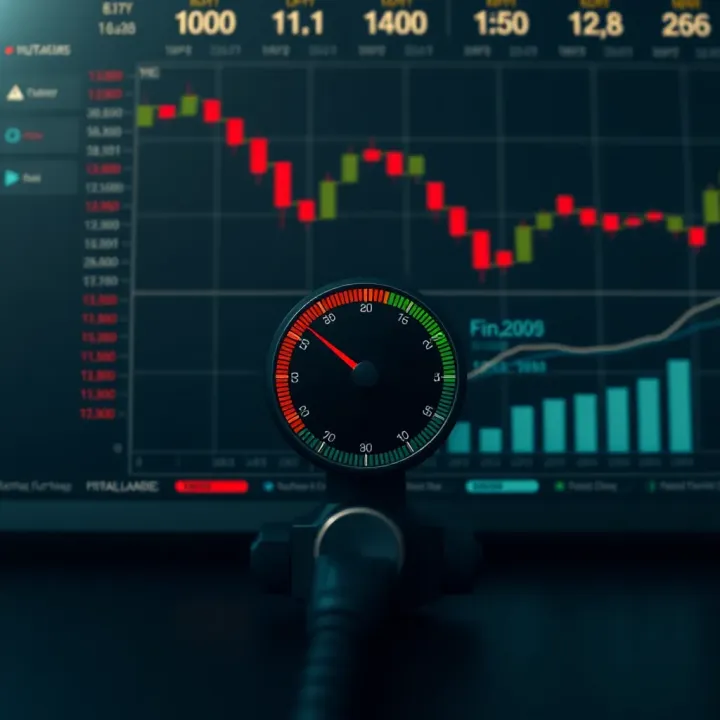
One practical use is combining the currency strength meter with technical indicators. In Nairobi, for instance, traders often check the meter before applying indicators like the Relative Strength Index (RSI) or Moving Averages. This two-step approach confirms whether the currency’s momentum matches broader trends.
Kenyan traders must understand that while the strength meter offers valuable insight, it doesn’t replace detailed analysis. It works best as a starting point, pointing out which currencies to watch but still requiring verification through chart patterns, economic news, or events such as CBK policy shifts or US Federal Reserve announcements.
To break it down:
The Finviz Currency Strength Meter tracks and scores currency strength in real time based on forex price movements.
It lets traders see which currencies dominate and which lag across dozens of pairs.
When combined with other tools, it improves the accuracy of entry and exit points.
Finally, it’s worth noting that the tool is useful for both short-term traders looking to ride quick moves and long-term investors spotting broader currency trends. For Kenyan forex enthusiasts, this meter offers an efficient way to stay informed in a fast-moving global market.
The Finviz Currency Strength Meter provides a snapshot of how strong or weak various world currencies are compared to each other at any given moment. For traders dealing with forex markets, understanding this relative strength matters because it highlights which currencies have momentum and which ones are lagging. This tool is particularly handy in spotting pairs where there’s a clear imbalance — a strong currency paired with a weak one often signals a potential trading opportunity.
Currency strength measurement sums up how a currency performs against multiple other currencies rather than relying on just one pair. Instead of watching USD/KES alone, for instance, the meter looks at how the US dollar fares against a basket of currencies like the euro, yen, pound, and more. By doing so, it filters out noise and offers a broader perspective of overall trends. Think of it like assessing an athlete's fitness by considering many competitions instead of just one race.
For example, if the US dollar scores high on the meter, it means that across several pairs it is generally stronger, making it a good candidate for long trades in USD-based pairs. Conversely, a low score indicates weakness and could caution traders against betting on that currency.
Finviz gathers price data from major forex pairs and uses an algorithm to assign a numeric value indicating each currency's strength. This calculation is based on price movements over different timeframes, such as hourly or daily. The results are normalised so traders can easily compare different currencies side by side.
This method borrows from relative strength indices (RSI) and moving averages, combining them to reflect momentum and trend direction across markets. While the exact formula is proprietary, it focuses on real market data rather than theoretical models, meaning it updates dynamically as prices change.
For instance, if EUR/USD falls sharply while USD/JPY rises, the meter will show a weakening euro and strengthening dollar accordingly. It accounts for all such movements to produce its overall picture.
The Finviz Currency Strength Meter presents information through clear visual gauges or bars for each currency. The stronger the currency, the more filled the bar appears, often accompanied by green shading. Weaker currencies tend to show shorter bars in red.
This quick visual helps traders spot extremes at a glance. For example, two currencies at the opposite ends of the scale suggest a strong trading bias. The meter also usually lists all major currencies like USD, EUR, GBP, JPY, CHF, CAD, and AUD, making it easy to compare them all on one screen.
The key benefit here is speed and clarity — you don’t need to scan multiple charts to understand market mood; the meter sums it up neatly.
For Kenyan forex traders dealing with pairs that involve the US dollar or euro, being able to check the Finviz meter gives a broader sense of whether these currencies are likely to hold or lose strength. This insight can guide decisions on whether to hold off on trades or jump in.
In summary, the Finviz Currency Strength Meter simplifies complex forex data into an easy-to-read format, highlighting currency trends that every trader should know before entering the market.
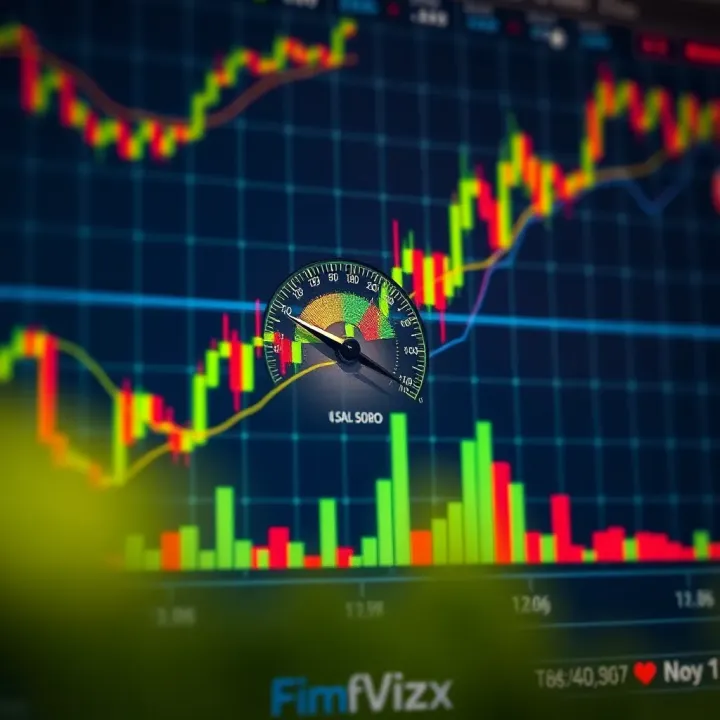
Currency strength plays a direct part in shaping forex trading decisions. By understanding which currencies are strong and which are weak, traders can time their trades better and improve profitability. For instance, when the US dollar (USD) shows strength while the euro (EUR) weakens, it suggests a potential short trade on the EUR/USD pair. This knowledge helps traders avoid guesswork and focus on pairs with clear momentum.
Currency strength matters because forex trading is essentially about comparing one currency to another. A strong currency tends to appreciate against weaker ones, offering trading opportunities. Kenyan traders, for example, monitoring the Kenyan shilling (KES) alongside major currencies like the USD or GBP, can spot when local economic factors push the shilling’s strength up or down. This insight aids in anticipating price moves before they become obvious in charts.
Moreover, currency strength data can indicate broader economic trends. If multiple currencies tied to commodity-exporting countries weaken while reserve currencies like the USD gain strength, it might reflect global risk aversion or commodity price swings — factors highly relevant to Kenyan traders involved in both local and international markets.
Understanding currency strength helps traders reduce risks by aligning trades with dominant market trends rather than fighting them.
Strength meters provide a visual summary of how various currencies perform relative to each other. Kenyan traders can use this tool to quickly scan which currencies show momentum and which ones lag behind. For example, if the meter shows the British pound (GBP) weakening and the USD gaining strength, it could signal a good chance to trade GBP/USD in favour of the dollar.
Traders often look for divergences on the meter — where one currency gains strength while another weakens sharply. Such moves often precede significant price shifts. Combining this data with price action or technical indicators like moving averages can refine entries and exits.
Also, strength meters help identify stable currencies during times of volatility. For small-scale traders who can’t monitor multiple pairs all day, focusing on the meters' top performers can save time and improve focus.
In practice, a Kenyan trader might notice the Finviz Currency Strength Meter indicating the Japanese yen (JPY) gaining strength amid global uncertainty. This insight could prompt the trader to look for safe-haven trades, such as buying USD/JPY when the yen strengthens, especially if other indicators confirm the signal.
By using the Finviz Currency Strength Meter, traders get a clear picture of the forex market landscape, enabling more informed, confident trading decisions.
Understanding the benefits and limitations of the Finviz Currency Strength Meter helps Kenyan forex traders use the tool more wisely. This section highlights the practical advantages it offers and the challenges traders should watch out for to avoid common pitfalls.
The Finviz Currency Strength Meter offers a quick visual snapshot of how various currencies stand against each other. For Kenyan traders dealing with pairs like USD/KES or EUR/KES, the meter helps spot which currency is gaining momentum and which is losing ground. This can save time, especially when monitoring multiple pairs during active trading hours.
One strong point is its simplicity. Instead of digging through complex charts or volumes of data, traders get an at-a-glance view. For instance, if the USD shows strong upward momentum while the KES weakens, a trader might quickly spot a potential opportunity to buy USD/KES before the market fully reacts.
Besides speed, the meter is useful for confirming other analytical signals. When combined with indicators like RSI or moving averages, it can add weight to a trade decision. Kenyan traders who use M-Pesa or bank transfers for quick trade settlement find it handy to make fast calls supported by currency strength insights.
Moreover, it’s a free tool accessible online, which is valuable for many local traders operating on tight budgets without access to expensive software packages.
Despite its perks, the Finviz Currency Strength Meter isn’t perfect. It measures relative strength based on a set timeframe, which might not reflect sudden market shifts. For example, when a major event hits unexpectedly—say an interest rate change by the Central Bank of Kenya (CBK)—the meter could lag behind real-time volatility.
Also, the meter simplifies strength into single numbers or colours, which might obscure underlying factors. Kenyan traders relying solely on the meter could miss important fundamentals like political developments or trade data affecting the KES.
Another consideration is that the meter doesn’t provide information on trade volume or liquidity, which are crucial for deciding the best entry or exit points. A trader could think a currency is strong, but if liquidity dries up, executing a trade at a good price might be tough.
The Finviz Currency Strength Meter should serve as a complement rather than a standalone tool. Relying on it alone risks missing the full picture necessary for consistent profits.
Lastly, local market conditions around the KES vary widely, and the meter’s global view might not capture nuances like county-level economic activity or seasonal agricultural exports impacting the shilling.
Kenyan traders are advised to combine the meter’s insights with local knowledge and broader analysis tools to make well-informed decisions in the forex market.
Using the Finviz Currency Strength Meter alone might give you a quick snapshot of which currencies are strong or weak, but the real edge comes from combining this with other trading tools. When you blend these insights with technical indicators and fundamental analysis, you support your trading decisions with more substantial evidence. This combination can help reduce mistakes and improve timing when entering or exiting trades.
Technical indicators like moving averages, Relative Strength Index (RSI), and Bollinger Bands complement the currency strength meter nicely. For example, imagine the meter shows the Kenyan shilling (KES) weakening against the US dollar (USD). Before jumping in, you check the RSI for the USD/KES pair. If RSI indicates the pair is oversold, this may suggest the market is due for a bounce, signalling a better entry point. Moving averages can confirm the trend direction identified by the strength meter. If the USD is strong and the KES weak, and the USD/KES is trading above its 50-day moving average, this reinforces a bullish outlook.
In Kenyan markets, this integration proves useful especially when paired with local trading hours and liquidity periods. Markets tend to move sharply during London and New York sessions, so matching currency strength shifts with these periods and technical signals can avoid false moves and dead trades.
Currency strength can fluctuate based on economic news, political events, or policy changes. Fundamental analysis helps explain why a currency moves and whether the strength or weakness is likely to persist. For instance, if the Central Bank of Kenya raises interest rates to curb inflation, you would expect the KES to strengthen. Coupling this insight with the Finviz meter’s reading confirms whether the market has already priced in this change or if there is room to act.
Kenyan traders should stay alert to local economic reports like inflation data, GDP growth, or election news, alongside global factors such as US Federal Reserve decisions. When the meter shows unexpected weakness in a currency, a fundamental check can uncover causes behind the move and guide whether to trade or hold back.
Combining currency strength data with technical and fundamental tools creates a more complete picture and increases the chances of profitable trades.
In practice, you might track the Finviz currency strength meter in the morning, then review charts with technical indicators before the European markets open, finally cross-checking recent economic reports. This layered approach is especially valuable in Kenya’s volatile forex environment, where outside events often influence currency swings.
Ultimately, no single tool provides all answers. A smart trader uses the Finviz Currency Strength Meter as part of a broader toolkit to confirm signals and improve trade confidence.
Kenyan traders must consider the unique local market factors when using the Finviz Currency Strength Meter. For instance, the Kenyan Shilling (KES) often reacts significantly to regional news like changes in tea and coffee export prices or shifts in remittance flows through M-Pesa. Using the meter alongside awareness of such events can sharpen trade timing. For example, if the meter shows declining strength in the USD against emerging currencies, but local economic reports signal increased remittance inflows, it could create a short-term boost for KES pairs.
Additionally, liquidity can be thinner for certain currency pairs involving the shilling, especially outside Nairobi trading hours. The strength meter's data should therefore be treated cautiously during low liquidity periods, when price swings may not reflect genuine market sentiment but rather sporadic trades.
Adapting to Kenya’s working hours also matters. Many traders rely on the meter during the London and New York sessions, when global forex activity peaks. But given time zone differences and local forex broker operating times, Kenyan traders should plan analysis and execution accordingly to avoid missing ideal entry points.
A frequent error is relying solely on the Finviz Currency Strength Meter without cross-checking with other signals. The meter reflects aggregated strength but does not predict future moves; it’s more of a snapshot than a crystal ball. For example, if the meter shows the euro gaining strength, a sudden ECB announcement or unexpected political development can reverse trends quickly.
Overtrading based on minor strength fluctuations is another pitfall. In volatile times, currencies can appear strong or weak in short bursts. Kenyan traders risk losing capital by reacting to every small shift instead of focusing on consistent, strong trends confirmed by volume or other technical indicators.
Failing to consider global economic calendars can also mislead. Kenyans should link the meter signals with upcoming events like US Federal Reserve meetings, IMF releases, or EAC trade negotiations, as these heavily impact currency strength but won’t be obvious from the meter alone.
Always think of the Finviz Currency Strength Meter as one piece of your forex puzzle. Combining it with local knowledge, volume analysis, and event calendars makes your trades smarter and less risky.
By respecting local trading hours, accounting for Kenya’s economic particularities, and avoiding overreliance on the meter alone, traders can use this tool effectively within the Kenyan forex landscape.
Explore Deriv Forex trading in Kenya 🇰🇪—learn how it works, top features, account options, and smart risk management tips for more confident trading 📈
📈 Explore how the Asian Forex session impacts Kenyan traders—learn about its timing, key trading hours, strategy tips, and risk management approaches.
🤖 Explore how forex bot trading works, its pros & cons, types of bots, risk tips, and what Kenyan traders need to know for smart automation decisions.
Looking for the best trading platform in Kenya? Discover tips on security, fees, and features to find a reliable, user-friendly platform that fits your needs 📈💼
Based on 10 reviews