

Understanding Copy Trading for Kenyan Investors
📈 Learn how Kenyan investors can benefit from copy trading by mirroring expert traders, understanding risks, regulations, and smart strategies for success.
Edited By
Emily Thornton
Forex trading in Kenya has grown steadily as more people look to diversify their income streams. M-Pesa, Safaricom’s mobile money platform, plays a vital role in this growth by enabling quick and secure transactions for forex trading accounts. Understanding how to use M-Pesa efficiently can make the difference between smooth trading experiences and costly delays.
Forex trading involves buying and selling currencies to profit from fluctuations in exchange rates. Unlike traditional banking, the forex market operates 24/5 internationally, so Kenyan traders can participate any time using their mobiles. M-Pesa helps by allowing traders to fund their accounts instantly and withdraw profits without visiting bank branches.
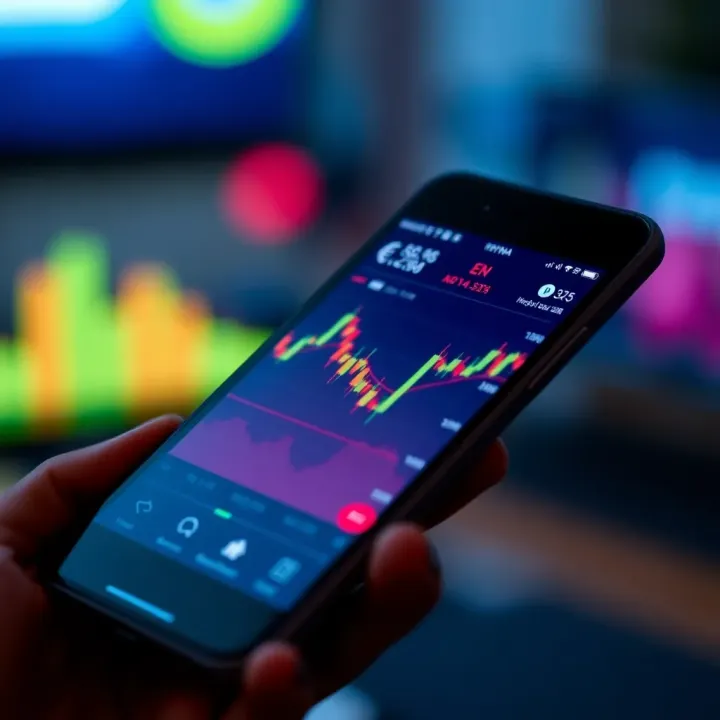
Fast deposits and withdrawals through M-Pesa reduce the risk of missed trading opportunities due to payment delays. This convenience has made forex trading more accessible to Kenyans beyond Nairobi’s financial centres.
Speed: Transactions usually complete within minutes, speeding up deposits and withdrawals.
Accessibility: Most Kenyans have M-Pesa, making it easier to manage funds even for those without formal bank accounts.
Security: M-Pesa’s PIN and confirmation systems provide an extra layer of protection.
Flexibility: You can fund multiple forex accounts from a single M-Pesa wallet.
Choose a forex platform that supports M-Pesa payments. Platforms like HotForex, XM, and Exness accept M-Pesa deposits.
Register and verify your trading account. This usually requires Kenya National ID and proof of address.
Link your M-Pesa number to your trading account for deposits.
Initiate a deposit via M-Pesa. Use Lipa Na M-Pesa, selecting 'Paybill' or 'Till Number' provided by the broker.
Confirm deposit in your trading wallet before placing trades.
Withdraw profits by requesting a transfer back to M-Pesa, following your broker’s procedure.
Understanding local regulations and the legal status of forex trading in Kenya is crucial before investing your money. The Capital Markets Authority (CMA) regulates forex brokers, and only CMA-licensed entities should be trusted to avoid scams.
Taking the time to learn the ins and outs of both forex trading and M-Pesa will help you trade more efficiently and securely. The following sections will look deeper into choosing the right platforms, managing risks, and maximising your forex gains using M-Pesa in Kenya.
Forex trading involves buying and selling currencies in a global market that operates 24 hours a day across different countries. In Kenya, it has grown steadily as people look for new ways to earn income beyond the traditional jobs or business ventures. Knowing how forex works is essential before you commit any money because it helps you make informed decisions and avoid common pitfalls.
Forex trading is essentially exchanging one currency for another to make a profit from changes in exchange rates. For example, a Kenyan trader might buy US dollars (USD) when the shilling (KES) is strong and sell them later when the shilling weakens to earn a return. Unlike stock markets, forex is decentralised, meaning trades happen over various electronic platforms rather than a single exchange. It’s a market influenced by factors like interest rates, political events, and economic indicators.
Many Kenyans are attracted to forex because it offers opportunities to make money using relatively small capital and flexible hours. Unlike some investments that require millions of shillings, forex accounts can start at just a few thousand shillings thanks to leverage provided by brokers. Also, the accessibility of mobile money platforms like M-Pesa means depositing and withdrawing funds is straightforward. For example, a teacher in Nairobi can trade forex during evenings after work without stepping into an office or bank.
Trading forex carries both significant rewards and risks. The market’s volatility can result in quick gains — a smart move might turn a KSh 10,000 investment into a neat profit in a day or two. However, the same volatility can also wipe out your money rapidly if you don’t manage risks well. For instance, sudden political unrest or unexpected interest rate decisions can cause currency swings that affect your trades negatively. To succeed, traders need to use strategies like stop-loss orders to limit losses and avoid trading based on rumours or emotions.
Understanding these basics helps Kenyan traders protect their capital and make wise choices. Knowing the market, linkages with M-Pesa for transactions, and awareness of potential pitfalls sets a foundation for safer trading.
This overview of forex trading is key to helping Kenyans use platforms like M-Pesa confidently and responsibly while aiming for steady growth rather than quick wins.
M-Pesa has transformed the way Kenyans participate in forex trading by simplifying the transfer of funds between traders and brokers. Before mobile money, dealing with international transactions involved long waits and high transaction costs through traditional banks. Today, M-Pesa bridges that gap, enabling quick, secure deposits and withdrawals directly from your phone.
Most forex brokers operating in Kenya now accept M-Pesa payments, making it much easier to fund trading accounts. To deposit, you simply use the paybill or till number provided by your broker, enter the amount you wish to transfer, and confirm the transaction with your M-Pesa PIN. The funds reflect in your trading account within minutes, allowing you to seize market opportunities without delay.
Withdrawals follow a similar procedure: you request a payout through your broker's platform, and once approved, the money is sent straight to your M-Pesa account. This quick turnaround contrasts sharply with traditional bank transfers that can take several days, especially for foreign currency transactions.
Using M-Pesa with forex trading has several practical benefits:
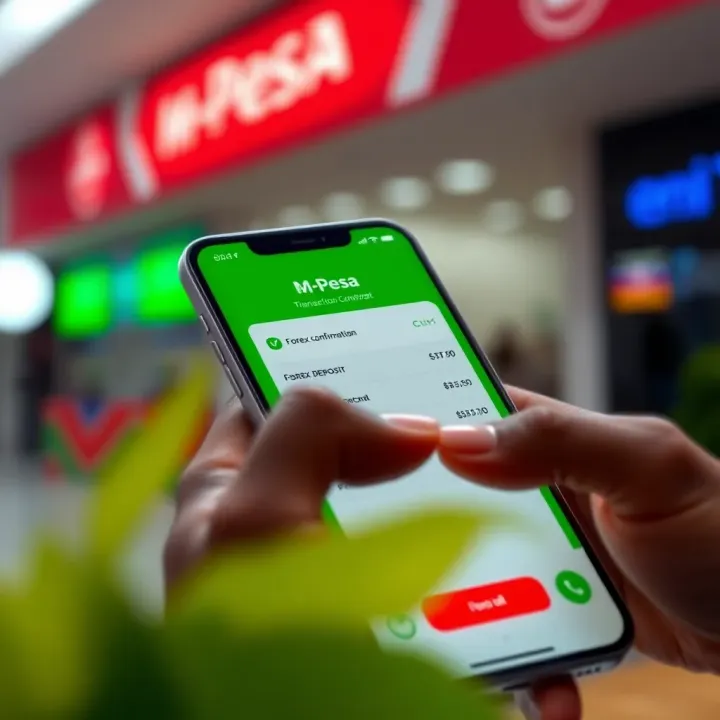
Speed: Instant transfers mean no waiting around to fund your account or cash out profits.
Accessibility: M-Pesa is available across Kenya, even in remote areas, ensuring traders everywhere can participate.
Low Cost: Transaction fees are generally lower compared to international wire transfers.
Security: With PIN protection and real-time notifications, you maintain control over your funds and can quickly spot any suspicious activity.
For example, a trader in Kisumu can deposit KSh 10,000 to a forex platform and start trading immediately, without needing to visit a bank or deal with cumbersome paperwork.
Despite the benefits, there are a few hurdles to watch out for:
Incorrect Payment Details: Sending funds to the wrong paybill or till number leads to delays or loss of money. Always double-check the broker’s details before confirming.
Transaction Limits: M-Pesa has transaction caps that can restrict large deposits. Plan accordingly or split deposits where necessary.
Unregulated Brokers: Some scammers exploit M-Pesa’s ease to trick traders. Only transact with brokers registered with the Capital Markets Authority (CMA) to avoid fraud.
To minimise issues, keep your M-Pesa PIN confidential, verify brokers’ legitimacy, and carefully follow deposit instructions from your trading platform.
Selecting a trustworthy forex broker that accepts M-Pesa payments is key to trading successfully and securely in Kenya. With so many options hanging around, you want to be sure your funds are safe and the platform is reliable. Using M-Pesa to deposit and withdraw means your broker must have a smooth integration with the service, plus transparent policies that protect Kenyan traders.
Start by checking if the broker is regulated by a recognised financial authority. A popular benchmark is oversight by the Capital Markets Authority (CMA) of Kenya or reputable global bodies like the Financial Conduct Authority (FCA) in the UK or the Cyprus Securities and Exchange Commission (CySEC). Regulated brokers follow strict rules, which reduce the risk of fraud or fund mismanagement.
Look up reviews from actual users, preferably Kenyan traders, to gauge the broker’s responsiveness and service quality. Forums and financial sites often reveal issues like withdrawal delays or hidden charges. For example, a forum report might note that Broker X promptly processes M-Pesa withdrawals within 24 hours, while Broker Y takes up to a week.
Several platforms have adapted well to Kenya’s mobile money craze by linking directly to M-Pesa. Some of the well-known ones include:
HotForex: Allows instant deposits and quick withdrawals via M-Pesa, making it convenient for those trading from Nairobi or upcountry.
FXTM (ForexTime): Trusted for its user-friendly interface and seamless M-Pesa payments.
Exness: Known for low spreads and easy M-Pesa transactions, it fits traders who want both cost efficiency and ease of payment.
Choosing a platform embedded with M-Pesa cuts down transaction time and sidesteps the usual bank delays that frustrate many.
Before signing up, dig into the broker's terms and conditions carefully. Pay attention to:
Deposit and Withdrawal Fees: Some brokers charge fees or minimum amounts for M-Pesa transactions. Know these costs upfront.
Verification Procedures: Legit brokers require ID and proof of address. This might seem tedious but protects you.
Withdrawal Limits and Timelines: Check how fast withdrawals happen and if there are caps on daily or monthly withdrawals.
Bonus and Promotion Clauses: Read the fine print on bonuses as some require high trading volumes before you can withdraw.
Always be wary if the terms seem vague or overly complicated — that's often a red flag.
Clear terms save you from nasty surprises and keep your trading experience smooth. By carefully assessing these factors, you not only safeguard your hard-earned KSh but also build confidence in your forex dealings using M-Pesa.
In short, your choice of broker affects every stage of your trading. Stick to those with strong regulation, proven M-Pesa support, and transparent terms. That way, your forex journey in Kenya can be as profitable as it is secure.
Forex trading in Kenya is not just about spotting opportunities but also about understanding the legal landscape that governs it. Ignoring the regulatory framework can lead to costly mistakes or even legal troubles. Being aware of the rules and regulations helps you trade safely, ensures your funds are protected, and lets you avoid fraudsters operating outside the law.
The Capital Markets Authority (CMA) is the main regulator overseeing forex trading and related investment products in Kenya. The authority licences and supervises brokers who operate in the market, requiring them to meet set standards on capital and business practices. When choosing a forex broker, always check whether they are CMA-regulated. For instance, brokers like IG Markets and Exness operating locally either have CMA approval or partnerships with regulated entities, which reassures traders about the security of their deposits. Without CMA oversight, your money might be at risk, and getting help if things go wrong becomes difficult.
Kenyan forex traders and brokers must comply with financial laws covering customer identification, anti-money laundering (AML), and taxation. The Kenya Revenue Authority (KRA) expects traders to declare forex earnings as part of their income tax filings. Besides, brokers operating in Kenya must follow AML guidelines, which often require traders to verify their identity using official documents via platforms like eCitizen. For example, you'll be asked to confirm your National ID and perhaps submit proof of address before you can start trading. Complying with these laws not only keeps you on the right side of the law but also improves the overall transparency and trustworthiness of forex trading.
Forex scams are a real risk in Kenya due to the growing number of new traders attracted by promises of quick money. Common scams include fake brokers who vanish after receiving deposits, manipulative signals services, and Ponzi schemes disguised as forex opportunities. To avoid falling victim, always do thorough background checks: verify if the broker is CMA-regulated, confirm contacts and physical addresses, and read reviews from reliable sources. Never trust unsolicited offers that guarantee high and risk-free returns. Also, avoid sharing your M-Pesa PIN or login details under any circumstance. The saying holds true: if it sounds too good to be true, it probably is.
Staying alert to Kenya’s regulatory environment and potential risks enables you to trade forex confidently, safeguarding your investments and avoiding legal headaches.
Understanding the legal framework around forex trading in Kenya is not just for big investors. Whether you are a beginner making your first deposits via M-Pesa or a seasoned trader, knowing how to navigate these rules helps you trade smarter and safer.
Starting forex trading with M-Pesa in Kenya brings convenience and security, especially since many traders prefer mobile money for quick transactions. Before diving into trades, setting up both your trading account and M-Pesa properly is key to avoiding delays and mishaps later. This foundation makes it easier to move funds, track your trading activities, and handle withdrawals smoothly.
Open an account with a forex broker that supports M-Pesa as a payment method. Many platforms vetted by the Capital Markets Authority allow you to register online with just your ID and proof of residence. Meanwhile, ensure your M-Pesa account is fully active—check you have a verified Safaricom line and sufficient balance to cover initial deposits and future trades. Linking your M-Pesa to your trading platform requires careful input of your paybill or till number given by the broker. For example, brokers like FXPesa or OctaFX have clear steps for integrating M-Pesa.
Transferring funds from M-Pesa to your trading account is usually straightforward. Use the Lipa Na M-Pesa option and enter the specific paybill or till number, along with your account details as the reference. Start with a smaller amount, say KSh 5,000 or KSh 10,000, especially if you’re new. This way, you can confirm the process works smoothly without risking large sums. Keep the transaction confirmation SMS, which helps if there are any hiccups.
Always separate your trading funds from regular everyday money to avoid accidental losses. Maintain a dedicated M-Pesa account or strictly monitor balances used for trading. Be cautious when depositing or withdrawing money; double-check paybill numbers and references to avoid scams or sending funds to the wrong place. Use strong passwords on your trading platform and M-Pesa, plus enable Safaricom’s security features like PIN changes and two-factor authentication. Finally, keep track of all transactions in a simple spreadsheet or notepad app for easy review.
Starting well with your M-Pesa and trading accounts helps you keep control over your money and makes the process faster and more reliable. Practise patience, verify every step, and don’t rush your first deposits.
This practical foundation prepares you for clearer trades and safer fund movements throughout your forex journey in Kenya.
Successful forex trading in Kenya using M-Pesa depends on a mix of solid knowledge, smart money management, and keeping in tune with market signals. This section breaks down essential advice that helps traders avoid common pitfalls and navigate forex markets confidently.
Reliable information forms the backbone of informed trading decisions. Before risking any cash, spend time exploring respected forex education sources. Look for materials from established bodies such as the Capital Markets Authority (CMA) Kenya and major brokers regulated within the country. Webinars from Nairobi Stock Exchange (NSE) experts or tutorials provided by platforms like AvaTrade or FXCM can provide practical insights.
For example, if you want to understand candlestick patterns or how to read currency charts, online courses or YouTube channels dedicated to African markets offer contextually relevant lessons. Avoid unverified blogs or social media tips promising quick riches—that’s often where scams hide.
Managing risk is what separates serious traders from gamblers. Begin by setting clear limits on how much of your capital you’re willing to risk per trade — typically no more than 1-2% of your total trading funds. If your trading account is KSh 10,000, risking KSh 100 to 200 per position protects your capital during losing streaks.
Use stop-loss orders routinely to close positions automatically when losses reach your set threshold. This prevents emotions from forcing you to hold losing trades too long, which can drain your wallet fast.
Diversifying your trades across different currency pairs instead of betting everything on one can also reduce risk exposure.
Currency markets respond quickly to global and local economic news. Following daily updates from sources like Business Daily, Central Bank of Kenya announcements, and international news about the US dollar or euro helps you anticipate market moves.
For instance, if the Kenyan shilling weakens due to political uncertainty or interest rate changes by the Central Bank of Kenya, the forex rates will reflect that promptly. Using economic calendars to track such events ensures your trades align with the latest market context.
Consistently applying these practical steps—learning well, managing risk wisely, and staying informed—greatly improves your chances of sustained success in forex trading with M-Pesa in Kenya.
By combining dependable learning, solid risk control, and real-time market awareness, traders earn better control over their investments and avoid common financial pitfalls. This approach maximises the benefits of M-Pesa’s convenient payments while safeguarding your KSh wallet on forex platforms.
📈 Learn how Kenyan investors can benefit from copy trading by mirroring expert traders, understanding risks, regulations, and smart strategies for success.

Explore a detailed guide on derivative trading in Kenya 🇰🇪. Learn about types, risks, strategies, and local regulations to trade smarter and safer 📈.
Explore practical crypto trading tips 🇰🇪 for Kenyans, from basics to risks & regulations, and trade confidently in Kenya’s evolving market 💹🔒
📊 Learn how binary trading works in Kenya! Get practical tips on strategies, risks, rewards & market types for safe, informed trading decisions.
Based on 6 reviews