
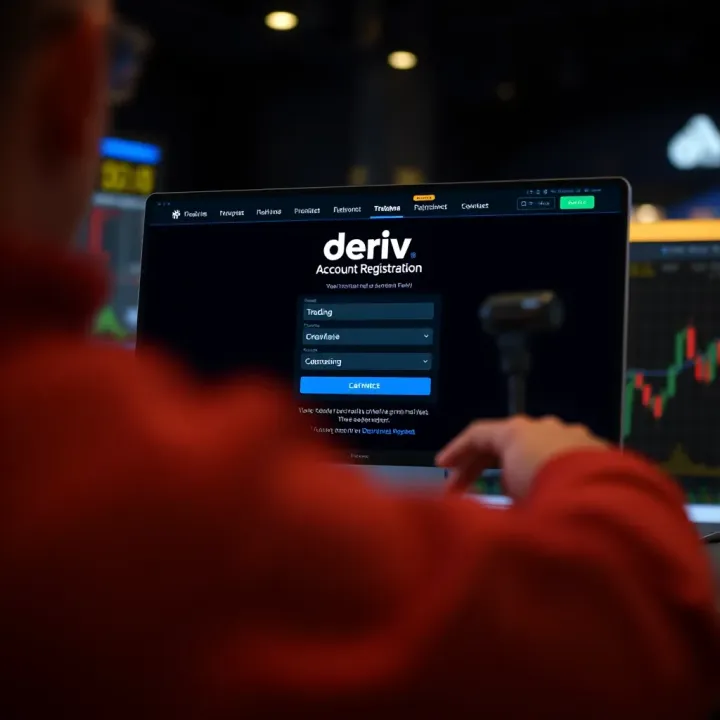
How to Sign Up and Get Started with Deriv Trading
📈 Learn how to sign up and verify your Deriv account easily! Get tips on trading basics, security, account types, and reliable support for Kenyan traders.
Edited By
Thomas Barrett
Deriv.com stands out as a reliable online trading platform, offering Kenyans access to foreign exchange, commodities, indices, and stock derivatives. Before you start trading, creating and verifying your account is key. This process makes sure you're set up safely and comply with financial regulations.
Opening an account on Deriv.com is straightforward and can be done from your mobile or computer. The website supports multiple languages, but the English version is best for Kenyan traders. To register, you'll need a valid email, phone number, and create a secure password. Remember, your email should be active since all important communications, like verification and deposit confirmations, come through there.
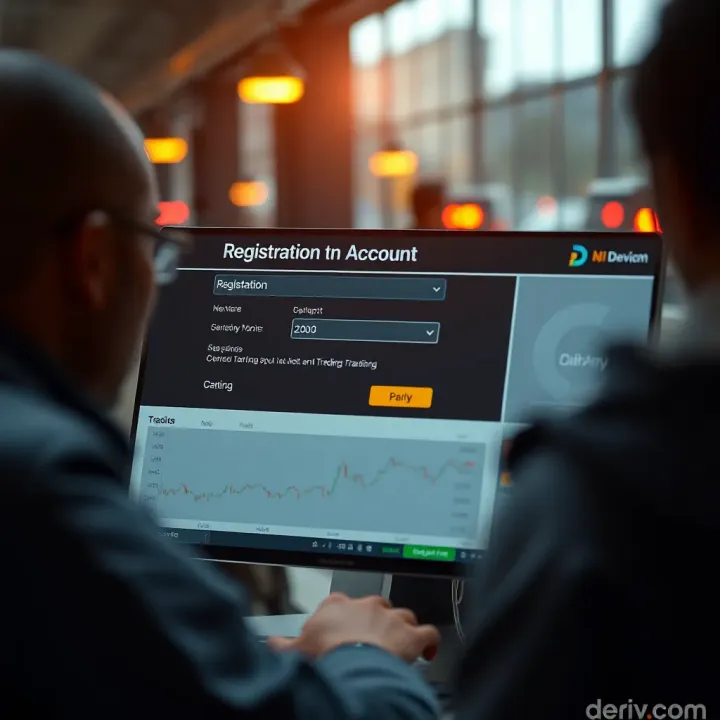
Once registered, you must verify your identity. Upload scans or photos of your national ID or Kenyan passport, plus proof of address like a utility bill or bank statement dated within three months. This step aligns with anti-money laundering rules and protects your account against fraud.
Deriv offers several account types tailored to different experience levels and trading styles. For beginners, the synthetic indices account provides a simulated market to practice without risking real money. More advanced users can opt for forex or commodity accounts, where real trading happens.
Keep your account details safe and avoid sharing your login information to protect yourself from unauthorised access.
Funding your Deriv account is simple for Kenyan users due to popular local payment options like M-Pesa. This mobile money service lets you deposit instantly, often with low or no fees, unlike bank transfers that may take longer. Always start with a small amount to test the system and understand withdrawal processes.
Navigating the platform might feel overwhelming initially, but Deriv.com has a user-friendly interface that allows easy switching between charts, markets, and account settings. Take advantage of the demo mode to familiarise yourself with tools and trading mechanics before risking actual funds.
In summary, signing up and getting started on Deriv requires clear steps: register with accurate information, verify your identity with proper documents, select the right account type, fund it conveniently using M-Pesa, and learn the platform basics. Following this approach will put you on a firm footing as you explore online trading from Kenya.
Starting with a Deriv.com account is the first step for anyone serious about trading online. It's not just a formality but a bridge to a secure trading environment where your activities are tracked and protected. A properly set up account lays the foundation for smooth deposits, withdrawals, and access to various trading tools.
Begin by visiting the official Deriv.com website. Make sure you type the address directly into your browser rather than clicking suspicious links to avoid phishing scams. From Nairobi’s busy cafes to Mombasa’s shorelines, reliable internet lets you get started quickly. Using a secure connection is especially vital when dealing with financial services.
You will be asked to provide accurate personal details such as your full name, date of birth, nationality, and contact information. For example, the platform requires a valid Kenyan phone number or email address to keep communication open. This information needs to be truthful; providing incorrect details can cause issues during verification or even lock you out of your account later.
Set a strong password combining letters, numbers, and symbols. For instance, a password like "Ks024!Trade" is harder to guess than something simple like "password123". You will also create a username, which serves as your public identifier on the platform. Keep your credentials in a safe place and avoid using the same password across multiple sites.
Before proceeding, review the platform’s terms and conditions carefully. This section details your rights and responsibilities, as well as how Deriv.com handles your data. Agreeing to these terms is a legal requirement and protects both you and the company. If something feels unclear, pause and seek clarification through their support channels.
Deriv.com requires official documents to confirm your identity and address. Commonly accepted IDs include a Kenyan national ID card, passport, or driving licence. Proof of residence might be a recent utility bill or bank statement dated within the last three months. These documents help comply with financial regulations and reduce fraud risks.
Uploading is usually straightforward via your Deriv account dashboard. You’ll need clear, readable scans or photos of your documents. For example, use your smartphone to take good-lit pictures, making sure all edges and details are visible. Poor quality images might delay approval or cause rejection.
Verification typically takes 1 to 3 working days but can vary depending on demand. Kenyan users should consider possible delays during public holidays or weekends. It’s good to complete verification early to avoid interruptions when you want to trade or withdraw funds.
Verification is more than a tick-box step; it ensures your account’s integrity and unlocks all feature access.
This process protects you by confirming that only you control the account, preventing identity theft or unauthorised access. For Deriv.com, verification allows compliance with anti-money laundering (AML) laws and Know Your Customer (KYC) rules set by Kenyan and international regulators. Without verification, your account will face restrictions such as deposit limits or disabled withdrawals.
By understanding these steps and their purposes, Kenyan traders can confidently set up an account that’s secure, verified, and ready for trading on Deriv.com.
Grasping the different account types on Deriv.com is key before starting your trading journey. Knowing the features and purposes of each account helps you avoid confusion and choose the one that matches your trading style and goals. This step is especially important for Kenyan traders who need to balance practice, risk, and the kind of assets they want to trade.
Real trading accounts allow you to trade with actual money on live markets. These accounts grant access to a variety of financial instruments such as forex, commodities, and indices. For example, a Kenyan trader who wants to invest in oil futures or the US Dollar can fund a real trading account, then buy or sell based on market movements. Real accounts demand careful management of funds and risks since real profits—and losses—are involved.
Demo accounts for practice provide a virtual environment with simulated money where you can learn trading without risking real cash. This is perfect for beginners who want to understand market mechanics, test strategies, or get comfortable with the Deriv platform. A student in Nairobi, for instance, can use the demo account to practise trading on forex pairs like EUR/USD or USD/JPY without financial exposure.
Cryptocurrency trading accounts focus on buying and selling digital currencies such as Bitcoin and Ethereum. These accounts are tailored for traders interested in the crypto market, which runs 24/7 and can be quite volatile. Kenyan users familiar with mobile money and digital transactions may find this account fitting, especially if they want exposure beyond traditional assets.
Considerations based on trading experience largely determine which account serves you best. If you are new to trading, starting with a demo account builds skills without pressure. More experienced traders might prefer a real trading account to engage with the market directly or a crypto account if that aligns with their interests. For example, a trader with a background in equities might jump straight into real trading but still keep a demo account for testing new strategies.
Deciding between leverage options is crucial for risk management. Leverage lets you control a larger position with a small amount of money, but it amplifies both gains and losses. Kenyan traders should be cautious here; those unfamiliar with leverage might start with low or no leverage until they understand market swings. For instance, a beginner trading forex should opt for leverage of 1:10 or less rather than 1:100, to avoid heavy losses.
Currency preferences and local usability also shape your account choice. Kenyan shillings may not be supported for all account types, so many users trade in USD or other popular currencies. Understanding how Deriv handles currency conversion and funding—especially via M-Pesa—is important to avoid hidden fees or delays. Also consider whether your payment methods match the account type you pick, ensuring smooth deposits and withdrawals.
Matching your trading account to your experience, preferred assets, and local financial setting makes the start on Deriv.com much smoother and more effective.
Choosing the right account is more than ticking a box—it's about knowing your limits, goals, and how you wish to engage with markets, all without unnecessary headaches or surprises.
Funding your Deriv.com account is a key step to start trading. Without depositing funds, you cannot open real positions or take advantage of trading opportunities. For Kenyan users, knowing the right payment options and processes saves time and avoids unnecessary hitches. Plus, good funding methods give you flexibility and security while managing your trading capital.
M-Pesa and mobile money options
M-Pesa is the most popular and accessible payment method for many Kenyans. It allows instant deposits directly from your mobile wallet to your Deriv account, making it fast and convenient. For example, you can use the Lipa Na M-Pesa option to move funds effortlessly without visiting a bank or using cards. This suits traders who might be on the move or prefer using mobile money services.
Besides M-Pesa, Deriv also supports other mobile money services popular in Kenya. These are handy when bank access is limited or when you want a simple, quick way to fund your trading without complicated setups.
Bank transfers
Bank transfers remain important for those handling larger trading sums or who prefer using their bank accounts. Big banks in Kenya like Equity, KCB, and Co-operative Bank facilitate direct payments to Deriv. While bank transfers can take longer than mobile money, they offer a secure trail and are well suited for planned trades with bigger capital.
Kenyan traders often combine bank transfers with M-Pesa, depending on the amount or the timing required. You should confirm with your bank about possible fees and processing times.
Credit and debit cards
Using Visa or Mastercard debit and credit cards is another straightforward way to fund your Deriv account. Many Kenyan banks issue cards that are accepted globally, including on trading platforms like Deriv. Card payments are usually instant, allowing quick market entry.
However, some banks or cards might block international or trading platform payments, so check with your bank for any restrictions or additional security steps. For example, some NCB or Absa Kenya cards may need activation for online international charges.
Step-by-step guide to depositing funds
To deposit, log in to your Deriv account and navigate to the 'Cashier' section. Select 'Deposit', then pick your preferred payment method—say M-Pesa. Enter the amount in Kenyan shillings (KSh), confirm the details, and follow prompts to complete the payment through your mobile phone or card app.
Once done, the funds usually reflect immediately in your trading account. Keep your transaction receipts until you verify that your deposit was successful.
Withdrawal procedures and timeframes
Withdrawing profits or unused funds is generally simple but depends on the payment method. If you used M-Pesa, expect the withdrawal to be processed within a few hours to a day. Bank transfers may take 2-5 working days, depending on the bank's processing times.
It’s important to verify your Deriv account fully; otherwise, withdrawals may face delays or requests for additional documents to comply with security regulations.
Avoiding common funding issues
Many traders face hiccups like incorrect account details, insufficient funds, or unverified accounts causing deposit or withdrawal delays. Always double-check your payment information before confirming transactions.
Also, avoid common pitfalls like using expired cards, transferring amounts below the minimum deposit, or ignoring platform notifications about payment rejections.
Keeping your account verified and updating payment details promptly helps reduce funding hassles and offers smoother access to trading.
By understanding the payment methods and following clear procedures, Kenyan Deriv users can focus on trading confidently without unexpected delays or losses.
Properly navigating the Deriv.com trading platform is key to making informed decisions and executing trades smoothly. Knowing where to find essential tools and how to use them helps you act swiftly on market opportunities, especially since markets can change rapidly.
The dashboard on Deriv.com is the main hub where you manage your trades and monitor your account. Here, you can quickly see your account balance, open positions, and available trading instruments. This consolidated view saves time by putting key info within easy reach, so you don’t have to jump between multiple tabs.
A well-organised dashboard helps traders focus on what matters most, reducing distractions. For example, if your open positions are running low on margin, the dashboard will highlight this, prompting you to act faster.
Charts on Deriv.com display price movements in real time and come with different time frames. You'll find candle charts, line charts, and bar charts that suit various trading styles. These visual tools are crucial for spotting trends, entry points, and exit levels.
Besides charts, the platform groups trading options by assets like Forex, commodities, synthetic indices, and cryptocurrencies. This organisation makes it easier to switch between markets and explore various instruments according to your strategy.
Deriv.com includes technical indicators like moving averages, RSI (Relative Strength Index), and Bollinger Bands, which traders use to assess price momentum and volatility. These analytical tools assist in understanding when to buy or sell.
For instance, if the RSI shows an asset is overbought, it might hint at an upcoming price correction. Using these indicators alongside charts helps sharpen your market outlook and reduce guesswork.
A demo account lets you practice trading with virtual funds before risking real money. This trial run helps you get familiar with Deriv.com’s layout, test strategies, and build confidence without pressure.
For example, by practising on the demo, you can learn how to place stop-loss orders or explore different asset classes without losing a shilling. Once comfortable, you can switch to the real account.
Risk management is vital. Never put all your capital on one trade; instead, limit exposure to a small percentage of your account, say 1–2%. This control helps you survive losing streaks without wiping out your funds.
Simple techniques like setting stop-loss limits and knowing when to exit a trade protect your investment. Keeping a trading journal to record your decisions also aids in improving your risk approach over time.
Kenyan traders should keep the local time zone and global market hours in mind. For example, Forex markets operate 24 hours but close during weekends. Knowing peak volatility times, such as when London or New York markets open, helps in timing your trades better.
Additionally, Kenyan shilling liquidity varies between trading instruments, so be aware of spreads and commissions, especially for Forex pairs involving KES. Monitoring economic news from both Kenya and major trading partners affects asset prices and informs your decisions.
Navigating Deriv.com's platform with awareness of tools and market timing significantly improves your chances of success and reduces costly errors. Starting slow, learning from the demo, and managing risks are steps every Kenyan trader should take seriously.
📈 Learn how to sign up and verify your Deriv account easily! Get tips on trading basics, security, account types, and reliable support for Kenyan traders.

📈 Ready to trade on Deriv? This guide walks Kenyan traders through signing up, verifying accounts, and avoiding common issues for smooth trading.
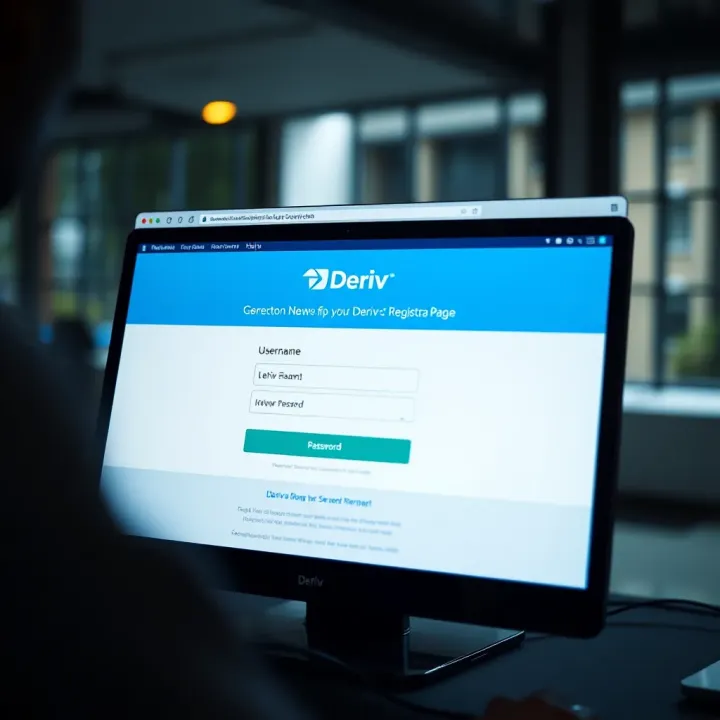
📈 Sign up on Deriv.com with ease! Learn step-by-step how Kenyan users can register, verify accounts, use M-Pesa payments, and start trading safely today.

📝 Step-by-step guide on signing up for binary trading platforms in Kenya. Learn key steps, security tips, and essential terms for a smooth registration process.
Based on 14 reviews