
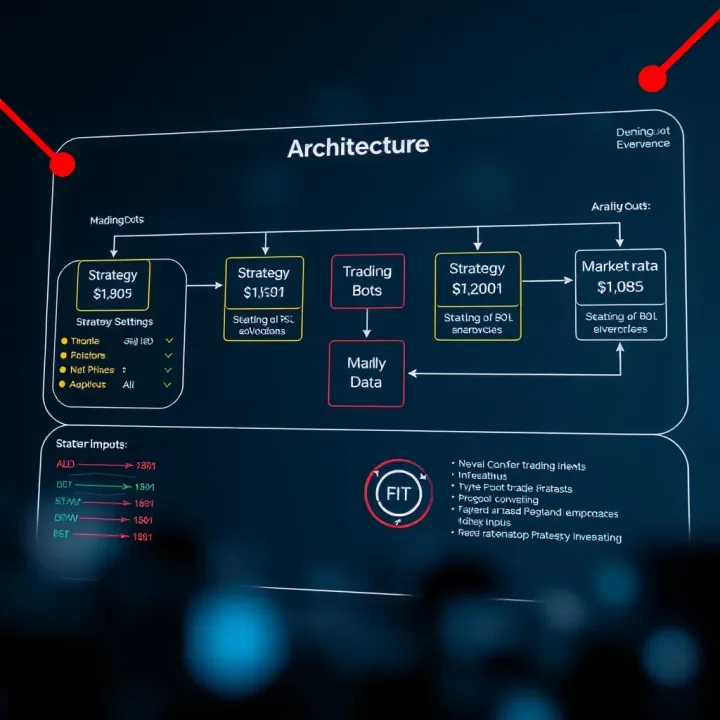
How to Use Trading Bots on Deriv.com
🤖 Explore how trading bots work on Deriv.com, their benefits, risks, setup tips, legal points, and challenges for smarter trading decisions.
Edited By
Oliver Bennett
Trading with Deriv bots has become increasingly popular, especially among traders in Kenya looking to boost their positions without staring at screens all day. But simply using a bot doesn't guarantee profits. Like any tool, their success depends on how you set them up and manage them.
This guide digs into proven ways to get the most out of Deriv bots by focusing on key aspects like choosing the right bot, understanding market trends, managing risks, and testing your strategies before going live.

Whether you're a seasoned trader aiming to streamline your process or a newcomer eager to automate trades safely, these strategies will help you avoid common pitfalls and make smarter decisions with your bots.
Smart trading isn't about luck—it's about making informed choices and disciplined management.
We'll cover concrete steps tailored for the Kenyan market and beyond, with practical tips to help you set up bots that work for your trading style rather than against it. So, before you hit that "start" button on your bot, take a moment to understand what really drives profitability here.
Understanding how Deriv bots work and where they stand in the trading process is a solid first step for anyone wanting to trade profitably. These bots aren't just fancy gadgets; they automate the decision-making and executing of trades based on preset rules. This means they can make trades faster than any human and without the emotional back-and-forth.
Imagine a trader trying to keep tabs on multiple currency pairs during a busy day. Without automation, their reaction time would lag, possibly missing profitable moments. Deriv bots fill this gap by processing market changes instantly and spotting chances that humans might overlook. For traders in Kenya and elsewhere, this can mean a steadier hand in volatile markets and better chances of consistent gains.
Deriv bots operate by following programmed algorithms that decide exactly when and how to enter or exit trades. For example, a bot might be set to buy when a certain technical indicator hits a specific level, or sell if the price dips below a stop-loss threshold. Once these rules are in place, the bot executes trades automatically, so the trader doesn’t need to be glued to the screen.
This setup helps traders avoid emotional decisions, like panic selling during dips or holding on too long. Plus, bots work 24/7, meaning missed opportunities due to fatigue or distractions are less likely.
Deriv offers a variety of bots catering to different trading styles. Common types include:
Grid bots: These place buy and sell orders at set intervals, profiting from normal price fluctuations.
Martingale bots: They double the investment after each loss, aiming to recover previous losses with one win — a risky approach needing caution.
Trend-following bots: These track market trends and open trades in the direction of the momentum.
Choosing the right bot depends on your risk appetite, available capital, and market conditions.
Deriv bots can trade a wide array of markets: from forex pairs like USD/KES to commodities such as gold or oil, as well as stock indices and cryptocurrencies. This variety allows traders to diversify their portfolios and take advantage of different market behaviors. For instance, a bot trading cryptocurrencies may exploit volatility unique to those markets, while another targets the steadier moves of forex.
One undeniable strength of trading bots is speed. Where humans take seconds or minutes to react, bots act in milliseconds. This rapid response can mean the difference between a profitable trade and a missed opportunity. Also, bots stick to their rules without emotion, maintaining consistency over time.
For example, during fast-moving news events, bots can execute pre-planned strategies immediately, whereas a human might be paralyzed by indecision.
Bots aren’t foolproof. Over-reliance on automated decisions can lead traders into traps, especially if market conditions change suddenly or if the bot’s strategy is flawed. For instance, a Martingale bot can drain your account during prolonged downswings since it doubles bets after every loss.
There’s also the issue of technical glitches—servers might go down or software bugs might cause unintended trades. Relying solely on bots without oversight is risky.
Despite their strengths, bots need human guidance. Traders should regularly review bot performance, tweak settings, and sometimes override automated decisions, especially during major economic events or unexpected market shifts.
For example, if a central bank announces a surprise interest rate change, relying solely on a bot’s preset rules could result in losses. Human judgment is crucial to pause or adjust strategies in such times.
Bots can greatly aid trading but think of them as tools—not replacements—for smart, attentive trading.
Picking the right bot strategy is more than just a technical choice — it’s the difference between steady profits and potential losses. In trading on Deriv, where markets move fast and decisions need to happen in seconds, the strategy your bot follows dictates how well you capitalize on market shifts. A bot configured without a solid plan is like setting out on a road trip without a map—you might get somewhere, but chances are it won’t be the destination you want.
Knowing your options and understanding which approach suits your goals and risk tolerance can save you from blowing your trading account. For example, a grid trading bot might fit well for someone who likes steady, small wins in sideways markets, while a trend-following bot is better for catching momentum during clear market moves. Matching strategy to market behaviour and personal style is key.
The grid trading strategy builds a web of buy and sell orders at set intervals around current prices. Think of it like fishing with a grid net: you throw out orders at different price points, hoping to catch profits as the price bounces up and down.
This approach works great in choppy markets where prices oscillate within a range without clear trends. The bot buys low and sells high repeatedly, collecting small profits that add up over time. For example, if the Deriv market for currencies is moving sideways between 1.1000 and 1.1050, a grid bot placed every 10 pips can slowly stack wins without needing big moves.
However, be mindful—if the market breaks out decisively, grid trading bots can suffer losses stacking up on one side. So it’s vital to pair this method with good stop-loss settings or exit strategies.
Martingale is a popular but controversial method where you double your bet after each loss, aiming to recover previous losses with one win. At first glance, it sounds foolproof: win once and you recover all losses plus profit.
But, as many traders know, it can rapidly drain your capital if a losing streak continues. Imagine losing five times in a row; the bet size grows exponentially and can eat a big chunk of your balance before a win arrives.
In the Deriv environment, this strategy is risky because markets can stay irrational for a long time and sudden spikes can wipe out your stack. If you use Martingale, set strict limits on how many times you double down and keep your trade sizes sensible.
Trend-following bots track market momentum, buying when prices are rising and selling when falling. The goal is simple: ride the wave rather than fight it. This strategy thrives in markets with clear, sustained price movements — like when economic news triggers a currency surge.
For example, during a rally in GBP/USD triggered by strong UK economic data, a trend-following bot keeps buying as prices climb, locking in greater profits. But it requires discipline: if the trend reverses suddenly, the bot needs exit signals to prevent big losses.
Trend strategies often incorporate moving averages or Relative Strength Index (RSI) indicators. Traders appreciate this model for its straightforward logic and ability to capture big swings.
High volatility markets are like wild roller coasters—prices jump quickly and unpredictably. In such environments, strategies that rely on tight grids or Martingale doubling can backfire.
Instead, opt for trend-following bots with conservative settings and wider stop-losses. These bots can catch strong moves while avoiding whipsaws. Also, reducing trade size helps manage risk when the market’s tossing about.
For example, during sudden interest rate announcements in Kenya shilling pairs, a volatility-adapted bot can focus on the trend rather than chasing each spike.
Stable markets offer a calmer trading field. Prices move within relatively narrow bands without sharp spikes. Grid trading shines here by exploiting the back-and-forth price movements to gather frequent small profits.
In such cases, keeping trade intervals tight and using smaller trade amounts helps bots capitalize on regular oscillations without heavy exposure.
Trading commodity pairs like gold or silver on Deriv, which can show steady sideways trends, is a classic fit for grid approaches.
No single strategy works in every market condition, and savvy traders blend approaches to stay flexible. For instance, you might use a grid bot during calm sessions and switch to a trend-following bot when volatility spikes.
Some Deriv bots support hybrid modes, combining elements of Martingale with trend filters to limit risks while still chasing recovery when losses occur.

A practical tip is to test combinations on Deriv’s demo account and observe how the bots respond under different market phases before risking real money.
Balancing your choice of bot strategy with market conditions isn’t just a technical detail—it’s the core of profitable automated trading. Choose wisely, and don’t hesitate to pivot when the market calls for it.
Setting up your Deriv bot correctly is like laying the foundation of a house – get it wrong, and the whole thing could wobble. In trading, the way you configure your bot directly impacts its ability to make consistent profits while keeping risks in check. From defining trade amounts to timing your trades, each setting influences how well your strategy performs under real market conditions.
Take, for example, a trader in Nairobi who opts for a bot with aggressive trade amounts but neglects to set proper stop-loss limits. The bot might generate a few wins early on, but once a sudden market drop hits, those losses pile up quickly, wiping out gains and capital alike. On the flip side, a well-tuned bot with sensible limits and timing can trim losses and ride profitable moves more smoothly. This section unwraps those critical setup steps, making sure you're ready to hit the ground running.
Deciding on the size of each trade isn’t just about how much money you want to throw at the market. It’s about balancing your overall bankroll with how much you're willing to risk per trade. Think of it like betting at the racetrack: betting too big on every horse can drain your wallet fast, but tiny bets may hardly move the needle on your returns.
Set your trade amounts with a clear plan. For instance, many traders recommend risking only 1-2% of your total trading capital per trade. Using Deriv bots, you can specify these amounts upfront. Additionally, setting maximum loss limits helps prevent unexpected deep dives during rough patches.
These two parameters act as your bot’s safety net and cash-out point. A stop-loss tells the bot when to cut its losses if a trade goes south, while a take-profit signals when to lock in gains once a trade reaches your target.
Imagine trading the EUR/USD pair; by setting a stop-loss at 0.5% below your entry price and take-profit at 1% above, you create a risk/reward ratio that favors winning over losing. This ensures even if you lose more frequently, your profits from successful trades can cover those losses. Not setting these levels is like driving blindfolded—you don’t know when to slam the brakes or accelerate.
Bots can crank out dozens or even hundreds of trades a day if asked. However, more trades don’t necessarily mean more profits. The timing of trades—when to enter or exit—and the frequency can make or break your strategy.
For example, during volatile news events such as Central Bank announcements, it’s often wise to dial back or pause trading to avoid erratic market behavior. Conversely, stable periods might offer safer chances for multiple small trades. Setting your bots to trade thoughtfully helps avoid overtrading, which drains commissions and increases exposure to risk.
Putting all your eggs in one basket is never a good idea in trading. Diversifying means spreading your trades across different instruments, markets, or strategies to reduce risk.
For instance, don’t just run your Deriv bot on currency pairs like GBP/USD alone. Try mixing in synthetic indices or commodities if the bot supports it. This way, a big loss in one market might be offset by gains elsewhere. Diversification cushions your portfolio against shocks and helps smooth returns over time.
Exposure refers to how much of your total capital is tied up in active trades at any moment. Keeping this in check prevents catastrophic losses.
A simple rule is to never have more than 10-15% of your capital exposed simultaneously, depending on your risk appetite. This means your Deriv bot should be configured to limit concurrent open trades or total trade volume. For example, if trading with a $1000 account, avoid having $500 tied up in live bets all at once.
Margin calls happen when your losses eat up your account balance to a level that forces the broker to shut down your trades to prevent further loss. This can be a brutal setback.
To dodge margin calls, use conservative leverage settings and make sure your bots aren’t chasing trades blindly especially with high-risk strategies like Martingale. Incorporate frequent checks or alerts that notify you when your margin level drops to a risky threshold. Proper risk controls keep your account alive longer and give your strategy a chance to bounce back from losing streaks.
Setting up your Deriv bot properly is not just about turning it on and letting it run. It’s a careful balancing act of parameters and risk controls. Getting this mix right is the difference between steady growth and wiping out your trading capital.
Testing your Deriv bot strategy is like taking it for a test drive before you hand over your hard-earned cash. It's a vital step to nip potential issues in the bud and fine-tune your approach. Optimizing your bot’s settings after a series of tests can mean the difference between a steady income and watching losses pile up. Without this phase, trading can feel like flying blind—relying too much on assumptions and hope.
When you test your strategy, you get to see how it behaves through different market moods—whether prices jump like kangaroos or move sluggishly. This process offers a hands-on chance to spot weak spots, patch leaks, and bolster strengths in your bot’s coding or setup. Plus, it helps you tailor your approach to Kenya’s unique market rhythms, factoring in regional holidays, and other local quirks that might affect price swings.
With demo accounts, you get the luxury of trading risk-free. It’s like having a sandbox where you can play, experiment, and learn the ropes without touching your real money. This lets newcomers build confidence and allows veterans to sharpen strategies before going live. Demo trading on Deriv mimics actual market conditions—including spreads and price fluctuations—so your practice feels real.
One key advantage is experiencing how your bot executes trades, handles volatility, and reacts to sudden market changes. It highlights if your chosen settings make sense or need a tweak, saving you from costly mistakes once live.
Simulated runs expose weak spots in your bot’s logic and parameter choices. For instance, if your bot keeps losing money during volatile hour blocks or repeatedly hits stop-losses, it’s a red flag that something’s off. Perhaps your take-profit targets are too ambitious or trade frequency too high.
Tracking these patterns closely in the demo environment helps you pinpoint exactly where your strategy falters. It’s better to catch these flaws early rather than draining your wallet in real trades. Keeping a journal while testing bot runs can reveal recurring pitfalls and opportunities.
Once you spot trouble areas, the next step is dialing in your bot’s settings accordingly. Maybe you reduce trade size, widen stop-loss limits, or change timing intervals. Adjustments should be data-driven—based on your test logs and observable outcomes rather than gut feelings.
For example, if the bot flounders during rapid price swings early in the day, you might program it to trade fewer contracts then or pause entirely. Or if the bot hangs around too long without profit, shortening trade duration could be better.
Iterative tweaking and re-testing is how you refine your strategy into a reliable money-maker. Never settle after just one trial run.
This metric shows the proportion of profitable trades versus losing ones. A high win rate doesn’t guarantee big profits but indicates consistent strategy performance. For Deriv bots, aiming for a win/loss ratio above 60% is generally reasonable.
Monitoring this helps decide if you need a different strategy or adjustments. Sudden dips might point to shifting market conditions or bugs in your code.
ROI is king when assessing bot effectiveness. It boils down to how much money your strategy actually makes compared to what you put in. Even a slight positive ROI, compounded over time, can beat manual trading efforts.
Regularly calculating ROI from bot activity guides you on whether to scale up investments or reconsider the whole approach. A bot with strong ROI in Kenya’s forex or indices markets can become a steady income stream.
Drawdown measures the decline from peak capital before new gains. Staying mindful of max drawdown limits protects you from wiping out your account unexpectedly.
Alongside, watching market volatility during your bot’s active hours tells you if bigger losses or gains are to be expected. A bot performing well in low volatility may crash amid sudden price swings.
By keeping a close eye on drawdowns and volatility, you safeguard your capital and adjust bot behavior to weather market storms.
Remember, testing and tweaking your Deriv bot isn’t just a one-time task. It’s an ongoing commitment that keeps your trading sharp and profitable in Kenya's ever-changing markets.
Using Deriv bots can boost your trading efficiency, but slipping into common errors can chip away at your potential profits. Understanding these pitfalls is crucial not just for keeping losses at bay but for building a solid, reliable trading routine. Many traders get carried away, especially when venturing into automated strategies, forgetting that bots work best when paired with smart oversight. Avoiding these mistakes saves you from unnecessary losses and frustration, allowing you to harness your bot’s full potential.
Why Martingale can be risky
Martingale is a popular betting tactic where you double your trade size after a loss, hoping the next win covers all prior losses plus a profit. Sounds tempting, doesn’t it? But the reality is harsher. This approach can quickly drain your trading account if you hit a losing streak. The deeper your Martingale ladder, the bigger the trades, which means your risk exposure balloons faster than many realize. For instance, starting with $1 and doubling after every loss means by the eighth loss, you’re risking $128 on a single trade to just break even. Not every trader can stomach that level of risk—or afford the margin.
Signs to avoid escalating losses
Keep a sharp eye on your losing streaks. If you've had more than three losses in a row, it’s a red flag to pause and re-evaluate. Also, watch your available margin closely—if it dips below a comfortable level, that’s a sign to rein in Martingale bets. Avoid getting locked in a cycle where you feel forced to double up because you might run out of funds before recovery. One practical tip: set a maximum limit for doubling trades and stick to it no matter what. This simple rule prevents runaway losses and forces you to drop the Martingale method when it's no longer sensible.
How external factors affect bot performance
Bots aren't mind readers, and they don’t digest the news the way humans do. Sudden economic announcements, regional instability, or even unexpected data releases can send markets into chaos, where bot strategies designed for stable conditions fail miserably. For example, a currency pair like USD/KES might suddenly spike because of monetary policy changes in Kenya, making your bot’s grid trading ineffective. Ignoring these factors is like driving blind—your bot can churn out trades but with less chance of success or, worse, with mounting losses.
Incorporating manual checks
To keep bots effective, manual oversight is a must. Start by checking the economic calendar daily—know when key events and news are scheduled. Pausing your bot during volatile times or adjusting your strategy parameters can help dodge costly mistakes. For instance, if a major Central Bank meeting is about to happen, it’s wiser to halt automated trades temporarily. Also, take some time at day's end to review bot performance in light of any news to tune it for future runs. Manual checks keep your trading sharp and responsive instead of just reactive.
Remember: Bots are tools, not crystal balls. Pairing automation with informed manual oversight creates the best environment for profitable trading without unnecessary risk.
Keeping your Deriv trading bot in top shape isn’t a one-time deal. Markets evolve, technical glitches show up, and your bot’s performance can waver over time. Regular maintenance and timely updates are key to making sure your bot keeps churning out profits, or at the very least, doesn’t bleed your capital dry. Without upkeep, you risk running a bot that’s outdated or misaligned with current market realities, which can spell trouble.
Don’t just set your bot on autopilot and forget it. Creating a regular schedule to review your bot's output—whether that’s weekly, bi-weekly, or monthly depending on how active your trading is—helps catch issues early. Think of it like stopping by the garage for a tune-up instead of waiting for something to break down. A review typically involves checking metrics like win/loss ratios, average returns, and identifying any unusual behavior. For instance, if a bot that consistently made 5% monthly suddenly drops to 1%, that’s a red flag that you shouldn’t ignore.
Markets, especially in Kenya and globally, can swing from calm to chaotic in a heartbeat. A bot optimized for low volatility won’t handle high-volatility phases well, and guessing ‘it’ll fix itself’ usually ends badly. Adjustments could mean tweaking trade volumes, tightening stop-losses, or switching the trading strategy entirely. For example, if your bot was running a grid strategy during a stable period, switching to a trend-following approach might better suit an upcoming volatile market. Staying ahead means frequently scanning market indicators and news to update your bot's settings—sometimes even pulling the plug manually when the conditions turn sour.
Deriv frequently updates its platform, adding new features, tightening security, or modifying APIs. Running an outdated bot can cause errors, missed trades, or worse, losing access to your account temporarily. Check compatibility whenever new platform updates roll out. For example, if you use a third-party bot that hasn’t been updated to support API changes on Deriv, it might stop functioning properly. Keeping software current means smoother operation and reduced downtime.
Developers often add improvements like better data feeds, enhanced analytics, or customizable order types. These aren’t just shiny add-ons—they can provide a real edge if you know how to use them. Say Deriv introduces advanced stop-loss orders that automatically adjust based on volatility; upgrading your bot to use this could protect your profits better than static limits. Regularly exploring new tools, plugins, or capabilities helps you stay competitive and possibly boost your returns with less effort.
Remember, even the best bots need a little TLC from time to time. Keeping your trading bot updated and tuned is like keeping your car roadworthy—it’s the difference between a smooth ride and a rough, expensive trip.
By committing to routine performance checks and staying on top of software upgrades, you ensure your Deriv bot stays aligned with your trading goals and the market environment. This ongoing attention closes the gap between theoretical profits and real-world results.
Trading bots can bring efficiency and automation to your Deriv trading, but it's crucial to keep legal and ethical matters in check. Without these considerations, even the smartest bot strategy can backfire — causing compliance headaches or worse, putting your trading account at risk. It’s about playing within the rules while making smart, responsible choices.
One reason legal and ethical awareness matters is that Deriv, like other platforms, sets specific terms for automated trading. Abiding by these rules helps you avoid penalties or account suspension. Plus, ethical trading promotes fairness in the market, which benefits all traders in the long run.
Deriv permits automated trading, but they have clear guidelines. Bots must operate within the framework of the platform’s terms, which means no unauthorized software or hacks. The practical takeaway? Always use bots approved or compatible with Deriv’s system to avoid losing access to your account. For example, if a bot tries to exploit a loophole or overloads the system with too many trades too fast, Deriv may step in and block these activities.
Understanding and following these policies protect your investments. It also helps you build strategies that align with real market conditions rather than artificial exploits.
Certain practices like manipulating the market or using bots to place illegal order types are strictly forbidden. These can cause sharp losses or damage your reputation, not just on Deriv but in wider trading communities.
To avoid these pitfalls:
Use bots that follow standard order timings and sizes.
Avoid excessive order cancellations or spoofing tactics.
Do not program bots to place trades based on inside information.
By steering clear of banned behaviors, you maintain a clean record and reduce the risk of unexpected shutdowns or legal trouble.
No bot or trader wins every trade, and setting sky-high profit goals can lead to taking outsized risks. Instead, set achievable targets based on your capital, risk tolerance, and market conditions. For instance, aiming for a steady 1-2% monthly return using a conservative bot setup is often more sustainable than chasing quick wins.
This approach helps prevent emotional decisions or chasing losses, which often derail bot strategies. Sporting reasonable goals keeps your trading grounded and improves long-term outcomes.
Every trading bot comes with inherent risks — from market volatility to software glitches. Be clear about your stop-loss limits and maximum exposure. Don’t bet more than you can afford to lose, even if the bot’s track record looks promising.
A common mistake is ramping up trade size after losses hoping to catch up, a tactic that can quickly blow the account. Instead, use risk management rules like capital diversification and strict stop losses to control damage.
Remember, the goal isn’t just profitable trades but consistent, controlled growth that preserves your capital.
In short, respecting legal boundaries and maintaining responsible habits create a safer trading environment. It allows your Deriv bot to perform as intended without surprises down the line, making for a more productive and ethical trading experience.
Having reliable resources is a game changer when working with Deriv bots. The world of automated trading can be complex, and without the right tools and community support, it's easy to miss out on opportunities or make costly mistakes. For traders in Kenya and elsewhere, tapping into expert knowledge, educational content, and analytical tools sharpens your approach and boosts your confidence.
One of the quickest ways to get up to speed with Deriv bots is by connecting with seasoned traders. Online forums and trading communities dedicated to Deriv users offer a treasure trove of insights. Think of places similar to the Deriv community forum, Reddit's r/ForexBots, or Facebook's Deriv traders group. These platforms let you pick the brains of those who’ve already navigated the pitfalls and successes.
The practical benefit? Instead of guessing if a strategy will hold water, you can gauge real-world feedback. More importantly, experts often share warnings about bot updates, new market conditions, or platform changes—information that isn’t always obvious from the official sources.
Trading forums are also a hub for sharing actual strategies and results. Members post screenshots of their trade histories, discuss tweaks, and reveal what worked or flopped. For instance, a Kenyan trader might share how adjusting Martingale parameters helped them avoid margin calls during volatile sessions.
This exchange encourages transparency and peer learning. You get to test drive strategies that have been battle-tested by others and adapt them to Kenya’s unique market environment, where factors like trading hours or currency fluctuations can vary.
Solid educational materials give the foundation every trader needs. Courses on platforms such as Udemy or Coursera offer structured learning on algorithmic trading basics and advanced bot tuning. Guides from websites focused on Deriv platforms can walk you through specific features, helping you avoid beginner traps.
Taking a course that explains not just the 'how' but also the 'why' behind bot settings empowers you to tailor your robots effectively. That means less trial-and-error and more informed decisions right from the start.
Good tools let you make sense of market conditions and predict better entry and exit points for your bots. Indicators, sentiment analysis apps, and charting tools like TradingView present data visually, which is invaluable when adjusting bot parameters.
Imagine using a real-time volatility index to decide whether to switch your bot to a safer grid strategy or experiment with a trend-following model. It’s these tools that bring clarity and precision to your automated trading.
Being well-armed with the right resources transforms your Deriv bot trading from a shot in the dark into a calculated drive towards profit. Don't just set and forget—stay engaged, learn, and adapt with the community and tools around you.
🤖 Explore how trading bots work on Deriv.com, their benefits, risks, setup tips, legal points, and challenges for smarter trading decisions.

Learn how to navigate the Deriv app login process in Kenya 🇰🇪, solve common issues, set up your account securely 🔒, and access key features easily.

📊 Learn how to log in and use Deriv demo account easily! A practical guide for Nairobi traders to practice risk-free trading before going live. 🔑💼

Learn how to use trading bots on Binary.com for smarter trades in Kenya 🇰🇪. Discover setup tips, benefits, and risks to boost your trading results! 🤖📈
Based on 14 reviews