

How to Sign In to Deriv: A Simple Guide for Kenyans
📈 Learn how to sign in to Deriv easily, fix login issues, secure your account, and explore key platform features tailored for Kenyan traders.
Edited By
Clara Mitchell
With PayPal widely used by Kenyans for receiving payments—especially from freelancing, online sales, and investments—knowing how to withdraw funds from PayPal is vital. Unlike in some countries where PayPal links directly to local bank accounts, Kenyan users face a few unique steps and restrictions for withdrawing money.
Since PayPal does not support direct withdrawals to Kenyan banks, you’ll usually rely on intermediary methods like linking your PayPal to a US or UK bank account or using specialist withdrawal services. Many turn to M-Pesa for its convenience once the money is in a bank account or via third-party platforms that convert PayPal balances into mobile money.
Understanding these withdrawal routes and their related fees and limits is essential for smooth transactions, especially for traders, investors, and finance professionals who regularly handle cross-border payments.
This article breaks down the practical ways to withdraw PayPal funds in Kenya, highlights common challenges such as currency conversions and regulations from Central Bank of Kenya (CBK), and offers tips to keep your funds safe and accessible. We’ll also discuss how fees can affect your bottom line and how to choose the best withdrawal method based on your needs.
Whether you’re withdrawing small sums from freelance work or larger amounts from investment proceeds, following the right steps can save time and avoid unnecessary charges. Keep reading for a straightforward guide that fits Kenya’s financial landscape.
Withdrawing money from your PayPal account in Kenya requires understanding the available options and their practical implications. Each method comes with its own benefits and considerations, especially when dealing with currency conversion, transfer fees, and local banking regulations. Knowing these options helps traders, investors, and finance professionals choose the best way to access their funds efficiently and securely.
One common way to withdraw PayPal funds is by linking your PayPal account directly to a Kenyan commercial bank account. Currently, PayPal does not support direct withdrawals to most Kenyan banks, so this method usually involves linking to an international bank account that has a Kenyan connection or using banks that offer multi-currency accounts, like some branches of Standard Chartered or Barclays (now Absa Kenya). For example, a trader who operates with foreign clients might use an Absa multi-currency account to receive PayPal transfers before converting funds to KSh.
This option reduces dependence on third-party money transfer services and can limit transfer delays. However, it may attract foreign currency conversion fees and bank charges. When using this method, ensure your bank accepts international transfers and that your account details are accurately registered in your PayPal settings.
Since PayPal does not allow direct withdrawal to mobile money wallets like M-Pesa, Kenyans rely on intermediary platforms that connect PayPal to M-Pesa. Services such as PayPal2MPesa or PesaPal act as facilitators to transfer funds from PayPal to a local M-Pesa number.
This method is popular for freelancers and small investors who prefer having their money on mobile wallets for everyday transactions. Still, users should be mindful of additional transfer fees introduced by these intermediaries, which can sometimes be around 5-7% of the transaction.
While convenient, always use reputable intermediaries to avoid scams or delays. Cross-check user reviews and ensure the platform is reliable before initiating large withdrawals.
Another widely used method is withdrawing PayPal funds to a verified international bank account. Many Kenyan traders and investors with accounts in the US or UK can send money directly to those banks, from where they sometimes use services like TransferWise (now Wise) or WorldRemit to move funds cheaply back to Kenya.
This approach is suitable for high-value transactions and can be cost-effective if you compare the fees and exchange rates carefully. For example, a Nairobi-based stockbroker who trades on US platforms might withdraw earnings to a US bank account and then transfer KSh to Kenya through Wise at better rates than PayPal’s own conversion.
Security and compliance are key considerations here. The bank account must be under your name and fully verified with PayPal to avoid withdrawal rejections. Plus, it is wise to understand the tax implications of cross-border transfers following Kenyan Revenue Authority (KRA) regulations.
Understanding these withdrawal methods helps Kenyan finance professionals navigate PayPal’s limitations locally. It ensures safer, cost-effective access to funds with minimal delays — crucial for timely investments and business operations.
Withdrawing money from PayPal in Kenya involves several clear steps that ensure your funds reach you safely and securely. This guide is essential because PayPal's global system doesn’t directly link to Kenyan banks, requiring some preparation and knowing the right procedures. Understanding this process saves time and avoids common pitfalls like delays or failed transfers.
Before you request a withdrawal, verify that your PayPal account is fully set up for receiving and sending funds. This means confirming your email address and linking at least one verified bank account or card. In Kenya, since direct withdrawal to local banks isn't always supported, users often link an international bank account or use intermediary services. Ensure your account has no unresolved disputes or holds, as these can block withdrawals.
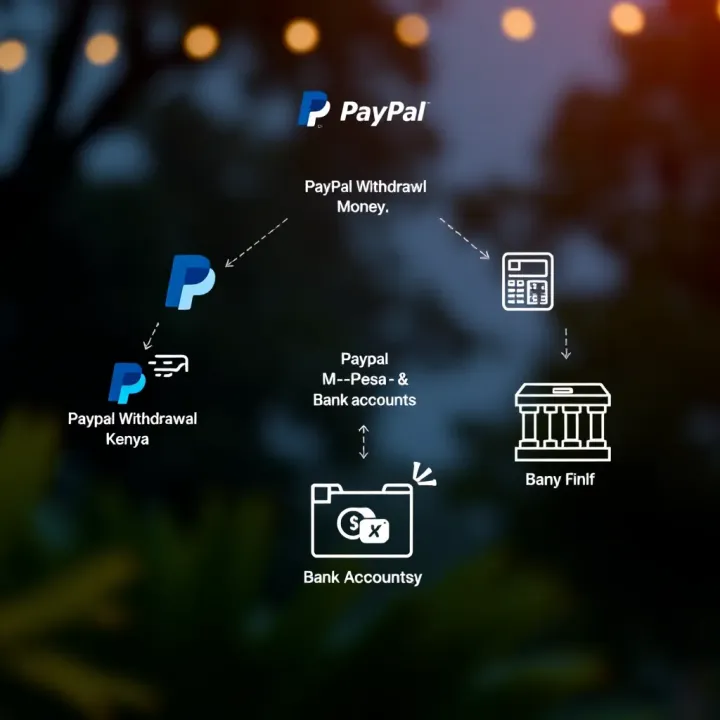
Check that your PayPal balance is available in a withdrawable currency—typically USD or EUR. If you operate in Kenyan Shillings (KES), PayPal will convert currencies, incurring fees. For example, if your balance comes from freelance work paid in dollars, it's ready for withdrawal; but if you receive payments in other currencies, ensure conversion is complete.
Once your account is ready, log into PayPal and access the 'Withdraw' or 'Transfer Money' section. Select your withdrawal method—for Kenya, this usually means choosing an international bank account or using a linked service that facilitates M-Pesa transfers.
Follow these steps:
Enter the amount you want to withdraw. Keep in mind the minimum withdrawal set by PayPal, often around $10.
Confirm the destination account details, ensuring accuracy to avoid rejections.
Review any fees or exchange rates presented.
Submit your withdrawal request.
For instance, if you have a US dollar bank account linked through a Kenyan correspondent bank, you can transfer amounts directly, then withdraw locally in Kenya. Alternatively, services like WorldRemit or TransferWise, in conjunction with PayPal, offer M-Pesa payouts. You'd initiate withdrawal through those platforms.
After requesting withdrawal, the processing time varies. Direct international bank transfers might take 3 to 5 business days depending on interbank clearing and weekends. Intermediary services that convert PayPal funds to M-Pesa often take a shorter time, sometimes under 24 hours, but depend on the service's reliability.
Be aware of possible delays caused by exchange rate fluctuations, security checks, or compliance with Kenyan financial regulations. For example, large withdrawals may trigger additional verification, necessitating you provide identification or proof of the source of funds, in line with Central Bank of Kenya (CBK) rules.
Always keep track of your withdrawal by checking PayPal’s transaction history and your receiving account. If there are delays beyond expected times, contacting PayPal customer support or your intermediary is advisable.
Understanding these steps and timelines enables you to plan your finances better, reducing uncertainty when moving money from PayPal to your Kenyan wallet or bank. This knowledge benefits traders, investors, and finance professionals who need reliable access to their funds.
Understanding the fees and limits on PayPal withdrawals is vital for Kenyan users to manage their funds effectively and avoid surprises. These costs influence how much money you finally get after withdrawing, especially when dealing with currency conversion and transfer charges. Awareness of limits helps you plan larger transactions or frequent transfers without unnecessary delays or rejections.
PayPal charges fees on transactions, which vary depending on the withdrawal method and currencies involved. In Kenya, a common situation is withdrawing from a PayPal balance held in US dollars or euros to Kenyan Shillings (KSh). PayPal applies a currency conversion fee on top of the standard exchange rate, typically around 3-4% of the transaction amount. For example, withdrawing $200 to your linked Kenyan bank could incur a conversion charge of about KSh 700 to KSh 900 depending on the exchange rate of the day.
Additionally, PayPal may deduct a fixed fee depending on the withdrawal method. While withdrawing to an international bank account might attract a flat fee (often around $5), using intermediary services for M-Pesa transfers could involve both PayPal fees and commission charges by the service provider.
It's important to note that PayPal fees can fluctuate with policy updates or regional regulations. To keep track, always check the fee breakdown in your PayPal account before confirming a withdrawal.
PayPal enforces withdrawal limits that Kenyan users must observe. These limits depend on account verification status and linked withdrawal methods. Unverified accounts tend to have lower daily or monthly withdrawal caps. For instance, a verified account might permit withdrawals up to $10,000 per month, while unverified accounts may be restricted to significantly lower figures.
Moreover, regional restrictions affect available withdrawal options. Since PayPal does not operate fully within Kenya as a domestic payment system, direct withdrawals to Kenyan bank accounts are limited and sometimes unavailable, pushing users towards intermediary services. These third-party services often have their own withdrawal limits, minimum amounts, and processing times.
Keeping these considerations in mind helps avoid failed transactions or frozen funds. If planning large withdrawals regularly, it’s wise to verify your account fully and confirm the policies of any intermediate service you intend to use.
Tip: Always review both PayPal’s official fee and limit schedule and the terms of your bank or mobile money provider to anticipate total costs and restrictions effectively.
Being well-informed about PayPal’s fees and limits safeguards your earnings and ensures smooth, timely access to funds in Kenya’s payment ecosystem.
Withdrawals from PayPal can get tricky for Kenyan users due to several challenges commonly faced in the process. Knowing these issues and how to handle them saves time and avoids frustration. This section highlights three significant problems that traders, investors, and finance professionals in Kenya often encounter when withdrawing funds, along with practical tips for solving each.
Withdrawals might get delayed or rejected for various reasons, such as payout limits, account inactivity, or mismatched bank details. For instance, if your linked bank account information differs from the one PayPal has on file, the withdrawal may be declined without much warning. Also, Kenyan PayPal users sometimes hit daily or monthly withdrawal ceilings, especially if their account verification is incomplete.
To reduce delays, regularly update your bank details through the PayPal dashboard and ensure full account verification by submitting all requested documents. Keep withdrawal amounts within allowed limits, or split large sums into several smaller transactions. If a withdrawal is rejected, check your email for PayPal's explanation, then take the corrective steps, such as verifying identity or updating account info before trying again.
Incomplete or rejected verification is a common roadblock. PayPal requires users to verify their identity through documents like KSh ID, passport, or business registration papers. Kenyan users may face problems because of unclear scans, expired documents, or mismatched details.
To avoid this, upload high-quality, clear scans and ensure all personal information matches exactly what’s on your official documents and bank accounts. Be patient during verification—it can take several days. If problems persist, contact PayPal customer support with specific identification proofs ready. For business accounts, having proper registration documents can smoothen the process considerably.
Since PayPal transactions often involve USD or other foreign currencies, Kenyan shillings conversions attract fees and sometimes poor exchange rates, reducing the amount you eventually receive. Frequent small withdrawals mean you lose more over time due to multiple conversion charges.
Plan withdrawals strategically by waiting until you have a reasonable sum that justifies the cost of conversion. Compare PayPal’s exchange rates with other services like local banks or money transfer apps to decide the best withdrawal method. Some intermediary services that convert PayPal funds directly to M-Pesa might offer better rates and lower fees, which helps retain more of your money.
Understanding and tackling these common PayPal withdrawal issues can save you significant headaches and costs. Regular account checks, mindful withdrawal practices, and prompt document submissions ensure smoother transactions.
Taking the time to fix withdrawal problems not only speeds up your access to funds but also builds trust with PayPal, which is essential for finance professionals handling regular transactions between Kenya and international markets.
Managing PayPal withdrawals well can save you time, money, and stress. Kenyan users often face challenges like fluctuating exchange rates, unexpected fees, or delays. By following the right practices, you ensure your money reaches you safely, and you stay on the right side of regulations. For traders and investors who depend on timely cash flow, these best practices can significantly improve your financial management.
Picking the right way to withdraw depends largely on what you plan to do with the money and how fast you need it. Linking PayPal to a Kenyan bank account offers direct transfers but may take a few days and incur bank charges. Alternatively, some Kenyan users prefer transferring via intermediary services to M-Pesa. This method is faster but can involve higher fees and requires dealing with trusted providers to avoid scams.
For example, if you are a small business owner needing quick access to funds for daily operations, transferring to M-Pesa might be your best bet despite slightly higher costs. On the other hand, long-term investors withdrawing large amounts might prefer bank transfers to save on fees.
Fees can eat into your earnings if you overlook them. PayPal charges currency conversion fees, and both Kenyan banks and intermediary services may add their own charges. Monitoring these fees closely helps you pick the most cost-effective option.
Since PayPal typically converts USD to KES internally at a certain rate, comparing this rate with the prevailing market rate reported by the Central Bank of Kenya gives you an idea of potential losses. For instance, if PayPal’s conversion rate is KS08 to $1 while the CBK rate is KS10, that difference adds up for large withdrawals.
A practical tip: schedule withdrawals when exchange rates are favourable, especially if you handle big sums. Applications and websites that track CBK rates in real-time can help you decide when to move your money.
Kenya Revenue Authority (KRA) requires individuals and businesses to report foreign income, including PayPal earnings. Ignoring this can lead to penalties or audits. If you use PayPal regularly for business, keep detailed transaction records and receipts.
Also, be aware of regulations on cross-border transactions. The Central Bank of Kenya oversees foreign exchange controls, and limits may apply depending on your withdrawal volume. Consulting with a qualified accountant familiar with Kenyan tax law ensures you declare your income properly and avoid surprises later.
Following these best practices will not only protect your earnings but also give you peace of mind as you navigate PayPal withdrawals within Kenya's financial landscape.
In summary, understanding your withdrawal options, watching the costs, and staying compliant will put you ahead. Whether you are a financial analyst, investor, or broker, these considerations make your money management sharper and less risky.
📈 Learn how to sign in to Deriv easily, fix login issues, secure your account, and explore key platform features tailored for Kenyan traders.

📱 Discover how to choose the best trading app in Kenya! Learn key features, security tips, and regulations to trade confidently on your mobile device.

Looking for the best trading platform in Kenya? Discover tips on security, fees, and features to find a reliable, user-friendly platform that fits your needs 📈💼
📈 Dive into Deriv trading with this clear guide for Kenyan traders. Learn platforms, trade types, strategies, risks, and regulatory tips for smart decisions.
Based on 9 reviews