

How to Use TradingView for Binary Options in Kenya
📈 Master binary options in Kenya with TradingView! Learn technical analysis, chart setups, indicators, and smart risk management for better trades.
Edited By
Charlotte Davies
Integrating TradingView into binary options trading platforms can improve charting tools and provide real-time data visibility for traders. Many brokers and analysts value TradingView's user-friendly interface and rich technical indicators. It adds depth to binary options trading by enhancing decision-making based on detailed market analysis.
TradingView offers interactive charts and customisable widgets that can be embedded directly into trading platforms, giving users smoother access to price trends and patterns.

When implementing TradingView, the first step is understanding the relevant widgets. Typical choices include the Advanced Chart, Symbol Overview, and Market Overview widgets. These components support various chart types, technical analysis tools, and live updates, suited for the fast pace of binary options markets.
Handling data feeds properly is key. TradingView relies on real-time data streams which should be integrated seamlessly to avoid delays or inaccuracies that can affect trade outcomes. Platforms often combine their data sources with TradingView's API to maintain consistent feed quality.
Compliance must not be overlooked. Binary options trading platforms in Kenya operate under strict regulations from the Capital Markets Authority (CMA) and other bodies. Ensuring that TradingView integration respects data privacy and market conduct rules will avoid penalties and preserve user trust.
Common challenges include managing widget responsiveness across devices and syncing data feeds without overloading server capacity. Optimising server requests and using TradingView’s lightweight libraries helps balance performance and responsiveness.
In summary, adopting TradingView tools within binary options platforms demands careful setup of widgets, reliable data connections, and attention to regulatory requirements. Doing this well can enhance the user experience and support more informed trading decisions.
TradingView plays a significant role in modern binary options trading by providing traders with powerful, accessible tools to analyze market data in real time. For platforms aiming to attract and retain active traders, understanding what TradingView brings to the table is vital. It not only enhances decision-making but also helps platforms stand out by offering reliable, user-friendly charting and technical analysis features.
Advanced charting tools: TradingView is known for its sophisticated charting capabilities that make visualising price movements intuitive. Unlike basic price charts, it offers multiple chart types such as candlestick, Renko, and Heikin Ashi, which are useful for spotting different trading patterns. For example, a trader looking at the Nairobi Securities Exchange (NSE) might switch between candlestick and line charts to better understand trend reversals or consolidation phases.
These tools also allow users to zoom in on specific time frames, compare multiple assets side-by-side, and overlay different time intervals, which is essential for binary options where entry timing has a crucial impact.
Customisable indicators and scripts: One standout feature is the ability for traders to tailor indicators and create custom scripts using Pine Script, TradingView’s programming language. This customization offers flexibility not typically found on standard binary options platforms. For instance, a trader focusing on EUR/USD binary options can implement moving averages or RSI indicators adapted to their strategy, or even program alerts for specific market conditions.
Custom scripts also help traders automate parts of their technical analysis without needing to switch platforms frequently. This saves time and helps keep trade decisions sharper and grounded on personal strategies.
Real-time data access: Access to up-to-the-second market data is a must in binary options trading because prices can move quickly. TradingView aggregates data from many global exchanges and provides live feeds that refresh almost instantly. This means traders can react promptly to market signals without delay.
For Kenyan traders following foreign currencies or global stocks, real-time data ensures they don’t miss crucial price shifts. Delayed or stale data could lead to poor trade timing, increasing the risk of losses especially in a market as fast as binary options.
Enhances trader decision-making: By offering rich charting and live data, TradingView supports informed trading decisions. With better visual tools and indicators, traders are less likely to rely on guesswork or hearsay. They can apply technical analysis principles right within the platform, improving their chances of success.
Imagine a trader in Mombasa who wants to trade options on oil prices. With TradingView integrated, they can track price momentum and volume changes live, making timely calls without needing to jump between apps.
Improves platform attractiveness: Incorporating TradingView into a binary options platform raises its profile. The familiarity and sophistication of TradingView graphics attract more experienced traders who might otherwise avoid platforms with basic or clunky interfaces.
Beyond aesthetics, the usability of TradingView means platforms enjoy lower churn rates because traders feel more confident and engaged. This can directly impact revenue by attracting higher trading volumes.
Supports technical analysis requirements: Binary options depend heavily on short-term market trends and patterns. TradingView fully supports these needs by offering tools tailored to technical analysis — the backbone of most binary options strategies.
For brokers or platform developers, this means fewer headaches setting up comprehensive charting internally. TradingView already provides a wealth of indicators, drawing tools, and scripting options, reducing development time and costs while offering reliable, up-to-date analysis capabilities.
Integrating TradingView equips binary options platforms with the technical edge necessary to meet traders’ expectations in today’s fast-paced financial markets.
In short, TradingView serves as a robust foundation for platforms aiming to provide strong trading experiences grounded in reliable data and powerful visualisation tools.
Integrating TradingView into a binary options platform demands careful planning to ensure traders benefit from accurate, real-time data alongside smooth charting tools. Getting the key steps right means reducing technical glitches and giving users a trading experience that inspires confidence and precision. Platforms that implement TradingView properly can expect improved decision-making support, driving better trading outcomes and higher user retention.
Charting library options offer a variety of tools tailored for different levels of customisation. For example, the TradingView Charting Library provides full control over technical analysis features. This suits platforms aiming for deep integration with custom indicators and scripted strategies. Alternatively, widgets are simpler and quicker to embed but come with limited configuration. Deciding between the two depends on your development capacity and the specific needs of your binary options community.

Widget customisation capabilities allow platforms to adapt charts to match their brand identity and user preferences. Customisable aspects include colour schemes, timeframes, and which indicators appear by default. For instance, a Kenyan trading platform could highlight local market hours or include popular indicators like RSI and moving averages relevant for binary options. Such adjustments make the charts more intuitive and encourage active trader engagement.
Licencing considerations govern how you can use TradingView’s tools in a commercial setting. TradingView offers free widgets but with usage limits and branding. Paid licences unlock advanced features and remove these constraints. It’s vital to review licence terms carefully; for example, a platform offering its own subscription services might need a full enterprise licence. Neglecting this can lead to compliance risks or unexpected costs later on.
Web development frameworks to consider play a big role in how seamlessly TradingView integrates with your platform. Popular choices like React, Angular, or Vue.js allow for responsive and modular interface design. These frameworks handle dynamic data updates efficiently and provide hooks to embed TradingView charts smoothly alongside other trading tools. For instance, React’s component-based structure fits well with the modular nature of TradingView’s chart widgets.
API integration for live market data is the backbone of reliable binary options trading. TradingView uses websockets and REST APIs to push live price updates. Platforms should connect these data streams with TradingView charts without delay. This prevents price mismatches that could lead to trading disputes. Kenyan platforms with limited internet bandwidth should also optimise data loading and caching to maintain speed.
Ensuring compatibility with mobile devices is essential as many Kenyan traders use smartphones. TradingView supports responsive design, but it still requires thorough testing across devices and screen sizes. A poorly rendered chart on mobile leads to frustrated users and lost trades. Developers should prioritise light chart configurations on mobile, possibly offering a simplified interface without sacrificing key indicators.
Setting up chart parameters involves defining default timeframes, chart types (candlestick, line, bar), and price scales. For example, binary options often require short-term views like 1-minute or 5-minute charts. Setting these upfront saves users from manually adjusting charts during fast-paced trading sessions. Proper zoom and scroll settings also improve responsiveness.
Customising indicators relevant to binary options tailors charts for effective decision-making. Indicators like Bollinger Bands, Stochastic Oscillator, and MACD are common for spotting price breakouts or reversals. Platforms can pre-configure these or allow traders to add their own. Many traders rely on combined signals, so easy toggling of indicators helps them refine strategies quickly.
Embedding and testing charts is the final step before going live. Integration should include thorough cross-browser testing and verifying data syncing accuracy. It’s wise to simulate market conditions and ensure charts update correctly without lag. User feedback during beta testing often reveals interface quirks or missing features. Investing time here reduces costly support issues after launch.
A well-executed integration ensures the platform delivers reliable, real-time TradingView charts that boost trader confidence and ultimately support better binary options trading outcomes.
Implementing TradingView in a binary options platform is not just about dropping charts into the interface. Several hurdles need addressing to ensure a reliable, user-friendly, and legal integration. Challenges like managing live data feeds, meeting regulatory requirements, and designing an accessible interface can make or break the trader’s experience. Bearing these in mind helps platforms stay competitive and compliant, while delivering accurate information essential for informed trading decisions.
Handling real-time price updates is vital in binary options, where every second counts. Traders depend on accurate, up-to-the-second prices to make quick calls. Delays even of a few milliseconds can lead to incorrect trade outcomes or frustrated users. For example, if a price update lags during a fast-moving market event, the platform might show stale data, confusing traders about the real value of the asset.
Addressing delays and synchronisation between TradingView charts and the platform's backend requires tight coordination. Any mismatch can cause charts to display prices that don’t match the binary options' strike prices. Practical steps include using a robust WebSocket connection to receive live feeds and regularly synchronising clocks to correct any drift. This is particularly important for mobile users, who may face varying network latencies.
Ensuring data accuracy means validating incoming market data against trusted sources to prevent errors from influencing trading decisions. For instance, cross-checking prices with reputable feeds reduces risks of displaying erroneous values. Platforms should implement fallback mechanisms to handle situations where data sources fail or produce inconsistent information, thereby protecting traders from losses due to faulty data.
Data privacy requirements are increasingly strict worldwide and in Kenya through the Data Protection Act. Platforms must handle user data securely, limiting access and encrypting sensitive information like user identities and trading histories. Non-compliance can attract hefty fines and damage reputation, so integrating TradingView should respect these privacy norms.
Licencing restrictions govern how TradingView tools are used commercially. Binary options providers need to obtain proper licences from TradingView to embed charts legally, avoiding unauthorised use. These licences also specify terms like data redistribution and widget customisation, which must be followed carefully to prevent legal issues.
Consumer protection and transparency laws require platforms to present clear terms and conditions, ensure fairness, and provide accurate information about trade risks. Implementing TradingView charts can support transparency by showing real-time data, but platforms must also educate users on how to interpret charts and the risks involved, preventing misunderstandings or misleading promises.
Intuitive interface design means that users should find TradingView charts easy to navigate and understand without feeling overwhelmed. Simple layouts with clear buttons and minimal clutter encourage engagement. For example, offering predefined indicators suitable for binary options alongside basic chart types helps traders focus on making decisions rather than fiddling with technical features.
Mobile responsiveness is critical in Kenya, where many traders use smartphones for trading. Charts and tools should adapt seamlessly to smaller screens without losing functionality. A responsive design ensures that whether the trader is on a matatu in Nairobi or at home in Kisumu, they get a smooth, uninterrupted experience.
Accessibility features such as adjustable font sizes, colour-blind friendly palettes, and keyboard navigation improve inclusivity. These features ensure traders with disabilities can also use the platform effectively. Incorporating such elements promotes a wider user base and demonstrates commitment to comprehensive service.
For binary options traders, tackling these challenges thoughtfully guarantees that TradingView integration isn’t just flashy but also dependable, compliant, and easy to use — keys to building trust and boosting platform success.
Getting the most out of TradingView in binary options trading means more than just embedding charts. It involves fine-tuning the platform’s features to suit the quick decision-making and unique patterns of binary trading. When traders use custom tools and understand how to analyse signals properly, their chances of success improve considerably.
Many traders rely on popular indicators like the Relative Strength Index (RSI), Moving Averages (MAs), and Bollinger Bands to identify entry and exit points quickly. RSI helps spot overbought or oversold assets, which is useful for timing trades in binary options where expiry times can be short. Meanwhile, MAs smooth out price fluctuations, showing trend directions essential for call or put decisions. Tailoring these indicators specifically for asset classes or expiry durations allows for sharper analysis.
Developing automated scripts on TradingView, using its Pine Script language, is another powerful way to boost trading outcomes. Traders can program alerts or even entry signals that match particular criteria. For instance, a script might notify when the RSI crosses a certain threshold combined with a moving average crossover, signalling a potential binary option trade. Automation reduces emotional bias and can speed up reaction time critical in fast-moving markets.
Backtesting strategies using historical data lets traders understand how a particular system might have performed over weeks or months. With TradingView, you can simulate trades using custom indicators and time frames, adjusting parameters to see those changes' impact. Backtesting highlights strategy strengths and weaknesses, helping fine-tune approaches before using real money—a vital step in managing risks in binary options trading.
Quality educational resources and tutorials are crucial for traders unfamiliar with TradingView’s tools. Platforms often offer tutorials covering basics like interpreting charts or applying indicators, helping beginners build confidence faster. For Kenyan traders, having tutorials relevant to popular local markets or providing Swahili subtitles can make a big difference in understanding.
Hands-on practice tools such as paper trading or demo accounts allow traders to test strategies risk-free. These simulated environments imitate real market conditions without financial loss, helping users practise chart reading and strategy execution with live data. Regular use of such tools can prevent costly mistakes once transitioning to live trading.
Community forums and support channels offer peer learning and expert advice, encouraging knowledge sharing among traders. In these spaces, questions about indicator settings, strategy adjustments, or market conditions get discussed openly. Active communities often lead to discovering new techniques or localised insights, relevant for Kenyan binary options traders adapting to market nuances.
Optimising TradingView is about making the platform work for you—whether through custom indicators, automation, or strong foundational knowledge. This means smarter trades, faster responses, and ultimately better returns when trading binary options.
Keeping an eye on future developments in TradingView integration matters for traders and platform operators alike. New features not only improve user experience but can also offer fresh ways to analyse markets and execute trades more effectively. This section explores upcoming tools and trends that binary options platforms can expect, helping them stay competitive and meet trader expectations.
TradingView is moving towards using artificial intelligence (AI) to assist traders. These tools can automate complex technical analysis, spotting patterns or trade signals faster than humans might. For example, AI can flag unusual price movements or suggest entry and exit points in binary options based on algorithmic risk-reward assessments. This holds value for busy traders seeking quick insights without digging deep into charts manually.
AI tools also adapt over time by learning from market behaviour, potentially increasing prediction accuracy. For binary options traders, where timing and precision are critical, such AI features can reduce guesswork and support more informed decisions, especially for volatile assets.
TradingView is expanding social trading elements that connect traders directly. Users can follow expert analysts, share ideas, and even copy trades. For binary options platforms integrating these features, social trading increases engagement and helps build communities around shared strategies.
This peer interaction can be especially useful in Kenya’s growing online trading scene where novice traders often seek guidance. It also creates transparency by allowing traders to see real-time performance stats of others, promoting trust and active learning.
Mobile trading continues to rise, and TradingView’s enhancements in mobile usability keep pace with that trend. Improved touch controls, faster loading times, and optimised chart layouts make it easier to analyse and trade directly from smartphones.
Since many Kenyan traders rely on mobile devices, these improvements reduce barriers caused by slow connections or smaller screens. Integrating such mobile-friendly TradingView charts helps platforms attract and retain users who prefer trading on the go.
For TradingView integration to succeed in Kenya, platforms need to customise features with the local market in mind. This includes supporting popular trading instruments, such as forex pairs involving KSh and commodities like tea or coffee futures.
Adapting chart settings and trading strategies based on Kenya’s trading hours and market peculiarities can offer more relevant insights. Platforms that tailor TradingView tools this way will better serve local traders and gain a competitive edge.
One major advantage Kenyan platforms have is M-Pesa’s dominance in payments. Future TradingView integration could extend beyond charts to incorporate M-Pesa directly for deposits and withdrawals within the trading interface.
This simplifies the trader’s experience, making the process seamless and fast. Also, integrating with payment systems such as Safaricom’s Lipa Na M-Pesa boosts trust and accessibility, encouraging wider adoption of binary options trading.
Kenya’s evolving regulatory landscape for financial services impacts how TradingView integration works. Platforms need to monitor updates from bodies like the Capital Markets Authority (CMA) to ensure compliance, especially regarding client data protection and fair trading practices.
Changes could require clearer disclosures on chart data sources, risk warnings on binary options, or restrictions on automated trading features. Staying compliant protects platforms from legal issues and builds confidence among traders.
Staying updated with these future trends allows Kenyan binary options platforms to innovate responsibly while meeting traders’ evolving needs. It’s about blending technology advancements with local realities for better trading outcomes.
📈 Master binary options in Kenya with TradingView! Learn technical analysis, chart setups, indicators, and smart risk management for better trades.
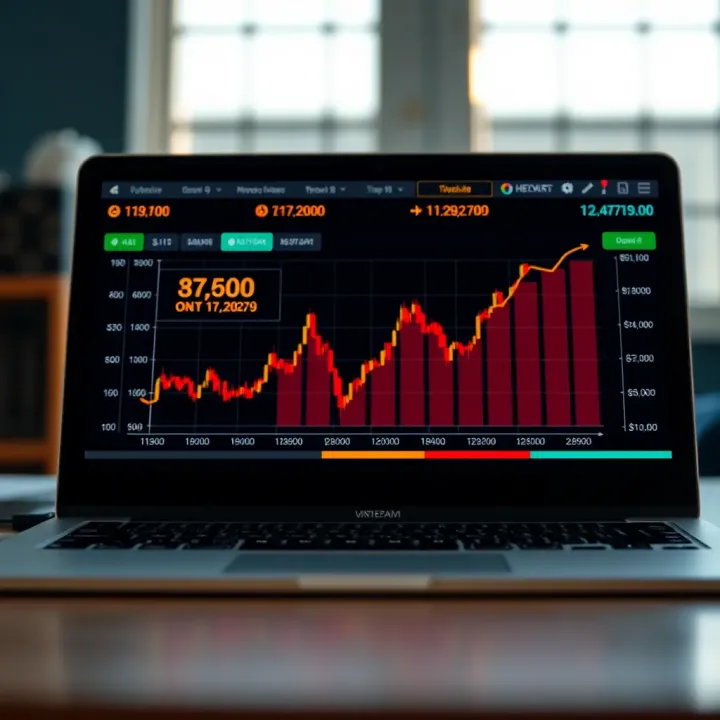
📈 Explore binary options trading in Kenya with this practical guide covering how it works, key risks, benefits, and smart strategies for traders.
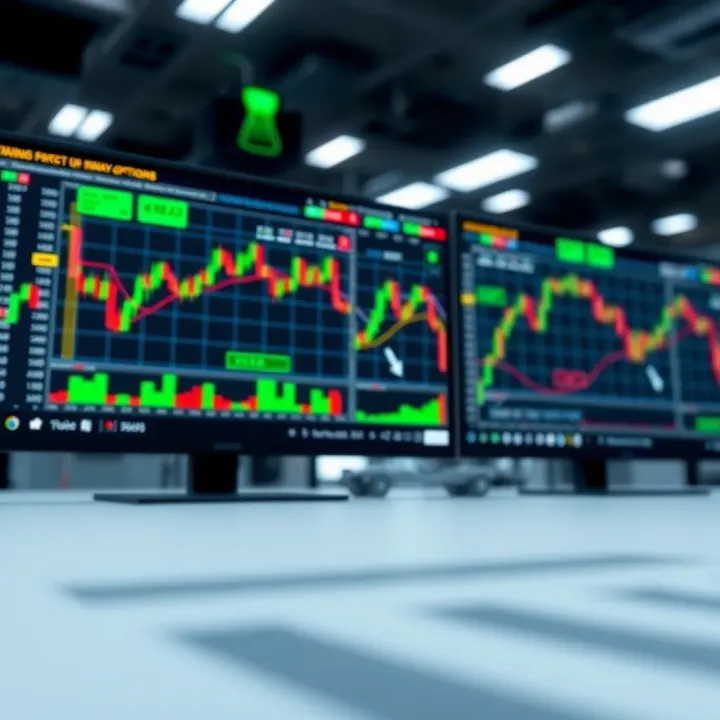
Explore how binary bots automate trading in Kenya’s binary options market 📈. Learn their setup, strategies, legal tips, and risks for smarter decisions.
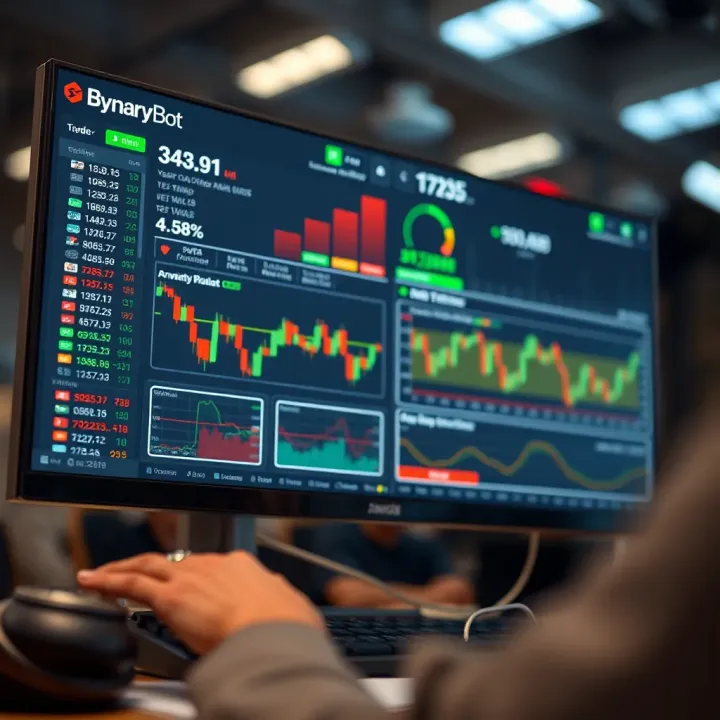
📊 Explore BinaryBot.com for binary options trading in Kenya! Learn platform features, risks, and practical tips to trade smarter and safer today.
Based on 13 reviews