
Is BeggingMoney.com Legit? Honest Review
Curious about BeggingMoney.com? 🤔 This review covers its legitimacy, user feedback, payment methods, and potential risks to help you decide wisely.
Edited By
Thomas Barrett
If you've been thinking about joining Olymp Trade from Kenya, it's sensible to ask: is this platform really trustworthy? In trading, especially online, safety and legitimacy aren't just buzzwords—they directly impact your money and peace of mind.
Olymp Trade has attracted many traders because it offers an accessible way to trade forex, stocks, commodities, and cryptocurrencies using a simple interface. However, before committing your hard-earned KSh, you need to understand how it stacks up in terms of credibility and security.
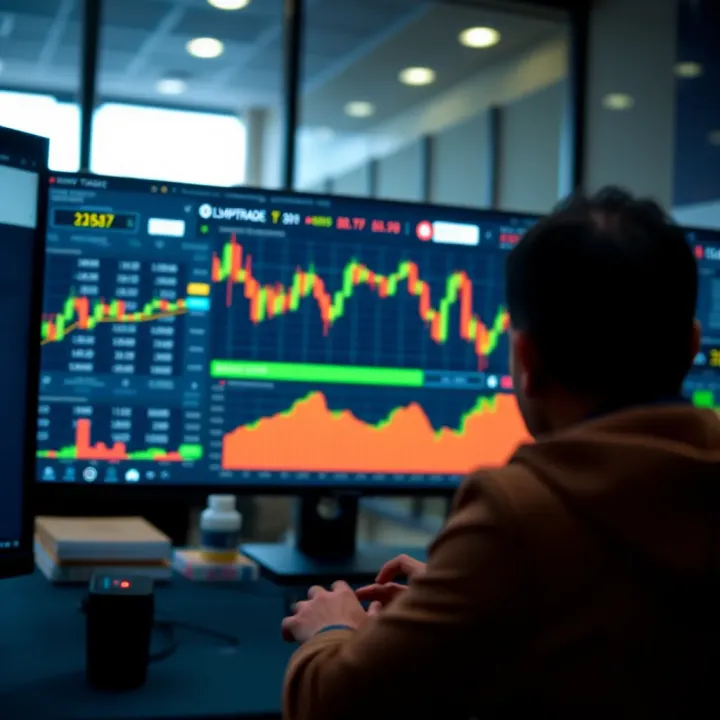
First off, Olymp Trade is regulated by the International Financial Commission (FinaCom), an independent regulatory body. This means traders get a degree of protection, including compensation mechanisms if the broker falls short. While FinaCom is not on the same level as top-tier regulators like the Capital Markets Authority (CMA) in Kenya or the UK's Financial Conduct Authority (FCA), it still offers a layer of oversight missing from many offshore platforms.
Another practical point is user feedback across various sources: many Kenyan traders report smooth deposit and withdrawal processes, often using M-Pesa or bank transfers. Yet, some complaints linger around delays and occasional disconnections during volatile trading hours. Such issues are common with online platforms but worth bearing in mind.
Regarding trading features, Olymp Trade provides useful tools, including technical indicators and demo accounts for practice before risking real funds. This can be especially helpful for beginners or those testing new strategies.
While Olymp Trade offers regulatory protection and user-friendly features, every trader must remember that trading itself carries inherent risks. No platform can guarantee profits or prevent losses.
To weigh it up:
Regulation: Licensed by FinaCom, not a local Kenyan regulator
User experience: Mostly positive but with some service hiccups
Trading tools: Adequate for most retail traders
Security: Standard encryption and account protections in place
In the end, Olymp Trade can be a suitable option for Kenyan traders who prioritise ease of access and a regulated environment outside Kenya. However, it’s vital to trade responsibly, know your limits, and compare it with other platforms better regulated in Kenya or globally.
This article offers a clear, realistic overview to help you make that call confidently.
Knowing what Olymp Trade offers is key for anyone considering the platform. It’s not just about whether it’s legit or not, but what kind of trading you can actually do and how it fits your investment style. Understanding the various services helps traders make informed decisions that suit their risk appetite and goals.
Olymp Trade is an online trading platform launched in 2014, providing access to various financial markets through a user-friendly interface. It allows traders, including those in Kenya, to invest in currencies, stocks, commodities, and more, all from a computer or mobile device. Its accessibility and straightforward setup appeal especially to beginners and intermediate traders who want to try their hand in financial markets without the complexity some platforms bring.
Forex trading on Olymp Trade involves buying and selling foreign currencies to profit from fluctuations in exchange rates. For example, a trader might speculate that the US Dollar will strengthen against the Euro and place a trade accordingly. Forex is the largest financial market globally and offers high liquidity, meaning trades can happen quickly without significant price changes due to volume. This suits Kenyan traders looking for flexibility, as Forex trading is available nearly 24/7 during weekdays.
On Olymp Trade, you can trade popular currency pairs like USD/KES or EUR/USD, giving direct exposure to both international and local markets. This offers a practical way to earn from currency movements affecting everyday expenses and investments.
Digital options are a form of trading where you predict whether an asset's price will go up or down within a fixed time, often minutes or hours. It’s similar to a simple bet but requires market knowledge and timing. For instance, if you think Safaricom’s stock price will rise in the next 15 minutes, you can place an option predicting this and potentially earn a fixed payout if you’re right.
This method is popular among traders who prefer quick results and defined risk, as losses are limited to the initial amount invested. It’s practical for those who want to try short-term market moves without needing complex analysis.
Besides Forex and digital options, Olymp Trade also offers commodities like gold and crude oil, indices representing groups of stocks, and cryptocurrencies such as Bitcoin and Ethereum. These options diversify opportunities for Kenyan traders who might want to spread risk or tap into trending markets.
For example, trading gold can act as a hedge during currency volatility in the Kenyan Shilling, while cryptocurrencies appeal to investors interested in the expanding digital economy. Olymp Trade’s platform bundles these instruments under one roof, which simplifies switching between markets without moving funds across multiple accounts.
Understanding these core services is vital. It not only clarifies what you can trade but also how well the platform matches your trading requirements and local market conditions.
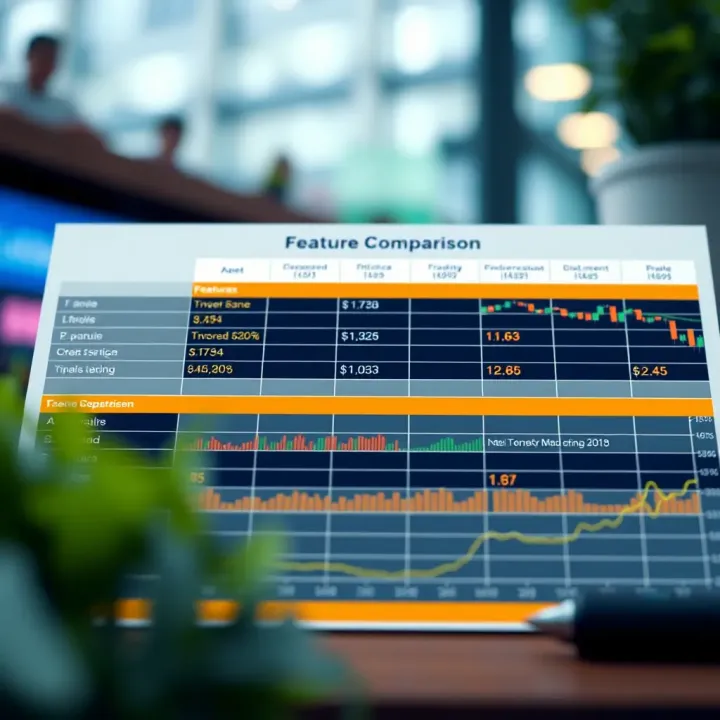
When assessing a trading platform like Olymp Trade, its regulatory status and security measures serve as key indicators of legitimacy and safety. For Kenyan traders and investors, understanding these aspects helps avoid platforms that may operate without proper oversight, which could expose users to unfair practices or financial loss.
Legal jurisdiction: Olymp Trade is registered under the International Financial Commission, an independent organisation based in Europe that offers dispute resolution for traders. While this registration provides a layer of trust, it is crucial to note that Olymp Trade is not licensed by major financial regulators such as Kenya’s Capital Markets Authority (CMA) or international bodies like the Financial Conduct Authority (FCA) in the UK or the US Securities and Exchange Commission (SEC). This means Olymp Trade operates from jurisdictions with lighter regulations, affecting the legal remedies available to Kenyan traders.
Operating from jurisdictions that focus on ease of setup rather than strict investor protection can impact the platform’s oversight. Unlike firms regulated by CMA or FCA, which must comply with stringent rules around transparency and capital reserves, Olymp Trade’s framework offers less direct regulatory accountability in Kenya or globally.
Comparison with known regulatory bodies in Kenya and internationally: In Kenya, the CMA regulates investment firms to protect investors’ interests. Platforms licensed by CMA adhere to standards including financial reporting and customer fund protection. Internationally, regulators such as FCA and Australia’s ASIC enforce strict rules on leverage limits and client fund segregation, enhancing safety. Olymp Trade’s absence from these registers means Kenyan traders might not enjoy the same level of protection compared to locally or internationally regulated alternatives. Consequently, while Olymp Trade may be accessible and user-friendly, it carries regulatory risks that traders should consider carefully.
Account security features: Olymp Trade employs standard security measures like two-factor authentication (2FA) and encrypted connections to protect user accounts. For Kenyan traders, these features help prevent unauthorised access, especially since mobile devices often serve as the primary access point. However, the effectiveness of such security depends on user practices, including safeguarding login details and using secure networks.
Fund segregation policies: A critical safety measure is how a platform handles client funds. Olymp Trade claims to keep client funds separate from its operating capital, meaning user deposits aren't used for company expenses or trading activities. This fund segregation can protect traders' money in case the company faces financial difficulties. Still, since Olymp Trade is not CMA-regulated, there is no local legal requirement enforcing these policies, so trust relies heavily on the platform’s reputation and transparency.
Data privacy measures: Olymp Trade states that it follows data protection standards, encrypting personal and financial information to prevent breaches. For Kenyan users, this is important given rising cybercrime rates. The platform’s privacy policy outlines limited data sharing, mainly only with service providers for transaction processing. While this seems reassuring, Kenyan traders should remain cautious about sharing sensitive data and regularly monitor account activity for unusual transactions.
Understanding the regulatory backdrop and security features of trading platforms like Olymp Trade empowers you to weigh benefits against risks when trading. Lack of strict regulation means traders must rely on their due diligence and personal security measures to safeguard investments.
This evaluation guides Kenyan traders to make informed choices about whether Olymp Trade fits their risk appetite and trust requirements.
User experience and reputation are vital when assessing any trading platform, including Olymp Trade. They reveal how real users interact with the platform daily and provide a snapshot of its reliability, ease of use, and overall trustworthiness. For Kenyan traders, this information offers valuable insights beyond marketing claims, helping them make informed decisions before committing funds.
Many Kenyan users highlight Olymp Trade’s intuitive platform design that simplifies both forex and digital options trading. The user interface is seen as straightforward, which is a big plus for novices who may otherwise feel overwhelmed by complicated menus. Also, the availability of demo accounts to practise without risking money is frequently appreciated, allowing users to get comfortable with trading mechanics before going live.
Additionally, customer support often receives positive remarks for being reachable through multiple channels, including live chat and email. For example, several traders note timely responses to queries about account setup or trade execution, which reduces stress during busy market hours. This practical assistance is especially relevant when quick problem-solving is crucial.
On the other hand, some Kenyan traders report occasional delays during withdrawal processes and difficulties reaching support during peak times. These issues point to operational bottlenecks that can frustrate users expecting swift access to their funds. Technical glitches such as sudden app crashes or login problems have also been mentioned, though usually resolved after contacting support.
Moreover, a handful of complaints focus on limited educational content tailored to the Kenyan market, which could disadvantage beginners trying to grasp local trading contexts. These concerns highlight areas where Olymp Trade could improve user experience by adapting resources and processes specific to Kenyan traders’ needs.
Olymp Trade supports multiple payment options popular among Kenyan traders, with M-Pesa being a standout method. Since M-Pesa dominates mobile money transactions in Kenya, its integration means users can deposit and withdraw funds conveniently without needing international bank accounts or credit cards. Other payment methods include bank transfers and credit/debit cards, but M-Pesa’s widespread use offers a clear practical advantage.
This local payment support removes common barriers faced by traders who might otherwise struggle with currency conversions or costly transfer fees. For example, a trader in Nairobi can top up their Olymp Trade account using their Safaricom line in minutes, bypassing international remittance delays.
Deposit processing on Olymp Trade is usually instant or takes a few minutes, especially when using M-Pesa or card payments. This quick turnaround allows traders to enter market positions without lengthy waiting periods. Withdrawals, however, can take longer; Kenyan users often report waiting between 24 to 72 hours for funds to reflect in their M-Pesa accounts or bank statements.
These processing times are fairly standard compared to other global platforms but require consideration when planning trades or urgent cash needs. Knowing this helps traders manage expectations and plan their finances accordingly.
User experience and reputation, shaped by both positive reviews and complaints, provide a balanced view that Kenyan traders should weigh carefully before engaging with Olymp Trade.
Trading on Olymp Trade comes with risks and challenges that Kenyan traders should understand before diving in. While the platform offers accessible trading options, it’s not without potential setbacks that could affect your investment. Knowing these risks upfront helps you make better decisions, manage expectations, and safeguard your funds.
Several factors specific to the Kenyan trading environment add another layer to consider. For example, fluctuating internet quality in some regions and the impact of time zones on market activity can influence how smoothly you trade. The risks discussed here focus on market volatility, platform limitations, and customer support, all crucial for anyone seriously thinking about Olymp Trade.
Understanding market risks is fundamental to trading on any platform, and Olymp Trade is no exception. Markets, whether Forex or digital options, change quickly and unpredictably. For instance, sudden political events in Kenya or international developments can cause sharp price swings, impacting your trades. This volatility means you can either make quick profits or suffer losses just as fast.
To put it plainly, even if you have the best strategy, the market can be unforgiving. Trading without proper risk management could wipe out your account. That’s why it's key to approach Olymp Trade with a clear understanding that losses are part of the deal, not a sign of a flawed platform.
How Olymp Trade manages risk for its users involves several tools and features. The platform provides stop-loss orders and take-profit points, which allow you to limit losses and secure gains automatically. For example, if you set a stop-loss at 5% below your purchase price, Olymp Trade will exit the trade once it hits that level, protecting you from deeper losses.
Besides, Olymp Trade offers demo accounts where you can practise without risking real money. This helps you understand market behaviour and refine your strategies. However, no online platform can eliminate market risks entirely—so personal discipline and smart use of these tools remain essential.
Platform restrictions may catch some traders by surprise. Olymp Trade currently doesn’t support all types of financial instruments available on more advanced platforms. Kenyan users interested in commodities or certain stocks might find the choices limited. Also, the platform can sometimes face downtime or slow load speeds during peak market hours, which may disrupt your trades.
Another limitation is that some advanced charting tools and custom indicators you’d find on platforms like MetaTrader 4 are either basic or missing entirely on Olymp Trade. This can restrict serious analysts who want granular control and detailed technical analysis.
Customer support challenges have been a concern among Kenyan users. While Olymp Trade offers live chat and email support, response times vary and may not always be immediate, especially during weekends or public holidays in Kenya. Delays in resolving technical issues or withdrawal queries can be frustrating, particularly when time-sensitive trades are involved.
Additionally, customer service is mostly in a few major languages, which might not meet the needs of some local traders who prefer communication in Swahili or other regional tongues. This can make it harder to get quick, clear assistance.
Understanding these risks and limitations will help you decide if Olymp Trade fits your trading style and risk tolerance. Always remember that no platform guarantees profits, and safe trading depends on your knowledge, preparation, and caution.
Understanding how Olymp Trade stacks up against other trading platforms matters because traders in Kenya often weigh options based on features, costs, and local usability. Kenyan traders want platforms that not only offer diverse financial instruments but also align well with local payment systems like M-Pesa. Besides, competition in online trading is stiff, so knowing where Olymp Trade shines or falls behind helps investors make better decisions.
When compared to other platforms available to Kenyans, Olymp Trade offers a fairly user-friendly interface with educational materials and demo accounts. It supports both forex pairs and digital options, which gives traders some variety. However, platforms like IQ Option and Binomo also cater to similar markets but sometimes present more robust charting tools or automated trading options. Local platforms supported by Kenyan brokers might offer tighter integration with KRA and CBK regulations but often lack the international instruments Olymp Trade provides.
For instance, while Olymp Trade permits trading in commodities, indices, and cryptocurrencies, local platforms may not include all these options. On the other hand, some global brokers like AvaTrade or FXTM provide advanced order types and extensive technical analysis tools, which Olymp Trade somewhat lacks. Therefore, Kenyan traders looking for a balance between simplicity and range of offerings might find Olymp Trade adequate, but not exceptional.
Trading fees on Olymp Trade are generally transparent, with no hidden commissions on trades. Instead, the platform mostly relies on spreads—the difference between buying and selling prices—to generate revenue. This approach is common among similar platforms but the exact spread levels can vary. For example, spread on major forex pairs may start around 0.5 pips, which is competitive with some international brokers but may be higher than local brokers who sometimes offer narrower spreads for active traders.
Withdrawal charges can also impact Kenyan traders’ experience. Olymp Trade typically allows free withdrawals up to a certain limit per month, after which a fee applies. This differs from some Kenyan platforms that either impose withdrawal charges or have minimum withdrawal limits that can inconvenience small-scale traders. Moreover, Olymp Trade supports withdrawals through M-Pesa and bank transfers, which is a plus for Kenyan users who value fast, local payment methods.
When assessing trading platforms, consider both the cost per trade and the ease and cost of moving your money in and out. Olymp Trade generally balances these well, but some alternatives may better fit heavy or small-scale trading strategies.
Curious about BeggingMoney.com? 🤔 This review covers its legitimacy, user feedback, payment methods, and potential risks to help you decide wisely.
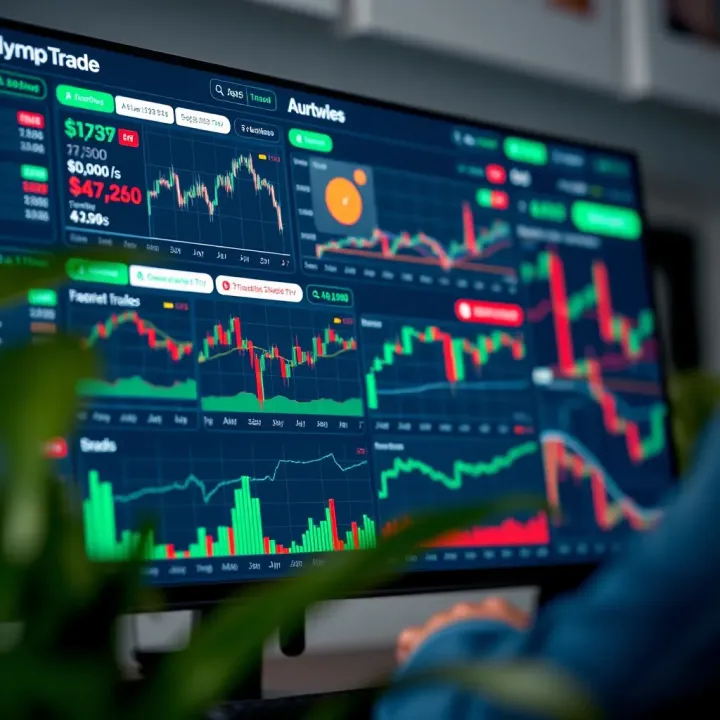
🔍 Explore our detailed review of Olymp Trade for Kenyan traders — user-friendly platform, secure trading, flexible accounts, quick withdrawals and helpful support.
Explore Binary.com 🌐: its history, features, trading options, user experience, and regulations. Get a clear view before trading online in Kenya 🇰🇪.
Looking for the best cryptocurrency trading platform in Kenya? Learn how to choose safely with top security tips, fee breakdowns, and local rules 📊🔒
Based on 14 reviews