
Crypto Trading Guide for Kenyan Investors
📈 A practical guide for Kenyan investors to master cryptocurrency trading. Learn key strategies, platform tips, risk control, and local regulations.
Edited By
James Thornton
Online forex trading offers Kenyan investors an accessible way to participate in global currency markets from the comfort of their homes. Thanks to widened internet access and mobile payment options like M-Pesa, many Kenyans have found forex trading an alternative investment avenue beyond traditional stocks or real estate.
Understanding the basics is key before you start. Forex trading involves buying one currency while simultaneously selling another, profiting from fluctuations in exchange rates. Currency pairs like USD/KES or EUR/USD show how much one currency is worth in terms of the other and are the primary instruments traded online.
Most Kenyan traders use platforms such as MetaTrader 4 or 5, local brokers regulated by the Capital Markets Authority (CMA), or international brokers that accept residents. Selecting a platform that supports local payment methods, like M-Pesa or bank transfers via Kenyan banks, simplifies fund deposits and withdrawals.
Be mindful that forex trading carries risks, including market volatility and leverage misuse, which can magnify losses. Regulated brokers ensure some investor protection, so verifying licences with CMA or global authorities before committing capital is wise.
Starting in forex trading usually involves these steps:
Choose a reliable broker: Look for those licensed in Kenya or reputable internationally, offering secure, transparent trading environments.
Open a trading account: This might require uploading your KRA PIN, identification documents, and proof of address through platforms like eCitizen.
Fund your account: Use convenient payment options, with M-Pesa often preferred for ease.
Practice with a demo account: Try simulated trading to familiarise yourself with the platform and market movements without risking real money.
Start live trading: Begin with small amounts, applying sound strategies and risk management.
Kenyan investors should also consider how forex trading fits with the country’s economic trends. For example, the Shilling’s fluctuations often reflect local factors such as trade balances, tourism receipts, or political events. Keeping abreast of such news sources adds context to technical market analysis.
In the sections that follow, we will break down effective trading strategies, risk controls, and regulatory frameworks tailored to Kenyan traders aiming to make informed and practical decisions in the forex market.
Getting a solid grip on the basics of online forex trading is the first step for Kenyan investors who want to trade foreign currencies. Understanding the key concepts and how the market operates gives you confidence and helps you avoid costly mistakes when you start putting your money on the line. This knowledge also guides you in choosing the right platforms and tools that suit your needs and helps you manage risks effectively.
Forex trading revolves around buying one currency and selling another simultaneously, which happens through currency pairs. Each pair shows how much of the second currency (known as the quote currency) you can get with one unit of the first currency (the base currency). For example, the USD/KES pair tells you how many Kenyan shillings you need to buy one US dollar.
For Kenyan traders, this means understanding pairs like USD/KES or EUR/USD is crucial. Changes in these exchange rates can be influenced by economic events, political stability, or market sentiment. So, when the Central Bank of Kenya announces new policy decisions, it might affect the shilling’s strength, which in turn affects currency trading opportunities.
Forex markets never sleep; they work 24 hours a day, five days a week, across different time zones—from Asia to Europe, then America—meaning you can trade any time that suits you. This global nature creates continuous price movements, influenced by world events, trade reports, or central bank actions.
For example, Kenyan investors might find liquidity highest during London and New York trading hours, impacting volatility. Being aware of these timing considerations helps you plan when to trade for better spreads and opportunities, especially if you are balancing forex trading with other commitments.
Brokers act as your bridge to the forex market, providing the platform to execute trades. In Kenya, many brokers offer online trading through apps or desktop software that display live prices, charts, and trade management tools. They usually charge a spread or commission per trade.
Choosing a reliable broker licensed by the Capital Markets Authority ensures your funds are safe and the trading environment is transparent. The trading software lets you place orders, monitor open positions, and use tools like stop-loss to manage risk.
Technology has made forex trading accessible anytime, anywhere. You can use desktop computers for a detailed view with multiple charts when analysing markets, while mobile apps for Android and iOS offer flexibility to check prices or manage trades on the go.
This means a Nairobi-based trader can follow market events in London during the evening and still adjust or close positions using a mobile device from home or the local coffee shop. Reliable internet connection and familiarity with your chosen platform make this convenience possible.
Mastering these basics empowers you to make smarter decisions and execute trades strategically, rather than guessing blindly or falling for hype. It’s the foundation that supports steady, disciplined trading in Kenya’s growing forex community.
Understand currency pairs since your profits and losses hinge on exchange rate shifts.
Consider market hours to trade when volatility suits your strategy.
Pick a reputable broker with solid software that fits your lifestyle whether you prefer desktop or mobile trading.
This practical knowledge will set you on the right path as you explore forex trading further.
Selecting the right forex trading platform is critical for Kenyan investors who want to trade efficiently and securely. The platform is your gateway to the forex market. It directly impacts your ability to execute trades quickly and manage your risks well. With many options available, understanding what to look for can save you from unnecessary frustration and potential losses.
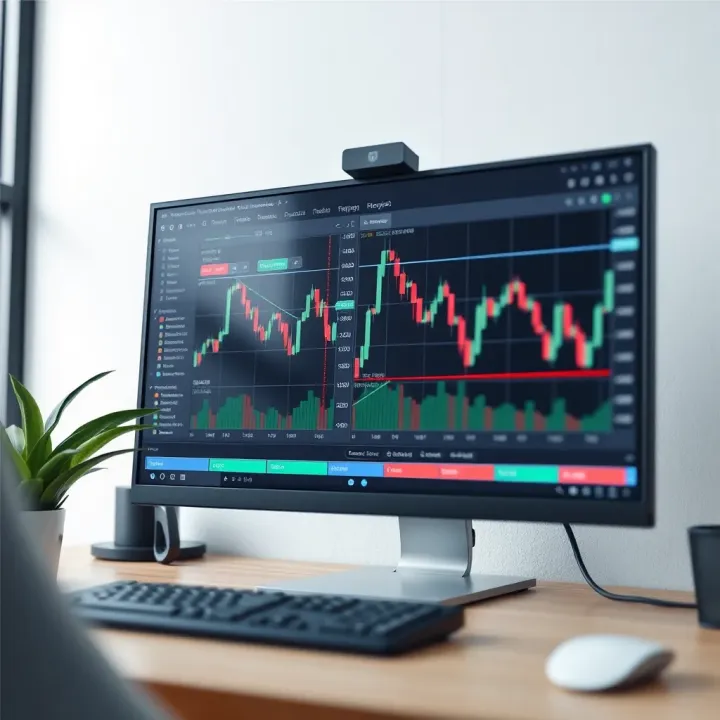
A clean, simple interface matters a lot, especially if you are new to trading. You want a platform that is straightforward without too many complicated menus. For instance, a Kenyan trader using MetaTrader 4 or 5 often appreciates how these platforms lay out charts and trading tools clearly. Smooth navigation saves time when executing orders, which can be the difference between profit and loss in fast-moving markets.
Ease of use also means fewer mistakes. When the platform makes it easy to place market or stop-loss orders, you reduce the risk of costly errors. Some platforms even offer demo accounts, letting you practise without risking real money.
In Kenya, convenience in funding your forex account is a huge advantage. Platforms that allow deposits and withdrawals through M-Pesa or local bank transfers save you from the hassles of international wire transfers. For example, brokers like HotForex and FXTM have integrated M-Pesa as a payment option, making it easier to top-up your account instantly.
Local payment options reduce delays and extra charges. When you can deposit KSh quickly and securely, you stay in control of your trading funds. This immediacy can be crucial during volatile market hours.
Reliable customer support is a must. Problems like withdrawal delays or platform glitches need swift resolution, especially when your money is involved. Look for brokers that offer prompt support via live chat, phone, or email, preferably during Kenyan business hours.
Educational resources add value by helping you improve your trading skills. Many trusted platforms provide webinars, tutorials, and market analysis tailored to beginner and experienced traders. This support can boost your confidence and help you avoid common pitfalls. For example, Pepperstone offers extensive learning material, which has helped many Kenyan traders sharpen their strategies.
Global brokers like IG, FXTM, and HotForex are popular among Kenyans. They are regulated internationally and provide access to a wide variety of currency pairs. Their platforms usually support mobile and desktop access, with features like leverage settings, charting tools, and automated trading.
These brokers often accept M-Pesa deposits, which makes them very convenient locally. Many Kenyans trust them because they have been in the market for years and have solid reputations for security and fairness.
Apart from global brokers, some regional platforms are emerging to cater to East African traders' specific needs. These may offer better customer service tailored to Kenyan traders and sometimes lower fees on deposits and withdrawals.
However, it's important to verify their regulatory credentials. The Capital Markets Authority (CMA) in Kenya keeps a list of licensed brokers and platforms. Always check the CMA's register to avoid unregulated platforms that might expose you to fraud.
Choosing the right forex trading platform involves balancing ease of use, payment convenience, support quality, and regulatory safety. Doing this well helps Kenyan investors trade efficiently and confidently.
In summary, Kenyan traders should prioritise platforms with intuitive interfaces, local payment options like M-Pesa, responsive support, and strong educational tools. Both established global brokers and credible local platforms have a role, but due diligence is key to protect your investments.
A solid understanding of the regulatory framework is key for any Kenyan investor venturing into online forex trading. Knowing who oversees the trading environment and what protections exist reduces the risk of falling prey to illegal schemes and helps ensure funds are secure.
The Capital Markets Authority (CMA) is the main regulatory body managing forex trading in Kenya. Its role is to protect investors by licensing and supervising brokers who provide forex trading services. Any broker operating legally must have CMA approval, which involves meeting strict requirements on capital, transparency, and operational standards.
For Kenyan traders, dealing with a CMA-licensed broker means there's a watchdog ensuring compliance with Kenyan law. This oversight helps prevent malpractice such as manipulation or improper handling of client funds. CMA also provides a channel for complaints and dispute resolution, giving traders confidence their interests are safeguarded.
Brokers in Kenya must register with the CMA, show proof of financial strength, and maintain clear records. This legal framework means brokers are accountable and must uphold fair trading conditions. On the trader’s side, Kenyan law requires individuals to comply with tax obligations on profits made from forex trading, with the Kenya Revenue Authority (KRA) setting guidelines on declaring forex gains.
Traders should also be aware of the need to use platforms that comply with data protection laws to keep their personal and financial information safe. Ignoring these requirements risks fines or losing access to services.
Choosing a trustworthy trading platform is the first line of defence against scams. Legitimate brokers have a clear physical office address, transparent fee structures, and provide verifiable client testimonials. Kenyan traders should also check if the platform supports local deposit methods like M-Pesa, which adds ease and security.
Platforms regulated not only by the CMA but also well-known global regulators such as the Financial Conduct Authority (FCA) or the Australian Securities and Investments Commission (ASIC) offer an additional layer of trustworthiness. Reading reviews, asking fellow traders in Kenya, and consulting financial forums can help confirm a platform's credibility.
Be cautious when brokers promise guaranteed profits or use high-pressure sales tactics to rush decisions—these are classic warning signs. Other red flags include unclear withdrawal policies, lack of customer service, or requests for large upfront fees without clear justification.
Scammers often impersonate legitimate firms or use fake websites that mimic trusted brands. Always verify website URLs carefully and avoid sharing sensitive information like passwords or PINs over email or phone calls.
Remember, in forex trading, if it sounds too good to be true, it usually is. Taking time to research protects your investment and peace of mind.
By understanding the regulatory environment and applying practical safety measures, Kenyan traders can engage in forex trading with greater confidence and reduce risks linked to scams and legal pitfalls.
Starting your online forex trading journey marks the step from understanding theories to actively engaging with currency markets. This phase is where you register an account, learn the key terms that regulate your trading moves, and start practicing strategies that fit your experience and risk appetite. For Kenyan investors, acting with care during these initial steps can help avoid common pitfalls and build a strong foundation for consistent trading.
The first practical step is opening a trading account with a reputable broker. Registration usually involves providing personal details, identity documents like your Kenyan ID or passport, and proof of residence to comply with regulatory rules. Verification helps protect you and the platform from fraud. After submission, brokers often review documents within a few days before activating your account.
Funding your account in Kenya is made straightforward due to local payment methods. Many brokers accept M-Pesa deposits, a mobile money service that is widely used across the country. This enables quick and secure transfers without needing a traditional bank. Bank transfers are also common, offering larger fund movements when needed. Some brokers may accept credit or debit cards, but M-Pesa remains preferable for speed and local convenience.
Understanding terms like leverage, spread, pip, and margin is crucial before trading real money. Leverage lets you control a larger position with a smaller deposit, say 1:100, meaning KSh 1,000 can manage KSh 100,000 in the market. However, it magnifies both gains and losses. Spread is the difference between the buying and selling price, typically measured in pips—the smallest price move in currency pairs. Margin is the money you must deposit to open and maintain positions.
Orders define how you enter and exit trades. A market order executes immediately at the current price, while limit orders allow you to buy or sell when a certain price is reached. Stop-loss orders help cap your losses by closing a position automatically if the market goes against you. These orders are essential tools for managing risks and controlling trade outcomes.
For those new to forex, using trend following and breakout methods offers straightforward entry points. Trend following means buying currencies showing an upward price movement and selling those trending down. For example, if the USD/KES pair has been rising steadily, a trend follower might buy expecting the upward run to continue. Breakouts, on the other hand, involve entering trades when prices move beyond established support or resistance levels, capturing momentum.
Risk management should be part of any strategy. Setting stop-loss orders limits how much you lose if trades go south. Avoiding large exposure on a single trade prevents wiping out your account on one bad move. Keeping these basics in mind helps you protect your capital while you learn the ropes.
Opening a verified trading account with local payment options and mastering basic terminology equips Kenyan traders to start forex trading safely and effectively. Combining this with simple, disciplined strategies improves your chances of long-term success.
Risk management and discipline form the backbone of any successful forex trading journey. Without them, even the most promising strategies can falter. For Kenyan investors dealing with volatile currency pairs, understanding these principles helps curb heavy losses and build steady progress.
Setting stop-loss levels is one of the most practical ways to limit loss on any trade. This involves deciding beforehand the maximum loss you can tolerate, then placing an automated order that closes your position once the price hits that level. For example, if you enter a trade on USD/KES at 110 with a stop-loss set at 108, your trade will automatically close if the rate falls two units against you. This prevents emotional decision-making that could worsen losses when the market moves unexpectedly.
Limiting exposure on single trades means you never risk too much of your capital on one position. Experts often suggest risking no more than 2-3% of your total trading funds on a single trade. If you have KS00,000 in your account, a typical trade risk should not exceed KS,000 to KS,000. This approach safeguards your account from being wiped out by a single bad call, allowing you to stay in the game longer and recover from losses without pressure.
Maintaining a trading journal is a simple but powerful method to improve your trading discipline. Record every trade’s details: entry point, exit point, profit or loss, emotional state, and reasons behind the trade. Over time, this reveals patterns in your behaviour—such as trading impulsively after a loss or stepping away after a win. For Kenyans trading from home or during odd hours, this journal becomes a steady companion that brings clarity amid the noisy forex market.
Following a set trading plan prevents rash decisions driven by hope or fear. A trading plan outlines your strategy, including which currency pairs to trade, entry and exit rules, risk limits, and daily goals. Suppose the plan specifies closing trades that hit the stop-loss without hesitation. In that case, it helps you avoid the common trap of holding losing positions while waiting for a turnaround that rarely comes. Consistency in sticking to your plan builds discipline, which in turn preserves your capital and enhances your chance of long-term profits.
Strong risk management paired with disciplined trading forms the foundation of sustainable success in forex markets, especially for Kenyan investors navigating shifting local and global economic conditions.
By focusing on these core practices, you protect your hard-earned funds and navigate forex trading with greater confidence and control.
📈 A practical guide for Kenyan investors to master cryptocurrency trading. Learn key strategies, platform tips, risk control, and local regulations.
📈 Discover how to pick the best trading app in Kenya! Learn about security, fees, top features, and expert tips to improve your mobile trading experience.

📈 Learn how Kenyan investors can benefit from copy trading by mirroring expert traders, understanding risks, regulations, and smart strategies for success.

Explore a detailed guide on derivative trading in Kenya 🇰🇪. Learn about types, risks, strategies, and local regulations to trade smarter and safer 📈.
Based on 13 reviews