
Crypto Trading Guide for Kenyan Investors
📈 A practical guide for Kenyan investors to master cryptocurrency trading. Learn key strategies, platform tips, risk control, and local regulations.
Edited By
Thomas Green
Trading commodities offers Kenyan investors a chance to diversify portfolios beyond traditional shares and bonds. Unlike stocks, commodities represent tangible goods like oil, gold, coffee, and maize, each influenced by real-world factors such as weather, geopolitics, and supply chain shifts.
Investing in commodities is no longer limited to multinational firms or foreign traders. Today, Kenyan investors can engage with commodity markets through various accessible platforms, including local brokers linked to global exchanges and digital trading apps supporting M-Pesa payments. This opens more doors but also demands a grounded understanding of how commodities move.
Agricultural produce: Coffee, tea, maize, and sugar have strong local significance and export value.
Energy: Crude oil and petroleum products, given Kenya's growing interest in oil exploration and consumption.
Metals: Gold remains a safe haven, while industrial metals like copper and aluminium play a role in infrastructure projects.
Understanding the supply and demand dynamics behind these commodities is key. For example, a drought in key coffee-growing regions in Central Kenya could push prices up, affecting both farmers and traders.
Commodity trading methods vary, ranging from futures contracts and options to exchange-traded funds (ETFs) and spot trading. Futures involve agreements to buy or sell at a set price on a future date, useful for hedging risks or speculation. ETFs offer simpler exposure but with less direct involvement.
Risk management must be a priority. Prices can swing wildly from weather changes or political events, so setting stop-loss orders and diversifying across commodities help reduce exposure to shocks.
For Kenyan investors, aligning commodity choices with current market trends and local knowledge improves chances of good returns. Monitoring Kenya’s agriculture reports, East African Community (EAC) trade developments, and global economic outlook provides an informed edge.
Starting small and using available trading platforms with transparent fee structures is a sound approach before moving to larger positions. With clear research and careful planning, commodity trading can add a practical layer to wealth-building strategies for many investors here.
Grasping the fundamentals of commodity trading is vital for Kenyan investors looking to diversify their portfolios beyond traditional stocks or real estate. Commodities form the backbone of global trade, representing raw materials essential for daily life and industrial processes. Knowing how they are defined, categorised, and traded allows investors to make informed decisions, manage risks, and tap into emerging opportunities.
Commodities are physical goods commonly traded on markets and broadly fall into categories like energy, agriculture, and metals. Each category has unique supply and demand dynamics influenced by seasons, geopolitical events, and economic trends. For instance, maize, a staple for many Kenyan households, is an agricultural commodity whose local prices can be affected by weather and government policies. Energy commodities like oil and gas power industries worldwide, while metals such as gold serve as both industrial inputs and safe-haven investments.
The spot market involves immediate purchase and delivery of the commodity, ideal for buyers who need the physical product promptly. For example, a tea exporter in Kericho may engage in spot trading to supply fresh produce quickly to clients. On the other hand, futures contracts allow investors to agree on a price today for delivery at a future date. This method helps hedge against price fluctuations and is common in commodities sensitive to seasonal factors, such as coffee or maize.
Physical trading means handling and delivery of the actual commodity, which requires storage facilities and logistics — often challenging for individuals but common among Kenyan producers and traders. Paper trading, meanwhile, comprises contracts, derivatives, or exchange-traded funds (ETFs) that represent commodity ownership without dealing with the physical goods. Kenyan investors may prefer paper trading to avoid storage costs while still benefiting from commodity price movements.
Energy commodities like crude oil, natural gas, and coal fuel industries and transportation. Kenya imports most of its oil, making global prices vital for the local economy. Traders can profit from price swings resulting from supply disruptions or shifts in demand, such as changes in regional power generation or international sanctions.
Agriculture forms Kenya’s economic heart, with commodities like coffee, tea, and maize being top earners and daily essentials. Coffee and tea prices are influenced by international demand and weather conditions in growing regions, while maize prices fluctuate with harvest seasons and government stock releases. Understanding these can help farmers, exporters, and investors capitalise or hedge their position better.
Metals cover both precious metals like gold and silver and industrial ones such as copper and aluminium. Gold often acts as a hedge against inflation or currency instability, making it appealing in uncertain economic times. Kenya sees demand for industrial metals grow alongside infrastructure projects, offering traders chances to benefit from longer-term trends.
Knowing these key basics gives Kenyan traders a solid footing to navigate commodity markets confidently and identify suitable strategies that fit their risk appetite and investment goals.
Understanding the key commodity markets is vital for Kenyan investors aiming to trade effectively. These markets govern price discovery, liquidity, and offer access to various commodities that impact Kenya’s economy. By knowing which global and local exchanges influence prices and trade volumes, Kenyan investors can better position themselves to seize opportunities and manage risks.
The London Metal Exchange is the largest global platform for industrial metals such as copper, aluminium, and zinc. For Kenyan investors, especially those interested in metals used in manufacturing and construction, the LME sets benchmark prices that affect import and export costs. For example, if Kenya imports copper for electrical wiring or industrial use, fluctuations on the LME directly impact local costs and profit margins.
Investors can follow LME trends to anticipate price movements in Kenya’s metal market or use LME-based futures contracts indirectly through commodity funds. Given Kenya’s growing infrastructure projects, understanding LME price signals can help investors spot promising timing for commodity investments.
NYMEX is a key market for energy commodities like crude oil and natural gas. Since Kenya largely depends on imported fuels, NYMEX prices influence local fuel prices and transport costs, which in turn affect various sectors. Traders following NYMEX can gauge potential cost pressures on Kenya’s economy, giving insight into broader commodity price shifts.
For Kenyan investors exploring energy investments, NYMEX futures offer a window into global supply-demand dynamics. While direct participation may require intermediaries, keeping tabs on NYMEX data helps anticipate energy price risks or opportunities relevant to Kenyan businesses and households.
India’s MCX is one of Asia’s largest commodity exchanges, with significant trading volumes in gold, silver, and agricultural products. Although it’s not a Kenyan exchange, MCX’s gold prices often influence East Africa’s market since gold is a key asset for many Kenyan traders.
Investors can monitor MCX prices to understand regional trends, especially in precious metals. For farmers and traders involved in commodities like spices or pulses, which sometimes align with Asian supply chains, MCX offers useful market signals to adjust trading strategies accordingly.
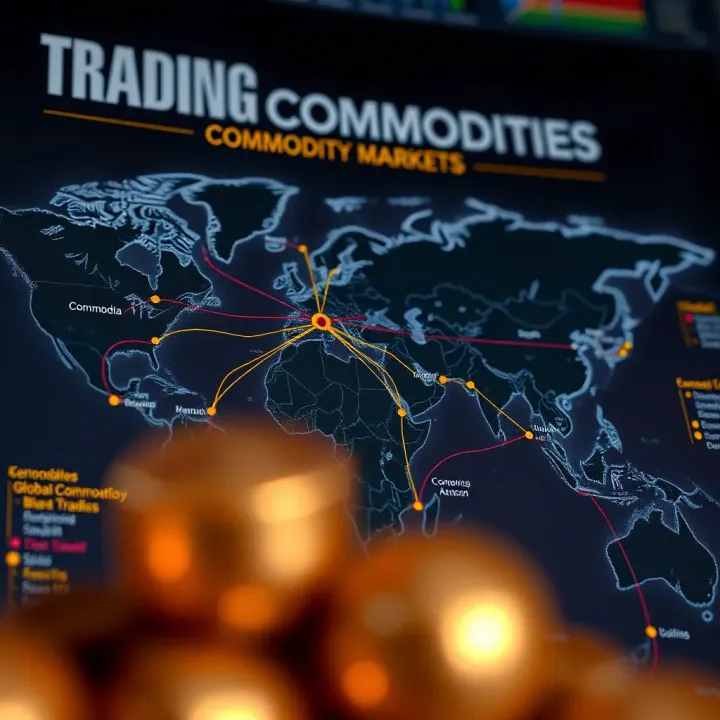
Kenya’s agricultural sector is the backbone of its commodity trade. Products such as coffee, tea, maize, and horticulture dominate local markets and exports. The Nairobi Commodity Exchange (NCX) plays a crucial role by providing a trading platform that allows farmers, traders, and investors to buy and sell agricultural produce securely and transparently.
This market helps reduce middlemen’s impact on prices, allowing better profit margins for producers and more competitive prices for buyers. Kenyan investors can tap into these markets to benefit from seasonal cycles and emerging demand, supporting local livelihoods and their own portfolios.
The East African Community offers regional hubs like markets in Uganda, Tanzania, and Rwanda where commodities move across borders freely. This regional integration expands opportunities for Kenyan traders to access new clients and supply lines beyond domestic borders.
For instance, maize grown in Kenya can find buyers in EAC countries facing shortages, while Tanzanian tea might enter Kenyan markets. By understanding these regional dynamics, investors can spot arbitrage opportunities and leverage emerging trade corridors within the EAC bloc.
Kenya’s local production levels directly affect the supply side of commodity prices. A bumper harvest in maize or coffee often pushes prices down locally, benefitting consumers but squeezing farmers’ earnings. Conversely, droughts or pests can reduce supply, driving prices sharply upwards.
Investors need to track local events like weather patterns, government policies on subsidies, and export bans to understand price movements. For example, a government ban on maize exports to stabilize local food prices affects both local and regional traders. Awareness of these local factors allows investors to anticipate price swings and adjust their commodity trading plans accordingly.
Being alert to the interplay between global market signals and local production realities is key for Kenyan commodity investors seeking steadier returns and better risk management.
Choosing the right method to trade commodities is key for Kenyan investors to navigate both local and global markets efficiently. This section outlines the main approaches available, weighing their practical benefits and challenges to help traders make informed decisions.
Buying physical commodities like maize, tea, or coffee beans may seem straightforward, but it comes with significant hurdles. The cost of securing proper storage facilities to prevent spoilage, especially for perishables, can quickly add up. For instance, an investor holding a large batch of maize must ensure a dry, secure granary to avoid losses from pests or humidity. These storage costs often reduce overall profits, making direct investment less attractive for many.
Trading agricultural commodities within Kenya offers more immediacy but demands good local market knowledge. Nairobi’s City Market or Kisumu’s Makongeni market showcase active trade, but prices fluctuate daily based on supply, weather, and demand. Small-scale traders often rely on informal networks or brokers, which might expose them to trust and payment risks. Still, for investors with strong local ties, direct trading of agricultural products can yield decent returns without the complexities of international markets.
Futures contracts allow investors to buy or sell a commodity at a fixed price on a set future date. This is useful for hedging against price swings. For example, a Kenyan tea exporter might use futures contracts on the London Metal Exchange to lock in prices, avoiding losses if global prices drop. However, futures trading demands a clear understanding of contract specifications and timely settlements, which can be a barrier for many new investors.
Options provide the right but not the obligation to buy or sell commodities, offering flexibility in managing risk. A maize farmer could use options to secure a minimum selling price, protecting against market dips without committing fully like futures. This tool helps investors limit losses while keeping upside potential, making it a strategic choice for those cautious about volatility.
For many Kenyan investors, directly handling commodities or futures is impractical. Instead, commodity Exchange-Traded Funds (ETFs) and mutual funds offer exposure to these markets through financial instruments. These funds bundle various commodities or related assets, allowing investors to participate without worrying about storage or contract management.
Some commodity ETFs, like those focusing on gold or energy, are accessible through Kenyan brokers or international platforms. For instance, the SPDR Gold Shares ETF lets investors gain from gold price movements without physical ownership. While fees and currency risks exist, ETFs provide liquidity and diversification, suiting investors seeking less hands-on commodity trading.
Understanding these trading methods helps Kenyan investors pick the best fit for their experience, risk appetite, and available resources, making commodity investments more accessible and manageable.
Trading commodities isn’t without its hurdles. Kenyan investors must grasp the risks involved to avoid costly mistakes and capitalise on opportunities wisely. Understanding price volatility, regulatory frameworks, and practical trade challenges helps traders build strategies that protect their investments.
Commodity prices often swing sharply. Global demand and supply shifts play a big role. For example, changes in China’s industrial growth can alter the demand for metals like copper, directly impacting prices that Kenyan traders follow. Political events—such as sanctions or conflicts in oil-producing countries—also cause sudden price shifts. Locally, crop harvest outcomes affect agricultural prices; poor maize yields during droughts raise costs, creating risks for traders.
Currency fluctuations are another factor. Since commodities are usually priced in US dollars, a weakening Kenyan shilling can raise domestic costs even if global prices remain steady. This vulnerability means traders need to monitor forex trends alongside commodity markets.
Agricultural commodities are particularly sensitive to seasons and weather patterns. Kenya’s long rains and short rains directly influence crop production like tea and coffee. A delayed or weak rain season can reduce yields, tightening supply and pushing prices up unexpectedly. On the flip side, heavy rains may damage crops or disrupt transport, impacting availability.
Beyond Kenya, extreme weather such as hurricanes hitting the Gulf of Mexico can disrupt oil supplies, spiking prices worldwide. Traders should watch weather forecasts both locally and globally since such events ripple through commodity markets.
In Kenya, commodity trading is regulated by bodies like the Capital Markets Authority (CMA) and the Export Promotion Council. The CMA oversees commodity exchanges and ensures fair practice, while customs regulations influence import-export activities.
Traders must be aware of licensing requirements when dealing in certain commodities, especially agricultural exports like tea and coffee, which have quality control and certification standards. Ignoring these laws risks penalties or shipment delays, which can erode profits.
Exporters need to comply with Kenya Plant Health Inspectorate Service (KEPHIS) standards for agricultural goods, ensuring products meet international quality before shipment. Importers face regulatory checks for safety and taxes, requiring proper documentation.
Payment regulations also apply; for instance, transactions involving foreign currency must follow Central Bank of Kenya rules to prevent money laundering. Proper compliance helps traders avoid legal hiccups and maintain good standing.
One major obstacle is getting timely and accurate data. Unlike stock markets, commodity prices aren’t always instantly accessible in remote areas. Many traders rely on unreliable sources or word-of-mouth, risking decisions based on outdated information.
However, platforms like Nairobi Securities Exchange (NSE) and local commodity hubs provide price updates for selective products. Digital tools and mobile apps expanded access, though coverage gaps still exist in some rural regions.
High transaction costs lower profit margins. Costs include broker fees, storage charges for physical commodities, transport, and currency exchange. For example, shipping Kenyan coffee overseas involves costs that can eat into earnings if not factored well.
Payment options also vary. Many traders use M-Pesa for quick local payments, but cross-border transactions often require bank transfers, which take longer and attract fees. Some have adopted mobile banking integration via platforms like KCB M-Pesa to ease payment flow, although settlement delays can disrupt deals.
Understanding these risks and considerations helps Kenyan commodity traders to make informed decisions, balancing potential rewards with practical challenges that come with the territory.
Commodity trading in Kenya holds distinct opportunities due to the country's rich agricultural base and growing industrial needs. Kenyan investors can benefit by targeting high-demand products locally and considering how industrial development drives commodity use. Understanding effective strategies helps to manage risk and capitalise on market movements, while technology and payment solutions make trading more accessible and efficient.
Kenya's agriculture sector produces staples like maize, tea, and coffee, which are in persistent demand both locally and abroad. For example, Kenyan Arabica coffee is prized internationally, offering a solid option for investment through coffee futures or agricultural commodity funds. Similarly, maize remains vital for local food security, making it a commodity worth monitoring for price movements tied to seasonal yields and import policies.
These agricultural commodities respond strongly to local weather patterns and government regulations, so investors should keep track of seasonal forecasts and policy announcements. For instance, delayed rains during the long rain season affect maize supply, often pushing prices up, which can create trading opportunities.
Kenya's industrialisation and infrastructure projects fuel increased demand for metals like copper, aluminium, and steel. Copper, essential for electrical wiring, has gained attention due to projects such as GEOTHERMALIA and expanding power grids across counties. Aluminium demand rises with construction growth, particularly in Nairobi and Mombasa.
Investors should watch how local projects and imports affect metal prices. Bulk buyers such as construction firms influence demand spikes. Tracking metal prices on international markets like the London Metal Exchange (LME), alongside local infrastructure news, helps Kenyan traders anticipate price trends.
Diversifying investments reduces exposure to the risk of a single commodity’s price swings. For Kenyan investors, a balanced portfolio might mix agricultural products like tea or maize with metals such as gold or copper. This approach shields against factors that uniquely affect one commodity, like drought impacting crops but not necessarily metals.
Diversification also allows investors to tap into different seasonal or economic cycles. As an example, agricultural commodity prices often peak during lean seasons, while industrial metals may rise during periods of intense construction activity.
Timing is key in commodity trading. Kenyan investors can use price charts, moving averages, and other technical analysis tools to spot entry and exit points. Technical analysis helps to understand trends beyond fundamental factors, offering real-time signals during volatile periods.
For instance, if zinc prices show consistent upward movement on the charts alongside positive local manufacturing reports, it might suggest a good buying opportunity. Meanwhile, momentum indicators can warn when prices are overbought or oversold, guiding when to sell or hold.
Kenyan investors often combine commodity trading with stocks, bonds, or real estate to build more resilient portfolios. Commodities can act as a hedge against inflation or currency devaluation – a common concern given the shilling’s periodic vulnerabilities.
For example, pairing agricultural commodity investments with shares in agribusiness companies listed on the Nairobi Securities Exchange (NSE) can provide both capital appreciation and income. This strategy benefits from both price movements in the physical commodity and corporate performance.
Several online platforms now enable Kenyan investors to trade commodities easily. Brokers with access to global commodity futures and ETFs provide portals where you can buy and sell commodities without holding the physical goods. For example, some local brokers facilitate access to commodity ETFs tracking gold or oil prices.
Platforms such as the Nairobi Securities Exchange (NSE) also list companies connected to commodity sectors, allowing indirect participation. These platforms offer tools to analyse trends and manage trades, making commodity investment more approachable.
M-Pesa is pivotal for Kenyan traders in commodities due to its convenience and wide reach. Many trading platforms and brokers accept M-Pesa payments for deposits and withdrawals, eliminating barriers linked to traditional banking.
This ease shortens transaction times and reduces costs, enabling even smaller investors or those in remote areas to participate. Using M-Pesa allows quick fund transfers, which is crucial for responding fast to price changes in the volatile commodity markets.
Smart trading in commodities combines local knowledge with practical strategies and accessible technology. Kenyan investors who adapt to these dynamics stand better chances of success in this rewarding market.
📈 A practical guide for Kenyan investors to master cryptocurrency trading. Learn key strategies, platform tips, risk control, and local regulations.

📈 Discover how to pick the best trading app in Kenya! Learn about security, fees, top features, and expert tips to improve your mobile trading experience.
📈 Learn how Kenyan investors can benefit from copy trading by mirroring expert traders, understanding risks, regulations, and smart strategies for success.
Explore a detailed guide on derivative trading in Kenya 🇰🇪. Learn about types, risks, strategies, and local regulations to trade smarter and safer 📈.
Based on 12 reviews