

A Practical Guide to Online Trading in Kenya
📈 Learn how to start online trading in Kenya safely with tips on platforms, risks, and managing investments using M-Pesa and local market insights.
Edited By
Lily Watson
Trading cryptocurrency in Kenya has gained momentum, attracting a mix of retail investors, analysts, brokers, and finance professionals. The market operates 24/7, unlike traditional stock exchanges, which means you can buy or sell digital coins like Bitcoin, Ethereum, or Ripple anytime, even from your smartphone while travelling on a matatu.
The most common way to trade cryptocurrencies in Kenya is through online platforms or exchanges such as Binance, Paxful, or Bitpesa, which support local payment methods like M-Pesa. You can start trading by opening an account, completing KYC (Know Your Customer) verification, and depositing funds, often in Kenyan Shillings (KSh), before buying digital assets.

Successful trading demands understanding market dynamics and risks. These include the high volatility inherent to cryptocurrencies, regulatory uncertainties in Kenya, and risks of scams or unlicensed platforms.
Kenyan traders should evaluate platforms based on security measures, trading fees, liquidity, and user reviews. For example, some exchanges offer escrow services to protect buyers and sellers, especially in peer-to-peer (P2P) trading.
Risk management is key. Diversifying your portfolio beyond just Bitcoin can help, but keep in mind that altcoins might be less liquid or more volatile. Using stop-loss orders can protect your investments from sudden market crashes.
Tax compliance is increasingly essential. The Kenya Revenue Authority (KRA) has been clarifying how income from crypto trading should be declared. Keep detailed records of your trades and profits to avoid future legal complications.
To get hands-on, consider the following steps:
Register on a reputable crypto exchange that supports M-Pesa deposits
Start with small trades to understand price movements and platform tools
Monitor global and local factors influencing crypto prices, like changes in regulation or tech upgrades
Use wallets for secure storage if you plan to hold assets longer
Kenya’s digital payment ecosystem and growing internet penetration make cryptocurrency trading accessible yet challenging. Being informed and cautious protects you from common pitfalls while allowing you to benefit from this emerging market.
This guide will walk you through the practical aspects, equipping you with the knowledge to navigate the crypto trading scene here with confidence.
Knowing the basics of cryptocurrency trading is the first step for anyone keen on entering Kenya's growing digital currency market. Without understanding key terms, mechanics, and market behaviours, traders risk making costly mistakes. This section lays out fundamental concepts to help you trade wisely, catch real opportunities, and avoid pitfalls.
Definition of cryptocurrency: Cryptocurrency is a type of digital money secured by cryptography, which means it's nearly impossible to counterfeit. Unlike traditional currencies issued by governments, cryptocurrencies rely on decentralised networks — typically blockchain technology — to record and verify transactions. For example, Bitcoin and Ethereum operate on transparent ledgers that anyone can check. Using cryptocurrencies allows for potentially faster and cheaper transfers, making them attractive to Kenyans who already use mobile money services.
Difference between trading and investing: Trading involves buying and selling cryptocurrencies to profit from price changes in the short to medium term. Investors, on the other hand, usually hold digital assets for longer periods, hoping their value grows over time. For instance, a Kenyan trader might buy Bitcoin today and sell it after a few days if prices rise, while an investor might keep it for years. Understanding this difference helps you choose strategies that suit your goals and risk tolerance.
Types of cryptocurrencies traded commonly: In Kenya, the most commonly traded cryptocurrencies include Bitcoin (BTC), Ethereum (ETH), and stablecoins like Tether (USDT) that peg their value to the US dollar. Bitcoin remains dominant due to its wide recognition and liquidity. Meanwhile, Ethereum attracts traders interested in decentralised finance (DeFi) projects, as many apps run on its network. Stablecoins offer a less volatile option, useful during unstable market periods.
24/7 market nature: Unlike traditional stock markets, crypto markets never close. Trading goes on 24 hours a day, seven days a week. This nonstop nature means you can react to market events anytime, even during Kenyan public holidays. However, it also demands vigilance since rapid price swings can occur outside usual business hours.
Exchanges and trading pairs: Cryptocurrency trades happen on exchanges, which act as marketplaces where buyers and sellers connect. Kenyan traders often prefer platforms supporting M-Pesa deposits for easy funding. Each trade involves a pair, like BTC/USDT or ETH/BTC, showing which cryptocurrency you’re buying with another. Picking the right pairs is crucial for liquidity and getting fair prices.
Market volatility and liquidity: Crypto markets are known for wild price swings—sometimes jumping or dropping by double digits within hours. This volatility can bring quick profits but also sharp losses. Liquidity, or how easily you can buy or sell without big price changes, varies between cryptocurrencies and exchanges. Popular coins like Bitcoin usually have high liquidity, making trading smoother, while smaller coins might have less, increasing risks.
Understanding these basics helps you approach cryptocurrency trading in Kenya with clarity and confidence. Knowing how the market ticks allows you to make timely moves and safeguard your funds against common hazards.
Choosing the right platform for trading cryptocurrency is a key step for anyone serious about navigating Kenya's digital asset market. The platform you pick affects everything from ease of deposit and withdrawal to transaction security and the availability of trading pairs. Kenyan traders especially benefit from platforms that support local payment methods like M-Pesa, as it simplifies funding and cashing out.
Local platforms supporting M-Pesa payments: These exchanges have tailored their systems to accept M-Pesa, Kenya’s dominant mobile money service. This means you can deposit and withdraw funds using your mobile phone without the hassle of bank transfers, which might be slower or attract extra charges. For example, platforms like BitPesa or BuyCoins offer straightforward ways to convert shillings to Bitcoin or Ethereum. Using such platforms reduces the delays and costs typically associated with international transfers.
International exchanges and their pros and cons: Popular global exchanges such as Binance, Coinbase, and Kraken welcome Kenyan traders but often lack direct M-Pesa support. Instead, you may need to deposit via bank transfers or use card payments. While these international platforms usually have wider cryptocurrency options and deeper liquidity, Kenyan users should be aware of currency exchange fees and withdrawal restrictions. Also, due to lack of local currency pairing, extra steps like converting KSh to USD or EUR might add cost and time.
Security features to look for: A reliable platform uses multiple layers of security. Look for exchanges offering two-factor authentication (2FA), cold storage for cryptocurrencies, and regular security audits. Platforms that alert users on suspicious login attempts or unusual transactions provide extra protection. Since scams and hacks happen even on big exchanges, leaning towards those with solid reputations and clear transparency can save you grief.

Identity verification (KYC) processes: Know Your Customer (KYC) procedures are legally required in most regulated markets to curb fraud and money laundering. For Kenyan traders, completing KYC usually means uploading a national ID or passport and proof of residence. While it may seem like an extra step, this process improves your chances of safe transactions and quicker dispute resolution.
Linking bank accounts and mobile money: Linking your trading account to local banking or mobile money like M-Pesa makes transferring funds smoother and faster. Confirm that your exchange supports mobile wallets if you prefer using M-Pesa. Also, ensure the linked accounts are under your name to prevent delays or issues during withdrawals.
Securing your wallet and accounts: Once your account is set up, securing your cryptocurrencies is critical. Use wallets recommended or supported by your exchange, preferably hardware wallets or apps with strong encryption. Never share your private keys or backup phrases. Additionally, change passwords regularly and avoid using public internet connections when trading.
Safety starts with your choice of platform and how you manage your account. Taking time to set up properly can prevent costly mistakes later.
Selecting a platform that fits Kenyan trading realities while upholding high security standards will enhance your experience and safeguard your funds. This step lays a solid foundation for all your cryptocurrency trading activities.
Successful cryptocurrency trading in Kenya demands more than luck—it requires sound strategies and practical tips that help you make informed decisions, protect your investments, and optimise profits. With the market's volatility and unique local challenges, understanding key methods like market analysis, risk management, and common pitfalls is vital for effective trading.
Technical analysis basics involve studying historical price data and market trends to predict future movements. Using tools like moving averages and support-resistance levels helps traders spot entry and exit points. For example, a Kenyan trader may notice Bitcoin's price bouncing off a certain level repeatedly; this suggests a support zone, signalling a possible buy opportunity.
Fundamental analysis approach looks at the underlying factors affecting a cryptocurrency's value. This might be news of regulatory changes from the Central Bank of Kenya, adoption rates in East Africa, or significant partnerships announced by blockchain projects. Traders using fundamental analysis weigh these real-world events against market sentiment to decide whether to hold or sell.
Using charts and indicators is essential for combining technical and fundamental perspectives. Candlestick charts show price movements within specific periods, while indicators like the Relative Strength Index (RSI) gauge if a coin is oversold or overbought. For instance, spotting an RSI below 30 might indicate a buying opportunity in an otherwise volatile asset.
Setting stop-loss orders protects you from severe losses by automatically selling a coin once it drops to a certain price. Suppose you buy Ethereum at KSh 50,000; placing a stop-loss at KSh 45,000 could limit your loss to 10%. This tool helps Kenyan traders avoid emotional decisions during sudden market swings.
Managing trade sizes means not risking too much on a single trade. A common rule is risking no more than 2-5% of your total trading capital on one position. For example, if your portfolio is KSh 100,000, your maximum trade size might be KSh 2,000 to KSh 5,000. This approach prevents any single loss from wiping you out.
Diversifying your crypto portfolio spreads risk across different assets rather than betting all on one coin. In Kenya, you could hold Bitcoin (BTC), Ethereum (ETH), and then smaller local altcoins available on popular exchanges. This mix protects you if one asset underperforms.
Chasing price hype or FOMO (Fear of Missing Out) leads many traders to jump into rising coins without proper analysis. This behaviour often results in losses when the price corrects sharply. For instance, buying Dogecoin during viral hype without understanding its fundamentals can be risky.
Overtrading and emotional decisions drain your capital through frequent unsuccessful trades. Kenyan traders might get tempted to trade every market move, but patience and discipline usually yield better returns.
Ignoring fees and taxes can erode your profits significantly. Some platforms charge high withdrawal or trading fees, and KRA expects Kenyan taxpayers to declare crypto earnings. Keeping track of these costs helps ensure net profits remain attractive.
Remember, trading crypto in Kenya means balancing ambition with caution—solid strategies increase your chances of success while protecting you from common traps that many fall into.
Understanding the legal and tax landscape is vital for cryptocurrency traders in Kenya. While crypto offers exciting opportunities, its unregulated nature here means traders must be cautious about compliance with Kenyan laws to avoid penalties. Knowing how tax rules apply to digital assets can also prevent future financial headaches.
Kenya's Central Bank (CBK) has maintained a cautious stance on cryptocurrencies. Officially, CBK has warned the public about the risks of dealing in digital coins but has yet to put in place clear regulations specifically governing crypto trading. Other agencies, such as the Capital Markets Authority (CMA), watch developments closely but still lack formal frameworks covering cryptocurrencies. Practically, this means traders operate in a grey area, with no guaranteed legal protection or official recourse if disputes arise.
The lack of formal regulation carries risks. Without recognised rules, some platforms or schemes operate without oversight, exposing traders to fraud or scams. Moreover, ambiguous status makes it harder for traders to confirm the legitimacy of exchanges or wallets, increasing vulnerability. For instance, a Kenyan trader might deposit funds on an unlicensed platform only to find withdrawal blocked later.
Traders should watch out for signs of illegitimate operations. Be cautious of promises of guaranteed returns or unusually high interest rates, which often mask Ponzi schemes. Due diligence on any exchange or wallet—including verifying their contact information, regulatory status, and community feedback—is crucial. Besides, always avoid sharing sensitive personal or security data to prevent phishing or identity theft.
Kenya Revenue Authority (KRA) expects taxpayers to declare incomes from all sources, cryptocurrencies included. While KRA has not issued crypto-specific tax laws, gains from buying and selling digital currencies are currently treated as taxable income or capital gains depending on the trader’s circumstances. For example, a profit from selling Bitcoin above the purchase price should be reported as part of annual income.
Reporting profits and losses requires careful recordkeeping. Traders must declare their gains in annual tax returns, showing clear evidence of transactions. Losses can typically be offset against other capital gains, reducing overall tax liability. Failure to report crypto earnings can lead to penalties or extra scrutiny during tax audits.
Good recordkeeping is essential. Maintain detailed logs of transaction dates, amounts, purchase prices, sale prices, and related fees. Use digital tools or simple spreadsheets to capture each trade’s particulars. This habit helps when filing KRA returns and in case of future audits. It also gives traders a clearer financial picture, assisting better decision-making.
By understanding these legal and tax aspects, Kenyan traders can navigate the emerging crypto market more safely and confidently, focusing on opportunities with reduced risks.
In Kenya’s growing cryptocurrency market, protecting yourself from fraud and scams is essential. Scammers often target new and experienced traders alike, aiming to exploit gaps in knowledge or carelessness. Understanding common scams and how to guard against them keeps your funds safe and supports smarter trading. This section highlights key risks and simple measures you can use to avoid costly mistakes.
Ponzi and pyramid schemes have slipped into the crypto space under different guises. These scams promise unusually high returns with little to no risk, often sounding too good to be true. In Kenya, such schemes may approach traders through social media or WhatsApp groups, inviting you to invest with guaranteed profits. The problem is that returns pay out only from new investors, not real earnings. Eventually, the scheme collapses, leaving late participants with heavy losses.
Stay alert for any trading or investment opportunity that pressures you to recruit others or promises fixed returns regardless of market movements. Legitimate crypto trading carries risks and no guaranteed profits.
Some scammers create fake cryptocurrency exchanges or digital wallets that look legitimate but are designed to steal your money or personal data. For example, a fake exchange might show real market prices but refuse your withdrawal requests or disappear altogether after you deposit funds. Fake wallets may ask for your private keys or recovery phrases, which they then use to empty your account.
Always confirm that the exchange or wallet you use is well-known and has positive reviews. Avoid downloading wallets from unofficial sources or clicking links from unknown senders. Real exchanges usually require thorough identity verification and offer transparent support channels.
Phishing is a common method where scammers impersonate trustworthy sources to trick you into giving sensitive information like passwords or private keys. They may send emails, SMS, or social media messages appearing to be from your exchange or wallet provider. Social engineering can also involve convincing you to share login details or approve fraudulent transactions.
Kenyan traders need to be cautious with any unsolicited messages requesting private data. Never follow links or download attachments from unverified contacts. Always log into your accounts directly through official websites or apps rather than through emailed links.
Two-factor authentication (2FA) provides an extra layer of security for your crypto accounts. It requires you to enter a code from a separate device — usually a phone app like Google Authenticator or SMS — alongside your password. This makes it harder for hackers to access your account even if they steal your password.
Enabling 2FA on your trading platforms and wallets is a simple but highly effective defence against unauthorised access. Many Kenyan exchanges encourage this and some even make it mandatory.
Private keys are like the master password to your crypto holdings. Keeping them offline, in what's called cold storage, means your keys are not connected to the internet and hence less vulnerable to hacking. This can be a hardware wallet or even a paper wallet safely stored away.
For Kenyan traders holding significant amounts, cold storage is the safest way to protect assets over time. Avoid sharing your private keys or entering them on online devices unless absolutely necessary.
The crypto world changes fast, with new scams emerging regularly. Staying informed through alerts from trusted sources—whether local regulators, exchange platforms, or reputable news outlets—helps you spot fresh risks early.
Join community forums or subscribe to newsletters that focus on Kenyan crypto markets. This awareness allows you to adapt security practices and avoid falling victim as scammers evolve their tactics.
Protecting your funds starts with knowledge and good habits. By recognising common scams and practicing sound security, you strengthen your position in Kenya’s crypto trading arena, reducing risks and boosting confidence.
📈 Learn how to start online trading in Kenya safely with tips on platforms, risks, and managing investments using M-Pesa and local market insights.

📈 Learn how Kenyan investors can benefit from copy trading by mirroring expert traders, understanding risks, regulations, and smart strategies for success.

Explore a detailed guide on derivative trading in Kenya 🇰🇪. Learn about types, risks, strategies, and local regulations to trade smarter and safer 📈.
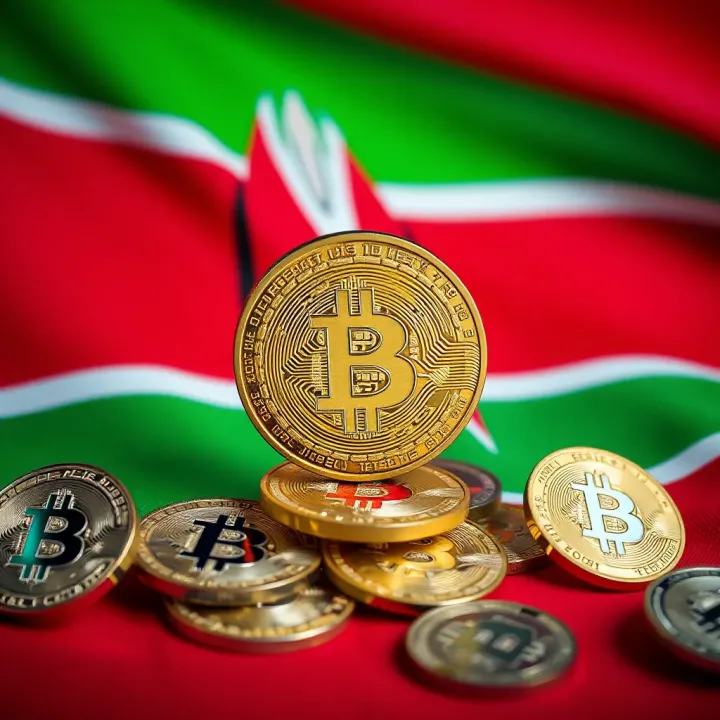
Explore practical crypto trading tips 🇰🇪 for Kenyans, from basics to risks & regulations, and trade confidently in Kenya’s evolving market 💹🔒
Based on 6 reviews