

Deriv.com Login Guide for Kenyan Traders
🔑 Step-by-step guide for Kenyan traders on Deriv.com login, account setup, security tips, common issues, and smart platform use. Trade confidently! 📈
Edited By
Charlotte Bennett
Trading can feel like navigating a maze sometimes, especially when you're trying to manage charts, market signals, and orders all at once. For Kenyan traders, using the right tools helps simplify this complex dance. Two platforms, TradingView and Deriv, have grown popular because they complement each other well, offering both in-depth market analysis and efficient trade execution.
TradingView is known for its clean charts and powerful technical indicators. When you log in, you get access to real-time data on stocks, forex, commodities, and cryptocurrencies. The platform’s social feature lets you see ideas from other traders, which can spark fresh trading strategies. On the other hand, Deriv acts more like your trading floor, where you can place real trades based on analyses you gather.
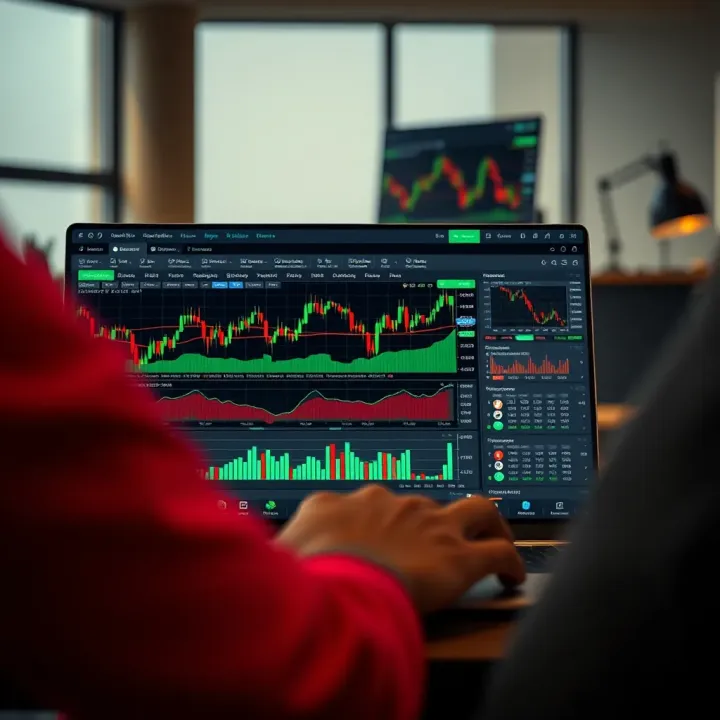
By combining these tools, Kenyan traders can watch market moves closely on TradingView, then quickly act on those insights via Deriv. For example, imagine you notice a clear trend reversal on a Forex pair via TradingView’s RSI indicator. Instead of switching platforms and risking delayed decisions, you can cross-check your analysis and then open a position straightaway on Deriv.
Using TradingView and Deriv together reduces guesswork and missed opportunities, especially in Kenya’s fast-moving market environment.
Here’s how you can approach this pairing practically:
Charting and Analysis on TradingView: Use features like candlestick patterns, volume indicators, and Fibonacci retracements to identify potential entry and exit points.
Executing Trades on Deriv: When you identify a trading opportunity, enter the market quickly through Deriv’s user-friendly interface, which supports various asset types.
Monitoring and Adjustment: Keep both platforms open to track live price changes, adjusting your strategy as the market shifts.
TradingView supports Kenyan Shilling pairs and local market instruments, making it relevant for those who focus on regional stocks, while Deriv provides the liquidity and order types needed to capitalise on these opportunities.
In short, understanding how these platforms fit together can give you an edge, helping you navigate Kenya’s trading scene with methods backed by data and smart execution. Next, we will break down their key features and how to sync them effectively for your trading style.
For Kenyan traders aiming to enhance their market understanding and execution, knowing the fundamentals of TradingView and Deriv is a practical starting point. These platforms serve different but complementary functions, helping you make more informed decisions and manage your trades effectively.
TradingView is essentially a web-based charting platform popular for its detailed and customisable charts. It pulls in live market data from various financial instruments like stocks, forex, cryptocurrencies, and commodities. For example, a trader in Nairobi interested in the NSE (Nairobi Securities Exchange) can access charts reflecting price movements instantly.
The strength of TradingView lies in its wide range of technical indicators, drawing tools, and community-published trading ideas. This means you can analyse market trends using tools like moving averages or RSI (Relative Strength Index) and even view strategies that other experienced traders share openly. This social aspect allows you to learn from a network of traders, not just rely on your own analysis.
One practical benefit is that TradingView lets you customise your workspace to fit your trading style, whether you're analysing price action for short-term swings or longer-term investments. This flexibility improves how you spot opportunities and manage risk.
Deriv, on the other hand, is a trading platform that provides direct access to buy or sell various financial instruments. What sets Deriv apart for Kenyan traders is its simple interface combined with access to options, forex, CFDs (Contracts for Difference), and synthetic indices.
Consider a Kenyan trader who wants to speculate on forex pairs like USD/KES or commodity prices such as oil or gold; Deriv allows this through straightforward trading contracts. The platform also offers demo accounts, which are valuable for practising without real money.
Moreover, Deriv integrates risk controls like stop-loss and take-profit orders, which help protect capital—a key point for Kenyan traders operating with tight budgets. The platform supports multiple deposit methods familiar in Kenya, like M-Pesa and bank transfers, ensuring smooth funding and withdrawals.
Understanding how TradingView’s analysis tools and Deriv’s trading services work together can significantly sharpen your trading edge by giving you accurate market insights alongside timely trade execution.
Together, these platforms provide a two-pronged approach: detailed market analysis through TradingView and actionable trading execution with Deriv. Kenyan traders who embrace this combo will likely find navigating markets more manageable and potentially more rewarding.

Using TradingView alongside Deriv can sharpen your trading strategies by combining powerful chart analysis with direct trading execution. TradingView offers detailed charts and a wide range of technical indicators, while Deriv provides a convenient platform for placing trades on currencies, commodities, and indices. For Kenyan traders, leveraging both platforms helps cut through market noise and make informed decisions faster.
Starting with TradingView is straightforward. Visit the TradingView website and sign up using your email or social accounts like Google. The free account already grants access to many chart types and popular indicators, which works well for beginners or traders testing strategies. For more advanced tools—like multiple chart layouts or custom alerts—consider upgrading to a paid plan.
Once signed in, customise your chart workspace to suit your trading style. For example, if you're following forex pairs popular in Kenya like USD/KES or EUR/USD, add them to your watchlist for quick access. Using indicators like moving averages or RSI can reveal potential entry and exit points. You can also set price alerts that notify you on your mobile or email, helping you stay on top of market moves without watching the screen all day.
After analysing charts on TradingView, the next step is to apply that insight in Deriv's trading platform. While there's no automatic sync between TradingView and Deriv, you can manually use TradingView signals to guide your trades. For instance, if TradingView shows a bullish crossover on a currency pair, you can open a 'buy' position on Deriv for that underlying asset.
Some Kenyan traders keep TradingView and Deriv running side-by-side on desktop or separate devices to monitor real-time charts and quickly execute trades. It’s also helpful to document your trading rationale—like noting the indicator signals or patterns spotted—before placing trades on Deriv. This habit builds discipline and improves decision-making over time.
Remember, using TradingView does not guarantee profits on Deriv, but combining chart analysis with a reliable trading platform reduces guesswork and gasps caused by sudden market moves.
In summary:
Create a TradingView account to access charting tools.
Set up watchlists and alerts tailored to Kenyan-traded assets.
Use TradingView signals as a guide, then manually execute trades on Deriv.
Monitor both platforms simultaneously for real-time decision-making.
This approach gives Kenyan traders a practical edge, blending detailed market analysis with agile trading execution to manage risks and capture opportunities consistently.
TradingView offers several useful features that fit well with Deriv’s trading platform, helping Kenyan traders make better decisions and improve their chances of success. These features range from advanced chart customisation to lively trader communities sharing insights. Leveraging these tools can bring more clarity and confidence when entering or exiting trades.
One standout feature of TradingView is its customisable charts. Traders can tailor charts to match their preferred style, whether that's candlestick, line, bar, or Heikin-Ashi charts. Plus, indicators like Moving Averages, Relative Strength Index (RSI), or Bollinger Bands can be added and adjusted easily.
For example, a trader focusing on forex pairs popular in Kenya, like USD/KES, can create a chart overlay combining RSI and MACD indicators to spot momentum shifts. Unlike static charts, these adaptable tools provide a clearer picture of market movements specific to your trading strategy.
TradingView integrates real-time market data from global exchanges and regional markets, which syncs well with Deriv’s live trade execution. This means Kenyan traders receive up-to-date price actions and can react promptly to market changes without delay.
Say a trader spots a sudden price spike in commodity CFDs like gold on TradingView; they can immediately place an order on Deriv to capitalise on the shift. This live data connection helps avoid missed opportunities caused by lag or outdated information.
Beyond technical tools, TradingView hosts a strong community of traders who share charts, analysis, and trading ideas. This aspect provides Kenyan traders with fresh perspectives and potential strategies to consider.
For instance, when following top contributors who analyse African markets or commodities relevant locally, a trader might pick up on emerging trends or warnings not yet widely known. Engaging with this community lets you compare your own analysis against others, refining your approach.
Using TradingView’s features together, Deriv users in Kenya can better read markets, manage risks, and discover new trading ideas — all essential for sustained success in active trading.
In summary, TradingView’s adaptable charts, up-to-the-minute market data, and active community insights form a solid trio of benefits. They complement Deriv’s trading environment, enabling Kenyan traders to take advantage of timely, relevant, and user-friendly tools.
TradingView and Deriv together offer Kenyan traders a powerful combo for making smarter trading moves. TradingView's charting tools and indicators help spot trends early, while Deriv provides a platform to act on these insights in real time. Practical strategies that blend technical analysis with disciplined trade execution can improve both accuracy and risk control.
Knowing when to enter or exit a trade is key to maximising profit and cutting losses. TradingView offers tools like trendlines, support and resistance levels, and indicators such as the Moving Average Convergence Divergence (MACD) or Relative Strength Index (RSI), which can signal overbought or oversold markets. For example, a Kenyan trader watching the NSE 20 Index might use RSI to spot a dip below 30, indicating the market is oversold and could rebound soon — a potential entry point.
Entry points usually align with confirmation signals. Say you notice a bullish candlestick pattern on TradingView combined with the MACD line crossing above the signal line; this adds weight to a buying decision on Deriv. Similarly, exit points can be defined by hitting resistance zones or when indicators suggest weakening momentum. Setting automatic alerts on TradingView for these indicators can help you react quickly without being glued to the screen.
Trading without solid risk management is like walking across a busy road blindfolded — risky and likely to end badly. Kenyan traders often face volatility, currency fluctuations, and varying liquidity levels, so it’s wise to adopt strong risk rules.
Start with defining how much of your capital you're willing to risk per trade—commonly between one and two per cent. Use Deriv’s stop-loss orders to limit potential losses. For example, if you trade forex on Deriv, setting a stop-loss 2% below your entry price ensures losses stay manageable even when markets swing unexpectedly.
Diversifying trades across different assets or trading sessions helps reduce exposure. Plus, keep an eye on fees and spreads; these can eat into profits, especially on smaller trades.
Tip: Use the "risk-reward ratio"—aim for trades where potential profit is at least twice the possible loss, ensuring that even a few winning trades can cover several losses.
Together, identifying clear entry and exit points with proper risk controls enables Kenyan traders to navigate the markets with more confidence, making the most of what TradingView and Deriv offer without exposing themselves to unnecessary risks.
Using TradingView alongside Deriv can certainly sharpen your trading edge, but Kenyan traders often face real challenges that can affect performance and costs. Understanding these hurdles head-on helps you prepare better and avoid costly mistakes when integrating these platforms for your trading activities.
Technical glitches and unstable internet can disrupt smooth trading sessions, particularly when you rely on two separate platforms like TradingView for analysis and Deriv for execution. For example, if your internet connection fluctuates during a volatile market move, chart updates on TradingView might lag, causing delayed decision-making. Similarly, integration tools connecting TradingView signals to Deriv trades can intermittently fail due to server issues or API limits.
In Kenya, many traders depend on mobile data networks which can experience drops, especially in areas with poor coverage. This makes it advisable to have backup connectivity options, like a secondary network SIM or fixed broadband where possible. Also, ensure your devices are well optimised — closing unnecessary apps and keeping software updated reduces the risk of freezes or crashes.
Costs tied to trading on Deriv combined with premium TradingView features can pile up quickly if you're not careful. Deriv charges spreads, commissions, or overnight fees depending on the contract and asset you trade. On the other hand, while TradingView offers a free tier, accessing advanced charting tools or multiple indicators typically requires a paid subscription.
Kenyan traders should weigh the benefits of TradingView's premium services against these costs. For instance, subscribing to TradingView's Pro plan at around KSh 2,500 monthly might be worthwhile if it significantly improves your trade timing. However, frequent trading on Deriv without disciplined money management can erode profits due to fees.
Keeping track of all fees—whether spreads on Deriv contracts or subscription charges on TradingView—is essential. Use spreadsheets or budgeting apps to monitor monthly trading expenses. This awareness enables you to adjust your trading frequency or switch to less costly plans, ensuring your net returns are not swallowed by hidden costs.
Combining TradingView and Deriv offers powerful tools but requires vigilance over technical stability and trading expenses. Being prepared minimizes surprises and keeps your trading smooth and profitable.
With these challenges in mind, Kenyan traders can better navigate the integration, improving overall efficiency and maximising returns from both platforms.
🔑 Step-by-step guide for Kenyan traders on Deriv.com login, account setup, security tips, common issues, and smart platform use. Trade confidently! 📈
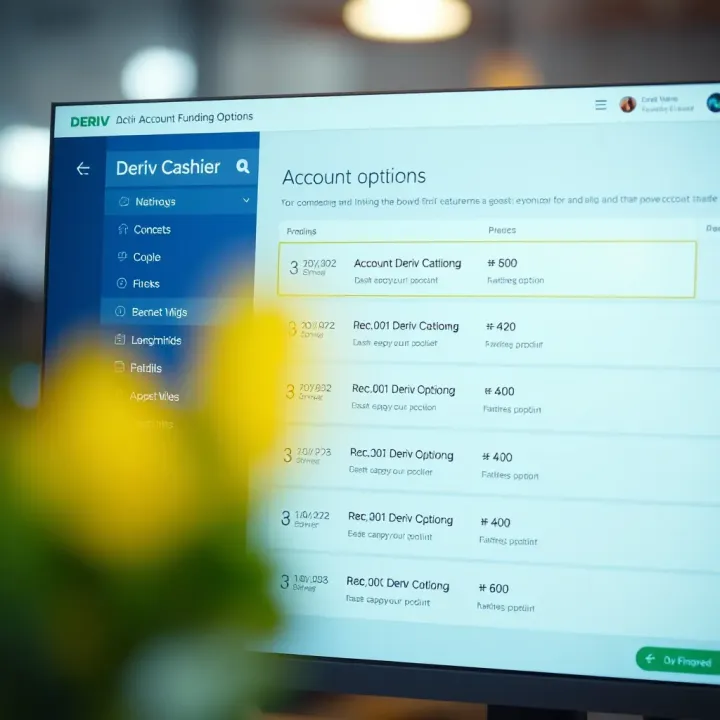
Explore how Kenyan traders can smoothly use Deriv Cashier 🏦 to fund accounts, withdraw securely, and troubleshoot issues for hassle-free trading.
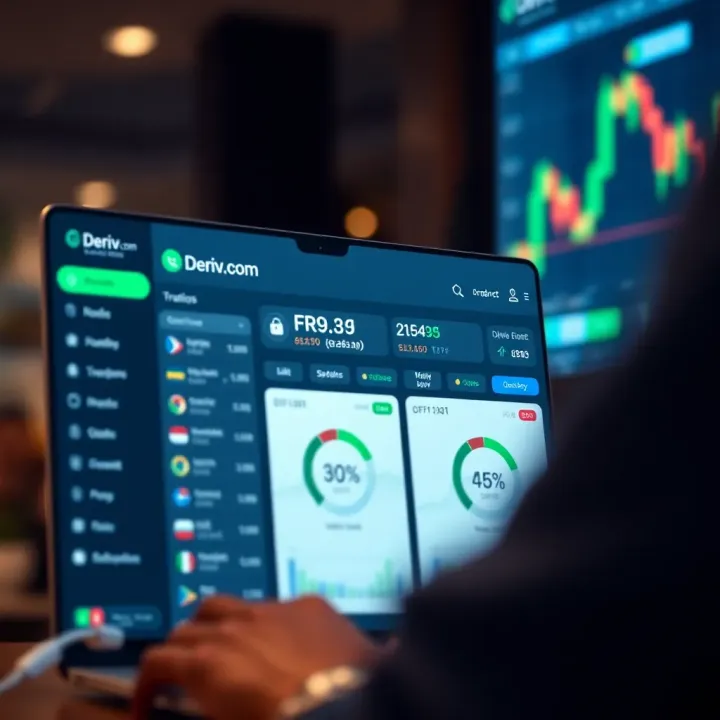
📱 Discover how to navigate the Deriv.com app with ease: setup, trading tips, security, withdrawals, and solid support—perfect for Kenyan traders!
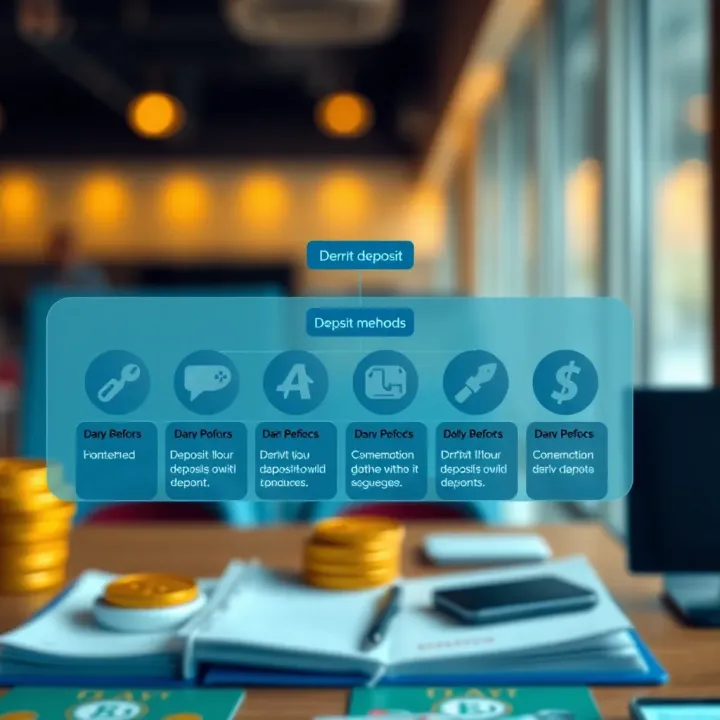
💼 Learn about Deriv minimum deposit options for Kenyan traders, including payment methods, currency tips, and security advice for smooth funding.
Based on 5 reviews