

How to Integrate Deriv with TradingView Charts
🔧 Learn how to seamlessly connect Deriv trading functions with TradingView charts. Explore key features, steps, and tips for smooth integration and better trades.
Edited By
James Thornton
TradingView integration with Deriv offers a powerful combo for Kenyan traders aiming to improve their market analysis and strategy building. This partnership brings TradingView’s advanced charting tools directly into the Deriv platform, making it easier to spot trading opportunities without juggling multiple windows or platforms.
Kenyan traders often face challenges in accessing reliable, real-time charts that cater to both local and international markets. TradingView fills this gap by delivering intuitive, interactive charts with a broad range of technical indicators and drawing tools. When combined with Deriv’s user-friendly interface and diverse financial products, it transforms everyday trading into a smarter, more informed activity.

With TradingView charts embedded on Deriv, traders get immediate access to price movement, historical data, and trend analysis all in one place, saving time and boosting accuracy.
This integration allows seamless switching between chart analysis and trade execution. Kenyan traders can open a TradingView chart within Deriv, customise indicators like Moving Averages or RSI, and place trades directly from the same dashboard. Such fluidity helps traders act promptly on insights, which is especially crucial in fast-moving markets.
Real-Time Market Data: TradingView's connection ensures live price updates relevant to Forex, commodities, indices, and synthetic indices offered on Deriv.
Enhanced Technical Analysis: Traders can overlay multiple indicators and draw trendlines or Fibonacci retracements, adding depth to their decision-making.
Simplified Workflow: No need to switch between apps; analysis and execution happen in one place.
Accessibility: Accessible on desktop and mobile, which suits Kenya's growing number of digital traders using smartphones.
Using this integration, a trader tracking the EUR/USD pair can spot a breakout pattern on TradingView and instantly place a contract on Deriv. This real-time action is a step up from relying on delayed chart updates or separate trading terminals.
Kenyan users get access to:
Multiple chart types: candlestick, line, bar, and more
Customisable time frames spanning seconds to months
Over 100 built-in technical indicators
Drawing tools for support/resistance and trend channels
Alerts to notify traders of price movements or indicator triggers
These features cater well to traders who prefer technical trading approaches or those who combine fundamentals with chart signals.
The setup is straightforward on Deriv; once logged in, you open the TradingView window from the market chart section and start analysing. It’s user-friendly enough for novices but robust enough for seasoned analysts.
This clarity and convenience help remove obstacles many Kenyan traders face when seeking reliable, all-in-one trading solutions. Soon we can look into usage tips and common challenges to be aware of.
Understanding the key players—TradingView and Deriv—is essential for Kenyan traders looking to optimise their strategies using integrated tools. Both platforms serve distinct but complementary roles that, when combined, offer a powerful trading experience.
TradingView is a web-based platform popular worldwide for its advanced charting tools and social trading community. It offers access to real-time market data for stocks, forex, commodities, and cryptocurrencies. Traders rely on TradingView to analyse price movements using a variety of technical indicators and customisable chart settings. For example, a Nairobi-based forex trader can track the USD/KES pair live, drawing trendlines or setting alerts for breakout points without needing separate software. This immediacy and flexibility make TradingView a go-to tool for market analysis and decision-making.
Deriv is an online trading platform offering access to multiple financial instruments including CFDs (Contracts for Difference), forex, and synthetic indices. It has a user-friendly portal tailored to a diverse trader base, from beginners to professionals across markets such as Kenya. Deriv focuses on offering smooth order execution, diverse account types, and localised support, including popular payment options like M-Pesa. Kenyan traders benefit from Deriv’s flexible leverage options and risk management tools, enabling them to match trades to their comfort level and market knowledge.
The integration of TradingView charts directly into the Deriv platform bridges analysis and execution. Instead of toggling between separate apps, traders view interactive TradingView charts embedded within their Deriv dashboard. This synergy allows the use of TradingView’s advanced indicators, multiple timeframes, and chart drawing tools to inform trades placed immediately on Deriv. For instance, a trader spotting a bullish RSI divergence on TradingView can quickly execute a buy order on Deriv. This integration reduces delays common in using external charting software, helping traders react promptly to market moves.
The combined strength of TradingView’s analysis tools and Deriv’s trading engine offers a seamless experience that supports better timing and strategy execution, which is especially valuable in fast-moving Kenyan markets.

Together, these platforms create a practical environment for smarter trading, empowering Kenyan traders to analyse markets deeply and act swiftly without leaving their primary trading interface. This overview sets the stage for exploring key features and benefits of using TradingView within the Deriv ecosystem.
TradingView’s integration into Deriv brings practical tools that enhance how traders analyse markets and execute trades. These features are not just about flashy visuals; they deliver real utility, especially for Kenyan traders who follow volatile markets or trade across different assets.
The core of TradingView on Deriv is its interactive charts, which display price movements in clear and adaptable formats. These charts allow users to zoom into specific time frames—from minutes to months—which helps traders catch short-term swings or longer trends. The platform offers over 100 technical indicators, ranging from simple moving averages to more complex ones like the Ichimoku Cloud. For example, a Kenyan trader watching coffee futures can apply the Relative Strength Index (RSI) to spot when prices are overbought or oversold, informing timely entry or exit.
Interactive charts also let you draw trendlines, Fibonacci retracements, and support-resistance levels directly on the graph. These tools make it easier to visualise price patterns and make technical analysis more precise without jumping between apps or software.
Deriv users can build and apply trading strategies directly with TradingView’s scripting language called Pine Script. This offers more control for experienced traders who want to automate signals or test strategies before risking real money. For instance, you could programme an alert that triggers when the 50-day moving average crosses the 200-day moving average, a common bullish signal known as the golden cross.
Alerts are especially handy; you don't need to stare at charts all day. You get notified via email, SMS, or app notifications when your conditions are met. A Kenyan day trader can, for example, set alerts on Forex pairs like USD/KES to take advantage of market movements triggered by local economic announcements.
Accessing TradingView’s tools on Deriv is straightforward, with a user interface designed for both beginners and pros. The clean layout avoids clutter and makes navigation intuitive, so traders don't waste time figuring out how to switch between charts or apply indicators.
The platform is web-based, meaning Kenyan traders can use it on their laptops, desktops, or even tablets without extra installations. This is key for traders on the go or those who may not have the fastest internet connection. Plus, the seamless integration ensures that when you execute a trade from a TradingView chart on Deriv, you don't get lost switching between screens.
The ability to customise your workspace and save layouts means every trader can create an environment that suits their style and needs, whether focusing on commodities, currencies, or stock indices.
In summary, TradingView on Deriv equips traders with highly interactive and customisable charting tools, reliable alerts, and an easy-to-use interface—all crucial for making informed and responsive trading decisions in Kenya’s dynamic markets.
TradingView charts on Deriv provide Kenyan traders with access to real-time market data, which is a game-changer for making informed decisions. The continuous flow of up-to-the-minute information allows traders to react instantly to price movements, news releases, or economic events that affect markets like forex, commodities, and indices. For instance, a forex trader monitoring the USD/KES pair can spot sudden shifts caused by Central Bank of Kenya (CBK) policy announcements and adjust their trades accordingly. This timely data reduces reliance on delayed information sources, helping to avoid costly mistakes that often happen when using outdated charts.
One of the major hurdles for Kenyan traders has been funding accounts quickly and securely, but Deriv’s integration supports popular local payment methods such as M-Pesa, Equitel, and Airtel Money. This seamless payment setup means traders do not have to struggle with international bank transfers or complicated currency exchanges. The ability to deposit and withdraw Kenya Shillings directly simplifies cash flow management and encourages steady trading activity. For example, a trader using M-Pesa can top up their Deriv account within minutes and begin trading on TradingView charts without waiting for long clearance periods.
Deriv's platform offers a wide variety of assets accessible through TradingView charts, catering to Kenyan traders’ varied interests. These range from forex pairs involving the Kenyan shilling to global commodities like gold and crude oil, and even synthetic indices that operate 24/7. By catering to multiple asset classes, traders can diversify their portfolios and reduce risk. A Nairobi-based investor could, for example, switch between trading forex during the day and synthetic indices at night, taking advantage of different market cycles without changing platforms or tools.
Using TradingView on Deriv gives Kenyan traders an edge through reliable data, easy account funding, and broad market access. This combination helps traders stay sharp, nimble, and connected to both local and global opportunities.
These benefits address common trading challenges faced locally and help establish a more practical, efficient approach to online trading. Kenyan traders gain solid analysis tools backed by a supportive environment that understands their market realities.
Using TradingView on Deriv maximises your ability to trade smarter by combining powerful charting tools with a simple trading platform. This section explains how to set up your charts, apply technical indicators used in Kenyan markets, and manage your trades effectively. Getting these aspects right helps you react quickly to market changes and improves decision-making.
Begin by opening the TradingView chart directly within Deriv’s platform. Select the asset you want to trade—this could be forex pairs like USD/KES, commodities such as crude oil, or indices available on Deriv. Customise the chart type to your preference: candlestick charts are popular because they show opening and closing prices clearly, which Kenyan traders find useful.
Adjust the timeframe to suit your trading style. Day traders might pick shorter intervals, say 5 or 15 minutes, to capture quick price movements during Nairobi trading hours. Long-term investors might prefer daily or weekly views to spot larger trends. Don’t forget to save your chart layout so you can return to it easily each time you log in.
Technical indicators help identify market trends and entry or exit points. For Kenyan traders focusing on foreign exchange or agricultural commodity prices, indicators like the Relative Strength Index (RSI) and Moving Averages (MA) are quite practical.
RSI signals overbought or oversold conditions, which is useful when following forex pairs such as USD/KES or EUR/USD popular among local investors. Moving Averages smooth out price data to reveal underlying trends, aiding decisions in volatile markets like maize or coffee futures.
Besides these, Bollinger Bands can highlight price volatility – an important factor during Kenya’s short rains season when commodity prices may shift abruptly. You can add these indicators easily on TradingView charts within Deriv and adjust their parameters for finer tuning.
Effective trade management on Deriv requires monitoring positions and adjusting stops or limits as needed. TradingView’s alert system is valuable here. You can set alerts for specific price levels or indicator signals, allowing you to respond quickly when your conditions are met.
For example, if trading an oil contract during global market openings, set an alert for price breakouts. When the alert triggers, you can decide whether to enter, add to, or close a position based on your trading plan.
It’s also wise to combine TradingView’s chart insights with Deriv’s order types—like limit or stop loss—to control risks. By regularly reviewing your charts and alert notifications, you avoid missing opportunities or suffering unnecessary losses.
Using TradingView effectively on Deriv is not just about spotting trends but managing trades smartly based on real-time insights. This approach suits Kenyan traders who face unique market rhythms and seek responsive yet straightforward tools.
With these steps, you build a practical trading routine that blends thorough analysis and timely execution, enhancing your chance to succeed on Deriv’s platform.
TradingView's integration with Deriv offers powerful trading tools, but users often face challenges that can affect their experience. Addressing these challenges is vital for traders, especially professionals and analysts, to make accurate decisions and maintain smooth operations. Recognising common issues such as connectivity glitches, overloading charts with too many indicators, and online security risks helps traders optimise their use of these platforms in Kenya’s dynamic trading environment.
Connectivity problems can disrupt real-time market data feeds and chart updates on Deriv. In Kenya, fluctuations in internet quality, especially in rural or peri-urban areas, can cause delays or freezing of charts on TradingView. To manage this, traders should use stable broadband or 4G connections and avoid peak internet traffic times when possible. Additionally, clearing browser cache or switching browsers can resolve slow-loading charts. Using the desktop Deriv app instead of running it on a mobile web browser can also reduce interruptions. For example, a trader in Kisumu who relies on mobile data found smoother chart loading after upgrading to 4G LTE and using the Deriv desktop app instead of the mobile browser.
Traders often feel tempted to load many technical indicators on TradingView charts, but this can clutter visual analysis and cause confusion. Instead, selecting a few key indicators—such as Moving Averages, RSI (Relative Strength Index), or MACD (Moving Average Convergence Divergence)—tailored to the specific asset class yields better clarity. For instance, a forex trader focusing on the USDKES pair might only track the 50-day and 200-day moving averages alongside RSI to avoid mixed signals. Too many indicators slow down chart performance, especially on limited-data plans common in Kenya, which may impact timely decision-making in fast markets.
Because trading involves finances, maintaining security is non-negotiable. While TradingView and Deriv have secure platforms, traders must protect their accounts from phishing, unauthorised access, and malware. Using strong, unique passwords and enabling two-factor authentication (2FA) on both Deriv and email accounts adds a crucial security layer. Also, avoid public or shared Wi-Fi networks when placing trades or accessing financial information; instead, use VPNs or trusted networks. Kenyan traders should be cautious about emails or messages promising guaranteed profits or requesting login details—these are red flags.
Always prioritise security and connectivity to ensure your trading tools serve you well and you make confident, informed trading choices.
Addressing these challenges in using TradingView with Deriv creates a smoother, safer experience. Traders who manage internet connections wisely, keep charts simple, and protect their accounts build a solid foundation for better market analysis and smarter trading decisions.
🔧 Learn how to seamlessly connect Deriv trading functions with TradingView charts. Explore key features, steps, and tips for smooth integration and better trades.
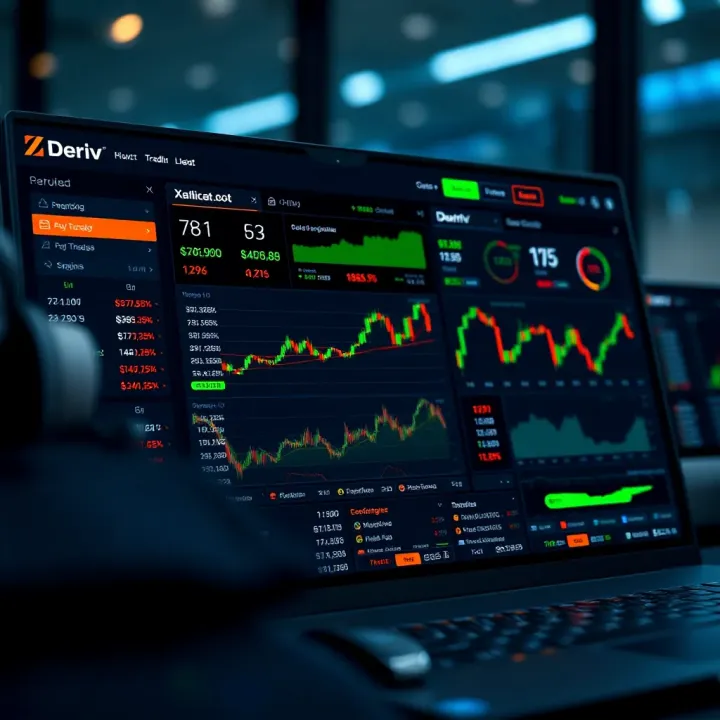
📈 Dive into Deriv trading with this clear guide for Kenyan traders. Learn platforms, trade types, strategies, risks, and regulatory tips for smart decisions.
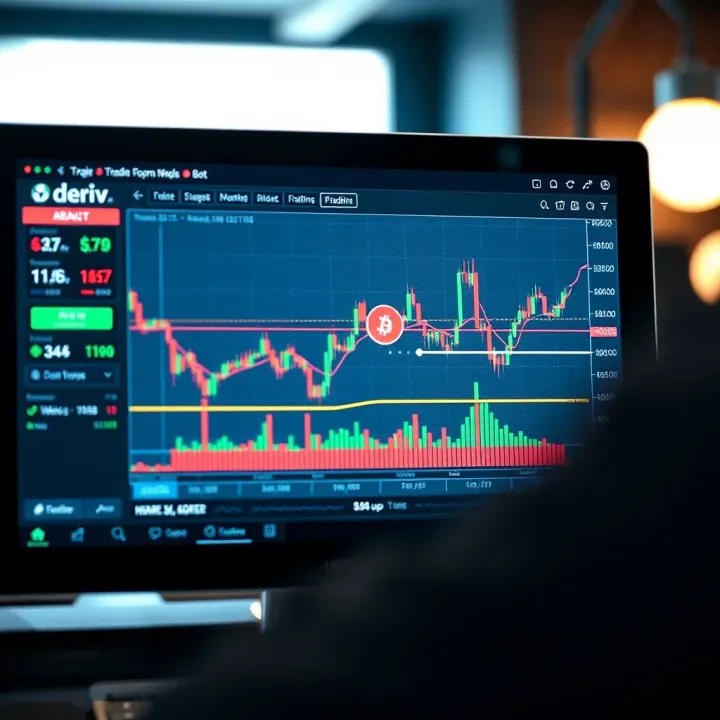
🤖 Explore how trading bots work on Deriv.com, their benefits, risks, setup tips, legal points, and challenges for smarter trading decisions.

Explore Deriv Trading View for Kenyan traders 📈! Learn to set up accounts, analyze charts, and use tools to make smart trading choices with ease.
Based on 7 reviews