
How to Use Deriv MPESA Deposits in Kenya
Learn how to make seamless Deriv MPESA deposits in Kenya 💸, avoid common pitfalls, understand fees, and keep your transactions secure with our easy guide 🔒.
Edited By
Edward Collins
Transferring money between international wallets and local mobile money platforms is a common need for many Kenyans today, especially those involved in trading, investment, or freelance work with overseas clients. Sticpay, an international e-wallet, offers a convenient way to receive and hold foreign currency funds. However, to use those funds for everyday payments or cash withdrawals in Kenya, transferring to M-Pesa—the country’s most popular mobile money service—is essential.
This section will walk you through the practical steps and considerations for moving money from Sticpay to M-Pesa smoothly. The process involves linking your Sticpay account with a trusted exchange or broker that supports transfers into M-Pesa. Having an understanding of the fees involved, exchange rates, and verification requirements helps prevent delays or unexpected costs.
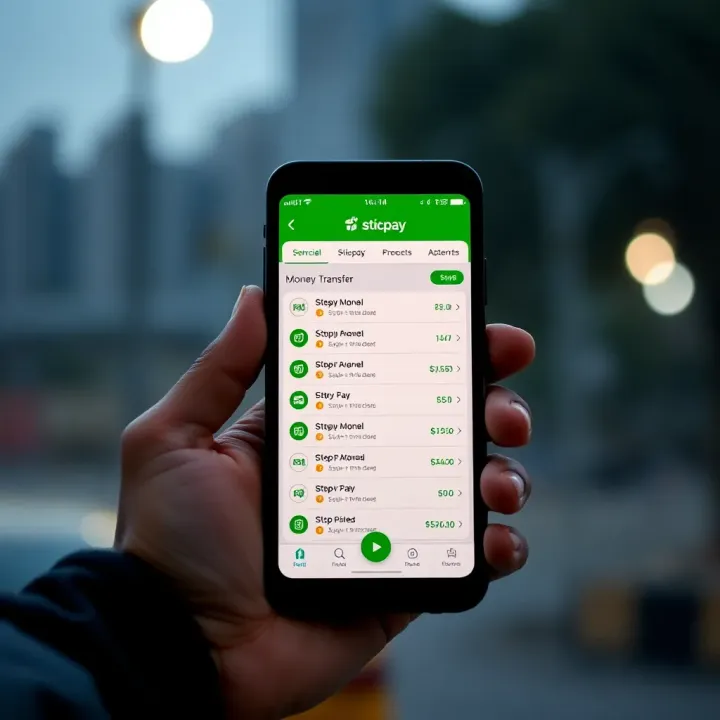
Many users underestimate the importance of using regulated and reputable channels to transfer money from Sticpay to M-Pesa. This helps avoid scams or losses in transit.
Verify your Sticpay account: Ensure your identity details, address, and payment methods on Sticpay are fully verified. This is critical for compliance and avoiding withdrawal limits.
Have an active M-Pesa account: The M-Pesa number must be registered under your name and functional to receive funds.
Choose a reliable transfer partner: Not all money exchange platforms support Sticpay to M-Pesa transfers. Confirm the service provider’s legitimacy and customer reviews.
Withdraw from Sticpay to an exchange: Using your Sticpay dashboard, initiate a withdrawal request to a registered Kenyan forex or payment platform that accepts Sticpay funds.
Currency conversion: The transfer partner will convert your US Dollars, Euros, or other currencies into Kenyan Shillings at the current exchange rate.
Send to M-Pesa: The converted KSh amount is sent directly to your M-Pesa phone number, either via the platform itself or through Safaricom's mobile money integration.
This direct approach eliminates the need to use bank accounts or cash intermediaries, speeding up the process and reducing extra charges.
Knowing these points prepares you to manage the transfer efficiently and plan around timing and costs, keeping your funds secure and accessible on M-Pesa.
Understanding both Sticpay and M-Pesa is vital for anyone looking to transfer money between these platforms efficiently. Sticpay, a global e-wallet, and M-Pesa, Kenya’s dominant mobile money system, serve different purposes yet complement each other when it comes to cross-border transactions.
Sticpay offers an online wallet service, allowing users to send, receive, and store money internationally. It functions much like a digital bank but with a focus on fast e-commerce payments and currency exchanges. For example, a Kenyan freelancer receiving payments from overseas clients often uses Sticpay to collect funds in foreign currencies before converting and withdrawing locally.
The platform supports multiple currencies, which can be helpful if you transact in dollars, euros, or pounds, then convert to Kenyan shillings. However, withdrawing directly to Kenyan bank accounts is not always straightforward, which is why linking Sticpay to M-Pesa offers a convenient bridge to local cash access.
M-Pesa revolutionised how Kenyans manage money by enabling instant mobile transactions via their phones. With over 30 million users nationwide, it’s more than just a money transfer service — M-Pesa is a lifeline offering bill payments, savings, and even credit in some cases.
For traders and investors, M-Pesa provides a quick way to move funds within Kenya’s informal and formal markets alike, especially in areas where traditional banking infrastructure is sparse. Its deep integration into Kenya’s economy makes receiving international money transfers a practical step towards accessing funds easily and securely.
There are several reasons why someone would need to move money from Sticpay to M-Pesa. One common scenario is when a person receives foreign payments into their Sticpay e-wallet but needs local cash liquidity — M-Pesa lets them access this money instantly through a simple mobile transfer.
Moreover, many Kenyans participate in online freelancing, e-commerce, and investments using global platforms that pay through wallets like Sticpay. Transferring these funds to M-Pesa ensures they can pay for everyday expenses, send money to family, or invest further within the local economy without complicated bank processes.
Linking these two platforms bridges the gap between global payments and local spending, encouraging financial inclusion and flexibility for Kenyans dealing with both local and international money flows.
In practise, knowing what these services offer helps you choose the best method and time to transfer funds, reducing fees and ensuring quick access to your money.
Before sending money from Sticpay to M-Pesa, preparing your accounts and details properly avoids delays and failures. This step is often overlooked but saves time and protects your funds.
First, you must have a fully registered and active Sticpay account. Registration involves providing your personal details, email confirmation, and often submitting valid identification to verify your identity. Verification reduces the risk of transfer limits or account blocks during transactions. For example, unverified Sticpay accounts may face delays or might not be allowed to withdraw funds. Completing this process upfront clears the path for smooth transfers.
Your M-Pesa account must be active with a clear transactional history to receive transfers smoothly. Check that your Safaricom line is registered for M-Pesa services and that your phone number is functioning well. Sometimes dormant or blocked M-Pesa lines could reject incoming funds or cause delays. Also, confirm you have enough balance or transaction limits available for further M-Pesa activities once the money arrives.
The recipient's M-Pesa mobile number is key to directing the funds correctly. This must be an active Safaricom number registered for M-Pesa. Inputting the wrong number can lead to lost funds or complicated recovery processes. Before initiating the transfer, double-check the number, especially if small errors like swapped digits could happen. For example, if your brother in Nairobi needs the money, confirm his exact Safaricom number rather than relying on memory.
Both Sticpay and M-Pesa require identification to comply with anti-money laundering regulations. You may need to provide a national ID or passport for account verification, especially when transferring larger sums. This step prevents fraud and ensures the transaction is legally sound. Having validated ID ready means you can respond quickly if either platform requests additional proof, avoiding unnecessary delays.
Sticpay operates in multiple currencies, while M-Pesa works primarily with Kenyan shillings (KSh). When transferring money, take note of conversion rates and possible fees associated with currency exchange. For example, if your Sticpay balance is in US dollars, the amount converted to Kenyan shillings may vary depending on the day’s forex rate and service charges. Planning for currency differences helps you understand the exact amount your recipient will receive on M-Pesa.
Preparing your accounts and verifying necessary details are not just formalities – they ensure your transfer from Sticpay to M-Pesa goes through smoothly, quickly, and safely. Missing these steps can stall your transaction or cause complications.
Following these practical steps before transferring money will save you headaches and secure your funds. It also keeps you aligned with regulations affecting cross-platform money movements in Kenya.
Transferring money from Sticpay to M-Pesa involves practical steps that ensure your funds move safely and efficiently. This guide outlines these procedures, helping you navigate the process without unnecessary delays or complications. For finance professionals, traders, and brokers dealing with international transactions, understanding these steps clarifies how to make cross-platform transfers and manage timing and costs effectively.
Start by logging into your Sticpay account through the official app or website. Navigate to the section for withdrawals or transfers and select 'Withdraw to Mobile Money.' Here, input your M-Pesa mobile number carefully, since any error might send funds to a wrong recipient. Choose the withdrawal amount, considering any currency conversion between Sticpay and Kenyan shillings (KSh). Confirm details and proceed to submit the request. Sticpay will process the transaction, usually notifying you through email or app alerts. Remember, some transfers require verification steps like two-factor authentication for security.
Some users turn to third-party platforms that specialise in cross-border money transfers between international e-wallets like Sticpay and Kenya’s M-Pesa. Services such as WorldRemit, Sendyit, or PesaPal occasionally offer these options, though they might charge a small commission. These platforms act as bridges by receiving money in foreign currency and then sending equivalent funds via M-Pesa, easing the transfer process where direct options are limited.
It’s vital to confirm the legitimacy of any intermediary before sending funds. Check if the platform is registered with Kenyan authorities like the Capital Markets Authority (CMA) or Central Bank of Kenya (CBK). Look for customer reviews and ratings on independent sites or forums focused on financial services. Avoid platforms without a physical office or clear contact details. Remember, reputable services will transparently display fees, expected timing, and provide tracking options.
Once the transfer is processed from Sticpay or a trusted third party, you will receive an M-Pesa notification confirming the credit to your account. The funds typically appear instantly or within a few hours, depending on the service used. Double-check your M-Pesa balance using the *334# menu or the official M-Pesa app to confirm receipt. If there’s an unexpected delay exceeding 24 hours or a missing amount, contact both Sticpay and M-Pesa customer support promptly to resolve the issue.
Always keep transaction reference numbers and screenshots of transfer confirmations to help with tracking or dispute resolution.
Following these clear steps helps Kenyan users and financial professionals manage their international fund transfers with Sticpay and M-Pesa confidently and securely.
Understanding the costs, limits, and processing times for transferring money from Sticpay to M-Pesa is vital for finance professionals and traders who handle cross-platform transactions regularly. These factors affect budgeting, cash flow management, and the overall efficiency of financial operations.
Sticpay charges vary depending on how you fund your wallet and the transfer method chosen. When withdrawing to M-Pesa, users generally pay a withdrawal fee that ranges between 1% to 2.5% of the amount transferred. For example, transferring KSh 20,000 might attract a fee of about KSh 200 to KSh 500. Currency conversion fees may also apply if your Sticpay balance is in USD or Euros — Sticpay usually applies a conversion margin around 2%, which traders must factor in to avoid surprises.
On the M-Pesa side, Safaricom charges a withdrawal fee whenever funds enter the platform via mobile money paybill or till numbers, typically between KSh 10 for small amounts and up to KSh 1,000 for larger sums above KSh 70,000. For cross-platform transfers, these cumulative fees can add up, so it’s wise to calculate total transaction costs upfront.
Sticpay imposes daily and monthly withdrawal limits that traders should be aware of. The standard daily withdrawal limit is around USD 5,000 (approximately KSh 700,000), with monthly limits set higher depending on account verification status.
On the M-Pesa end, transaction limits depend on whether the account is fully verified. Generally, customers can receive up to KSh 150,000 per day, with single transaction limits around KSh 70,000 to KSh 150,000 depending on the type of account. These limits affect how funds can be moved—bulk transfers might need to be split across days or multiple transactions.
Plan transfers with limits in mind to avoid declined transactions or delays. Keeping within these limits ensures smooth, uninterrupted money movement.
Transfers from Sticpay to M-Pesa generally take between 30 minutes to 2 hours to complete when using authorised intermediaries or linked accounts. This timeframe allows for currency conversion, security checks, and network processing.
However, direct transfers may take longer if manual verification is required or if transfers happen during weekends or Kenyan public holidays, as banking networks slow down. Traders should allow buffer times for large-value transactions to avoid cash flow interruptions.
By factoring in fees, limits, and timeframes, finance professionals can plan transactions more effectively, optimise costs, and ensure timely fund availability on M-Pesa for business or personal use.
Transferring money from Sticpay to M-Pesa involves a few technical steps where problems might arise. Being aware of common issues helps you respond quickly and avoid unnecessary delays or losses. For finance professionals handling repeated or sizeable transfers, understanding these pitfalls can save both time and money.
Currency conversion between Sticpay (often holding foreign currencies like USD or EUR) and M-Pesa (which operates in Kenyan Shillings) can be tricky. Exchange rates fluctuate daily, so the amount you send in Sticpay might not exactly match what arrives in M-Pesa after conversion. To manage this:
Check the current buy/sell rate for USD or EUR against KSh before initiating a transfer.
Avoid transferring funds when the shilling is weak if you want to maximise value.
Be aware of additional conversion fees imposed by either Sticpay or intermediary platforms.
For example, suppose you transfer $100 from Sticpay to M-Pesa on a day when the buy rate is KSh 110. If the rate changes even slightly, you might receive less than expected. Always factor in currency risk and conversion fees to budget accurately.
Sometimes a transfer might fail or take longer than expected due to network glitches, system maintenance, or verification issues on either platform. To avoid headaches:
Confirm all recipient details are correct: the M-Pesa number, name, and linked ID must match.
Use stable internet connections when initiating transfers, preferably during business hours.
Avoid sending large amounts late at night or during public holidays when support services may be unavailable.
In cases where funds don’t arrive on time, check your Sticpay transaction history first. If it shows “completed” but M-Pesa doesn’t reflect the payment after several hours, contact both platforms for resolution and save screenshots or receipts.
Risk of fraud remains a serious issue in online transfers, especially with third-party intermediaries. Be cautious by:
Using only verified services or platforms with good reputations proven by user reviews and ratings.
Never sharing your Sticpay or M-Pesa PIN, passwords, or one-time password (OTP) codes with anyone.
Avoiding offers or requests to transfer funds on behalf of strangers or unknown parties.
Always remember: legitimate transfers never require you to pay upfront fees outside the documented charges or provide sensitive personal information.
Keeping these common issues in mind and acting proactively will help your Sticpay to M-Pesa money transfers proceed smoothly without hiccups or losses. Staying alert also protects your funds and personal details in Kenya’s fast-evolving digital finance space.
Transferring money from Sticpay to M-Pesa can be straightforward, but careful attention helps avoid hiccups. This section offers practical advice to ensure your transfer is quick, secure, and hassle-free. Knowing the right time to send money, safeguarding your accounts, and monitoring transactions closely will save you from common troubles.
Sending money during peak hours, such as late evenings or weekends, might slow down processing times due to increased demand on networks. Early mornings or midweek usually experience smoother operations. For example, a trader who transfers funds on Monday morning is more likely to enjoy quick confirmation than one who waits until Friday evening.
When it comes to method, direct transfers via Sticpay’s platform tend to be faster and less costly compared to using third-party intermediaries. However, if the direct option is unavailable, select reputable services with clear fees and positive reviews. Always compare the exchange rates offered, since even a small difference can affect the final amount you receive in M-Pesa.
Use strong, unique passwords for both Sticpay and M-Pesa accounts and update them regularly. Avoid using public Wi-Fi when making transfers, as it increases exposure to cyber threats. For instance, conducting transactions over public networks at a café or matatu might expose sensitive data.
Enable two-factor authentication (2FA) where possible. This adds an extra layer of protection, requiring you to enter a code sent to your mobile or email when logging in or making transfers. Also, beware of phishing attempts—never share your login details or PIN codes with anyone, even if they claim to be from Sticpay or Safaricom.
Always keep a record of your transaction details, including the reference number and timestamps. Sticpay usually sends a confirmation email or notification upon initiating a transfer, and M-Pesa sends a TXT confirmation when funds arrive.
If the money does not reflect in your M-Pesa account within the expected timeframe, contact customer support promptly. Provide the transaction reference and any receipts you have. In cases where disputes arise, maintaining clear records makes it easier for the service providers to investigate and resolve the issue quickly.
Remember, being proactive with timing, security, and follow-up can save you from unnecessary stress and financial losses when moving money between Sticpay and M-Pesa.
These tips are not just practical steps but vital habits that every trader, investor, or finance professional should adopt for efficient cross-platform money handling in Kenya's digital economy.
Learn how to make seamless Deriv MPESA deposits in Kenya 💸, avoid common pitfalls, understand fees, and keep your transactions secure with our easy guide 🔒.
📈 Learn how to sign in to Deriv easily, fix login issues, secure your account, and explore key platform features tailored for Kenyan traders.

📱 Discover how to choose the best trading app in Kenya! Learn key features, security tips, and regulations to trade confidently on your mobile device.

Looking for the best trading platform in Kenya? Discover tips on security, fees, and features to find a reliable, user-friendly platform that fits your needs 📈💼
Based on 8 reviews