

Best Trading Platforms in Kenya: What to Consider
Looking for the best trading platform in Kenya? Discover tips on security, fees, and features to find a reliable, user-friendly platform that fits your needs 📈💼
Edited By
Isabella Green
Online trading platforms have reshaped how Kenyans engage with financial markets, offering access to shares, forex, commodities, and more, all from the comfort of a smartphone or laptop. These platforms act as intermediaries, connecting individual investors with global markets, charging fees or commissions for their services.
What makes online trading platforms popular in Kenya is the convenience paired with immediacy. Back in the day, buying shares meant visiting stockbrokers in town or filling out paperwork that took days. Now, you can open an account with platforms like EGM Securities, or go through the Nairobi Securities Exchange (NSE) online brokers, and trade at any time during market hours.

Online trading platforms bring the market closer to you, but they also require a solid understanding of risk and the tools at your disposal.
At their core, these platforms allow you to:
Open and fund your trading account – Using mobile money services like M-Pesa makes this quick and easy.
Access real-time market data – Keep an eye on price movements for stocks, forex pairs or commodities.
Place orders for buying or selling – This happens instantly without middlemen, with options to set limits or stop-loss orders.
Track your portfolio and performance – Essential for managing risk and making informed decisions.
Most platforms integrate with bank accounts and mobile money wallets, ensuring hassle-free fund transfers. For example, Safaricom's Lipa Na M-Pesa service is increasingly used for quick deposits.
The major benefit lies in accessibility. Whether you live in Nairobi or a smaller county, you get the same market access as anyone else. Plus, many platforms provide educational tools and demo accounts to sharpen your skills before committing real money.
That said, you need to be clear about fees—some brokers charge per trade, others have monthly subscriptions or inactivity penalties. Also, some platforms are better suited for forex trading, others for equities – choosing the right fit depends on your investment goals.
Understanding the basics of online trading platforms sets the stage for deeper insights: identifying trusted platforms, recognising key features like charting tools or customer support, assessing risks such as market volatility and cybersecurity, and finally, tips for successful investing tailored to Kenyan circumstances.
This guide will break all that down, so whether you're a newcomer or experienced trader, the next steps will be clearer.
Online trading platforms have become the backbone of modern investing, especially for Kenyans keen on growing their wealth beyond traditional methods. At their core, these platforms allow investors to buy and sell financial assets over the internet without needing to physically visit a stockbroker's office. For you as an investor or trader, understanding what an online trading platform really does helps you make informed choices about where and how to invest confidently.
These platforms combine technology and finance to bring markets right to your fingertips. Whether you’re trading locally listed stocks on the Nairobi Securities Exchange (NSE), dabbling in forex exchange, or trying your hand with cryptocurrencies, the platform provides the tools and access needed to act quickly when opportunities arise.
Buying and selling assets digitally means you can execute trades completely online, without paper contracts or in-person meetings. Imagine using Safaricom’s M-Pesa to top up your brokerage account, then logging in to place an order to buy 100 NSE shares of Equity Bank. The transaction happens in real time, with prices updated instantly based on market movements. This digital process saves time and cuts costs compared to traditional trading.
Besides speed, this digital system allows you to monitor your portfolio and manage your investments anytime, anywhere—from your laptop in Nairobi to your mobile phone while commuting in a matatu. It makes the markets more accessible and responsive to the Kenyan investor’s lifestyle.
The role of brokers and intermediaries remains central, even in online trading. While the platform serves as your trading interface, licensed brokers ensure compliance with regulations set by the Capital Markets Authority (CMA) and handle the actual execution of trades on the NSE or other exchanges. Think of the broker as the middleman who connects you to the financial markets.
In Kenya, many online platforms are either directly operated by licensed brokerage firms or partner closely with brokers to offer seamless trading experiences. This setup protects your investments and offers recourse if disputes arise. It also ensures your transactions follow rules protecting markets and investor rights.
Stocks and shares are perhaps the most familiar assets traded online. Buying shares means owning a part of a company, such as Bamburi Cement or Safaricom. This ownership often comes with rights like dividends and voting at shareholder meetings. For Kenyan investors, trading stocks online offers a direct way to participate in the country’s economic growth.
Foreign exchange (forex) trading involves swapping one currency for another, like exchanging Kenyan shillings (KSh) for US dollars ($) to capitalise on currency movements. Forex markets operate 24/7 which suits traders seeking continuous opportunities. However, forex is highly volatile and demands a solid understanding before jumping in.
Commodities and derivatives include assets like gold, oil, or agricultural products. Investors can buy physical commodities or trade derivatives—contracts whose value depends on the underlying asset’s price. In Kenya, commodities trading can hedge against inflation or currency risks; for example, maize futures allow farmers and traders to lock prices ahead of harvest.
Cryptocurrencies such as Bitcoin and Ethereum offer a digital alternative to traditional assets. While still relatively new and unregulated in Kenya, many investors use online platforms to access crypto markets. Because cryptocurrencies often behave independently of regular markets, they can diversify an investment portfolio but carry higher risk.
To navigate online trading effectively in Kenya, grasping these basic functions and asset types forms a solid foundation for any investor aiming to thrive in today’s digital financial space.
Understanding how online trading platforms work in Kenya is vital for investors who want to navigate this digital market efficiently. These platforms allow users to buy and sell various assets such as shares, forex, or commodities from the comfort of their homes or offices. Knowing the practical elements—like how to access the platform, fund your account, and place orders—helps you avoid unnecessary delays or errors that might cost you money.
Most Kenyan online trading platforms offer two main ways to access their services: through web browsers on desktops or laptops, and via dedicated mobile apps. Web browsers give a more detailed overview, often preferred by serious investors who want multiple charts and faster data updates. However, mobile apps provide convenience, letting you trade anytime and anywhere, especially useful if you are travelling or away from your workstation.
Devices for accessing these platforms vary from basic smartphones to powerful computers. Fast and stable internet is essential, whether you use Safaricom's 4G network or home broadband. Poor connectivity can lead to delays in order execution, potentially affecting profits or causing losses, so assess your device and network before committing to active trading.
Depositing funds into your trading account in Kenya has become simpler with M-Pesa, the leading mobile money service. Many platforms allow instant deposits via M-Pesa paybill or till numbers, giving you quick access to your trading capital without visiting a bank. Alternatively, bank transfers from institutions like KCB or Equity Bank offer a direct way but may take longer, especially during weekends or public holidays.
Currency handling is another key factor. Most Kenyan platforms operate in Kenyan Shillings (KSh), which eliminates forex conversion charges for local deposits. However, if you want to trade international stocks or forex, your funds may need conversion to US Dollars (USD) or other currencies. Check the platform's policy to avoid hidden fees or delays.

Knowing the difference between market and limit orders helps you control trade execution. Market orders buy or sell assets immediately at the best available price, suitable for fast markets. Limit orders, on the other hand, let you set a maximum (buy) or minimum (sell) price, helping you avoid paying too much or selling too low. For example, if shares in a Kenyan company are trading at KSh 100, you might place a limit order to buy only if the price falls to KSh 90.
After placing trades, monitoring your positions continuously is crucial. Most platforms provide dashboards that display real-time profits, losses, and portfolio value. Regular monitoring helps you respond to market changes quickly, such as setting stop-loss orders to cut potential losses or reallocating investments to match your goals.
Using an efficient online trading platform tailored for Kenya’s market conditions ensures you stay in control of your investments with minimum fuss and maximum effectiveness.
Choosing the right online trading platform is vital for Kenyan investors aiming to trade efficiently and securely. Certain key features not only enhance the trading experience but also provide practical advantages that impact success and safety. Whether you prefer trading shares on the Nairobi Securities Exchange (NSE) or venturing into forex and cryptocurrencies, a platform’s design, security, and support services matter a great deal.
Intuitive navigation is about how easy it is to move around the platform without getting lost in complicated menus. If you’re starting out or even a seasoned trader juggling quick decisions, having a straightforward layout helps you place orders faster and manage your portfolio without unnecessary delays. For example, platforms like JamboTrade Kenya offer clean dashboards that display your investments clearly, so you spend less time figuring out where to click and more time trading.
Real-time market data and charts are critical for making informed trades. A platform that updates prices instantly gives you an edge in fast-moving markets like forex or crypto, where even a few seconds can mean significant gains or losses. Look for platforms that provide interactive charts allowing zoom, comparison, and custom indicators. For instance, trading platforms connected to global exchanges should offer updated data feeds reflecting international market movements, ensuring you react promptly to market changes.
Licensing with the Capital Markets Authority (CMA) offers peace of mind that a platform complies with Kenyan financial laws and regulations. This oversight protects investors from shady operators and fraud. If a platform is licensed by CMA, it means it adheres to safeguards like fair trading practices and regular audits. Before committing funds, check the CMA’s register for authorised online brokers. This matters especially in Kenya’s growing digital investment space, where scams unfortunately are not uncommon.
Data protection and encryption safeguard your personal and financial information. Platforms must use strong encryption standards like SSL to keep your passwords, bank details, and trade data secure from hackers. Consider how a platform handles logins—does it offer two-factor authentication (2FA)? These features reduce the chance of unauthorised access and protect your trading account from being compromised, a crucial aspect given Kenya’s increased cybercrime risks.
Responsiveness of help lines can make or break your trading experience, especially in times of technical glitches or urgent trade enquiries. Platforms with 24/7 support or local call centres provide faster resolutions. Imagine placing an order and encountering a problem during peak NSE trading hours; knowing you can reach a real person quickly gives confidence and minimises potential losses.
Access to tutorials and market analysis helps traders sharpen their skills and understand market trends. Not all Kenyan investors can afford expensive courses, so platforms offering free tutorials, webinars, and daily or weekly market reports add significant value. For example, some platforms provide insights on NSE market movements or forex analysis specifically tailored for East African markets, helping you make smarter decisions without steering blindly.
Selecting an online trading platform with these key features ensures you trade with confidence, security, and access to vital information—all crucial for navigating Kenya’s dynamic investment environment.
Online trading platforms have made investing more accessible and efficient for many Kenyans. They remove several traditional barriers, allowing investors to manage their portfolios with greater ease, lower costs, and access to a variety of markets. For traders and investors focused on maximising returns while controlling risks, understanding these benefits is key.
Comparison with traditional brokerage: Traditional brokerage firms in Kenya often involve higher fees, including commission charges and management costs that can eat into profits over time. Online platforms, by contrast, tend to offer much lower fees because they automate many processes and reduce overheads. For example, while a conventional broker might charge a commission of up to 1% per trade, some online platforms offer rates as low as 0.1% or fixed fees that are easier to budget for.
This shift means investors no longer have to rely heavily on expensive intermediaries, making small-ticket investments more viable. For retail investors in towns like Kisumu or Eldoret, where travel to major brokerage offices might be costly, online trading saves time and money.
Impact on investment profitability: Lower fees directly improve net returns. When you save on commission and account maintenance fees, more of your capital stays invested and compounds over time. Even a difference of few percentage points in costs can have a large effect over several years, especially for long-term investors building retirement savings through products like NSE shares or unit trusts.
Moreover, smaller costs encourage more frequent trading or portfolio rebalancing without fear of excessive charges, allowing investors to react swiftly to market movements. This agility can especially benefit forex traders capitalising on short-term price swings.
Trading from any location in Kenya: One major plus of online platforms is you do not need to visit a physical office or meet a broker face-to-face. With an internet connection and a smartphone or laptop, someone in Nakuru or Mombasa can trade securities during their lunch break or while at home. This convenience fits well with busy lifestyles and the widespread mobile coverage across Kenya.
Accessibility means widows, young professionals, or farming communities can also join the investment arena. For instance, a farmer in Narok might use an online platform to grow savings alongside agricultural income, diversifying beyond just crops.
24/7 market access for certain assets: Unlike traditional stock exchanges that operate fixed hours, many online platforms enable trading in markets open around the clock — especially for forex and cryptocurrencies. This is valuable when Kenyan traders want to react to international events occurring outside NSE trading hours or profit from market shifts in Europe or Asia.
Such constant access allows better timing to enter or exit trades, managing risk and seizing opportunities globally. It brings Kenyan investors onto a level playing field with those from other countries, enhancing competitiveness.
Easier diversification across assets: Online platforms often bundle access to stocks, bonds, forex, commodities, and crypto in one interface. This allows investors to spread risk across different asset classes without the hassle of opening separate accounts or visiting multiple brokers. Diversification lowers the impact of a poor-performing asset on your overall portfolio.
For example, a Nairobi-based investor can allocate funds to NSE-listed companies, buy forex pairs like USD/KES, and even dabble in Bitcoin—all from one platform. This range helps balance long-term growth with short-term speculation.
Access to international markets: Some platforms connect Kenyan investors to foreign stock exchanges like the NYSE, LSE, or Johannesburg Stock Exchange. This means you can invest in well-known companies like Apple, British Petroleum, or Sasol directly, not just Kenyan firms.
International diversification is crucial to reduce reliance on the local economy and benefit from growth elsewhere. For instance, during periods when NSE sectors lag, gains from international tech shares might help stabilise your overall portfolio.
Online trading platforms empower Kenyans with cost-effective, accessible, and varied investment options suitable for today’s fast-moving markets. Understanding these benefits helps investors choose platforms that best fit their goals and lifestyles.
Online trading offers new opportunities, but it also comes with risks that every Kenyan investor should understand. Knowing these challenges helps you prepare better and make smarter decisions in volatile markets.
Understanding price fluctuations is vital. Prices of stocks, forex, or commodities can swing widely within minutes, influenced by local news, global events, or economic indicators. For example, political uncertainty in Kenya or a sudden change in US interest rates can cause sharp price movements that affect your trades. Without proper understanding, you might panic sell at a loss or hold onto losing positions.
Managing risk with stop-loss orders is a practical tool to protect your investments. A stop-loss order automatically sells your asset once its price falls to a set level. Say you buy shares at KS00 but can only afford to lose 10%; setting a stop-loss at KSh90 helps limit your potential losses without you having to closely monitor the market all day. It’s particularly useful when internet or power issues make continuous monitoring tricky.
Internet connectivity challenges in Kenya can disrupt your trading. Many investors outside Nairobi or major towns face unstable networks, delayed order execution, or app crashes. For instance, during peak hours, matatu-staffed areas or remote shambas may have poor signal, delaying your trades and exposing you to price slippages.
Dealing with downtime and glitches requires preparation. Even reliable platforms occasionally suffer outages or bugs. It’s wise to have backup plans such as using a secondary device, keeping demo accounts active, or having alert systems. Also, expect the unexpected during major market events when systems can be overwhelmed by high traffic.
Recognising legitimate platforms saves you from falling victim to fraud. In Kenya, the Capital Markets Authority (CMA) licenses trustworthy brokers and platforms. Always verify that your chosen platform is CMA-registered before funding your account. Be wary of platforms promising guaranteed profits or unusually high returns, as these often turn out to be scams targeting unsuspecting investors.
Protecting personal and financial information is critical. Online trading involves sensitive data like KRA PIN, bank account details, and identification documents. Use strong, unique passwords, enable two-factor authentication where possible, and avoid using public Wi-Fi for trading activities. Regularly check your bank and trading account statements for any suspicious transactions.
While online trading in Kenya can be rewarding, acknowledging and managing these risks enhances your chances of success and keeps your investments safe.
Selecting the right online trading platform is a key step for investors in Kenya, as the platform determines your trading experience, costs, and access to tools. Different platforms suit different goals, whether you’re looking to invest over the long term or trade frequently. Choosing wisely can save you from unexpected fees, confusing interfaces, or poor customer support.
Understanding your investment horizon helps you pick a platform built for your style. If you plan to invest for several years, focusing on capital growth or dividends from shares, you’ll want a platform with low inactivity fees and access to diverse stocks, ideally including the Nairobi Securities Exchange (NSE) and some international markets. Longer-term investors tend not to need real-time fast execution tools.
On the other hand, short-term traders looking to profit from daily price swings need access to real-time data, advanced charts, and fast order execution. For example, forex or commodities traders may prefer platforms with strong charting tools and low spreads on currency pairs. They’ll want stop-loss functions and quick deposits through M-Pesa or bank transfers to stay agile.
For those starting out, a platform that offers a clean, simple interface and educational materials is a must. Platforms like EGM Securities and CMA-regulated brokers often provide demo accounts that let you practise without risking real money. This hands-on experience helps build confidence over time.
Beginner-friendly platforms also limit overwhelming features and focus on clear instructions to place orders and manage investments. Moreover, responsive customer service is essential for new users needing guidance — preferably available through multiple channels like phone, email, or WhatsApp.
Costs eat into your returns, so understanding how a platform charges is critical. Some Kenyan platforms charge a flat fee per trade, while others take a percentage. For instance, a 1% commission on a KSh 100,000 stock purchase means KSh 1,000 costs. Also watch out for hidden fees like deposit charges or inactivity penalties.
Comparing platforms side by side can reveal which is most cost-effective for the volume and value of your trades. Also, consider currency conversion fees if you trade international assets.
A good platform integrates tools that help you analyse markets and make better decisions. For example, built-in charting, technical indicators, and news feeds can sharpen your strategy. Some platforms provide access to expert analysis or webinars suited to different experience levels.
The availability of learning resources is especially helpful in Kenya’s growing digital investment scene. This way, you gradually improve your understanding, whether it’s reading market trends or mastering advanced order types.
Choosing the right platform balances your financial goals, trading style, and the tools that help you grow. Taking time now saves headaches later and can boost your success as a Kenyan investor.
By considering your goals and carefully evaluating fees and features, you get a platform that suits your needs rather than one-size-fits-all solutions. Always take advantage of free trials or demos before committing your money.
Starting online trading in Kenya requires a clear understanding of the necessary steps and local regulations. Getting this right ensures smooth account setup, compliance with laws, and a safer investment experience. For Kenyan investors, some processes are unique—such as using the eCitizen portal and providing a Kenya Revenue Authority (KRA) PIN during registration. Knowing how these parts fit together helps you avoid delays and trade confidently.
When opening an account with an online trading platform, you'll be asked to provide a valid KRA PIN. This number is essential for tax compliance and helps platforms report your financial activities to KRA. You usually register your PIN on the eCitizen portal, Kenya's government services platform. Using eCitizen, you can also complete parts of the account opening process, such as submitting identification documents digitally. This avoids physical visits and speeds up approvals.
Verification goes hand in hand with the KRA PIN. Trading platforms must comply with Know Your Customer (KYC) rules set by the Capital Markets Authority (CMA) Kenya. This involves submitting documents like your National ID or passport, proof of residence, and sometimes source of income details. Completing KYC checks is important because it confirms your identity, reduces fraud risks, and enables the platform to tailor services appropriately. For example, without KYC clearance, you cannot withdraw funds or make certain trades.
Starting with demo accounts is a smart move, especially for new traders. Most online brokers offer demo accounts that let you trade with virtual money in real market conditions. This helps you learn how to navigate the platform, place orders, and understand market behaviour without risking real cash. For instance, Nairobi investors can try demo trading on platforms like EGM Securities or Infinity Markets Kenya to build confidence before going live.
Setting realistic expectations and limits protects your capital and mental wellbeing. Trading isn't about quick riches but steady growth. Begin by allocating only a small portion of your savings to trading—perhaps KSh 5,000 or KSh 10,000—and set clear stop-loss limits to cap potential losses. Also, accept that losses are part of trading; managing risk wisely is more important than chasing every trade. Having such discipline avoids panic selling when markets get rough and keeps your investment journey sustainable.
Remember, starting online trading in Kenya is as much about preparation and knowledge as it is about market movements. By completing proper account verification, practising with demos, and setting clear limits, you set yourself up to trade smartly and safely.
Looking for the best trading platform in Kenya? Discover tips on security, fees, and features to find a reliable, user-friendly platform that fits your needs 📈💼
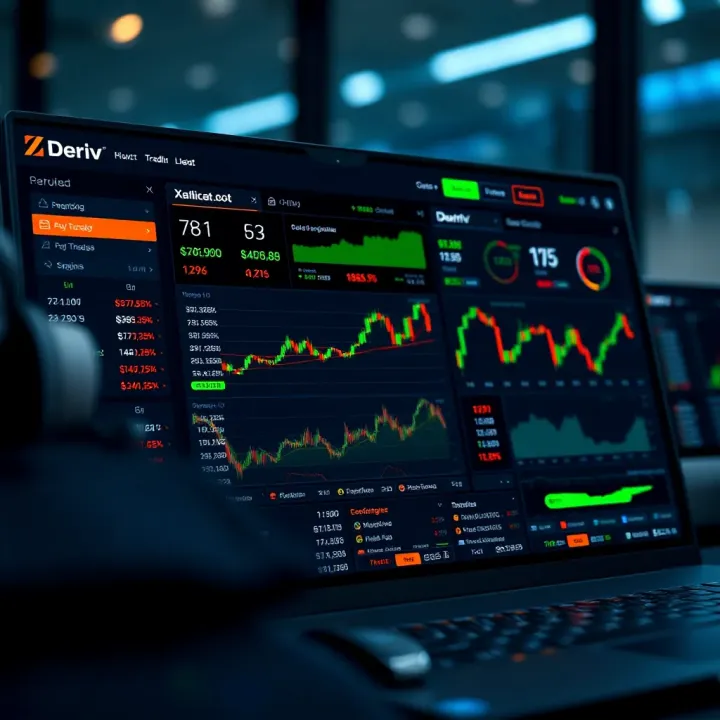
📈 Dive into Deriv trading with this clear guide for Kenyan traders. Learn platforms, trade types, strategies, risks, and regulatory tips for smart decisions.

Explore how Kenyan investors can use copy trading to mirror expert trades, understand risks, choose platforms, and navigate regulations for smarter investing 📈💼

Explore how Deriv trading bots operate 🤖, their pros, cons, and types. Get hands-on tips for Kenyan traders to automate smartly while managing risks 📉🇰🇪.
Based on 9 reviews