

Understanding Deriv Hub for Kenyan Traders
Explore Deriv Hub, a reliable trading platform for Kenyan traders📈. Learn how it works, tools offered, tips, and key insights for smart online trading🌍
Edited By
Henry Thompson
QXBroker has gained traction among Kenyan traders looking to explore forex, commodities, indices, and cryptocurrency markets. It offers a platform where both beginner and experienced investors can trade diverse financial instruments with relative ease. For those keen on expanding their trading portfolio beyond traditional assets like NSE stocks or government bonds, QXBroker presents an accessible option.
This broker supports multiple account types, catering to different trading styles and capital sizes—offering flexibility for small-scale local traders as well as those aiming for more active or leveraged trading. Notably, Kenyan users can fund their accounts through convenient payment methods such as M-Pesa and bank transfers, making deposits and withdrawals straightforward.

Trading conditions at QXBroker include competitive spreads and leverage options that suit local market dynamics where access to capital can be limited. While the brokerage is not directly regulated by Kenyan institutions, it operates under international regulatory bodies, meaning it maintains a degree of oversight and standards important for safeguarding client funds.
Besides the technical features, QXBroker prioritises customer support with a team responsive to Kenyan client needs during local business hours. This is valuable given the delays many traders face when dealing with global brokers based outside Africa.
For Kenyan traders, understanding the mix of favourable payment options, trading conditions, and customer support QXBroker offers is essential for making informed decisions about where to invest.
In the sections that follow, this article breaks down QXBroker’s key offerings and limitations, focusing on what matters most to the Kenyan trading community. This will include a look at its account tiers, trading platform usability, deposit mechanisms, and how its services compare with other options available domestically and regionally.
Overall, this guide aims to give Kenyan investors practical insights to weigh QXBroker’s potential within the wider context of the local and East African trading environment.
Understanding QXBroker’s market offering is key for Kenyan traders looking to pick a reliable platform. This overview sets the stage by detailing what QXBroker brings to the table, including the variety of instruments it offers, its trading environment, and how it aligns with Kenyan traders’ needs. A clear grasp of these facts helps traders make informed decisions, avoiding platforms that don't suit their trading style or financial goals.
QXBroker started operations around 2015, positioning itself as an accessible online broker for global markets. Over the years, it has grown its reach, attracting traders across different regions, including East Africa. Its growth story matters because it shows the platform’s ability to adapt and expand, which is reassuring for Kenyan traders who want a broker that can sustain itself in a changing market.
The broker mainly focuses on forex and CFDs (contracts for difference), alongside commodities, stock indices, and cryptocurrencies. For instance, traders can speculate on forex majors like USD/KES, or popular crypto pairs like Bitcoin against the US dollar. This range suits Kenyan investors looking to diversify beyond local equities or traditional savings.
QXBroker targets individual traders, including novices and those with some experience. This is particularly relevant for Kenyan users who often start trading with limited capital and look for platforms offering demo accounts and educational resources. The broker’s features accommodate small-scale investors who navigate forex and crypto, common markets in Kenya's rising online trading community.
QXBroker offers various account types suited to different trading budgets. The minimum deposit typically starts at around KSh 5,000, making it accessible for many Kenyan traders. Account tiers vary, often with increasing benefits like tighter spreads or faster withdrawals for higher deposits.
Leverage options at QXBroker can go up to 1:100 or more, which is a double-edged sword. While Kenyan traders get a chance to amplify profits on small capital, the margin requirements mean they must manage risks carefully. Understanding leverage is crucial because the market can move against you just as quickly.
On the technology side, QXBroker supports popular platforms such as MetaTrader 4 (MT4) and its proprietary web platform. MT4 is widely favoured in Kenya because of its mobile app, technical indicators, and ease of use. QXBroker's tools include real-time charts, stop-loss orders, and automated trading options, helping traders analyse market trends and protect their investments.
For Kenyan traders, these features balance usability and market access, making QXBroker a solid choice for those entering the forex and CFD space.
In summary, getting to know QXBroker’s offerings helps Kenyan traders align their expectations with what the broker delivers. From affordable account entry to versatile market instruments and reliable trading tools, these factors shape the trader’s potential for success and security in online trading.
For Kenyan traders, understanding the regulatory compliance and security measures of a trading platform like QXBroker is essential. These elements dictate how safe your funds are, how trustworthy the broker is, and how well they follow both global and local laws.
QXBroker operates under licences from international financial watchdogs, which usually means the broker has to meet strict rules about transparency and client safety. These global regulators keep an eye on things to reduce fraud and ensure fair trading practices. While QXBroker might not be licensed directly by Kenya’s Capital Markets Authority (CMA), it often follows regulations set by bodies like the Financial Conduct Authority (FCA) in the UK or the Cyprus Securities and Exchange Commission (CySEC). This global oversight helps Kenyan traders feel more confident that their broker adheres to recognised standards.
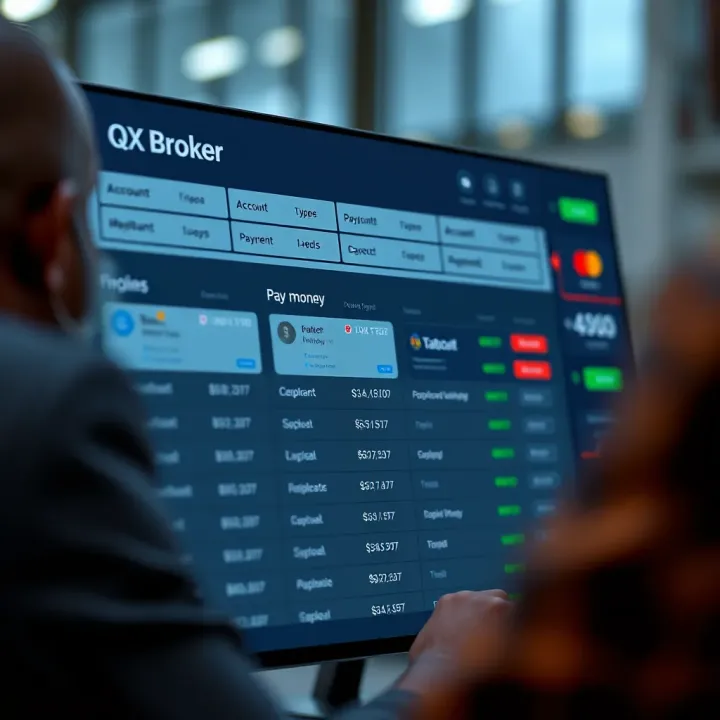
For Kenyan traders, the absence of direct CMA regulation means they should do extra due diligence before trading. Knowing that QXBroker holds respected international licences helps, but also means you should be aware of the legal limits when it comes to dispute resolution and fund recovery locally. Sometimes, international brokers rely on global complaint bodies rather than local courts, so understanding this gap helps manage expectations and plan accordingly.
One major safeguard is the use of segregated accounts. This means QXBroker keeps client funds separate from its own operating capital. So, even if the company runs into financial trouble, your money should remain protected. For Kenyan traders, this is a critical feature because it reduces the risk of losing funds due to broker insolvency. This system is often enforced by the regulating authority the broker follows.
Equally important are the encryption and security protocols QXBroker employs. Your financial and personal data should be secured using advanced encryption technology, such as SSL certificates, which protect your information from being intercepted or stolen online. For traders in Kenya, where internet security can sometimes be lax, these protocols ensure a safer trading environment. It's wise always to verify that the website has HTTPS in the URL before depositing cash.
Investor protection schemes also contribute to your safety. Some regulators require brokers to participate in compensation funds that reimburse traders if the broker cannot meet its financial obligations. While this may not cover every scenario or apply to every region, Kenyan traders benefit when their broker is part of such schemes because it offers an extra layer of financial safety. Always check if QXBroker participates in these schemes and understand their terms.
Ensuring your broker follows proper licensing, keeps your funds safe in segregated accounts, and uses solid encryption goes a long way in protecting your investments. Kenyan traders should prioritise these security factors before committing funds.
By paying close attention to regulatory compliance and security features, you improve your chances of a safe and smooth trading experience with QXBroker in Kenya.
Traders often judge a broker not just by the offers it puts on paper but by what it actually feels like to trade on the platform. For Kenyan traders considering QXBroker, user experience and feedback provide vital clues about how well the platform performs under real market conditions. This insight helps avoid surprises related to platform usability, execution speed, or customer service.
Ease of use for new traders: QXBroker’s platform features a straightforward interface designed to lower the learning curve for beginners. This makes a big difference for novice traders who might otherwise be overwhelmed by complicated dashboards or technical jargon. The layout is clean, with clear labels on key functions such as placing orders, tracking open positions, and viewing charts. For example, retail traders in Nairobi have noted appreciating the simplicity when switching from other platforms that felt cluttered.
Mobile and desktop platform features: The platform offers both desktop and mobile apps tailored for different trading needs. Desktop users benefit from advanced charting tools and faster order execution, which suits those who actively analyse markets. On the other hand, the mobile app ensures Kenyan traders can monitor and manage their trades on the go, a must-have for those commuting on matatus or working remotely. The mobile version includes push notifications for price alerts, critical for acting quickly in volatile markets.
Support channels available: QXBroker provides multiple support channels including live chat, email, and telephone support. This range allows traders to choose the communication method they are most comfortable with. Given Kenya’s internet variability, having phone support can be a lifeline for resolving urgent issues without relying solely on internet access.
Response times and language options: Quick support response is crucial, especially during market hours. Generally, QXBroker’s live chat responds within minutes, while emails take up to 24 hours. While English is the primary language, support teams familiar with Kenyan English and common local terms help ease communication barriers.
Support tailored to Kenyan clients: The broker has made efforts to understand Kenyan traders’ particular needs, including familiarity with mobile money payment issues and local trading habits. This understanding shows up in customer care reps who are patient with questions about M-Pesa deposits or help with platform navigation specific to Kenyan regulations.
Withdrawal challenges: Some Kenyan users have reported delays in withdrawal processing, often due to additional verification procedures. These delays can be frustrating, especially when funds are needed urgently. It's advisable to keep your verification documents up to date to reduce wait times.
Execution delays: While generally smooth, a few traders have noticed occasional order execution delays during peak market volatility. Such delays might affect scalpers or day traders who rely on swift trade entries and exits. Traders should be aware of this risk and plan accordingly.
Other reported concerns: Other issues include occasional platform downtime or glitches during high traffic periods. However, such occurrences seem infrequent and usually resolved within hours. Ongoing feedback from Kenyan traders helps QXBroker improve stability and service quality.
Real user feedback offers a direct window into what trading with QXBroker really feels like daily. For Kenyan traders, weighing these experiences alongside official broker information can make for better-informed decisions.
When choosing a trading platform like QXBroker, it is vital for Kenyan traders to understand the available funding and withdrawal options. Seamless access to funds influences how quickly you can start trading and equally impacts how easily you can cash out profits. This section breaks down the accepted payment methods and withdrawal processes to help you make informed decisions.
Bank transfers provide a direct and secure way to deposit funds into your QXBroker account. Most Kenyan traders use local bank transfers through their banks like Equity, KCB, or Co-operative Bank. While bank transfers are reliable, they tend to take longer—often 1 to 3 business days—before the funds reflect in your trading account. This method suits those who prefer lower transfer fees and are comfortable with longer processing times.
Use of M-Pesa and mobile money is a game-changer for many Kenyan traders. With Safaricom's M-Pesa dominating the mobile money market, QXBroker enables instant deposits directly from your M-Pesa wallet. This convenience allows you to fund your trading account anytime, especially useful in Nairobi or other urban areas where mobile money is prevalent. Besides M-Pesa, other mobile money options like Airtel Money may also be accepted, providing wider accessibility within Kenya’s mobile-first market.
Credit and debit card payments are another common funding option accepted by QXBroker. Visa and Mastercard debit or credit cards allow instant deposits globally, making it easy to start trading without waiting. However, Kenyan traders should check with their card issuers on any cross-border or foreign currency fees that might apply, as forex trading platforms usually operate in USD or EUR. Cards provide convenience but may carry higher costs compared to mobile money or bank transfers.
Verification requirements are a crucial step before you can withdraw money from QXBroker. Like most brokers, QXBroker requires identity verification to comply with anti-money laundering (AML) regulations. Typical documents include a scanned copy of your national ID or passport and a utility bill or bank statement as proof of address. Completing verification early avoids delays when you want to withdraw and ensures security for your account.
Expected withdrawal times vary depending on the method you choose. Mobile money withdrawals to M-Pesa are usually completed within 24 hours, making it the fastest option for Kenyan traders. Bank transfer withdrawals can take between 2 to 5 business days, depending on interbank and international clearance times. Card withdrawals may take 3 to 7 working days to reflect, depending on the card provider and issuer.
Plan your withdrawals ahead of events or expenses because processing times might slow down during weekends or public holidays.
Tips for smooth transactions include making sure your account is fully verified before requesting withdrawals and double-checking the payment details you provide. Stick to the payment methods you used to fund your account to avoid complications. Also, fund your account with amounts within your usual trading limits to reduce the risk of flagged transactions. Keeping transaction amounts consistent with your trading activity eases clearance by both QXBroker and Kenyan payment systems.
Understanding these funding and withdrawal processes saves time, avoids frustration, and lets you focus on trading. With familiar options like M-Pesa and reliable bank transfers, QXBroker caters well to Kenyan traders' needs in moving money efficiently and securely.
Before diving into trading with QXBroker, it’s essential to understand the key factors that can affect your experience and results. Kenyan traders should be aware of the risks involved, how this broker stacks up against others in Kenya, and practical tips to navigate the platform effectively. Proper preparation helps avoid unnecessary losses and maximises your chances of success.
Market volatility can move prices rapidly and unpredictably. For instance, sudden changes in economic data or geopolitical events might swing forex pairs or commodities within minutes. Kenyan traders must be ready for these sudden price shifts which can quickly turn profits into losses. Being aware of market times when volatility spikes, such as during the release of US non-farm payrolls or Central Bank of Kenya policies, helps manage exposure.
Broker reliability affects your trust and safety while trading. Issues like delayed order execution or difficulty withdrawing funds can erode confidence. When choosing QXBroker, consider their track record with Kenyan clients—reports on smooth transactions and transparent operations matter. Reliable brokers also maintain segregated accounts and clear communication channels, reducing risks tied to fraud or mismanagement.
Risk management strategies are vital for every trader. Using tools like stop-loss orders or limiting leverage can protect your capital. For example, Kenyan traders leveraging M-Pesa for quick deposits must balance trading size against account equity to avoid margin calls. The broker’s platform should offer clear risk control options that you can easily implement to safeguard investments during volatile periods.
Fees and commissions impact your net returns significantly. QXBroker generally offers competitive spreads tailored for common pairs like USD/KES and EUR/USD. However, some competitors may charge lower fees or offer zero commissions on crypto trades. Kenyan traders should calculate all costs—including spreads, swap rates, and withdrawal charges—before committing funds.
Trading conditions such as leverage options, minimum deposits, and execution speed set QXBroker apart. Its leverage offerings up to 1:500 might appeal to more aggressive traders, but regulatory changes in Kenya recommend caution with high leverage. Some brokers provide better margin terms or faster order execution, which could be critical during major price swings.
Customer support quality matters, especially for Kenyan traders who may need help with payments like M-Pesa or account verification. QXBroker offers multiple support channels including live chat and email, with some support in Swahili and English. This responsiveness compares well to others but always test support times during your initial interactions to avoid frustrations later.
Choosing the right account type depends on your trading goals and capital. QXBroker’s tiered accounts vary in minimum deposits and features. For a beginner starting with KSh 10,000, a basic account with demo access is sensible. Experienced traders might opt for advanced accounts to access tighter spreads and analytical tools.
Utilising demo accounts lets you familiarise yourself with the platform risk-free. Before risking real money, try paper trading to test strategies and order flows. Many Kenyan traders overlook this step and face avoidable losses. Demo use also helps understand how leverage affects margin requirements practically.
Staying updated with local regulations helps protect your investments. Kenya’s Capital Markets Authority often updates rules impacting forex and crypto trading, including cross-border payments. Keeping an eye on these changes via official channels like CMA Kenya or CBK ensures compliance and avoids surprises like frozen accounts or restricted withdrawals.
Proper knowledge of these considerations helps Kenyan traders make informed choices with QXBroker, reducing risks and increasing trading confidence.
This clarity allows traders to approach the platform with eyes wide open, prepared to handle both opportunities and challenges.
Explore Deriv Hub, a reliable trading platform for Kenyan traders📈. Learn how it works, tools offered, tips, and key insights for smart online trading🌍

📱 Explore the Deriv app—designed for Kenyan traders! Learn key features, easy registration, varied trading options, and smart tips for safe trades. 💼
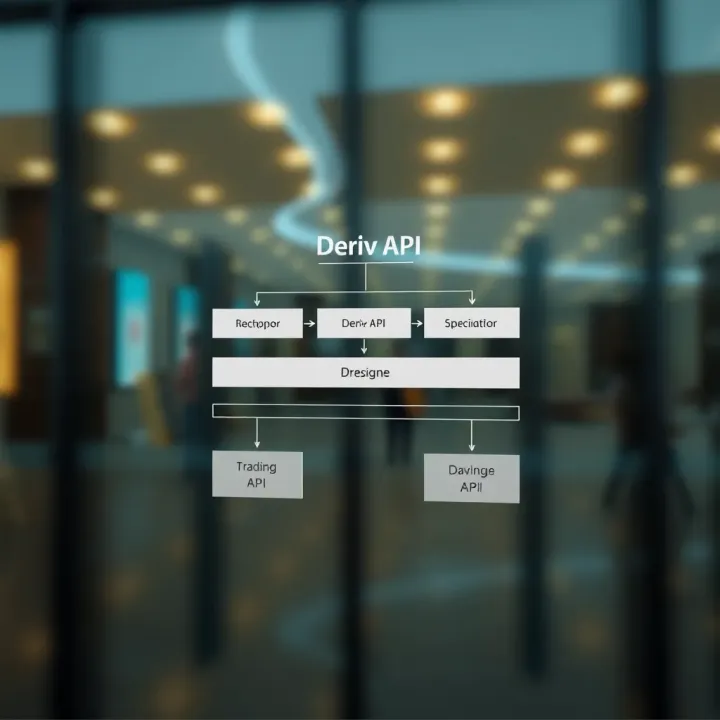
📊 Explore how the Deriv API empowers Kenyan traders to automate trades, ensure data security, and seamlessly manage accounts with easy setup tips.

Explore how Kenyan traders can navigate Deriv binary options 📈, learn key strategies, understand risks and benefits for smarter trading decisions 💡.
Based on 5 reviews