
Understanding Forex Trading for Kenyan Traders
📉 Get a clear, practical guide to forex trading in Kenya! Understand market basics, currency factors, risk management, and tech setup to trade confidently.
Edited By
Isabella Shaw
The spread in forex trading is the difference between the buying price (bid) and the selling price (ask) of a currency pair. This gap represents the broker’s fee for facilitating trades and is a fundamental cost every trader must factor in. Without understanding spreads, even the most promising trades can end up less profitable or tip over into losses.
In Kenya, where forex trading is gaining popularity through platforms accepting M-Pesa deposits, recognising how the spread affects your cost is essential. For example, if the EUR/USD pair has a bid price of 1.1000 and an ask price of 1.1003, the spread is 0.0003 or 3 pips. That small difference might seem insignificant, but it directly eats into your potential profit or adds to your loss every time you enter or exit a position.
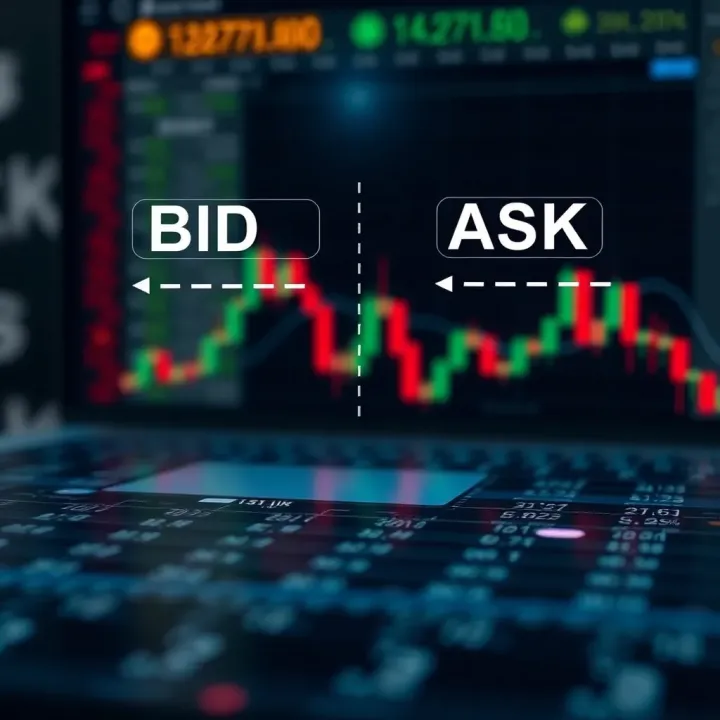
A tighter spread means lower trading costs, which can significantly improve profitability, especially for frequent traders or those operating with smaller accounts.
Traders should also know that spreads vary depending on market conditions and brokers. Popular pairs like USD/KES might have wider spreads compared to major global currencies because of liquidity differences. Brokers also set their spreads differently—some offer fixed spreads, while others opt for variable spreads that change with market volatility.
Here are key points to keep in mind:
Spread size affects entry and exit points. A wider spread means you need a bigger price movement to break even.
Types of spreads: Fixed spreads remain constant regardless of market changes, while variable spreads fluctuate based on supply and demand.
Broker’s role: Brokers provide quotes and determine spread sizes; you must compare brokers to avoid excessive costs.
Market hours and liquidity: Spreads often widen outside peak trading hours or during volatile events.
Grasping the spread equips you to choose the right currency pairs, brokers, and trading times. It also helps in strategising—for instance, you might avoid trading during Nairobi’s off-hours when spreads widen due to lower liquidity. In short, understanding spreads can save you unnecessary costs and boost your overall trading success in forex markets.
Understanding the spread is a key step in mastering forex trading. The spread shows the gap between the price you can buy a currency (ask price) and the price you can sell it (bid price) at any moment. This difference directly impacts how much you pay to enter or exit trades, so grasping its nature helps you make smarter decisions, especially when trading in volatile markets like those many Kenyan traders face.
The spread is simply the difference between the buy and sell prices listed for a currency pair on a trading platform. Say the EUR/USD pair has a bid price of 1.1000 and an ask price of 1.1003, the spread would be 0.0003 or 3 pips. Pips (percentage points) measure the smallest price change in currency pairs, so even a few pips can add up to significant costs if you trade large volumes.
This difference exists because brokers make money from the spread; they buy at the bid price and sell at the ask price. For you as a trader, it means your position starts slightly in the red because you buy at a higher price and sell at a lower one. The spread varies widely depending on currency pairs, market activity, and broker policies.
When you place a trade, the spread acts as an immediate cost, even before the market moves in your favour. For example, if you're trading USD/KES — a less liquid currency pair common in Kenya — spreads might be wider, meaning higher entry costs. Conversely, popular pairs like USD/EUR tend to have tighter spreads.
If the spread on USD/KES is 50 pips and you open a trade of 10,000 units, you immediately face a cost of about KSh 500 in price movement before breaking even. This expense can eat into profits, especially for day traders or scalpers who aim for small, quick gains. That's why paying attention to spreads when trading via platforms that support M-Pesa deposits or local brokers is crucial; the total cost may vary due to additional commissions or market conditions.
Spread awareness is essential to manage your trading costs effectively and to choose the right currency pairs and trading times.
Traders must also consider how spread fluctuates. During busy market hours, spreads usually shrink due to higher liquidity. Outside these hours or during economic reports, spreads widen, increasing costs and risks. Thus, timing your trades with spread behaviour can save you money and reduce unnecessary losses.
In sum, knowing what the spread means helps you manage your capital better, plan your trades with more precision, and pick brokers with competitive offers that suit your strategy and budget.
Forex spreads don't exist in a vacuum — several key factors affect their size and behaviour. Understanding these helps you predict trading costs more accurately and choose better moments to enter or exit the market.
Liquidity is the lifeblood of tight spreads. When many buyers and sellers are active, currency pairs become easier to trade with minimal difference between the bid and ask prices. For example, major pairs like USD/KES or EUR/USD typically show narrow spreads during Nairobi’s business hours when liquidity is high due to banks and institutions trading. On the other hand, less popular pairs, or those with lower trading volume, may have wider spreads because there's less competition among market participants.
Each currency pair carries unique traits that impact its spread. Pairs involving stable, widely used currencies like the US dollar or euro generally have tighter spreads. Conversely, exotic pairs involving the Kenyan shilling and other regional currencies often show wider spreads. This reflects lower trading volume and increased volatility, which pushes brokers to widen spreads to hedge against risk. So, when trading USD/KES compared to USD/ZAR, expect a difference in costs largely due to their characteristics.
Spreads can shift throughout the trading day. Typically, during high activity periods — such as when the London and New York markets overlap — spreads compress. But at quieter times, say overnight Nairobi time, spreads may widen as fewer traders in those time zones are active. Political events or economic announcements can also trigger volatility and widen spreads suddenly. For instance, Kenyan election periods or Central Bank of Kenya policy statements often bring wider spreads due to market uncertainty.
Not all brokers offer the same spreads even for identical currency pairs. Brokers differ in how they price spreads based on their costs, risk appetite, and business model. Some provide fixed spreads, while others offer variable spreads that fluctuate with market conditions. Additionally, trading platforms may impact execution speed which affects the actual cost you pay. Kenyan brokers partnering with international liquidity providers tend to offer tighter spreads, but always watch for extra fees or commissions hidden in the pricing.
Choosing the right broker with transparent spreads and understanding these influencing factors can save you significant costs and improve your forex trading performance in Kenya.
By keeping an eye on market liquidity, timing your trades right, focusing on currency pair choices, and selecting a trustworthy broker, you'll be better placed to manage spread costs effectively.
Understanding the types of spreads you may come across is vital for managing trading costs effectively. Different spreads impact how much you pay to open or close forex positions, which directly affects your potential profits or losses. Knowing the differences can help you pick the right broker and strategy for your trading style, especially if you are trading from Kenya where market conditions and broker offerings vary.
Fixed spreads remain constant despite changes in market conditions. For example, you might see a fixed spread of 3 pips on the USD/KES pair regardless of trading volume or volatility. This predictability appeals to many traders because it helps them calculate trading costs upfront. However, fixed spreads may widen during major news releases or outside regular market hours, potentially costing more than expected.
Variable spreads, on the other hand, fluctuate depending on factors like liquidity, volatility, and market hours. During active trading sessions, spreads tend to narrow; but near market close or amid economic announcements, spreads can widen sharply. A variable spread might be 1 pip during Nairobi’s peak trading hours but expand to 5 or more pips late at night. While variable spreads often offer lower costs during normal times, they can surprise traders with sudden increases, affecting short-term strategies such as scalping.
Knowing whether your broker offers fixed or variable spreads will influence your trading decisions. For instance, if you trade mostly during volatile periods, a fixed spread might provide more stability. Conversely, if you trade during liquid hours, a variable spread could save you money.
Raw spreads are the tight spreads a broker receives directly from their liquidity provider without added costs. For example, a raw spread on EUR/USD could be as low as 0.1 pips when the market is quiet. However, most brokers add a markup—called a marked-up spread—to cover their operational costs and profit margins. This markup might add 1 or 2 pips on top of the raw spread.
Trading with raw spreads is often cheaper for experienced traders who can afford to pay commissions separately. For example, a broker might charge a commission per trade but offer raw spreads that are nearly zero. Meanwhile, others bundle commissions into their spread, resulting in marked-up spreads with no explicit fees.
Kenyan traders should carefully compare these spread types, especially when depositing funds through M-Pesa or bank transfers that might incur fees. A broker offering tight raw spreads with low commissions can be more cost-effective than one with wider marked-up spreads, particularly for high-frequency traders.
Choosing a spread type hinges on your trading style and cost sensitivity. Fixed spreads provide certainty, variable spreads offer potential savings during stable periods, while raw spreads with commissions suit active traders who want the lowest possible cost.
In summary, being aware of fixed versus variable spreads, and raw versus marked-up spreads, helps you navigate the costs you face in forex trading. This knowledge lets you plan trades better, protect your profits, and select brokers that serve Kenyan markets fairly and transparently.
Understanding how spreads affect your trading strategy is vital for anyone aiming to succeed in forex markets, especially if you're trading from Kenya where market conditions can vary greatly. The spread adds an immediate cost whenever you open a position, so getting a grip on it helps you avoid surprises and plan smarter trades.
Every time you enter a trade, the spread is a cost you have to recover before making any profit. For example, if the EUR/USD spread is 2 pips, the market must move in your favour by at least 2 pips for you to break even. This means your break-even point depends on the spread size and your position volume. If you trade a standard lot (100,000 units), a 2-pip spread could cost you approximately $20 (roughly KS,700). Knowing this upfront allows you to calculate your potential profits and losses accurately.
Spreads impact short-term and long-term traders differently. For scalpers or day traders who open and close multiple positions daily, spreads can eat up a significant portion of profits because they seek small price movements. A wider spread increases the break-even point, making tight profits tough to achieve.
On the other hand, long-term traders who hold positions for days or weeks generally feel the spread’s impact less, since they focus on bigger market moves. For instance, a spread of 3 pips is less important when targeting moves of 100+ pips. Still, being aware of spreads ensures better timing and entry points.
Managing spread costs boils down to choosing the right broker, timing your trades, and selecting currency pairs wisely. First, Kenyan traders should opt for brokers offering competitive spreads with transparent pricing — often those with raw spreads plus a fixed commission.
Second, trading during times of high liquidity—like when London and New York sessions overlap—can help you get tighter spreads. Avoid placing trades during off-peak hours when spreads tend to widen.
Finally, focus on major currency pairs like USD/KES, EUR/USD, or GBP/USD, which usually have narrower spreads compared to exotic pairs. This reduces trading expenses and lets you concentrate on strategy rather than costs.
Remember, the spread is not just a fee; it shapes your entire trading approach. Keeping it low and predictable makes a big difference in sustaining profitability.
By fully understanding spread effects, you can fine-tune your trading style and make better-informed decisions, avoiding unnecessary losses just from costs. This knowledge is especially crucial for Kenyan traders who face varying broker offers and different liquidity across local and international markets.
Choosing a broker with competitive spreads can significantly affect your profitability in forex trading. Spread, as the difference between the bid and ask prices, represents a direct trading cost. Even a small difference in spreads can add up quickly, especially if you trade frequently or use high leverage. So, it’s essential to pick a broker whose spread offerings align well with your trading style and budget.
In Kenya, various brokers offer different spread types and levels, influenced by factors like market access and operational costs. When assessing brokers, compare their spreads on common currency pairs such as USD/KES or EUR/USD. Brokers advertising raw spreads often provide tighter pricing but may charge commissions separately. For example, some brokers might offer USD/EUR spreads as low as 0.1 pips but add a commission fee of about KSh 100 per lot traded. Alternatively, brokers with fixed spreads may charge slightly higher spreads without commissions, which can be favourable during volatile market hours.
Another point to consider is the trading platform they support and whether the spreads remain consistent during the major Kenyan market hours. Some brokers widen spreads significantly during off-peak hours, which can catch traders off guard. Always request recent trading statements or demo accounts to monitor real-time spreads before committing.
Spreads are just one part of the total trading cost. Kenyan traders need to watch out for hidden charges such as overnight financing fees (swap rates), withdrawal and deposit fees, inactivity fees, and platform usage charges. For instance, a forex broker might offer low spreads but withdraw a hefty fee for M-Pesa deposits or withdrawals, which is a common payment method in Kenya.
Moreover, the regulation and licensing status of the broker impact costs indirectly. A regulated broker by the Capital Markets Authority (CMA) Kenya offers more transparency, reducing the risk of unexpected costs or unfair practices. Unregulated platforms sometimes hide markups or widen spreads during bad market conditions.
Always read the broker's terms thoroughly and ask about all possible fees before opening an account.
In summary, selecting the right broker in Kenya involves balancing low spreads with transparent costs and regulatory assurance. Doing proper homework saves you from surprises and improves your chances of successful long-term trading.
📉 Get a clear, practical guide to forex trading in Kenya! Understand market basics, currency factors, risk management, and tech setup to trade confidently.
📊 Understand forex indices: how they track currency groups, differ from other market indices, impact forex trading, and help you make smart decisions with insight on risks.

📈 Discover the London forex trading session hours, markets, and tip strategies to maximise Kenya traders' gains by using its liquidity and volatility insights.
📈 Learn how to spot forex trading patterns to predict currency moves confidently. Includes practical tips and PDF guides tailored for Kenyan traders.
Based on 11 reviews