

Understanding Deriv Trading Bots and Their Role in Trading
Explore how Deriv trading bots operate 🤖, their pros, cons, and types. Get hands-on tips for Kenyan traders to automate smartly while managing risks 📉🇰🇪.
Edited By
Emily Thornton
Trading bots are software programmes designed to automatically execute trading orders based on predefined rules. Unlike manual trading where decisions are made by humans, bots operate 24/7, analysing market data and placing trades without emotional bias or fatigue. In Kenya's growing financial scene, traders are increasingly turning to these automated tools to gain an edge.
At their core, trading bots rely on algorithms—sets of instructions based on technical indicators, market trends, or news events. For example, a bot might be programmed to buy shares on the Nairobi Securities Exchange (NSE) when the price dips below a certain moving average and sell when it rises above another threshold. This removes the need for constant monitoring, which can be challenging in volatile markets.
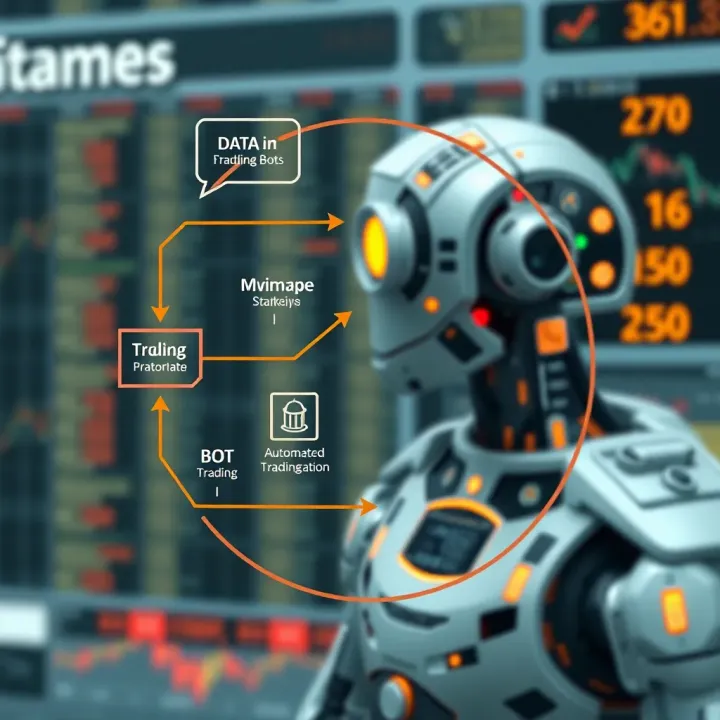
Automated trading can help improve speed and consistency, especially in fast-moving environments like Forex or crypto markets, but it also carries risks such as technical failures or poor strategy design.
Benefits of using trading bots include:
Round-the-clock operation: Markets never sleep; bots continuously scan opportunities even when you are offline.
Emotion-free trading: Removing human emotions like fear or greed helps maintain discipline.
Speed and efficiency: Bots can execute multiple trades in milliseconds, far faster than any human.
However, traders must be cautious. Bots depend on the quality of their programming and market data. Poorly designed algorithms might lead to significant losses, especially during sudden market shifts. Therefore, testing bots with historical data (backtesting) and monitoring live performance is necessary.
In Kenya, regulatory bodies like the Capital Markets Authority (CMA) are progressively outlining frameworks for automated trading to protect investors while encouraging innovation. Compliance with such rules is important for both developers and users of trading bots.
Overall, understanding how trading bots work allows traders and finance professionals to make informed choices about integrating automation into their strategies. The next sections will dig deeper into the technical workings, benefits, challenges, and local regulatory considerations surrounding trading bots.
Understanding what a trading bot is and how it operates forms the foundation for appreciating its growing role in financial markets, especially in Kenya’s evolving investment space. Trading bots are computer programmes designed to execute trades automatically based on predefined strategies. They aim to remove human emotion and delay, allowing for faster, more consistent market actions.
For example, a trader in Nairobi using a bot can programme it to buy or sell shares listed on the Nairobi Securities Exchange (NSE) when certain price patterns emerge. This automatic execution can save time and reduce the need to constantly watch the markets.
A trading bot is software that follows specific trading rules determined by the user or developer. These rules—based on technical indicators, price movements, or other signals—trigger buy or sell orders without manual input. Bots work by continuously monitoring market data and reacting instantly when conditions match the programmed strategy.
Unlike manual trading, bots operate 24/7 depending on the market hours of a particular asset. In the Kenyan context, this allows investors to take advantage of global market opportunities without staying glued to their screens.
Trend-following bots aim to identify and ride existing market trends. For example, if the price of Safaricom shares consistently rises over several days, the bot buys and holds anticipating continued growth. These bots rely on moving averages or momentum indicators to detect trends but might struggle in sideways or choppy markets.
This approach suits investors who prefer a hands-off strategy, allowing the bot to lock in gains during sustained price moves without making rash decisions.
Arbitrage bots exploit price differences for the same asset across various exchanges. Suppose Bitcoin trades at slightly different prices on Binance versus a smaller Kenyan crypto platform; an arbitrage bot could buy at the lower price and sell where the price is higher, making a profit from the spread.
While this seems straightforward, it requires ultra-fast execution and precise timing due to market volatility and trading fees.
Market-making bots provide liquidity by simultaneously posting buy and sell orders at specified prices. They earn profits from the small difference between these prices, benefiting from the spread.
In NSE or forex markets, these bots help tighten spreads, making trading smoother for everyone. However, they require substantial capital and risk management during volatile periods.
Scalping bots make numerous small trades throughout the day, aiming to capture tiny profits repeatedly. For example, a scalping bot for forex might buy and sell the USD/KES pair multiple times, taking advantage of minimal price fluctuations.
This strategy demands fast execution and often higher transaction costs but can accumulate wins quickly if well-managed.
Trading bots connect to markets mainly through Application Programming Interfaces (APIs) provided by brokers or exchanges. APIs allow the bot to send and receive data — such as current prices and order confirmations — securely and in real-time.
For Kenyan traders, popular platforms like NSE, local brokers, or global crypto exchanges offer API access, enabling bots to execute trades on behalf of the user without manual interference.
Reliable and timely market data is critical for bots to make informed decisions. Data feeds supply continuous updates on prices, volume, and other relevant metrics.
Bots analyse this data using technical indicators or algorithms to spot opportunities. For instance, a bot might use candlestick patterns from live feeds to determine when to place a trade. Any delay or poor-quality data can result in missed signals or wrong trades, so selecting a trustworthy data provider is essential.
With trading bots, a well-defined strategy backed by accurate data and strong connectivity can help Kenyan traders execute smarter moves in increasingly competitive markets.
This understanding also sets the stage for exploring how to integrate bots responsibly within Kenya's financial environment and what pitfalls to avoid.

Trading bots bring a mix of clear benefits and notable challenges to traders in Kenya and beyond. Understanding these is vital before adopting automated systems for financial markets. While bots boost efficiency and remove human emotion from trading decisions, they are not foolproof and come with risks that can impact profits.
Trading bots excel at executing orders faster than any human can. They process market data instantly and act on signals within milliseconds, which is essential in markets where price changes happen rapidly. For example, in Nairobi Securities Exchange (NSE), where certain shares can fluctuate quickly during sessions, a bot can place trades with greater precision and speed than manual trading, helping traders seize opportunities before prices shift.
Furthermore, bots handle vast amounts of data continuously without fatigue. This high-speed processing allows traders to implement complex strategies, such as scalping or arbitrage, which rely on rapid order execution so that profits are not missed due to delays.
Human traders often fall victim to emotions like fear and greed, which can lead to irrational decisions. Bots operate based on predefined rules and algorithms, ensuring trades stick strictly to the strategy without panic or overconfidence interfering. This discipline is particularly useful during volatile periods, such as when unexpected news hits the market, helping avoid impulsive reactions that might cause losses.
For example, a trader using a bot during the announcement of Kenya’s GDP data can trust their system to follow risk-management rules rather than sell hastily in fear of market swings. This removes the emotional rollercoaster and improves consistency.
Unlike human traders, bots can monitor markets at all hours without breaks, capturing opportunities even when the trader is offline or asleep. This is particularly valuable for crypto trading or international markets that operate beyond Nairobi’s business hours.
This continuous monitoring means traders don’t miss price movements due to timing, making bots practical for Kenyans interested in foreign exchanges or cryptocurrencies. A bot might spot a sudden dip in Bitcoin prices overnight and execute buy orders instantly, a task impossible manually for most Nairobi-based traders.
Bots rely on solid software and internet connectivity, making them vulnerable to technical glitches. A temporary server downtime, bugs in coding, or lost internet connection can cause missed trades or unintended actions. For instance, during a busy trading day, if a bot’s connection to the NSE trading platform drops, orders may fail to execute, leading to losses.
Besides, poorly programmed bots might freeze or crash, underscoring the need for robust monitoring and quick manual intervention.
Fast-moving markets can sometimes overwhelm bots, especially when sudden shocks create unpredictable price swings. Bots following rigid algorithms may not adapt well to extreme conditions, triggering multiple trades or losses rapidly.
A good example is during the 2020 COVID-19 crash, where chaotic market movements could cause bots to exit positions prematurely or add to losses. Traders should note that bots can’t fully replace human judgment during such turbulent times.
Traders often train bots using historical data, but excessive fine-tuning (over-optimisation) can cause bots to perform well in past scenarios but poorly in live markets. This is because the bot gets too tailored to past patterns which might never repeat.
Additionally, bots may misinterpret noise in market data as a signal to trade, leading to unnecessary orders that erode profits through costs or slippage. Kenyan traders should combine backtesting with real-time oversight to catch these issues early.
While trading bots bring speed and unemotional strategy execution, they require careful setup and constant vigilance to manage the technical and market risks effectively.
In summary, using trading bots can greatly improve efficiency and discipline in trading. However, users must balance these advantages against possible technical hiccups, market unpredictability, and the risks of relying too much on past data. Judicious use coupled with monitoring remains the best approach to harness the benefits of automated trading in Kenya’s financial markets.
Starting with trading bots in Kenya opens up opportunities for investors and traders to automate their financial strategies effectively. Given the increasing digitalisation of Kenya’s financial markets and platforms like Safaricom’s M-Pesa integration, automated trading can reach a wider audience beyond traditional brokers. It's key for Kenyan traders to select platforms and strategies that suit local market conditions and financial goals.
Several trading platforms accessible in Kenya support automated bots. Internationally recognised platforms like MetaTrader 4 and 5, Binance, and Interactive Brokers offer integrations for bots and APIs that Kenyan traders can utilise. Additionally, local fintech startups are beginning to offer bot-supported features tailored to Kenyan equities or currency markets, often with mobile-friendly interfaces crucial for users relying on smartphones.
Having access to these platforms means traders can operate bots alongside manual trades and manage investments in NSE-listed stocks, forex, or cryptocurrencies from one dashboard. For example, Binance allows Kenyan traders to automate crypto trades using preset rules, while MetaTrader supports forex trading bots popular among active traders.
Not all trading bots or platforms come cheap or offer the same features. When choosing software, it's important to weigh costs like subscription fees, commission rates, or charges for premium bot features. Some platforms offer free basic bots but charge for advanced analytical tools or increased automation capacity.
Feature-wise, traders should look out for user-friendly interfaces, the ability to customise strategies, integration with local payment methods (like Lipa Na M-Pesa), and real-time data feeds. A platform that supports seamless withdrawals in Kenyan shillings helps avoid currency conversion hassles. Balancing costs against functionalities ensures you don't pay for underused features or get stuck with excessive fees.
Setting up a trading bot typically starts with linking it to your brokerage account via API keys, which grants the bot permission to execute trades on your behalf. Next, you select or define a trading strategy—whether it’s trend-following, arbitrage, or scalping.
Kenyan traders might begin with templates common on platforms like MetaTrader or Binance, tweaking parameters such as trade size, stop-loss limits, or entry points to match their risk appetite and market understanding. Clear instructions help prevent costly errors, such as overly aggressive settings that could drain capital during volatile sessions.
Before deploying a bot live, backtesting against historical market data is vital. This step shows how a strategy would have performed in past market conditions without risking real money.
For instance, a trader wanting to use a trend-following bot on NSE shares can simulate results from past two years' data. This helps spot if the strategy tends to underperform during specific periods, like earnings seasons or political cycles. Using Kenyan market history ensures more relevant insights than global data alone.
Automated bots need continuous updates and maintenance to stay effective. Software updates fix bugs, improve security, and add new features that keep pace with changing technologies and market practices.
For example, a bot that worked well last year might need adjustments following changes in NSE trading rules or brokerage API updates. Ignoring maintenance can lead to misfiring trades or security vulnerabilities, possibly resulting in financial losses.
Bots operate based on algorithms that respond to market data patterns, but markets are dynamic. Kenyan markets occasionally react sharply to local events like election results or economic reports. As such, traders must adjust bot settings or temporarily halt automation during unusual volatility.
An active monitoring routine allows you to tweak parameters such as risk limits or trade frequency. For instance, reducing trade sizes during long rains months when liquidity may be lower can protect capital. This hands-on approach keeps the bot aligned with current realities instead of blindly following outdated assumptions.
Getting started carefully by choosing the right platform, setting clear strategies, and managing your bots actively improves your chances to benefit from automated trading in Kenya's evolving markets.
Automated trading using bots introduces a new layer of complexity to financial markets, making regulatory and ethical factors essential. Traders and investors in Kenya must understand these considerations to avoid legal pitfalls and promote fair market practices. Clear regulations help protect investors from fraud while ethical guidelines ensure bots are used responsibly, avoiding market manipulation or unfair advantages.
Kenya's securities laws govern all forms of trading, including automated systems. The Capital Markets Act mandates that any trading activity, automated or otherwise, must comply with market rules designed to maintain transparency and fairness. For example, a trading bot that executes high-frequency trades must still adhere to rules that prevent market abuse and insider trading. Ignorance of these regulations is no excuse; failure to comply can lead to penalties or suspension from trading platforms.
The Capital Markets Authority (CMA) oversees securities market conduct in Kenya, issuing specific guidelines on the use of technology in trading. CMA requires that trading bots operating within the Kenyan market be registered or approved by licensed brokers or asset managers. Brokers must monitor bots to ensure they do not create market volatility or disrupt fair trading conditions. This oversight protects retail investors who may be less familiar with automated trading complexities, ensuring bots meet reliability and security standards.
Using unregulated trading bots poses significant dangers. Without official oversight, bots might engage in manipulative practices like spoofing—placing fake orders to mislead other traders. Such tactics can distort prices and lead to losses. Additionally, unregulated bots might bypass basic security checks, increasing risks of data breaches or financial fraud. For Kenyan investors, relying on unregulated bots often means no legal recourse if losses occur due to bot failure or misuse.
Investing with unregulated bots is like walking a tightrope without a safety net — the risks are real and consequences severe.
Ethical use of trading bots involves transparency, fairness, and respect for market integrity. Traders should avoid strategies that exploit loopholes or destabilise the market. For instance, employing a bot purely to create artificial price movements harms other investors and damages trust in the financial system. Furthermore, developers and users must ensure their bots do not inadvertently contribute to systemic risk by overloading trading systems or amplifying volatility during critical market periods.
To uphold ethical standards, many Kenyan brokers recommend setting clear parameters for bots, monitoring performance continuously, and educating end-users on responsible usage. This approach balances technological benefits with moral responsibility, fostering a healthier trading environment.
Understanding and respecting these regulatory and ethical frameworks helps Kenyan traders make informed decisions about automated trading. It safeguards both individual investors and the broader financial market from avoidable harm and unethical conduct.
Trading bots are set to play a larger part in Kenya's financial markets as technology keeps improving. Their growing relevance stems from rising local demand for efficient trading tools and the expansion of digital finance infrastructure. Understanding the future trends can help investors and traders prepare for smarter, faster decision-making backed by automation.
Artificial intelligence (AI) is pushing trading bots to a new level. Instead of just following simple coded rules, AI-powered bots now learn from data patterns and adapt their strategies. For example, machine learning can help bots spot subtle market shifts or unusual behaviours that are difficult for humans to catch.
This means AI bots may avoid mistakes like reacting to false signals or sudden market noise. Kenyan investors using AI-driven bots can potentially enjoy improved trade timing and risk management, especially in volatile markets such as forex and NSE equities. However, these bots still need close monitoring to avoid overfitting to past data.
The future of trading bots in Kenya also links closely with mobile technology growth. Since M-Pesa dominates payments and bank transfers have gone digital, some trading platforms are now creating bots that sync directly with mobile wallets.
This integration allows automated trade execution and settlement straight from a trader’s mobile money account, saving time and reducing errors. For instance, a bot can place buy or sell orders triggered by preset market conditions and handle payments in real-time without manual input. Such a setup suits Kenya’s rising class of mobile-first traders who rely on mobile internet and mobile money more than traditional banking.
As trading bots become more accessible and smarter, Kenyan investors may benefit from reduced trading costs and improved strategy execution. Bots can open doors for small-scale traders to compete fairly by automating tasks that typically require expensive teams or tools.
On the other hand, increased bot activity might raise market volatility during sudden events, as many automated systems react simultaneously. Regulators will need to keep pace with these developments to ensure fair trading practices and avoid potential abuses like flash crashes.
For Kenyan investors, understanding how bots evolve and integrating them wisely can support more disciplined and informed trading, but it remains vital to stay alert and adapt strategies over time.
In summary, the future of trading bots in Kenya lies at the intersection of AI innovation and mobile-driven finance, promising both opportunity and new challenges for the local trading community.
Explore how Deriv trading bots operate 🤖, their pros, cons, and types. Get hands-on tips for Kenyan traders to automate smartly while managing risks 📉🇰🇪.
🤖 Explore how AI trading bots operate in financial markets, their pros and cons, risks involved, and tips for Kenyan traders to trade smarter and safer.
📈 Dive into Deriv trading with this clear guide for Kenyan traders. Learn platforms, trade types, strategies, risks, and regulatory tips for smart decisions.

Explore how Kenyan investors can use copy trading to mirror expert trades, understand risks, choose platforms, and navigate regulations for smarter investing 📈💼
Based on 8 reviews