
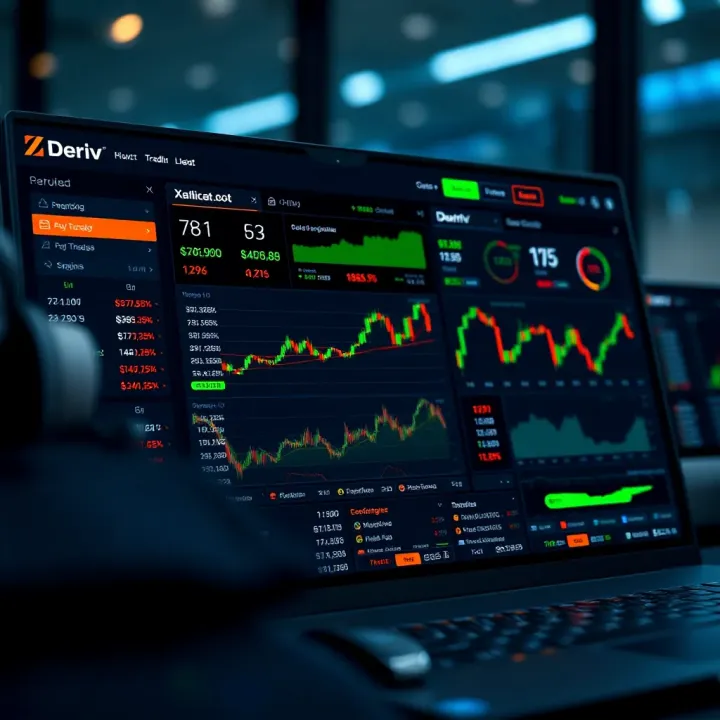
Understanding Deriv Trading in Kenya
📈 Dive into Deriv trading with this clear guide for Kenyan traders. Learn platforms, trade types, strategies, risks, and regulatory tips for smart decisions.
Edited By
Henry Davies
Trading charts are essential tools for anyone involved in buying and selling financial assets, whether equities, forex, commodities, or cryptocurrencies. In Kenya, where the market is growing fast and digital access is increasing, understanding these charts can give you a real edge.
At their core, trading charts visually display price movements over a set period. This lets traders spot patterns and trends without staring endlessly at numbers. Say you want to buy Safaricom shares on the Nairobi Securities Exchange (NSE). Charts show how prices have moved daily, weekly, or monthly, so you can decide whether it's the right moment to buy or sell.
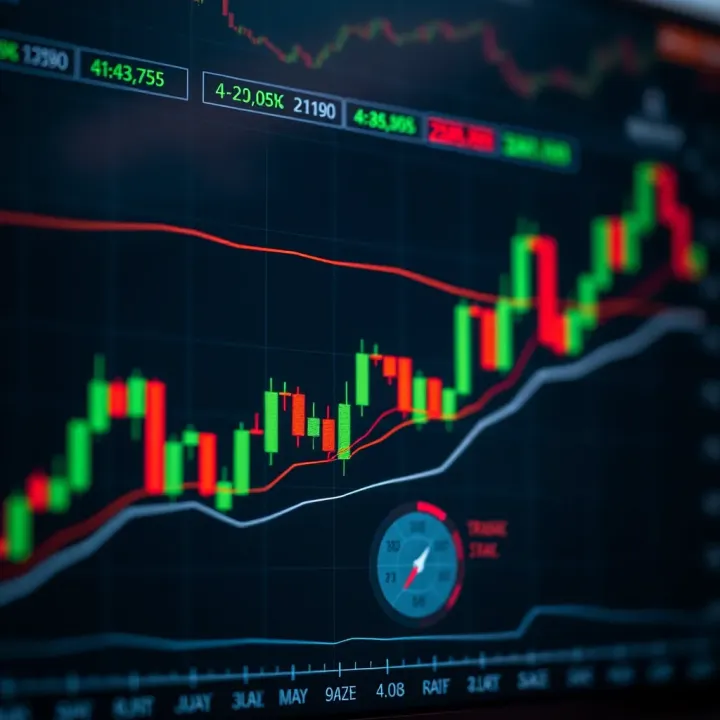
Line charts: Simple and clear, connecting closing prices over time. Helpful for a quick overview but lack detail.
Bar charts: Show opening, closing, high, and low prices for each period. More insightful when following volatile stocks.
Candlestick charts: Popular among traders, these provide the same info as bar charts but visually highlight bullish or bearish trends using coloured bodies.
Reading these charts means recognising support and resistance levels—the points where prices tend to stop falling or rising. For instance, if a coffee exporter’s shares repeatedly drop to KS50 and bounce back, that level forms support.
Traders should remember: Charts give clues, not certainties. They should be combined with other analyses, such as company fundamentals or macroeconomic factors affecting Kenya’s markets.
For Kenyan traders, mastering charts means also adapting to local trading hours and understanding how regional events, like elections or changes in the Central Bank of Kenya’s policies, impact price movements. Practical tips include starting with candlestick charts on platforms like NSE’s online portal or broker apps that support M-Pesa deposits.
Avoid common mistakes such as over-trading based on short-term charts without context or ignoring volume data, which shows how many shares change hands and signals strength of price moves.
Getting comfortable with trading charts takes practice, but it can drastically improve your timing and confidence in the fast-paced Kenyan market.
Trading charts are essential tools that show how prices of assets like shares, currencies, or commodities change over time. For Kenyan traders, these visuals simplify complex market data into clear, easy-to-read graphics. By looking at a chart, you quickly understand how an asset’s price has shifted, say, on the Nairobi Securities Exchange (NSE) or the foreign exchange market.
At their core, trading charts plot the price of an asset over a chosen period. For example, a candlestick chart of KCB Group shares might show price movements during business hours, highlighting the opening, highest, lowest, and closing prices. This type of visual helps a trader spot patterns that raw numbers alone might hide.
These charts convert a jumble of figures into straightforward shapes and lines. Instead of scrolling through Excel sheets with prices listed every minute or second, a glance at the chart gives a snapshot of what’s happening in the market.
Charts don’t just show where prices have been — they help predict where prices might go. Kenyan traders look for trends: upward climbs, sideways stagnation, or downward drops. Identifying these trends aids in making timely trades.
For instance, spotting a strong uptrend in the price of Safaricom stock could signal a good time to buy before the price rises even higher. On the other hand, recognising a downtrend early helps avoid losses or even offers an opportunity to sell short.
Kenyan traders deal with both local assets on the NSE and international ones like the US Dollar or commodities such as maize and coffee. Trading charts tie these markets together, showing how global events affect local prices. For example, oil price hikes abroad may reflect on Kenyan petrol stocks.
By using charts, a trader in Nairobi can see how the rise in the dollar’s value against the Kenyan shilling influences forex pairs, allowing better planning for when to buy or sell.
Charts serve across different asset classes — equities, forex, commodities, or even cryptocurrencies. A forex trader might use short-term charts to catch intraday swings on the USD/KES pair, while a long-term investor could track agricultural commodity trends for portfolio diversification.
Understanding these chart patterns helps traders solidify decisions rather than relying on guesswork. For example, during election periods in Kenya, price volatility tends to increase; watching charts closely allows timely reactions to these changes.
For Kenyan traders, trading charts offer a practical edge, turning market puzzles into readable maps that guide investment moves both locally and globally.
Trading charts are essential tools that show price movements over time, making them pivotal for Kenyan traders in fields like forex, stocks at the Nairobi Securities Exchange (NSE), and even commodities. Knowing the different chart types helps you choose the right one for your trading style and asset.
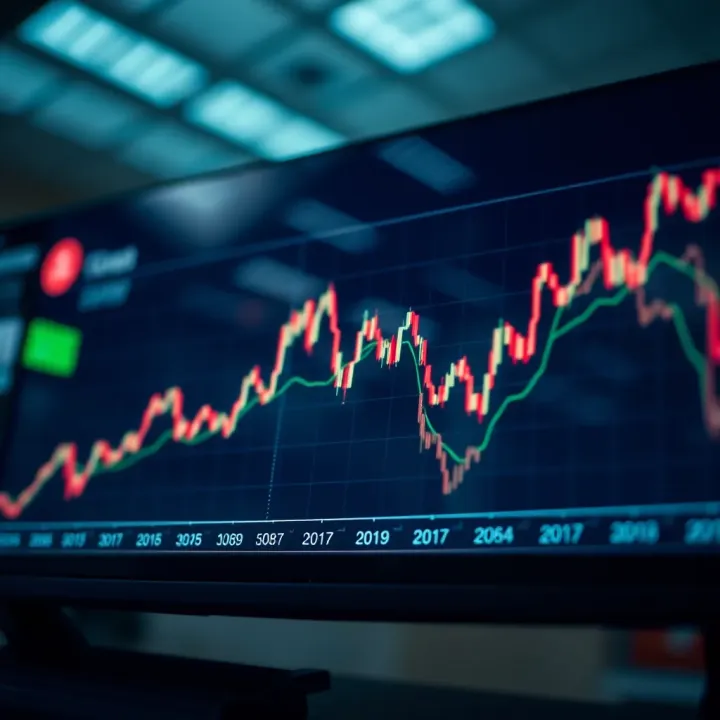
Line charts are the simplest kind of trading charts. They connect closing prices over a chosen time period with a continuous line. This graphic paints a clear picture of the general price direction without cluttering the view with too many details. For instance, if you’re watching the performance of Safaricom’s shares over six months, a line chart will distinctly show if the stock has been trending up, down, or sideways.
These charts are especially useful when you need a quick overview or when analysing long-term trends. Kenyan traders often use them to follow macro-economic trends like the shilling’s movement against the US dollar over several months. Line charts give straightforward visual cues to help avoid distractions from intra-day price noise.
Bar charts add more information than line charts by displaying four price points for each time interval: opening, closing, high, and low prices. Each vertical bar represents these points, with small horizontal ticks on the left and right to mark opening and closing prices. Consider following KCB Group shares; the bar chart would vividly show not just the closing price but where the price started and the full range of daily trading.
Compared to line charts, bar charts offer a more detailed look at market activity. They reveal price volatility and give clues about market strength or weakness during that period. Kenyan traders keen on day trading or swing trading find bar charts helpful because they expose intra-day price behaviours that line charts can miss.
Candlestick charts are popular for visualising market sentiment at a glance. Like bar charts, they display opening, closing, high, and low prices but use coloured rectangles, or 'candles', which help traders quickly judge whether buyers or sellers dominated the market. For example, in forex trading on the USD/KES pair, a green (or white) candle shows that buyers pushed prices higher during the period, while a red (or black) candle indicates sellers were in control.
Understanding bullish and bearish signals through candlesticks adds depth to your trading decisions. A long green candle after a series of small candles might signal a strong upward move, prompting you to consider buying. Conversely, a 'shooting star' candlestick pattern could warn of a potential reversal, suggesting caution or selling. For Kenyan traders, picking up these patterns can improve timing entries and exits in volatile markets such as forex or NSE equities.
While line charts offer simplicity, bar and candlestick charts bring richer detail essential for tactical trading decisions. Each has its place, depending on what insights you seek and the asset you trade.
By familiarising yourself with these charts, you’ll better understand price behaviour, improve prediction accuracy, and react smartly to market movements relevant to Kenyan financial markets.
Effective reading and interpretation of trading charts help Kenyan traders make smarter, quicker decisions in markets that can shift unexpectedly. Charts reveal the story behind price movements, allowing traders to anticipate potential market directions rather than react blindly. Knowing how to spot trends and patterns offers clear signals that can improve timing for entry or exit in any asset class, whether in the Nairobi Securities Exchange (NSE), forex trading, or commodity markets.
Price trends show the general direction a market is moving, which is essential for staying on the right side of trades. An uptrend happens when prices consistently rise, forming higher highs and higher lows; for example, a stock like Safaricom might show steady gains over weeks signalling strong demand. Conversely, a downtrend is where prices fall steadily, seen in assets losing interest or facing headwinds, such as during periods when global market fears hit the NSE. Sideways movement or consolidation occurs when prices hover within a range, indicating uncertainty or balance between buyers and sellers. Recognising these shifts helps traders avoid buying into falling markets or selling too early during gains.
Chart patterns add an extra layer of insight by reflecting collective investor behaviour. Kenyan traders would do well to recognise patterns like the head and shoulders, signalling a potential reversal after an uptrend, or the double bottom, indicating a possible rise after a downtrend. These are practical for preparing stop-loss orders or planning to lock profits. Patterns such as triangles often suggest the market is gearing up for a big move, so knowing these can help traders refine their strategies amid NSE or forex fluctuations.
Choosing the right chart timeframe is about matching your trading style to the pace of market movements. Short-term charts like 5-minute or hourly intervals suit active day traders or scalpers who seek quick entry and exit, capturing gains from small price swings. For instance, a forex trader in Nairobi might use short charts to capitalise on M-Pesa-related currency volatility around Kenyan economic announcements.
On the other hand, long-term charts such as daily, weekly or monthly intervals serve investors focused on bigger trends and long-term growth, such as real estate stocks listed on the NSE or agricultural commodity futures. These charts smooth out noise and reveal the underlying momentum beyond daily fluctuations.
Ultimately, align your chart timeframe with your trading style: day traders should lean on shorter frames for frequent decisions, while swing or position traders should rely more on longer frames for steadier signals. Mixing timeframes provides a fuller picture—checking a daily chart to confirm a trend spotted in an hourly one can be a useful technique.
Mastering trends, patterns, and timeframes lets Kenyan traders unlock practical insights from charts, improving decision-making for any trading horizon.
Key indicators and analytical tools add depth to trading charts by revealing market trends and signals beyond just price movements. For Kenyan traders, these tools help spot entry and exit points in a market that can be volatile, such as the Nairobi Securities Exchange (NSE) or forex pairs involving the Kenyan shilling. Learning how to read and apply indicators like moving averages, the Relative Strength Index (RSI), and volume measures sharpens your market understanding and improves decision-making.
A Simple Moving Average calculates the average price of an asset over a set period, smoothing out price fluctuations. For example, a 14-day SMA adds up closing prices for 14 days and divides by 14, providing a clearer line representing price trends without daily noise. Kenyan traders often use SMAs to observe general market direction on assets like Safaricom shares or maize futures.
When the price crosses above a moving average, it can indicate a new upward trend; crossing below might signal a downturn. Another popular tactic is watching where short-term and long-term SMAs meet — for instance, if the 10-day SMA crosses above the 50-day SMA, it may suggest momentum shifting upwards. Kenyan traders can use this to confirm bullish or bearish trends before committing funds, especially important during market swings affected by local economic reports.
The RSI measures the speed and change of price movements, ranging from zero to 100. This momentum indicator shows whether a market is gaining strength or losing steam. For instance, a rising RSI on the Kenyan shilling forex pair might signal growing buying interest. It helps traders gauge if a price move is likely to continue or if a reversal could be near.
RSI readings above 70 typically mean an asset is overbought and may soon correct downwards, while below 30 suggests it is oversold and might rebound. For a trader in Kenya looking at the NSE 20 share index, these signals can advise on when to take profits or consider buying undervalued stocks. However, be cautious: strong trends can keep RSI at extreme levels for some time.
Volume shows how many units of an asset change hands during a period. If a price rise happens on high volume, it indicates solid interest backing the move, reducing the chance it is a false signal. For example, if EABL (East African Breweries Limited) shares climb sharply with increased volume, that’s a stronger sign of genuine buying pressure.
Kenyan traders should compare volume during breakouts or trend reversals for confirmation. Sudden spikes in volume often precede big moves, offering early clues. Low volume moves, especially in illiquid stocks or during holidays, may be less reliable. By combining volume data with price patterns and indicators, you can avoid getting caught in fake-outs, particularly in the sometimes thinly traded segments of the NSE.
Combining these indicators—moving averages, RSI, and volume—gives a fuller picture of market behaviour, helping Kenyan traders navigate both local and international markets more confidently.
Traders in Kenya need practical strategies to make the most of trading charts. Beyond understanding patterns and indicators, knowing how to effectively access charting tools and apply local market insights can improve decision-making. Kenyan markets present unique challenges and opportunities, so blending technical analysis with an awareness of local context is essential.
Kenyan traders benefit from platforms that cater to local needs, such as Safaricom's M-Pesa compatibility for deposit and withdrawal options. Popular apps like MetaTrader 4 and TradingView offer wide accessibility and detailed charting features on mobile devices, which suits the on-the-go lifestyle many traders lead. These platforms cover a broad range of assets including NSE stocks, forex pairs like USD/KES, and commodities relevant to Kenya.
Choosing the right platform involves weighing features against costs. While free platforms offer basic tools, paid versions often provide advanced indicators, real-time data, and better customer support. For instance, a trader focusing on forex might prioritise platforms that offer tight spreads and fast execution, even if it means paying a small monthly fee. Cost considerations also include transaction fees affecting margins, so checking the full pricing structure before committing is wise.
Charts alone don’t give the full picture — integrating economic releases and local news is crucial. Data such as CBK interest rate decisions, inflation reports, and government policy announcements directly affect market movements. For example, a hike in Central Bank rates often strengthens the shilling, which would reflect on forex charts. Kenyan traders who keep an eye on these releases can anticipate volatility and position themselves accordingly.
When navigating the Nairobi Securities Exchange (NSE) and forex markets, charts are vital tools to time entries and exits. Using chart analysis alongside knowledge of corporate results, political developments, or seasonality effects can sharpen strategies. A trader spotting a bullish candlestick pattern in Safaricom shares might confirm the signal by checking recent earnings announcements or sector news. This combination helps avoid false signals and enhances confidence in trades.
Successful Kenyan traders don’t rely solely on charts. They blend technical tools with informed awareness of local economic indicators and market events to make smarter trading choices.
Through reliable platforms and local insights, trading charts become more than just lines and candles — they turn into powerful guides tailored for Kenya’s dynamic markets.
Trading charts provide crucial information, but relying on them without care can lead to costly errors. Kenyan traders often make avoidable mistakes that hurt their outcomes. Understanding these pitfalls helps you navigate markets more confidently and avoid losing your hard-earned money.
Indicators like the Relative Strength Index (RSI) or Moving Averages can show momentum or trend shifts, but they don’t tell the whole story. Ignoring broader market factors like economic news or political events may leave you blind to sudden changes. For example, a sudden shift in Central Bank of Kenya (CBK) policy or unexpected forex volatility can overwhelm what charts suggest.
Charts should be one piece of your toolkit, not the entire picture. When you only trust technical indicators without considering fundamentals, you risk mistakes like buying just before a government announcement that shocks the market. Many Kenyan investors forget to check economic releases or local business developments before making decisions purely based on chart signals.
Balancing charts with fundamental analysis means incorporating facts such as inflation data, NSE sector performance, or currency news alongside your technical tools. This balance improves your trading edge by factoring both price actions and real-world events. For instance, if Kenya’s GDP growth forecast changes, it can reshape the market trend regardless of chart patterns. Paying attention to both sides lets you adjust trades to avoid losses or spot new opportunities.
Charts can highlight entry and exit points, but managing your risk keeps your capital safe. Setting stop losses based on chart signals protects you from bigger losses when the market moves opposite your bet. Say you buy Safaricom shares after a bullish breakout pattern; placing a stop loss below a recent support level limits your risk if the price drops unexpectedly.
Ignoring stop losses means risking more than you can afford, a mistake seen in many local trading scenarios where emotions overtake discipline. Even with good chart analysis, unexpected events like corporate scandals or regulatory changes can tank prices quickly. Stop losses act as a safety net to prevent small setbacks from becoming devastating.
Managing position sizes effectively ties closely to risk. Don’t put all your capital into one trade just because the chart looks promising. Instead, spread out investments to reduce exposure. For Kenyan traders, this might mean diversifying between NSE stocks, forex pairs like USDKES, or commodities like tea and coffee futures. Smaller, controlled positions preserve your savings while allowing you to stay active in markets.
Controlling risk is as important as understanding charts. Wise use of stops and position sizing keeps you in the game longer and lets you learn without damaging your wallet.
Avoiding these common mistakes sharpens your trading skills and guards against unnecessary losses. Remember, charts offer signals, but your judgement and risk controls turn those signals into real profits.
📈 Dive into Deriv trading with this clear guide for Kenyan traders. Learn platforms, trade types, strategies, risks, and regulatory tips for smart decisions.

Explore how Kenyan investors can use copy trading to mirror expert trades, understand risks, choose platforms, and navigate regulations for smarter investing 📈💼
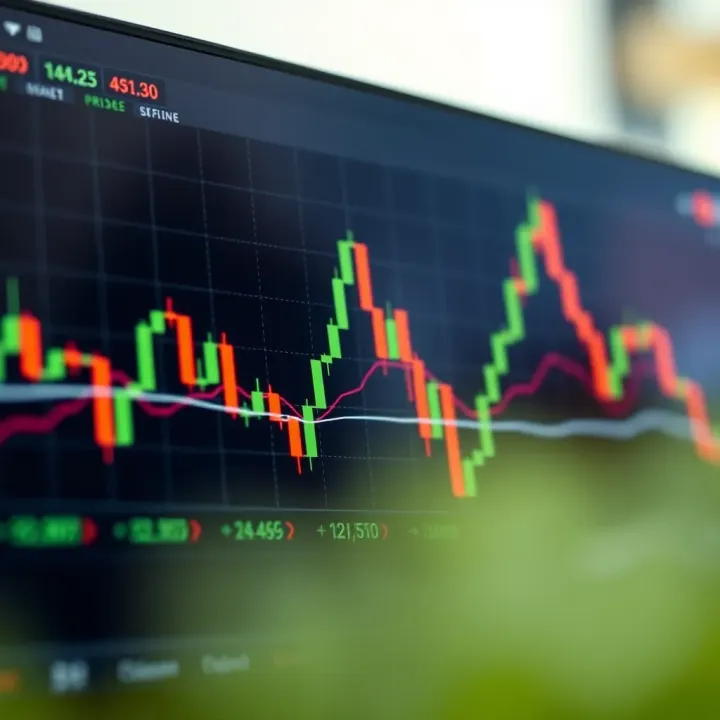
📊 Learn how to read candlestick charts to spot market trends and improve your trading in Kenya. Tips, patterns, and basics all explained simply.

Explore how Deriv trading bots operate 🤖, their pros, cons, and types. Get hands-on tips for Kenyan traders to automate smartly while managing risks 📉🇰🇪.
Based on 14 reviews