
Top Trading Bots for Kenyan Traders
Discover top trading bots for Kenyan traders 🤖 Explore features, benefits, and tips to enhance your trading strategy and manage risks effectively.
Edited By
Charlotte Davies
Trading signals are a key tool for many Kenyan traders and investors looking to make smart decisions in the market. Simply put, these signals provide clear alerts about when to buy or sell financial assets based on careful market analysis. For traders in Nairobi or Mombasa, who often face volatile market conditions and fast-moving trends, knowing how to read and use trading signals can make the difference between profit and loss.
A trading signal may come from various sources such as technical indicators, fundamental analysis, or even expert recommendations. For example, a simple moving average crossover on the NSE (Nairobi Securities Exchange) chart can act as a signal that it's time to enter or exit a position. Similarly, news about a change in Kenya’s interest rates by the Central Bank can trigger fundamental signals affecting currency pairs like USD/KES.
Trading signals are not guaranteed profits but act as pointers to help traders make informed decisions.
Most signals fall into two broad categories:
Technical signals: These rely on price patterns, volume, and historical data. Common indicators include RSI (Relative Strength Index), MACD (Moving Average Convergence Divergence), and support/resistance levels.
Fundamental signals: These come from economic data releases, corporate earnings reports, or geopolitical events. For Kenyan traders, such signals could derive from KRA tax announcements, government budget speeches, or regional trade agreements.
To make the best out of trading signals, Kenyan traders can use platforms like MetaTrader, Thinkorswim, or local brokerage apps that offer integrated technical indicators and real-time market news. Combining signals with proper risk management tools such as stop-loss orders protects against unexpected market moves.
Ultimately, trading signals are one part of a broader strategy. No signal replaces the need to understand market context and trader psychology. However, when used wisely, they offer a practical way to spot trading opportunities and improve your chances of success in Kenya's dynamic markets.
Trading signals act as guides for investors, showing when to buy or sell a financial asset. They simplify complex market data into clear instructions, helping traders save time and avoid guesswork. For Kenyan traders, where markets can change fast due to local economic events or global shifts, these signals serve as handy tools to make informed decisions quickly.
A trading signal points out a potential trading opportunity based on market data. For example, if a stock’s moving average crosses above its long-term average, this might signal a chance to buy. These signals are especially helpful for traders who don't have time to monitor the markets minute-by-minute but still want timely cues.
Signals come from various places: human experts, technical tools, or automated systems. Some platforms provide manual signals based on experts’ experience analysing charts and news, while others use computer algorithms to scan vast datasets and spot patterns automatically. Kenyan traders can access signals through brokerages, mobile apps, or specialised services.
Rather than relying solely on gut feeling, traders use signals to backing their decisions. Signals act as confirmations or early warnings. For instance, if a signal suggests selling, but the trader knows an event like an upcoming presidential election may cause volatility, they can weigh this context before acting. This mix of signals and personal insight creates better trading outcomes.
These signals derive from chart patterns and price action. Indicators like moving averages, Relative Strength Index (RSI), and MACD give clues about market momentum and trend strength. For example, if the RSI shows an asset is oversold, it could be a sign buyers may soon push prices up. Technical signals are widely used by Kenyan traders due to easy access through platforms like MetaTrader and local broker apps.
These focus on economic data and company performance. For instance, a favourable Kenya National Bureau of Statistics report on export growth might trigger buy signals for certain sectors. Traders paying attention to earnings reports, interest rates, or inflation get signals about an asset’s real-world value and future prospects.
Sentiment signals gauge the mood of the market by tracking news, social media chatter, or investor behaviour. For example, a sudden surge in positive news about Safaricom’s earnings can create a bullish signal. In Kenya, where social media strongly influences market sentiments, sentiment analysis helps traders anticipate shifts driven by public opinion before price moves happen.
Using a combination of these signals often leads to smarter trading decisions, as it blends price action with real-world events and market mood.
Trading signals come in different forms, and understanding their variations helps Kenyan traders choose the right tools for their needs. These signals guide decisions on when to enter or exit the market, so knowing their types and characteristics is key to effective trading.
Signals generated by experts rely on the deep experience and intuition of human analysts. These experts examine charts, economic news, and market sentiment to identify likely trading opportunities. For example, a seasoned trader might spot a pattern on the NSE (Nairobi Securities Exchange) that algorithms miss, such as unusual volume spikes tied to local events. These signals often carry insight drawn from real-life market knowledge, making them valuable for traders who prefer considering broader context before making decisions.
Manual signals usually come through direct communication, like advisory newsletters or calls from brokerage firms. While they can offer nuanced guidance, the speed of delivery and personal bias may impact their timeliness and consistency.
Algorithms and AI-driven signals use computer programmes and artificial intelligence to analyse vast sets of data quickly. They identify patterns, such as moving average crossovers or momentum changes, that can indicate potential buying or selling moments. These automated signals work around the clock, which helps traders catch opportunities even outside typical market hours.
For Kenyan traders, automated signals can be accessed via platforms like MetaTrader or brokerage apps with built-in algorithms. While they provide a disciplined, unemotional approach, the algorithms work best when adjusted to Kenyan market peculiarities, like currency fluctuations of the Kenyan Shilling against the dollar or regional economic reports.
Moving averages crossovers are among the simplest and widely used technical signals. This method involves tracking two moving averages—often a short-term and a long-term one—to spot changes in trend direction. When the short-term moving average crosses above the long-term average, it signals a potential uptrend, suggesting it’s time to buy; crossing below indicates a possible downtrend or sell signal.
In practical terms, a trader monitoring Safaricom shares might use a 50-day and 200-day moving average crossover to decide when to enter the market. This helps filter out day-to-day noise and focus on longer-term price moves, offering a clearer picture of momentum.
Relative Strength Index (RSI) measures the speed and change of price movements, indicating overbought or oversold conditions. An RSI above 70 often signals that an asset is overbought, implying a price correction might follow. Conversely, an RSI below 30 suggests the asset may be oversold, potentially signalling a buying opportunity.
RSI is particularly useful for volatile sectors like Kenyan agricultural commodities or forex pairs like USD/KES, where prices frequently swing. Traders use this to avoid entering at peaks or exiting at lows, thus managing risks more effectively.
MACD (Moving Average Convergence Divergence) and other momentum indicators track the relationship between moving averages to highlight shifts in momentum. MACD uses the difference between fast and slow-moving averages and signals help traders spot early trend reversals or confirm ongoing trends.
For example, when the MACD line crosses above its signal line, it suggests bullish momentum; crossing below could mean bearish momentum. Kenyan investors dealing with NSE stocks or forex markets find MACD helpful in timing entries and exits, especially when combined with other signals like RSI or volume data.
Successful trading often combines several signal types rather than relying on just one. This blend offers a clearer picture and reduces the risk of misleading cues.
Understanding these common trading signals arms Kenyan traders with practical tools—whether relying on expert insight or smart algorithms—to make informed decisions tailored to their market context.
Trading signals are only as useful as the means through which a trader accesses and applies them. For Kenyan traders, understanding where to find reliable signals and how to integrate them into practical trading strategies is key to turning insights into profits. The right platforms and proper use help avoid pitfalls and improve trading outcomes.
Local brokerages and apps offer a convenient starting point for Kenyan traders. Many brokerage firms operating within Kenya, such as Nairobi Securities Exchange (NSE) members like KCB Securities or Faida Investment Bank, have introduced online trading platforms that provide daily or intraday trading signals. These platforms often combine local market insights with globally recognised technical indicators. Using local brokers brings the advantage of tailored information relevant to the Kenyan economy and compliance with local regulations. For instance, a trader dealing in Safaricom shares might receive signals based on NSE trends and company news specific to Kenya.
International providers accepting Kenyan users open traders to a broader range of assets and sophisticated signals. Popular platforms like MetaTrader, TradingView, or eToro extend their services to Kenyans, offering access to Forex, commodities, and global equities trading signals. These services generally provide more advanced tools, automated alerts, and detailed technical analysis. However, traders must choose reputable providers with transparent track records and ensure they meet regulatory standards to avoid scams. Because international signals mainly focus on global markets, Kenyan traders using them should adapt strategies to the difference in time zones and local economic calendars.
Free versus paid signals is another factor Kenyan traders must consider carefully. Free signals, often available through social media, financial blogs or apps, can help beginners learn the basics and spot trends without risk. However, free signals might lack timely updates, detailed analysis, or historical performance data, raising the risk of misleading advice. Paid signals—subscription services or premium broker features—tend to offer higher accuracy, real-time alerts, and expert insights. Traders should weigh costs against potential benefits and always test signal reliability before committing significant capital.
Confirming signals with personal research is a practice no Kenyan trader should skip. Relying solely on signals without verifying them can lead to losses. For example, if a signal suggests buying Williamson Tea shares, it's wise to check recent company earnings, weather conditions affecting tea harvests, or export policies that might influence prices. Cross-checking with charts and news equips traders with a fuller picture and confidence to follow or reject the signal.
Setting stop-loss and take-profit levels protects your capital when acting on trading signals. Kenyan markets, like many others, can be volatile, and prices may swing sharply within short periods. Once a signal prompts a buy or sell, placing a stop-loss order limits losses if the market moves unfavourably. Equally, take-profit orders ensure gains are locked in when prices hit expected targets. For instance, a trader who buys Equity Bank shares based on a bullish signal might set a 5% stop-loss below the purchase price and a 10% take-profit point above, adjusting as the situation evolves.
Managing risks on signal-based trades means controlling exposure and avoiding overtrading. Even reliable signals don’t guarantee success every time, and traders can’t afford to put all resources behind one cue. Diversifying trades and limiting the portion of capital allocated to each position help balance potential losses. Additionally, Kenyan traders should remain aware of local market events—like Central Bank of Kenya announcements or political developments—that can cause unexpected swings. Combining signals with sensible money management keeps trading sustainable and less stressful.
Understanding both where to get trustworthy signals and how to use them well is what sets successful Kenyan traders apart. Platforms grant access, but clear strategy and risk control turn signals into real profits.
Relying solely on trading signals comes with its share of risks and limitations that every Kenyan trader must understand. While signals can simplify the decision-making process, they are not foolproof. Issues like delayed signals, false positives, and a trader’s overdependence on these cues can lead to losses. Grasping these challenges helps build a resilient trading approach.
Market conditions can change quickly, especially in volatile periods such as during earnings releases or geopolitical events. Sometimes, trading signals arrive too late due to processing or transmission delays, causing traders to enter or exit trades after the best opportunity has passed. For example, if a signal suggests buying Safaricom shares but arrives several minutes after significant price movements, the trader might face less favourable prices or increased risk.
Volatility also plays a role. Sudden market swings can disrupt the effectiveness of signals based on previous patterns. A signal indicating a buy might become irrelevant seconds later if a major news event causes price swings. Kenyan traders should watch for these timing issues, especially when using platforms with slower update speeds or weak internet connections.
A false positive occurs when a trading signal suggests a profitable opportunity, but the market moves against it instead. This partly arises because signals are based on historical data and models that may not account for unforeseen market shifts. For instance, an RSI (Relative Strength Index) signal may flag overbought conditions, prompting a sell, but the asset price might continue rising due to strong investor sentiment or local economic news.
Signal reliability depends on the quality of data and the strategy in use. Traders ought to cross-check signals with other tools or indicators before acting. Blindly trusting a single indicator can lead to costly mistakes. Using a combination of signals and personal analysis improves the chances of success.
Understanding the basics of market behaviour and fundamentals is key for interpreting trading signals correctly. In Kenya, economic events like the release of inflation data or central bank policy changes can impact markets in ways signals alone might not fully capture.
For example, a trader aware of an upcoming Central Bank of Kenya (CBK) interest rate decision may choose to ignore a signal suggesting a buy if they expect market disruptions. Solid market knowledge helps traders decide when to trust signals and when to rely on their own judgement.
Following trading signals without question exposes traders to the risk of losses and missed learning opportunities. Some signals may push traders into frequent trades, increasing costs from commissions or spreads charged by brokers. There's also the danger of poor money management, such as ignoring stop-loss levels just because a signal recommends holding a position.
Blind reliance can create a false sense of security where traders ignore market movements or news contradicting the signals. Kenyan traders should treat signals as one tool in their toolbox, combining them with proper risk management and continuous education to avoid costly pitfalls.
Trading signals can help, but they don’t replace careful analysis and experience. Wise traders balance signals with their own insight and adjust to shifting markets.
Using trading signals can sharpen your decisions, but getting the best out of them means following some solid practices. For Kenyan traders, this means not only picking trustworthy signal providers but also tailoring signals to suit local market conditions. Without this, you risk making trades based on misleading or irrelevant information.
Before trusting any signal provider, it’s wise to verify their track record and read reviews. Many providers boast impressive profit percentages, but digging deeper into their historical performance helps separate genuine experts from overhyped sellers. For instance, a provider who consistently delivers signals with around 60% accuracy over several months, verified by independent trading forums or platforms, is usually more reliable than one with flashy claims but no proof.
Also, Kenyan traders should look for evidence that these signals have worked well in markets similar to those they trade in, such as NSE stocks or forex pairs like USD/KES. Checking user feedback on local trading communities or WhatsApp groups adds extra assurance.
Understanding the fee structure and subscription models of signal providers is equally critical. Some services offer free signals but limit access to basic alerts, while others require monthly or yearly subscriptions for advanced features such as real-time alerts or detailed analysis. For example, a subscription costing KSh 2,000 per month might include comprehensive market reports and personalised support, whereas a free service may only provide generic signals without context.
Kenyan traders should consider whether the cost matches their trading budget and returns. Be cautious of packages with hidden fees or long-term contracts that are hard to cancel. Sometimes, it pays to start with free trials or short-term subscriptions to test the value before fully committing your funds.
Signals must be adapted to Kenya’s unique economic events for effective use. Consider occasions like the annual budgeting period when the National Treasury announces new policies, which often affect market sentiment. A signal recommending a stock buy just before a tax hike announcement might need reevaluation because that event could shift price trends unexpectedly.
Moreover, understanding market liquidity and currency factors is crucial. The Kenyan shilling (KES) can experience sudden volatility due to factors like harvest seasons or election cycles. Trading signals based on global currency movements might not fully reflect these local oscillations. For example, a forex signal suggesting a USD strength doesn’t automatically guarantee a profitable trade if the KES is undergoing sharp fluctuations due to local political news.
Liquidity is another key aspect: since some instruments on the Nairobi Securities Exchange (NSE) have low daily trading volumes, signals might trigger trades in less liquid stocks, which can be tricky to enter or exit without affecting prices. Kenyan traders should evaluate whether signals align with assets that have enough volume to support smooth trading.
Aligning trading signals with Kenya’s economic calendar and market realities greatly improves their effectiveness and helps avoid avoidable losses.
Using trading signals in Kenya is more than just following alerts; it involves careful vetting of where they come from and how well they fit your local trading environment.
Discover top trading bots for Kenyan traders 🤖 Explore features, benefits, and tips to enhance your trading strategy and manage risks effectively.
Explore Deriv Hub, a reliable trading platform for Kenyan traders📈. Learn how it works, tools offered, tips, and key insights for smart online trading🌍

📱 Explore the Deriv app—designed for Kenyan traders! Learn key features, easy registration, varied trading options, and smart tips for safe trades. 💼
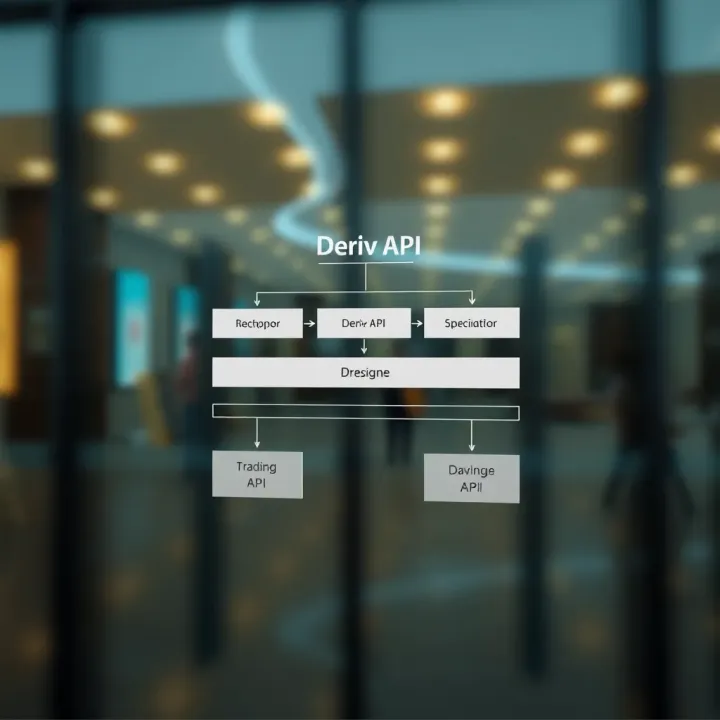
📊 Explore how the Deriv API empowers Kenyan traders to automate trades, ensure data security, and seamlessly manage accounts with easy setup tips.
Based on 14 reviews