
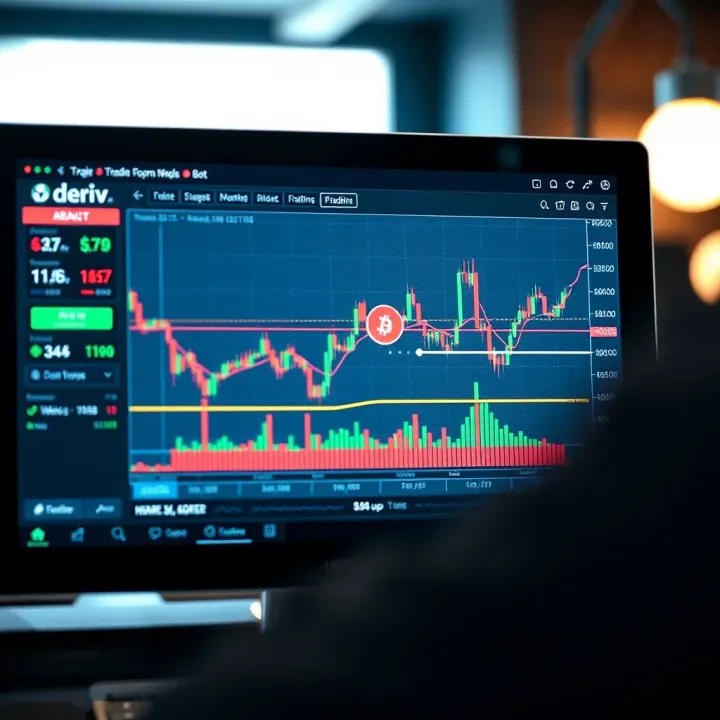
How to Use Trading Bots on Deriv.com
🤖 Explore how trading bots work on Deriv.com, their benefits, risks, setup tips, legal points, and challenges for smarter trading decisions.
Edited By
Thomas Barrett
TradingView has grown popular among traders for its detailed charting tools and analytical features. When combined with Deriv, a leading online trading platform offering CFDs and options, it gives traders a solid edge in the financial markets. This mix provides access to real-time data and rich visual tools, which are crucial for making informed decisions.
Deriv users in Kenya often find native charts limiting in depth, so plugging in TradingView helps fill that gap. TradingView’s customisable indicators, drawing tools, and multiple chart types allow traders to spot trends more clearly. For example, a forex trader can overlay Moving Averages or Relative Strength Index (RSI) indicators on live Deriv price feeds to better time entries and exits.

Setting up TradingView with Deriv isn’t complicated, but it does require some attention. You start by logging into your Deriv account and opening relevant markets. Then you launch TradingView in a separate tab or window to analyse the same asset. Although direct app integration is limited, many traders use TradingView’s charts as a reference alongside placing trades on Deriv.
Using TradingView effectively demands practising chart reading and learning key indicators. It’s not just about having the tools but knowing how to interpret them in a fast-moving market.
Here are some practical tips to enhance your trading experience:
Use TradingView’s alerts to notify you when price reaches certain levels of interest.
Save chart setups tailored to your preferred assets to avoid repetitive work.
Combine Deriv’s risk management settings with signals from TradingView for disciplined trades.
By adopting this approach, traders in Kenya can improve accuracy while staying responsive to market movements. Integration of TradingView charts complements the Deriv platform’s flexibility, opening up opportunities across forex, commodities, and synthetic indices. This guide aims to clear the fog around these tools so you can confidently use them for smarter trading moves.
In the world of trading, having the right tools to analyse market movements and execute trades can make a big difference. This section introduces you to TradingView and Deriv, two platforms that together offer a powerful combination for traders. Understanding how each platform works individually—and why combining them adds value—is the foundation for improving your trading results.
TradingView is a charting platform widely loved for its user-friendly interface and rich suite of tools. It offers live charts covering a vast range of assets, including stocks, forex, commodities, and cryptocurrencies. For a trader, TradingView's strength lies in its visual clarity and the ability to customise charts with numerous indicators and drawing tools.
For example, using TradingView, you can overlay moving averages, plot support and resistance levels, or apply oscillators like the Relative Strength Index (RSI) to better understand market trends and momentum. This flexibility allows traders to fine-tune their strategies to different markets and trading styles.
The platform shines in community engagement as well, with users sharing trading ideas and scripts. This feature can be especially helpful if you’re starting off, giving you access to tested indicators and trading concepts.
Deriv offers a diverse range of trading options, from classic forex and CFDs to innovative synthetic indices that simulate real market volatility 24/7. This variety suits traders who want to explore multiple markets from a single platform.
One major aspect that sets Deriv apart is its intuitive interface and low minimum deposit requirements, making it accessible for Kenyan traders starting small. Deriv also integrates educational resources and demo accounts so you can practise without risking real money.
Unlike some platforms that focus just on forex or stocks, Deriv's synthetic indices offer a unique edge by operating beyond regular market hours. This means you can trade when traditional markets are closed, provided you monitor volatility carefully.
TradingView brings advanced charting and analysis tools that Deriv’s native platform doesn’t fully cover. By linking the two, you gain access to detailed technical insights while placing trades on Deriv. This combination improves your ability to spot entry and exit points based on thorough analysis.
Additionally, TradingView’s wide range of indicators and alert systems helps reduce guesswork. For instance, you can set alerts on TradingView when a currency pair hits a certain moving average or RSI value and then quickly execute your strategy on Deriv.
Using TradingView alongside Deriv equips you with sharper tools for market analysis, ultimately supporting better trading decisions and potentially improved returns.
Leveraging both platforms together creates a workflow that suits both beginners looking for guidance and seasoned traders wanting more depth. It’s a practical way to make the most of the opportunities in Kenyan and global markets alike.
Setting up TradingView correctly for use with Deriv is fundamental for any serious trader. It bridges the gap between powerful charting tools and the trading platform, allowing you to make informed decisions swiftly. This setup not only improves your market analysis but also ensures you execute trades on Deriv with confidence, tracking price movements in real time.
Signing up on TradingView is straightforward. Simply visit the TradingView website or app, provide your email, and create a password. You can also use Google, Facebook, or Apple accounts to simplify this step. Once registered, explore the free tier before considering paid plans, as free access provides enough features for most Deriv traders starting out.
TradingView stores charts, alerts, and settings in your account, letting you access them from any device. This flexibility especially helps Kenyan traders who might switch between mobile and desktop during busy days.
Creating a Deriv account involves registering on their official platform. You'll need to verify your identity, which is required for compliance with Kenyan regulatory standards. Funding your Deriv account is made easier with M-Pesa, which is widely accepted in Kenya. Depositing KSh into your trading wallet ensures you can act quickly on trading signals seen on TradingView.
Be sure to keep track of your deposits and withdrawals through Deriv’s dashboard and use secure payment channels. This avoids delays or issues when shifting funds, especially during volatile market hours.
Direct integration between TradingView and Deriv is somewhat manual, as Deriv does not support one-click linking. However, practical traders use TradingView for analysis and place trades on Deriv simultaneously. To streamline this, keep both platforms open—TradingView for charting and Deriv for trade execution.
For convenience, set alerts on TradingView based on your indicators; these notify you of trade opportunities so you can switch to Deriv and act fast. Some traders also configure browser shortcuts or setup dual monitors to reduce lag.

Deriv supports several asset classes, so you want to pick TradingView chart types that reflect these accurately. Candlestick charts are the most popular for spotting price action and patterns quickly. Heikin Ashi is another useful type for smoothing out volatility.
Choosing timeframes matching Deriv’s trade expiry options—like 1-minute or 5-minute charts—lets you plan entries and exits better. For instance, if you trade short-term CFDs on Deriv, a 1-minute chart on TradingView is ideal.
Indicators such as Moving Averages, Relative Strength Index (RSI), and Bollinger Bands help identify trends and potential reversals. Drawing tools let you mark support and resistance levels directly on charts, which is vital for setting stop-loss and take-profit points.
For example, a trader observing RSI dropping below 30 might prepare to buy on Deriv after confirming oversold conditions. Marking trendlines can help confirm breakout trades. These features on TradingView enhance your decision-making on Deriv.
Once you have custom indicators and drawing tools set up exactly how you like, save the Chart Template on TradingView. This means you won’t need to repeat the setup every trading day, saving you time and reducing errors.
Templates are especially helpful for Kenyan traders who may trade in different markets or during various sessions; loading a saved template allows quick adjustment to conditions without rebuilding charts from scratch.
Efficient setup and customisation streamline your workflow, letting you focus on strategy while TradingView and Deriv work smoothly together to support your trading goals.
Using TradingView charts to analyse markets on Deriv brings a practical edge to trading. The platform provides detailed graphical views alongside tools built for robust technical analysis. This makes spotting trading opportunities easier and plays a key role when making decisions based on price movements. For Kenyan traders, especially, combining TradingView's advanced charting with Deriv’s trading environment helps sharpen strategies and improve timing.
Moving averages (MAs) smooth out price data to show trends over time, making it simpler to see if a market is bullish or bearish. Common types like the simple moving average (SMA) or exponential moving average (EMA) help Kenyan traders identify momentum shifts on Deriv trades. For example, when a short-term EMA crosses above a long-term SMA, it can signal a buying opportunity.
The Relative Strength Index (RSI) measures market momentum on a scale from 0 to 100, indicating overbought or oversold conditions. On TradingView, using RSI can alert you to potential reversals, such as when the RSI falls below 30 (oversold) suggesting a possible upward bounce. These tools combined provide a clearer picture before entering or exiting trades on Deriv.
Support and resistance mark price points where buying or selling pressure has previously stopped or reversed price moves. Marking these levels on TradingView helps Deriv traders anticipate where prices might stall or reverse next. For instance, a strong support level at KSh 150 might prevent further price drops, prompting a trader to open a buy position.
These levels are visual anchors to plan trades and set stop-loss or take-profit orders. In volatile Kenyan market sessions, recognising accurate support and resistance guides disciplined trading and avoids hasty decisions.
Volume confirms the strength behind price moves. TradingView charts show volume bars that reveal if a trend is backed by enough participation. For Deriv traders, low volume during a price move might warn against confidence in that trend, while high volume supports sustained momentum.
Trend indicators such as the Moving Average Convergence Divergence (MACD) help assess whether a trend is gaining or losing steam. Using these indicators together lets Kenyan traders align their strategies with prevailing market flows rather than guessing.
TradingView’s blend of indicators helps pinpoint where to enter or exit trades on Deriv. For instance, an entry might occur when price breaks above a resistance level confirmed by rising volume and bullish RSI signals. Similarly, exit points could be chosen when momentum fades or price hits a predicted support or resistance target.
Such signals reduce guesswork and help Kenyan traders act decisively in fast-moving markets.
Relying on just one indicator can be risky. Combining signals—for example, a moving average crossover, RSI trend, and volume spike—gives a stronger, confirmed trading signal. This multi-signal approach can boost confidence when trading on Deriv and help filter out false alarms.
This method also supports better timing and risk control, which are essential for consistent results.
Technical analysis is not complete without managing risk. Using TradingView, traders can set stop-loss and take-profit levels based on chart signals like support, resistance, and volatility ranges. This ensures losses stay limited, while profits are preserved.
Kenyan traders should always allocate only a small portion of capital per trade and avoid chasing losses during volatile sessions. Combining precise entry/exit points with disciplined risk management protects your Deriv account and builds long-term trading success.
Successful trading on Deriv depends heavily on accurate market analysis and disciplined execution. Using TradingView charts to their full potential can provide this edge.
By focusing on these practical indicators and strategies, Deriv traders in Kenya can navigate markets more confidently and improve their chances of profitability.
Handling funds efficiently is a top priority for Kenyan traders using Deriv with TradingView. M-Pesa, Safaricom's mobile money service, is widely trusted and accepted for deposits and withdrawals on Deriv. This integration allows traders to fund their accounts instantly and securely without needing a bank account. For instance, depositing KSh 10,000 via M-Pesa can clear within minutes, enabling traders to seize market opportunities right away.
Withdrawals also benefit from M-Pesa's speed. Unlike traditional banking, which may take several days for funds to reflect, M-Pesa transfers usually happen within hours, helping traders manage their capital better. Nevertheless, traders should confirm the transaction limits set by Deriv and Safaricom to avoid transaction failures or delays.
Trading successfully requires understanding the timings when markets are most active. Kenyan traders need to factor in East Africa Time (EAT) and how it aligns with global market hours. For example, forex markets open at 10 am EAT when London trading starts, and the New York session begins at 3 pm EAT.
Spotting volatility during these peak hours helps traders make informed decisions on Deriv using TradingView charts. Trading outside these active windows often leads to low market movement, affecting the profitability of trades like binary options or CFDs. Therefore, scheduling trades around these times supports better entries and exits.
Kenyan traders should be aware of the regulatory framework governing online trading platforms like Deriv. The Capital Markets Authority (CMA) oversees securities and derivatives trading, but not all platforms operating in Kenya are licensed locally. While Deriv operates internationally, Kenyan users must recognise the risks of trading on non-regulated platforms and seek to comply with anti-money laundering laws.
Taxes on profits from trading may also apply under Kenyan law. Traders should keep detailed records of their trades and seek advice from tax professionals or the Kenya Revenue Authority (KRA) to ensure compliance. This awareness protects traders from future disputes and helps maintain a sustainable trading activity.
Technical indicators on TradingView offer valuable market insights but relying solely on them can mislead. For example, a trader might see a strong moving average crossover signal but ignore market news or fundamental changes in an asset’s outlook. This tunnel vision increases risks during unpredictable events like political shifts or economic shocks.
Kenyan traders should blend technical analysis with market news and their own experience to avoid false signals. Using TradingView's alert system alongside real-time news helps maintain a balanced approach.
Volatility attracts traders aiming for quick profits, yet it can also lead to emotional decision-making and excessive trades. Markets like forex can swing wildly during London and New York sessions, tempting traders to take high-risk positions repeatedly.
Overtrading often depletes capital through transaction costs and poor timing. Kenyan traders are advised to define clear trade limits and stick to a disciplined plan, avoiding the trap of chasing losses during fast market moves. Utilising TradingView’s risk management tools, such as stop-loss lines, can help keep trading within safe boundaries.
Smart Kenyan traders combine local payment options, market awareness, and disciplined strategies to make the most of TradingView and Deriv. Keeping practical tips in mind reduces risks and improves chances for steady profits.
Bringing together TradingView and Deriv can significantly boost your trading precision and efficiency. This final section focuses on how to get the most from combining these platforms, highlighting practical benefits and key takeaways Kenyan traders should keep in mind. Wrapping up your understanding with actionable insights will help you make smarter decisions and avoid common setbacks.
Using TradingView alongside Deriv offers several clear advantages. First, TradingView’s advanced charting tools allow you to spot price patterns and trends that Deriv’s native charts might miss. For example, applying moving averages or RSI (Relative Strength Index) on TradingView charts can show momentum shifts before they appear on Deriv. Second, the ability to customise indicators and save chart templates speeds up your analysis process, especially during busy market hours. Third, syncing signals from TradingView with Deriv’s trade execution system helps you time entry and exit points better. This reduces guesswork, which is vital when trading volatile assets or binary options.
Moreover, integrating these platforms means you stay updated with real-time market news and community insights shared on TradingView forums. This adds an extra layer of information, especially relevant for Kenyan traders monitoring global events that affect currency prices like KSh/USD. The improved decision-making tools also support effective risk management by clearly marking support and resistance zones, helping you set stop-loss or take-profit levels more systematically.
Learning never stops, even after setting up your TradingView and Deriv accounts. Both platforms offer extensive resources online. You can find video tutorials, step-by-step guides, and blog posts that address various skill levels—from beginners to professionals. For instance, TradingView’s community forums are a goldmine where traders discuss chart setups, share trading strategies, and give feedback on technical indicators. Engaging with these communities offers fresh perspectives and troubleshooting tips tailored to real trading scenarios.
Kenyan traders can also benefit from local trading groups on social media platforms like Facebook or Telegram, where members exchange ideas and discuss adjustments needed for the Nairobi or East African market hours. Participating in such groups adds context-specific insights that generic tutorials might miss.
Both Deriv and TradingView provide customer support channels that address technical and account-related issues. Deriv offers 24/7 live chat, email support, and a comprehensive FAQ section, which is especially handy when managing deposits or withdrawals via platforms like M-Pesa. If you face any glitches during trading or need help with account verification, their support team usually responds promptly.
TradingView’s customer service includes email support and a detailed help centre covering charting features and account management. While they do not have round-the-clock chat, their extensive knowledge base often resolves most user queries. Ensuring you know where to seek support can save considerable time and prevent trading disruptions.
Taking time to explore available resources and knowing your support options makes your trading journey smoother and less stressful. It’s not just about tools but also about the community and help available when you need it.
By combining the strengths of TradingView’s charting capabilities with Deriv’s flexible trading options—and complementing this with community and support structures—you set yourself up for a more successful and rewarding trading experience.
🤖 Explore how trading bots work on Deriv.com, their benefits, risks, setup tips, legal points, and challenges for smarter trading decisions.

Explore how Deriv and TradingView charts work together 📈 for smarter trading. Learn tips and tricks to improve your market analysis for effective decisions.

📱 Explore the Deriv trading app in Kenya—features, trading options, security, fees, and tips to confidently start your online trading journey today!
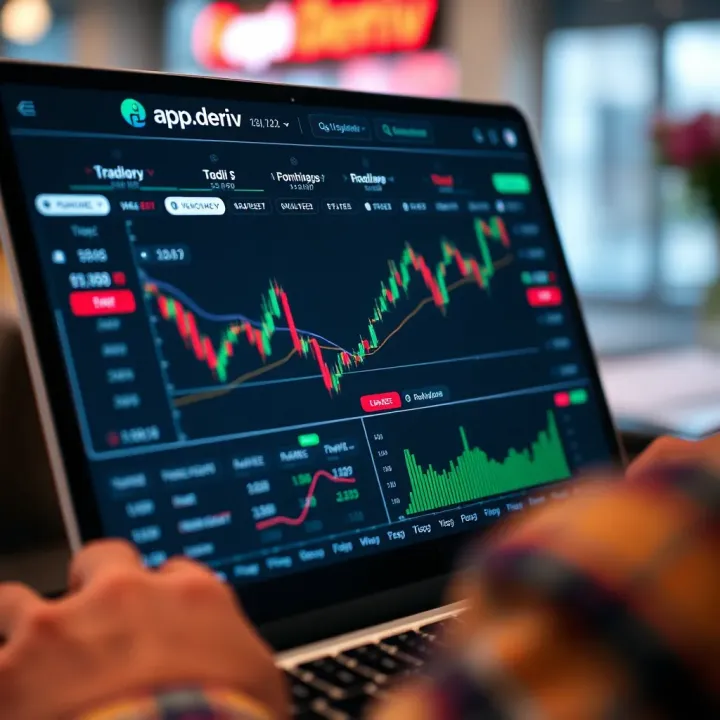
Explore app.deriv for trading in Kenya 🇰🇪. Learn features, trading options, security tips, and how to trade confidently on this reliable platform 📈
Based on 15 reviews