

Best Time to Trade Forex for Kenyan Traders
📊 Discover the best time to trade forex for Kenyan traders, focusing on sessions, volatility, and strategies to boost your success in currency markets.
Edited By
George Collins
Trading online in Kenya is no longer just a niche activity for a few. More Kenyans are using digital platforms to grow wealth and participate in both local and global markets. Whether you are interested in stocks, currencies, commodities, or cryptocurrencies, understanding the fundamentals of online trading can help you make smarter decisions.
The surge in internet coverage and mobile money services like M-Pesa has made online trading accessible for many. Yet, successful trading requires more than just signing up on a platform and placing orders. It involves knowing how to pick reliable platforms, manage risks, comply with government regulations, and use payment systems efficiently.
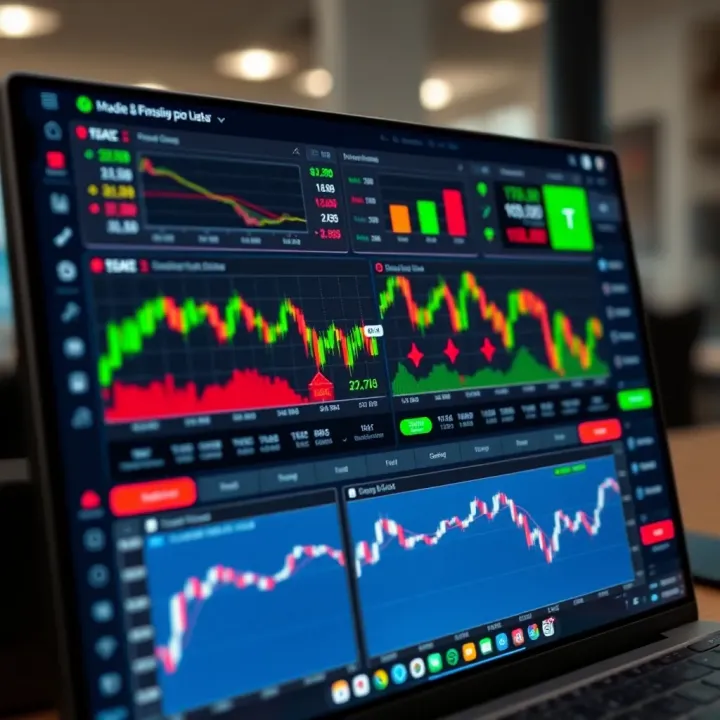
You should start by identifying your preferred market and trading style. For instance, active traders might prefer platforms with real-time market data and fast execution, while long-term investors could focus on platforms offering lower fees and diverse investment options.
Choosing the right platform is critical. Look for brokers regulated by local authorities such as the Capital Markets Authority (CMA) to avoid scams and protect your investment.
Kenyan traders often use Paybill and Till numbers linked to trading accounts for straightforward deposits via M-Pesa. Some platforms also accept direct bank transfers or card payments, but M-Pesa remains the most popular due to its convenience.
Risk management is another key area. Many new traders overlook stop-loss orders or diversification, leading to heavy losses. Be sure to set clear limits for each trade and avoid risking more than you can afford to lose.
Lastly, always stay informed about both Kenyan and international market trends. Regularly check updates from trusted financial news sources and understand how global events can impact your positions.
Trading online is a promising way for many Kenyans to increase their income but doing it wisely requires preparation and ongoing learning. This article will guide you through the essential steps to trade online successfully within the Kenyan context.
Starting your online trading journey in Kenya can be a practical way to grow your income and engage with financial markets beyond the traditional savings methods. The key is understanding how online trading works and picking the right steps to join the market safely and confidently.
Online trading means buying and selling financial assets through internet-based platforms. You don’t need to visit a broker’s office or the stock exchange floor. Instead, you can use your laptop or mobile phone to place trades in real-time. This convenience has brought trading closer to everyday Kenyans, allowing them to take part in markets like the Nairobi Securities Exchange (NSE), forex, and even international commodities.
The practical side of this is you can respond quickly to market changes, seize opportunities anytime, and tailor your trading activity according to your own schedule. For example, if the NSE is open from 9 am to 3 pm, you can monitor stock prices during this window directly from your phone while commuting in a matatu.
In Kenya, you can trade a mix of assets online. The most popular include:
Stocks: Shares of Kenyan companies listed on the NSE, such as Safaricom, KCB Bank, or Equity Bank.
Forex: Trading currency pairs like USD/KES or EUR/USD, often done on international platforms.
Commodities: Gold, oil, and agricultural products traded via global markets.
Indices: Bundles of stocks, like the NSE 20 Share Index, giving exposure to overall market performance.
Knowing the assets you can trade helps you decide what fits your risk profile and investment goals. Some might prefer stable NSE shares, while others venture into forex for higher volatility and potential quick gains.
Your first practical step is selecting a trusted platform. In Kenya, brokers regulated by the Capital Markets Authority (CMA) provide platforms that connect you to the NSE. Examples include Kenya Commercial Bank Securities and ICEA Lion Securities. These platforms often offer mobile apps and web interfaces with local support.
For forex and commodities, platforms like MetaTrader or international brokers that accept Kenyan traders can work, but ensure they comply with local rules and have a solid reputation. A reliable platform should be easy to use, offer real-time data, and protect your personal and financial information.
Opening a trading account is straightforward but requires proper verification. Typically, you’ll provide personal identification like a Kenyan national ID or passport, proof of residence such as a utility bill, and your KRA PIN (Kenya Revenue Authority Personal Identification Number). These documents help the broker comply with anti-money laundering laws.
The verification process may take a few days, after which you’ll fund your account via M-Pesa, bank transfer, or other accepted methods. It’s important to follow these steps carefully to start trading legally and securely. Once your account is active, you can begin exploring market opportunities at your own pace.
Starting with the right knowledge and setup is crucial in online trading to avoid pitfalls and make the most of the opportunities the Kenyan and global markets offer.
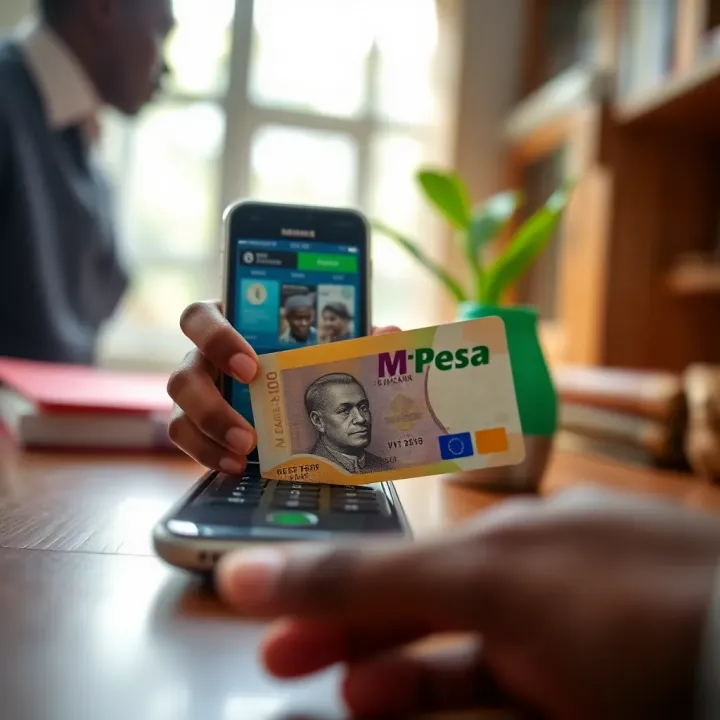
Choosing the right trading platform is crucial for anyone serious about online trading in Kenya. The platforms you pick affect how easily you access markets, the costs you incur, and even the safety of your funds. There are both local and international options, each with its own advantages and regulatory requirements. Understanding these options helps you decide based on your trading goals and the markets you want to explore.
Only brokers licensed by the Capital Markets Authority (CMA) can legally offer access to the Nairobi Securities Exchange (NSE). This registration means the broker meets certain standards of professionalism, transparency, and financial security. Trading through these brokers protects you against fraud and ensures your trades comply with Kenyan law. For example, firms like Faida Investment Bank and Sterling Capital are CMA-registered and provide reliable trading services for stocks and bonds on NSE.
When you trade through a registered broker, you can be confident that your investments are safeguarded and that your transactions are processed through official channels. This connection also means you get access to local market insights and support services tailored for Kenyan customers.
Mobile trading apps have gained massive popularity because they make market access convenient for Kenyan traders on the go. Safaricom’s partnership with several brokers has led to apps that integrate M-Pesa for seamless deposits and withdrawals. Apps like EGM Securities Mobile Trader and Sterling Trader Pro offer real-time trading updates and user-friendly interfaces that suit both beginners and experienced traders.
These apps often provide features like charting tools, news alerts, and direct customer support, all accessible from a smartphone. This ease of use encourages more Kenyans to join the markets without needing to visit physical brokerage offices.
Many Kenyans interested in forex, commodities, and global equities turn to international platforms like MetaTrader 4/5, IQ Option, or Interactive Brokers. Such platforms allow you to trade beyond local stocks, tapping into currency pairs, gold, oil, and even tech giants listed on the New York Stock Exchange or Nasdaq.
These international platforms often come with advanced trading tools, lower spreads for some instruments, and access to a wide variety of asset classes. However, users should be aware of differences in trading hours and the potential for currency exchange costs when moving funds between Kenyan Shillings and foreign currencies.
While international platforms offer attractive opportunities, Kenyan traders must be aware of regulatory compliance. The CMA discourages the use of unlicensed brokers to protect investors from scams and financial losses. Before choosing an international platform, check if it is authorised to accept Kenyan clients or is recognised by local regulators.
Failing to comply with local rules can lead to difficulties in withdrawing funds or getting support when problems arise. That said, platforms like IG Group and Plus500 have clear policies to serve Kenyan clients lawfully. Using these compliant platforms reduces risks and helps you trade with greater confidence.
Always verify a trading platform's licensing status with the Capital Markets Authority before depositing money.
To sum up, balancing your choices between trusted local brokers and carefully vetted international platforms ensures that you can trade efficiently while protecting your investments under Kenyan regulatory frameworks.
Managing risks is a major part of successful online trading, especially in dynamic markets like those Kenyans engage with. Without a clear focus on risk, a trader might quickly lose their capital due to sudden market swings or falling prey to fraudulent schemes. Understanding these threats and planning for them helps protect your investments and improves your chances of steady gains.
Market volatility and price fluctuations bring both opportunities and challenges. Prices of stocks, forex, or commodities can jump or drop sharply within minutes due to breaking news, economic reports, or political events. For instance, a sudden announcement from the Central Bank of Kenya about interest rates can cause Nairobi Securities Exchange (NSE) shares to swing wildly. Traders must be ready for such shifts to avoid unexpected losses.
Fraud and scams in online trading remain a real threat, especially with fast-growing interest in trading from Kenyan youths. Unlicensed brokers or fake platforms might promise huge returns but disappear with your deposit. Some scams mimic legitimate trading apps but lack proper security or regulatory approval from the Capital Markets Authority (CMA). Always verify a broker’s licence and reputation before trusting them with your money.
Setting stop-loss orders is a practical tool for limiting losses. This order automatically sells a security once its price falls to a certain level you set. Suppose you buy shares at KSh 100 but want to limit your possible loss to KSh 10 per share; you set a stop-loss at KSh 90. This way, if prices fall quickly, your position closes before the losses get out of hand. It’s especially useful during volatile times when markets can move unpredictably.
Diversifying your trading portfolio helps spread risks. Instead of investing all KSh 100,000 in one stock, you might put KSh 50,000 in NSE shares, KSh 30,000 in forex, and KSh 20,000 in commodities like gold. This approach ensures that a dip in one market won't wipe out your whole investment. In Kenya, you could diversify further by including government bonds or unit trusts which tend to be less volatile.
Effective risk management isn’t about avoiding risks completely — that's impossible — but about controlling and reducing them so you can trade confidently and sustainably.
By recognising the risks involved and using smart tactics like stop-loss orders and diversification, you put yourself in a better position to handle the ups and downs of online trading. This careful approach suits the unique Kenyan trading environment and helps guard your hard-earned money.
Handling payments and withdrawals efficiently is a key part of successful online trading in Kenya. Whether you are funding your trading account or cashing out profits, using trusted and convenient payment methods impacts your overall experience and speed. This section covers how mobile money services like M-Pesa and traditional bank channels play their roles in Kenyan trading.
M-Pesa remains the most popular choice for Kenyan traders to move money in and out of their trading platforms. The widespread availability and ease of use make it practical for quick deposits, often processed within minutes. Many online brokers integrated Safaricom’s Lipa Na M-Pesa system, allowing you to fund your account without a bank visit. The same applies to withdrawals, where funds can be transferred back to your M-Pesa wallet safely, reducing exposure to fraud or delays.
Besides M-Pesa, services like Airtel Money also support deposits and withdrawals on fewer platforms but remain reliable where accepted. Using these mobile wallets means you do not need to share sensitive bank details with brokers, which strengthens your transaction security.
Timeframes for mobile money transactions usually range from instant to a few hours, depending on the broker and network conditions. However, certain brokers impose minimum and maximum transaction limits for M-Pesa deposits and withdrawals, commonly between KSh 500 and KSh 250,000 per transaction. Understanding these limits helps avoid failed payments or partial withdrawals. For example, if you aim to withdraw a larger sum of KSh 1 million, you must check whether the broker allows such amounts in single transactions or requires multiple withdrawals.
Some delays may occur during weekends or public holidays when banking systems underlie withdrawals, but deposits via mobile money are generally faster even on non-banking days.
Bank transfers are preferred for high-value deposits or when you want a direct trail between your bank account and trading account. Kenyan banks like Equity, KCB, Cooperative, and NCBA often support these transactions, but processing times may vary between 1 to 3 business days. If you regularly trade large volumes or require compliance documentation for audit purposes, bank transfers offer a reliable, traceable method.
Keep in mind some brokers ask for proof of payment or a bank slip to confirm the deposit, especially where M-Pesa is unavailable or restricted.
Apart from M-Pesa and bank transfers, other methods like debit/credit cards (Visa, Mastercard) and international electronic wallets (PayPal, Skrill) might be accepted by global brokers. Card payments provide instant deposits but may come with foreign transaction fees and currency conversion charges, which you should consider.
E-wallets offer convenience but are less accessible for ordinary Kenyans due to limited verification options and linkage to local currency sources. Crypto payments are emerging but remain niche and less regulated, so only experienced traders should experiment with them.
Choose a payment method that balances convenience, security, and cost in line with your trading volume and frequency. It's always advisable to start with small deposits to test how smoothly transactions clear before committing bigger amounts.
In practice, many Kenyans prefer starting with M-Pesa for its speed and accessibility, moving to bank transfers for larger dealings. Knowing your broker’s accepted payment options upfront saves time and minimises hassles during trading.
When trading online in Kenya, understanding the legal and regulatory framework is vital for safeguarding your investments and ensuring you operate within the law. The Capital Markets Authority (CMA) regulates trading activities to protect investors and maintain fair practices. Familiarising yourself with these regulations helps you avoid scams and trading with unlicensed brokers.
The CMA licenses brokers who operate on the Nairobi Securities Exchange (NSE) and other authorised platforms. If a broker is not CMA-licensed, they should be treated with caution because they may not meet the regulatory standards set for transparency and client protection. For example, licensed brokers must maintain certain capital requirements and adhere to strict reporting standards. This licensing helps create trust for traders who want to avoid risks associated with fraudulent schemes.
Beyond licensing, the CMA also enforces investor protection laws. This means investors have recourse if they suspect malpractice such as misleading advice or misappropriation of funds. For instance, under Kenyan law, brokers must segregate client funds from their own to prevent misuse. The CMA can step in to investigate complaints and impose sanctions or fines. This protection encourages a more secure trading environment, giving traders confidence to engage with the market.
When you make profits from online trading, you're expected to declare these earnings to the Kenya Revenue Authority (KRA). Trading gains count as taxable income, and failure to report may lead to penalties. For instance, if you earn KSh 150,000 in profits within a year, that amount should be included in your annual tax return.
Complying with KRA guidelines involves proper record-keeping of all trades, deposits, and withdrawals. KRA may require you to provide proof of your trading activities and how you calculated your taxable profits. This transparency ensures you pay the right amount of tax and avoid issues during audits. Using the eTax portal, you can declare income and manage your tax affairs without visiting an office, which is practical for traders busy with daily market movements.
Remember, understanding legal and tax rules is not just about compliance but also about building a sustainable trading practice that protects your capital and reputation.
By following CMA licensing requirements and meeting KRA obligations, you reduce risks and build credibility, making your online trading experience in Kenya smoother and more profitable.
📊 Discover the best time to trade forex for Kenyan traders, focusing on sessions, volatility, and strategies to boost your success in currency markets.

Explore the Deriv app for online trading 🔍 Learn how to set up accounts, trade smartly, and stay secure on this popular platform, tailored for Kenyan traders 🇰🇪📈

📈 Learn how to sign in to Deriv easily, fix login issues, secure your account, and explore key platform features tailored for Kenyan traders.

Looking for the best trading platform in Kenya? Discover tips on security, fees, and features to find a reliable, user-friendly platform that fits your needs 📈💼
Based on 11 reviews