

Understanding Peer-to-Peer Systems in Kenya
Explore how peer-to-peer (P2P) systems like M-Pesa and lending platforms reshape Kenya’s economy 🇰🇪. Learn key benefits, risks, regulations, and safe use tips.
Edited By
Sophie Bennett
Traders play a key role in Kenya’s economy, bridging the gap between producers and consumers across various sectors. From bustling street markets in Nairobi's Gikomba to formal enterprises in the Central Business District (CBD), traders spur economic activity and connect supply chains.
Understanding the different types of traders is essential. You'll find wholesale traders who handle goods in bulk, supplying stock to retailers and jua kali artisans. On the other hand, retail traders sell directly to consumers, often operating from kiosks, duka shops, or open-air market stalls.
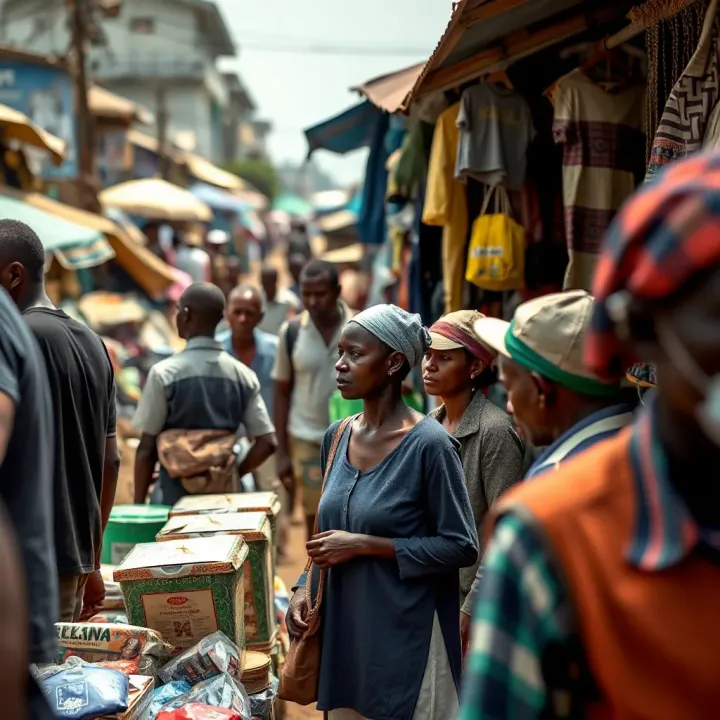
These traders cater to diverse demand, ranging from agricultural products like maize and sukuma wiki to manufactured goods such as mobile phones and fabrics. Their flexibility allows them to serve both urban and rural customers efficiently.
In Kenya, traders contribute significantly to both the informal and formal sectors, making their activities vital to economic growth and employment.
However, traders face several challenges. Many grapple with inconsistent supply, fluctuating prices, and limited access to affordable credit. Regulatory compliance can also be a hurdle, with some traders operating without proper licences or facing burdensome fees. These issues often hinder their expansion and affect profitability.
Technology is changing the game for many traders. Mobile money platforms like M-Pesa enable quick payments and transfer of funds, while social media channels offer new ways to market products beyond physical markets. Traders utilising digital tools report improved customer reach and better cash flow management.
For investors and analysts, recognising the diverse roles traders play helps identify market trends and investment opportunities. Brokers and finance professionals also benefit by understanding traders’ cash cycles, credit needs, and risk exposures.
In sum, traders are more than just middlemen — they are pivotal economic agents adapting to Kenya’s evolving market landscape. Appreciating their operations and challenges provides insight critical for policy design and business strategies.
Trade plays a significant part in Kenya's economic framework, acting as the glue between production and consumption. Traders facilitate the flow of goods and services, from fresh produce in rural markets to manufactured products in urban centres. Their role ensures markets are stocked, consumers can access varied products, and excess produce finds buyers rather than going to waste.
Traders are individuals or entities engaged in buying and selling goods or services with the aim of making a profit. In Kenya, traders range from small-scale kiosk owners selling daily essentials to large wholesale businesspeople supplying supermarkets and export firms. Their presence is critical in stimulating economic activity and generating employment, especially in informal sectors dominated by jua kali artisans and matatu operators who often double as traders of auto parts or airtime.
Local traders keep neighbourhood markets alive by providing goods that meet specific community needs. For example, women traders in Eldoret town run fresh vegetable stalls that supply both households and small eateries. On a national level, wholesalers and exporters link Kenyan products, such as tea and horticultural produce, to broader markets including other East African Community (EAC) countries and international buyers. This dual role supports food security and boosts foreign exchange earnings.
Traders act as the critical link bridging farmers, manufacturers, and end consumers. A maize farmer in Kisumu, for instance, may not have the means or market access to sell directly to consumers in Nairobi. Traders purchase the maize in bulk and distribute it to urban centres where demand is high. This supply chain enables producers to focus on output, while consumers benefit from steady access to necessary goods. Without traders, producers might be stuck with unsold stock, and consumers would face limited product availability.
An efficient trading system reduces wastage, encourages competitive pricing, and adapts to changing consumer preferences swiftly. Traders in Kenya’s economy are not just middlemen; they are enablers of economic mobility and livelihood.
In short, understanding the role traders play reveals the intricate networks sustaining Kenya's markets at both grassroots and national levels. This sets the foundation for appreciating the diverse types of traders and the challenges they face, topics covered in the next sections.
Understanding the various types of traders operating in Kenya is key to grasping how goods and services flow through the economy. Traders vary in scale, structure, and methods, each serving distinct roles that maintain the marketplace's vibrancy and meet diverse consumer demands.
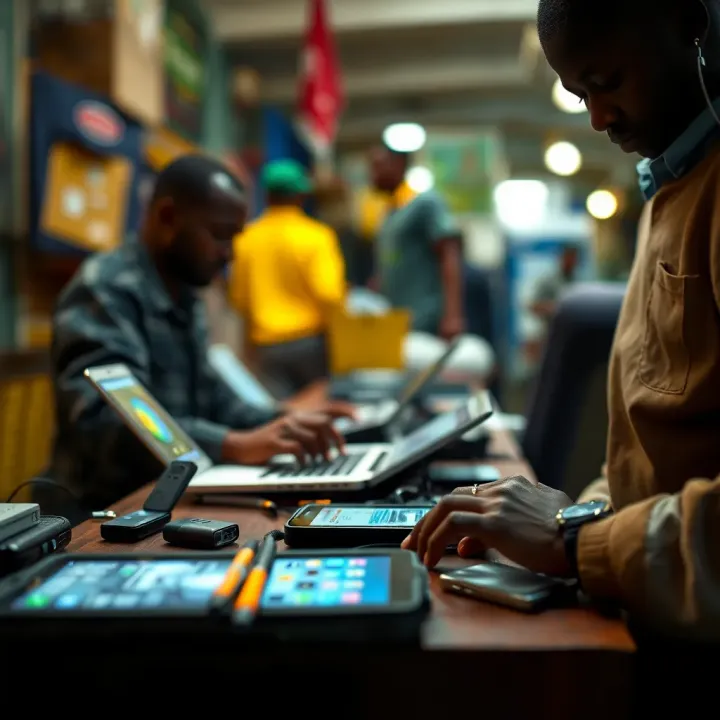
Wholesale traders purchase goods in large quantities directly from producers or manufacturers and sell them to smaller retailers. These traders play a crucial role in supplying stock to local shops across the country. For instance, a wholesale maize trader in Eldoret may source tons of grain from shambas in the Rift Valley and distribute to retailers in Nairobi or Kisumu. Retail traders, on the other hand, sell smaller quantities directly to consumers, often operating duka or kiosk businesses in urban and rural areas. Their closer interaction with customers allows them to adjust stock according to local preferences — think small traders selling seasonal fruits on Kariobangi road or mobile phone accessories in Machakos town. Both wholesale and retail categories form the backbone of Kenya's formal and informal trading economy.
Informal traders are a significant presence in Kenyan markets, especially in densely populated urban centres like Nairobi's Gikomba or Kongowea Market in Mombasa. These traders typically operate without formal registration or fixed shops, trading from matatu stops, street corners, or temporary stalls. While they might lack official paperwork, informal traders provide vital access to affordable goods for lower-income earners. For example, a hawker selling secondhand clothes or vegetables in Kariobangi helps many households stretch their budgets. Despite their importance, they face challenges such as limited access to credit and regulatory risks from county authorities, which impact their operations and growth prospects.
Specialised traders focus on niche markets or specific commodities requiring in-depth knowledge or connections. This group includes commodity brokers who mediate deals between producers and buyers, such as coffee or tea brokers who handle transactions on behalf of farmers and international exporters. For instance, a coffee broker in Nyeri liaises with smallholder farmers, auction houses, and exporters to ensure quality and timely sales. Additionally, specialised traders may include dealers in electronics, pharmaceuticals, or automotive parts who import and distribute goods requiring technical know-how and compliance with regulations. These traders often operate within networks linked to larger supply chains, adding professionalism and stability to Kenya's trade ecosystem.
Different types of traders reflect Kenya's economic diversity, from large-scale wholesalers to street vendors, each fulfilling essential roles that keep the market moving.
Identifying these trader categories highlights the practical challenges and opportunities in Kenya's trading landscape. Whether you are an investor, policy-maker, or analyst, appreciating these distinctions helps in crafting targeted support and understanding market dynamics better.
Traders in Kenya encounter several obstacles that affect their operations and growth potential. Understanding these challenges helps actors in the market, including investors and policymakers, to create effective support mechanisms. From financial struggles to regulatory complexities, these issues directly influence how traders perform and sustain their businesses.
Accessing credit remains a major hurdle for many traders, especially those in the informal sector. Banks often demand collateral that small-scale traders don’t possess, leaving them reliant on costly loans from informal lenders. For instance, a hawker in Kayole might struggle to expand stock because they can’t secure a KSh 50,000 loan from formal institutions. Even government-backed schemes like Youth Enterprises Development Fund sometimes fail to reach traders on the ground due to bureaucratic delays or lack of awareness.
Kenya’s trading environment is marked by varying county regulations and complex licensing requirements. Traders often face multiple visits from county officials seeking licences or permits, which can be confusing and expensive. This patchwork approach discourages especially emerging traders from formalising their businesses. In towns like Mombasa or Kisumu, different markets may enforce unique rules that raise the cost and time needed to comply, reducing profitability.
Crowded markets, both physical and digital, increase competition among traders. While Nairobi’s bustling city centre offers ample customers, saturation limits margins, especially for retail traders. Additionally, new entrants face challenges penetrating online platforms like Jumia Kenya due to platform fees and logistics costs. Traders outside major towns often struggle with access to larger markets, missing out on bigger sales opportunities.
Security concerns, including theft and harassment by local authorities, disrupt trade, particularly in informal settlements and roadside spots. Traders frequently lose stock or cash to petty thieves, which reduces their capital reserve. Infrastructure problems such as unreliable electricity, poor roads, and inadequate market facilities also make transporting and storing goods difficult. For example, traders transporting perishables from Eldoret to Nairobi face high losses due to bad road conditions and lack of cold storage.
Effective solutions need to focus on easing capital access, simplifying regulatory processes, improving market infrastructure, and enhancing security to support sustainable growth for Kenyan traders.
Regulation and support systems shape how traders operate in Kenya, impacting their growth and contribution to the economy. Well-structured policies protect both traders and consumers, ensuring fair practices while simplifying business operations. Without clear regulation, traders often face uncertainties that can hinder investment and expansion. At the same time, support mechanisms can open pathways to resources that many traders, especially those in the informal sector, find hard to access.
Government regulations set the legal framework within which traders must operate. In Kenya, many businesses require specific licences issued by county governments or national agencies, depending on the trade size and sector. For example, a retail trader in Nairobi must secure a single business permit from the county, while wholesale traders might need additional approvals linked to the Ministry of Trade. These licences ensure compliance with health, safety, and taxation rules, discouraging unfair competition and counterfeit goods.
Still, some traders struggle with the licensing process due to cost or bureaucratic delays. Efforts to digitise permit applications via platforms like eCitizen have eased these challenges but uneven access remains a barrier in rural areas. Simplified licensing and regular training on regulatory updates help traders maintain lawful operations and avoid penalties.
Trade associations and chambers of commerce act as collective voices for traders, offering advocacy, information, and networking opportunities. Organisations such as the Kenya National Chamber of Commerce and Industry (KNCCI) provide a platform where traders can lobby for better policies or fair treatment in the market. They also run training workshops covering financial literacy, market trends, and compliance requirements.
These bodies help members navigate challenges like market competition or regulatory changes. For instance, during the COVID-19 pandemic, several associations liaised with government bodies to ensure support for affected traders, pushing for tax reliefs and financial aid. Membership also provides a chance to connect with suppliers and buyers, increasing market access.
Access to finance remains a major hurdle for many traders in Kenya. Various government-backed and private programmes target this gap by offering loans, grants, or financial literacy training tailored to traders’ needs. Initiatives like the Women Enterprise Fund and Youth Enterprise Development Fund provide affordable credit to boost SMEs’ working capital.
Beyond credit, mobile money platforms such as M-Pesa have revolutionised financial inclusion by allowing traders to make and receive payments quickly and securely. Some traders also benefit from support programmes focused on record-keeping and business planning, which are crucial for loan eligibility.
Traders who leverage available financial services and support programmes can stabilize their businesses and plan for growth, contributing more significantly to Kenya’s economy.
Combining clear regulation with strong support structures enables a healthier trading environment. When traders understand the rules and have access to financial and advisory resources, they are better placed to succeed in Kenya’s competitive markets.
Technology has reshaped trading in Kenya by making transactions faster, safer, and more accessible. With traders ranging from urban shops to rural kiosks, digital tools have become a lifeline for expanding business reach and efficiency. It's no longer just about buying and selling face-to-face; electronic platforms and applications are taking a central role in how business gets done.
Mobile money platforms like Safaricom's M-Pesa have revolutionised payment methods for traders. Instead of handling bulky cash or needing bank visits, traders can receive payments instantly on their phones. This convenience reduces risks of theft and lowers transaction costs. For example, a vegetable seller in Nakuru can accept payments from customers spread across town without the hassle of handling change or bank queues. Besides M-Pesa, other providers like Airtel Money and Equitel offer similar digital payment services, increasing options for traders.
Besides just accepting payments, digital wallets allow traders to access loans and savings products based on their transaction history, which is crucial for small-scale operators lacking formal credit history. The availability of mobile money overdraft services like Fuliza means traders can maintain liquidity during low sales days, helping them avoid business interruptions.
Online marketplaces such as Jumia Kenya, Kilimall, and Glovo have opened new sales channels for Kenyan traders. These platforms connect sellers to customers beyond their immediate locality, expanding market size without extra physical stores. A local fashion designer in Kisumu, for instance, can sell garments nationwide, handling orders and payments through these portals.
E-commerce also introduces challenges like ensuring timely delivery and managing customer expectations. Traders who adapt by integrating reliable courier services and using digital marketing tools enjoy better visibility and customer trust. On top of that, social media platforms like Instagram and Facebook act as informal trading hubs where sellers showcase products directly to buyers.
Supply chain management (SCM) tools help traders organise inventory, supplier relationships, and order fulfilment. Digital solutions tailored to Kenyan markets, such as Kobo360 for logistics, assist traders in tracking goods from suppliers to the point of sale. This transparency reduces delays and spoilage, especially for perishable products like fruits or dairy.
Effective SCM systems also help bigger traders coordinate with numerous suppliers, ensuring stock levels match demand without overstocking. This balance reduces unnecessary cost and improves cash flow management. While some small traders use simple record-keeping apps, expanding operations often require investment in SCM software.
In summary, technology has levelled the playing field for many traders in Kenya, offering tools that enhance payment processing, market reach, and operational efficiency. Embracing these technologies helps traders stay competitive and adapt to rapidly changing market conditions.
Explore how peer-to-peer (P2P) systems like M-Pesa and lending platforms reshape Kenya’s economy 🇰🇪. Learn key benefits, risks, regulations, and safe use tips.

Explore delivery systems in Kenya 🚚, their efficiency, challenges faced, and how tech improvements help businesses and consumers streamline delivery services.

👥 Explore who DB traders are, their market role, key strategies, tools, risks, and tips designed for Kenyan investors aiming to trade smarter and safer.
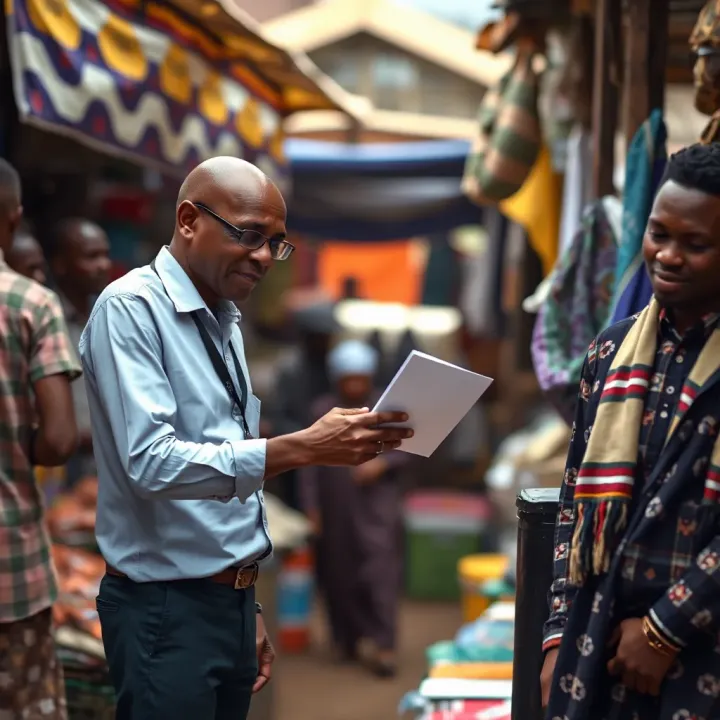
🔍 Explore how Kenyan traders build trust through clear communication, transparency & reliability, ensuring successful and lasting business partnerships in the local market.
Based on 15 reviews