

Understanding Derivbot: Features and Safety Tips
Explore how Derivbot automates derivative trading with key features, safety tips, and local insights to help Kenyan traders navigate risks and comply with regulations 📈🤖
Edited By
Edward Collins
Diesel Engine Reproductive Vehicle (DERV), widely known as diesel fuel, plays a significant role in Kenya’s transport and industrial sectors. Unlike petrol, DERV is heavier, energy-dense, and primarily used in vehicles with diesel engines such as matatus, trucks, commercial buses, and heavy machinery. It's also a key fuel in agriculture and manufacturing industries.
In Kenya, diesel stands out for its efficiency in powering long-distance transport and equipment that demands higher torque. For instance, many lorries transporting goods from Mombasa port to Nairobi rely on DERV because it offers better fuel economy under heavy loads compared to petrol. This fuel preference not only supports the logistics chain but also impacts pricing and supply dynamics at local fuel stations.

Besides transport, DERV powers generators and industrial machines, especially in areas with unreliable electricity supply. Small and medium-sized enterprises (SMEs) and factories in counties like Kiambu and Nakuru often depend on diesel generators to keep operations running during power outages, highlighting DERV's role beyond just transport.
Managing diesel consumption efficiently can save Kenyan businesses thousands of shillings monthly, especially amid fluctuating international fuel prices.
Understanding the correct handling and storage of DERV is vital to ensuring safety and maintaining fuel quality. Diesel is less volatile than petrol but requires appropriate storage tanks and precautions against contamination. Spillage can cause environmental harm, so businesses are advised to follow guidelines stipulated by the Energy and Petroleum Regulatory Authority (EPRA).
The government also regulates diesel quality and price through policies aimed at balancing the needs of users and environmental concerns. Shifts in excise duty or subsidy programmes can affect diesel affordability for transport operators and industry players.
This section outlines the foundational knowledge of DERV usage, spotlighting its importance in Kenya’s economy and practical considerations for those relying on it daily.
Understanding what Diesel Engine Reproductive Vehicle (DERV), commonly known as diesel, entails is essential when assessing its role in Kenya's economy, especially among traders and investors dealing in energy and transport sectors. DERV’s significance stems from its widespread use in critical transport modes and industrial operations, influencing cost structures and operational efficiency.
Chemical composition and properties of diesel fuel: Diesel fuel is a complex mixture of hydrocarbons derived from crude oil through refining. It typically consists of carbon chains longer than petrol, ranging between 10 to 15 carbon atoms per molecule. This results in a denser, oilier fuel with higher energy content per litre compared to petrol. Practically, this means diesel engines extract more energy from the same fuel volume, which provides better fuel economy for vehicles and machinery.
Diesel also has a higher flash point (around 52°C) than petrol, making it less volatile and safer to handle in bulk—an important detail for businesses managing storage and transport. However, its heavier composition affects combustion and emissions, factors closely monitored in Kenya’s environmental policies.
Differences between DERV and petrol: Unlike petrol, which is lighter and evaporates quickly, diesel's heavier molecules provide higher energy density but require compression ignition, which is why diesel engines use a different combustion process. This difference translates into varying performance traits; diesel engines deliver more torque at lower speeds, which is ideal for heavy commercial vehicles and machinery.
For traders and investors, these differences mean that DERV-powered vehicles often incur lower fuel costs per kilometre, but they might have higher upfront costs due to engine complexity. Also, maintenance needs differ since diesel engines operate under higher pressures.
Common diesel grades available in Kenya: Kenya’s market offers primarily two grades: regular DERV, which meets the standard Kenya Bureau of Standards (KEBS) specifications, and ultra-low sulphur diesel (ULSD). The ULSD has reduced sulphur content (usually below 50 parts per million) and is increasingly promoted to reduce harmful emissions, especially in urban centres like Nairobi and Mombasa.
Investors should note that availability and pricing of these grades influence supply chain decisions and vehicle compliance with local fuel quality regulations.
DERV in matatus, trucks, and buses: The East African transport system heavily depends on diesel-powered matatus and commercial trucks due to their durability and fuel efficiency. For example, a matatu running on DERV generally consumes less fuel per journey compared to a similar petrol vehicle, lowering operational costs in a sector characterised by tight margins.
Additionally, long-haul trucks transporting goods across Kenya and neighbouring countries prefer diesel engines for their reliability and power, essential for traversing varying road conditions.
Use in agricultural machinery: Kenya’s agriculture relies on tractors, irrigation pumps, and harvesters that mostly run on diesel. DERV’s higher torque supports heavy-duty tasks like tillage, which petrol engines cannot handle efficiently. This translates into better productivity and cost control for farmers, especially in sizeable shambas or cooperative setups.
Industrial and power generation applications: Diesel generators remain common for power supply in Kenya's industries, particularly in remote areas or during power outages. Many SMEs and factories rely on DERV-run gensets to maintain operations, making it an indispensable energy source in the country.
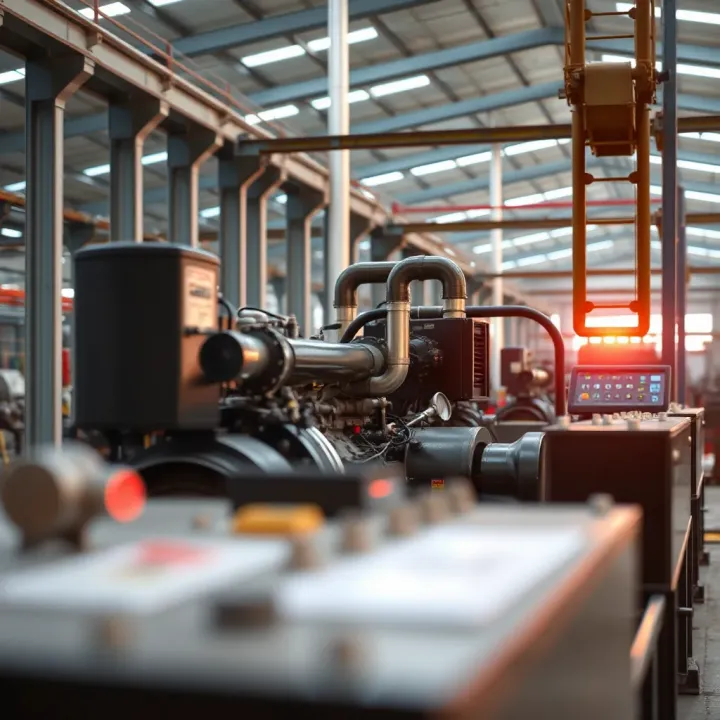
For investors, understanding DERV’s use in power backup systems highlights opportunities in fuel supply and generator servicing. It also underlines the importance of stable diesel quality to prevent engine damage and production downtime.
Diesel fuel’s chemical traits and versatility across transport and industry underpin its persistent demand in Kenya’s economy. Grasping these facets helps stakeholders make informed decisions on investment, supply chain management, and regulatory compliance.
Using Diesel Engine Reproductive Vehicle (DERV) in Kenya offers advantages that matter for both businesses and everyday users. Its performance and economic benefits align well with the demands of Kenya's transport sector and industries, where efficiency and cost-effectiveness carry weight. Understanding these benefits helps traders, investors, and transport operators make informed fuel choices.
DERV generally delivers better fuel efficiency compared to petrol, especially for heavy-duty vehicles. For instance, a matatu running on DERV might travel 20–25% further per litre than a comparable petrol vehicle. This difference matters on busy Nairobi roads or long-distance haulage from Mombasa to Eldoret where fuel cost directly hits the bottom line. The higher energy content in diesel means engines extract more power per unit, giving trucks and buses a solid performance advantage, especially when carrying heavy loads.
Besides mileage, diesel engines tend to offer higher torque at lower rpm. This helps vehicles handle rough terrains and steep climbs common in Kenya’s Rift Valley and Western regions. It’s not just about more mileage but also consistent power delivery which translates to smoother drives and fewer breakdowns.
Speaking of durability, diesel engines often last longer and require less frequent servicing compared to petrol engines. Their robust design stands up better to the wear and tear typical in Kenya’s mixed road conditions. For small and medium transport businesses, this longevity reduces downtime and repair costs, boosting productivity. Moreover, diesel engine maintenance tends to focus on fuel system upkeep and regular oil changes, which can be done locally by skilled fundis without expensive specialised parts.
DERV prices are generally more stable in Kenya, supported by local supply chains and government fuel policies. Its availability at most petrol stations nationwide means businesses can plan fuel purchases without worrying too much about scarcity or unpredictable price swings. This reliability is crucial for logistics companies depending on timely deliveries.
From a cost perspective, the initial price per litre of diesel may be comparable to petrol but the improved fuel economy makes DERV cheaper per kilometre travelled. For example, a delivery truck consuming 30 litres a day would save significant amounts monthly when using diesel. These savings are often reinvested in other business areas, from vehicle maintenance to staff welfare.
Transport and logistics expenses benefit directly from using DERV. Given Kenya’s expanding road networks and growing e-commerce sector, businesses constantly seek ways to cut operational costs. Diesel’s fuel efficiency and engine longevity translate into fewer refuelling stops, less frequent repairs, and longer vehicle life cycles. These factors reduce overheads and increase profit margins.
Efficient use of DERV reduces the total cost of ownership for vehicles, a critical factor for SMEs and large fleets alike in Kenya.
In summary, DERV’s advantages in fuel efficiency, engine durability, cost stability, and positive impact on transport expenses make it a practical choice within the Kenyan context. For investors and analysts, this persistence of DERV's relevance underlines ongoing demand in transport and industry sectors, signalling a steady market in coming years.
Proper handling and storage of Diesel Engine Reproductive Vehicle (DERV) is fundamental to maintaining its quality and ensuring safety. In Kenya’s transport and industrial sectors, mishandling can lead to fuel contamination, loss of efficiency, and even serious accidents. This section highlights essential practices that keep DERV usable and reduce risks for operators and businesses.
Avoiding contamination and evaporation is critical for maintaining the chemical integrity of DERV. Contaminants like water, dirt, or other fuels can cause engine damage or reduce fuel effectiveness, leading to costly breakdowns. For example, in rural farms using diesel engines for irrigation, fuel stored in open or poorly sealed tanks often attracts water during the rainy season, causing engine failure at critical times. Evaporation of lighter components changes fuel composition, reducing performance. Hence, tanks should be kept sealed and regularly inspected for leaks to avoid these issues.
When it comes to suitable containers and facilities, DERV storage requires materials that resist corrosion and chemical reactions. In Kenya, many service stations and industries use metal or high-density polyethylene tanks designed for diesel fuel. These must be equipped with vents and locks to prevent pressure build-up and unauthorised access respectively. For smaller businesses or transport operators, using approved jerrycans or drums marked specifically for diesel helps prevent fuel mix-ups and accidental spills. Facilities must also be located away from sources of heat or ignition to cut down fire risks.
Addressing fire hazards and preventive steps is vital since diesel, despite being less volatile than petrol, can still ignite under certain conditions. Transporters and depot managers should implement strict no-smoking zones and keep firefighting equipment accessible. Proper grounding of fuel tanks during refuelling stops sparks from static electricity. For instance, many Kenyan logistics companies mandate spill kits and conduct regular safety briefings to ensure workers stay alert.
In case of accidents, having clear emergency response procedures is indispensable. Quick containment of spills and prompt extinguishing of fires minimise damage. Training drivers and staff on first-response actions, such as using fire blankets or foam extinguishers suitable for diesel fires, improves outcomes significantly. Local authorities expect businesses to report incidents immediately and cooperate with fire services to protect communities and environments.
Safely managing DERV isn't just about compliance—it protects livelihoods and prevents costly disruptions in Kenya’s vibrant transport and manufacturing landscapes.
By following these practical steps for handling and storage, Kenyan businesses can safeguard their operations while supporting the efficient use of DERV.
Diesel Engine Reproductive Vehicle (DERV) remains a vital fuel source in Kenya, powering many sectors from transport to agriculture. However, its environmental footprint requires close attention. Understanding how DERV impacts air quality and the ecosystem helps businesses, investors, and regulators make informed decisions. Environmental considerations balance the benefits of DERV with the need to protect public health and comply with emerging green standards.
Diesel exhaust contains components like nitrogen oxides (NOx), particulate matter (PM), carbon monoxide (CO), and hydrocarbons. These substances pose health risks, particularly respiratory issues and heart complications. In Nairobi and other Kenyan towns, where traffic congestion is frequent, diesel smoke can worsen urban air pollution, affecting vulnerable groups such as children and the elderly. Chronic exposure to these pollutants has been linked to increased hospital visits and costs for respiratory ailments.
Compared to petrol, diesel engines emit more particulate matter and NOx, which are key contributors to smog and acid rain. However, diesel engines typically produce less carbon dioxide (CO2) per litre of fuel due to better fuel efficiency. While diesel’s carbon footprint may be slightly lower, the localised health impacts from soot and NOx require tighter controls. This contrast makes it necessary to weigh environmental risks against economic benefits, especially for heavy-duty transport and industrial applications.
To reduce harmful emissions, Kenya has shifted towards low-sulphur diesel, which contains significantly less sulphur than conventional diesel. This change helps lower sulphur dioxide (SO2) emissions, reducing acid rain and damage to vehicle parts like catalytic converters. Additives also enhance combustion efficiency and help clean engines, resulting in fewer deposits and reduced smoke. Many fuel stations in Kenya have started offering these cleaner diesel variants.
Government policies back these efforts through regulations and incentives. The Energy and Petroleum Regulatory Authority (EPRA) enforces standards aligning with Kenya Bureau of Standards (KEBS) requirements, ensuring fuel quality is maintained. Kenya’s commitment to Cleaner Fuels and Vehicles Programme encourages importation of diesel vehicles meeting Euro IV and V emission standards, which limits pollutants emitted. Additionally, there are ongoing campaigns to educate matatu operators and heavy vehicle owners about maintaining engines properly and using cleaner fuels to reduce pollution.
Cleaner diesel technology adoption signals progress but requires consistent enforcement and public awareness to protect Kenya’s environment effectively. Businesses and investors should monitor regulatory updates and invest in compliant fuel solutions to stay ahead.
This balanced approach to environmental considerations with DERV use highlights tangible improvements and ongoing challenges, informing smarter, sustainable decisions in Kenya’s fuel-consuming sectors.
Regulations and standards play a vital role in maintaining the quality and safety of Diesel Engine Reproductive Vehicle (DERV) used across Kenya. They ensure that both suppliers and consumers deal in products that meet recognised norms, reducing risks linked to poor fuel quality and handling. Such controls also help stabilise the market by preventing substandard fuel from affecting engines and causing economic losses for businesses relying heavily on transportation and machinery.
The Kenya Bureau of Standards (KEBS) sets out clear diesel specification standards that suppliers must adhere to. These standards cover aspects like sulphur content, viscosity, flash point, and cetane number. For instance, mandating ultra-low sulphur diesel limits harmful emissions and aligns Kenya’s fuel quality with international benchmarks. This is practical because vehicles and equipment designed for clean fuel avoid damage and deliver better performance when the quality is consistent.
Testing and compliance form another essential part of KEBS's role. Regular inspections and sample testing ensure that fuel batches circulating in the Kenyan market meet these standards. Suppliers failing to comply may have their products seized or face penalties, which encourages honesty and accountability in fuel distribution. For transport companies, this means reduced risks of engine failure or unexpected maintenance costs, directly impacting operational efficiency.
Licensing and distribution regulations govern who can sell and transport DERV within Kenya. Only entities licensed by the government can operate in this sector, ensuring traceability and control over fuel sources. This framework prevents illegal imports or adulteration, which could degrade engine performance or pose environmental harm. For traders and investors, knowing that licensed suppliers comply with statutory regulations fosters confidence in the fuel supply chain.
The Energy and Petroleum Regulatory Authority (EPRA) oversees the entire petroleum sector, including DERV. EPRA's responsibilities include issuing licences, monitoring fuel prices, and enforcing quality standards. It also mediates disputes and sets guidelines on storage and transport to safeguard public safety. EPRA’s active presence guarantees that Kenya's DERV market remains transparent, competitive, and aligned with national energy goals.
Proper regulation and oversight of DERV not only protect consumers and businesses but also promote sustainable growth in Kenya’s transport and industrial sectors.
By complying with these regulations, Kenyan businesses avoid costly disruptions, contribute to cleaner air standards, and uphold market integrity essential for economic progress.
Explore how Derivbot automates derivative trading with key features, safety tips, and local insights to help Kenyan traders navigate risks and comply with regulations 📈🤖

Explore deri's roots, production, and benefits in Kenya 🇰🇪. Learn its cultural role, eco impact, and uses in today's world 🌿👞

Explore Candle Mine Bot ⚙️: its setup, features, and safe use in mining automation. Learn how it boosts efficiency while managing risks effectively.

📈 Learn how to pick reliable trading sites in Kenya, understand how they work, spot risks, and trade safely with M-Pesa and local methods. Practical tips for all levels!
Based on 8 reviews