

Understanding Forex Trading for Kenyan Traders
📉 Get a clear, practical guide to forex trading in Kenya! Understand market basics, currency factors, risk management, and tech setup to trade confidently.
Edited By
Amelia Wright
Trading sites have reshaped how Kenyans engage with financial markets. Whether you aim to buy shares on the Nairobi Securities Exchange (NSE) or dabble in foreign currency, these platforms connect you directly to opportunities that were once hard to reach. But not all trading sites are designed equally, and choosing the right one can affect your success and security.
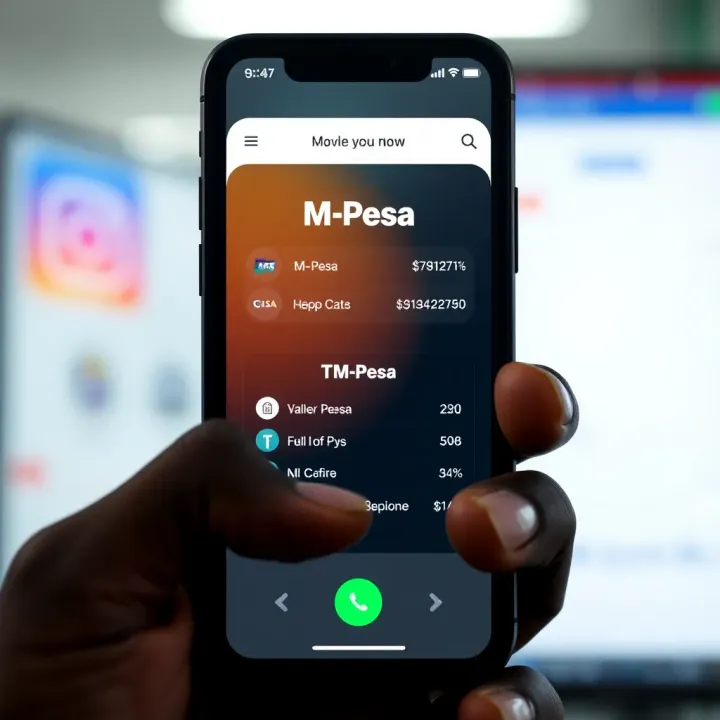
In Kenya, trading sites offer access to stocks, bonds, forex, commodities, and other financial instruments. Many integrate mobile money options like M-Pesa, making deposits and withdrawals straightforward even for those outside major urban centres. This is a huge advantage since it allows investors to work with local payment methods without needing bank transfers or credit cards.

However, it’s important to recognise that each trading platform operates under specific rules and policies. Some focus on local assets such as NSE-listed companies like Safaricom and Equity Bank, while others specialise in global markets. Always check if the platform is licensed by the Capital Markets Authority (CMA), which safeguards investors and ensures fair practices.
Remember: Not every trading website is trustworthy. Before committing your money, look for transparent fees, regulatory approvals, and customer support that responds quickly.
Here are key points to keep in mind when starting with any trading site:
User Interface: Is the platform easy to navigate? Can you access real-time data, order types, and portfolio tracking?
Payment Options: Look for platforms accepting M-Pesa, bank transfers, or cards. Confirm how fast and costly transactions are.
Security Measures: Ensure the site uses encryption and two-factor authentication (2FA) to protect your account.
Customer Support: Responsive support via email, chat, or phone matters especially when resolving issues on trades or payments.
Educational Resources: Some sites offer market news, tutorials and webinars. These are valuable for sharpening your trading skills.
Trading online in Kenya is becoming more popular but requires due diligence. Understanding how trading sites function gives you an edge in choosing tools that suit your strategies and safeguards your investments effectively.
Trading sites have transformed how Kenyans access financial markets. They act as digital platforms where investors buy and sell assets like stocks, forex, and commodities without visiting a physical exchange. By cutting out middlemen, these platforms open up opportunities for everyday investors to participate in global markets right from their phones or computers.
Definition and Purpose of Trading Sites
Trading sites are specialised websites or apps that connect investors to financial markets. Their main role is to provide a space for executing trades and managing portfolios efficiently. For instance, platforms like EGM Securities or AIB Capital allow traders in Nairobi or Mombasa to place orders for shares listed on the Nairobi Securities Exchange (NSE) swiftly.
These sites also provide tools such as price charts, news feeds, and order histories that aid decision-making. In Kenya, where physical distance from major commercial centres can be a hurdle, online trading platforms bridge that gap, offering easy access and real-time data.
Types of Assets Available for Trading
Most trading platforms give users access to a broad range of assets. Common options include shares issued by companies on the NSE, government and corporate bonds, forex currency pairs like USD/KES, and commodities such as gold or crude oil. Some platforms also feature derivatives like futures or contracts for difference (CFDs), though these tend to suit more experienced traders due to higher risk.
Offering various assets allows investors to diversify their portfolios—a critical step in managing risk. For example, a Kenyan investor might balance a position in Safaricom shares with forex trades or government bonds.
How Transactions Are Carried Out Online
Transactions on trading sites happen electronically. When you place a buy or sell order, the platform routes it to the relevant market venue or broker desk. Confirmation comes quickly, updating your account balance and portfolio in real time.
The platforms employ automated systems to match orders, ensuring trades settle smoothly without manual intervention. This instant execution contrasts sharply with traditional trading methods that involved phone calls and paperwork, speeding up the process immensely.
Market Makers vs. Direct Market Access
Trading sites commonly work with either market makers or direct market access (DMA). Market makers set bid and ask prices themselves and take the opposite side of your trades. They offer quick execution but may charge wider spreads. For example, larger platforms might act as market makers by providing liquidity for Kenyan shilling forex pairs.
DMA means your order goes straight to the underlying exchange, like the NSE, where it matches with another buyer or seller. This method ensures transparent pricing but might be slower or more costly due to exchange fees.
Choosing between these depends on your trading style; scalpers might prefer market makers, while long-term investors benefit from DMA.
Commission and Fees Structure
Traders should understand how platforms charge for their services. Commissions can be fixed per trade, a percentage of trade value, or included in spreads (the difference between buying and selling prices).
For example, some Kenyan brokers might charge a 0.1% commission on NSE share trades, plus a regulatory fee. Forex platforms often make money through spreads rather than explicit commissions. Always check for hidden fees like withdrawal charges or inactivity penalties.
Keeping costs low is key to improving profitability, especially when trading smaller amounts.
Order Types and Execution
Online trading sites support various order types to control how and when trades execute. The simplest is a market order, which buys or sells immediately at the best available price. Limit orders let you specify a maximum buy price or minimum sell price, useful for timing entry and exit points.
Stop-loss orders serve risk management by automatically selling a position if prices fall below a set level. In volatile markets like forex, these orders protect your capital from sudden moves.
Understanding these order types equips Kenyan investors to tailor trading strategies effectively. Good platforms provide clear interfaces to place and modify these orders, saving you from costly mistakes.
Online trading sites combine technology and finance, making investing accessible and practical for Kenyan investors. Grasping how these platforms operate—from assets offered to fees charged—forms the foundation for confident market participation.
Selecting the right trading site is vital for Kenyan investors to protect their money and access trustworthy services. A reliable platform ensures smoother transactions, better security, and compliance with local laws, all of which help you trade confidently. Since the online space can be crowded with both genuine and shady platforms, taking time to choose carefully can save you from costly mistakes.
All credible trading sites operating in Kenya should have approval from the Capital Markets Authority (CMA). The CMA oversees financial markets to safeguard investors and enforce rules that maintain market integrity. A platform with CMA licensing signals it meets minimum standards on transparency, fund safety, and fair trading practices. For example, platforms like Nairobi Securities Exchange (NSE)-approved intermediaries must comply with CMA guidelines, giving users peace of mind.
Without CMA approval, platforms might operate without proper oversight, increasing the risk of fraud or mismanagement. As a Kenyan trader, always check the CMA's public register of licensed entities before committing funds. This simple step helps avoid falling for unregulated platforms that might disappear overnight or misuse your money.
Beyond licensing, it pays to research a trading site's reputation and performance history. Look for platforms with a track record of reliable service and positive user reviews. Checking news reports or asking fellow Kenyan traders about their experiences can uncover red flags or highlight trustworthy options.
For instance, if a site frequently undergoes downtime, delays withdrawals, or has unresolved complaints publicly raised on forums, these are warning signs. Conversely, established players that offer transparent fee structures, clear policies, and active customer engagement tend to be safer bets. Taking time for this homework is a sound investment in your trading journey.
Trading sites must work well whether you're on a desktop at an internet cafe or using your mobile phone on the go. A platform with a simple, intuitive interface helps investors find the assets they want quickly and place orders without confusion. Since many Kenyans rely on mobile devices and varied internet speeds, sites optimised for mobile browsers or dedicated apps offer a better user experience.
For example, Safaricom’s customer base often trades using smartphones over slower mobile networks, so a lightweight, responsive trading platform is essential. Clunky or slow platforms can lead to missed trading opportunities or errors.
Kenyan traders benefit greatly from platforms that support payment methods familiar and accessible locally, especially M-Pesa. The ability to deposit and withdraw funds using M-Pesa or other mobile money solutions means faster transactions, lower costs, and fewer hassles compared with direct bank transfers or international card payments.
A platform with integrated M-Pesa payments simplifies the process for investors across Kenya. It eliminates the need for multiple accounts or complicated foreign exchange steps. For instance, Quickmart loyal customers can easily link their mobile wallets to trading accounts, ensuring access to funds without extra charges or delays.
Reliable customer support can make the difference between solving a small issue quickly and having it derail your trades. Good trading sites offer multiple support channels like phone, email, or live chat, with knowledgeable staff ready to assist in clear English or Swahili.
Response times matter, especially during market hours when fast answers help prevent losses. Also, platforms that provide educational resources or FAQs empower users to solve common problems independently. Before signing up, test how responsive the customer service is. This ensures help will be there when you need it.
Choosing a trading site with a valid CMA licence, user-friendly design, local payment options, and dependable customer support creates a strong foundation for successful investing in Kenya’s online markets.
This careful selection sets you up for safer, smoother trading suited to Kenyan conditions and needs.
Choosing the right trading platform involves more than just picking one with low fees. The key features a platform offers can make a real difference in your trading success and comfort. Reliable tools, educational content, and top-grade security all play a role in protecting your investments while giving you an edge in the market.
Having access to real-time market data is fundamental for any trader who wants to stay ahead. This means prices, volumes, and market movements update live without delay. For example, Equity Bank shares or NSE-listed stocks will show current prices instantly on a good platform, enabling you to make quick decisions based on the latest information. Charts with different time frames and technical indicators help you spot trends or entry points, whether you’re day trading or investing long term.
Not every trader starts as an expert, so platforms that offer tutorials or educational articles tend to serve users better. These resources can cover basic concepts like how to read candlestick patterns or how to use stop-loss orders, tailored for Kenya’s trading environment. Safaricom's trading platform, for example, includes guides to help new investors familiarise themselves with the stock market and digital trading tools. Such content boosts your knowledge, reducing costly mistakes.
Platforms must secure user information through data encryption, preventing hackers from accessing your login details or account balances. This is especially important when using public Wi-Fi or shared devices. For instance, a platform employing SSL encryption ensures that your M-Pesa transactions linked to the trading account remain safe. Also, features like two-factor authentication (2FA) add a second layer of protection by requiring a code sent to your phone or email when logging in.
Proper identity verification is vital to prevent fraud and money laundering. Good trading sites require you to upload official documents like your national ID or passport and may cross-check via the eCitizen portal. This step not only complies with Kenya Revenue Authority (KRA) and Capital Markets Authority (CMA) rules but also deters fake accounts. Platforms that skip this process pose a high risk to investors.
The ability to safely move funds into and out of your trading account is crucial. Trusted sites support local payment methods such as M-Pesa or bank transfers, ensuring money reaches you or the platform without hitches. Clear procedures for deposits and withdrawals, along with transparent fee disclosures, help avoid delays or unexpected costs. Platforms should have safeguards like transaction confirmation messages and limits on withdrawal amounts to minimise the risk of errors or fraud.
A solid trading platform combines reliable tools and tight security to protect your money and give you confidence as you trade. Look for real-time data, helpful learning resources, encrypted security, thorough verification, and safe payment options.
Trading online offers great chances, but it also carries risks that Kenyan investors must handle smartly. Understanding these risks helps protect your money and keeps your trading experience smoother. Let’s look at the common challenges and how to manage them effectively.
Price Fluctuations in markets like stocks, forex, or commodities happen all the time. Prices can swing widely within minutes or days due to news, economic reports, or even rumors. For example, unexpected changes in global oil prices ripple through Kenyan markets, affecting local energy stocks. That means what you bought this morning might lose or gain value significantly by the afternoon.
Effect on Profits and Losses is direct — when prices move against your position, losses pile up fast. Kenyan traders who bought Safaricom shares at KSh 35 might find the price dipping to KSh 32 within a week, affecting their returns. On the flip side, well-timed decisions amid volatility can result in good profits. Knowing this, it’s wise to keep a close watch on the market and avoid investing money you cannot afford to lose.
Recognising Fake Trading Sites is vital for every investor. Scammers often create sites mimicking legitimate platforms to steal deposits or personal data. Look out for red flags like lack of Capital Markets Authority (CMA) approval, unrealistic promises of guaranteed returns, or poor website design. For instance, if a site doesn’t offer clear contact details or pushes you to deposit cash immediately via untraceable means, avoid it.
Avoiding Ponzi Schemes and Pump-and-Dump scams requires vigilance. Ponzi schemes use new investors' money to pay older ones until they collapse, leaving many with losses. Pump-and-dump schemes artificially inflate lesser-known stocks' prices so scammers profit after selling their shares. Familiarise yourself with common scam tactics and always verify the legitimacy of the stocks and platforms before committing funds.
Setting Investment Limits helps curb overexposure. Decide beforehand the amount you want to invest, considering your financial situation. For example, allocating no more than 10% of your savings to high-risk online trading shields your finances from major shocks.
Diversifying Assets spreads risk over different investments — instead of putting all money in one stock or forex pair, mix stocks from various sectors, bonds, or commodities. A diversified portfolio cushions losses in a single asset class and improves chances for steady returns, especially as Kenyan markets can be unpredictable.
Continuous Learning and Staying Updated keeps you ahead of market shifts and safer from scams. Follow trusted Kenyan financial news, attend workshops, and read analysis from seasoned traders. Staying informed helps adjust your strategies based on changing conditions and avoid falling prey to false rumours or fraud.
Protecting your capital and trading smartly means understanding risks and using tools to manage them. Keep learning, invest carefully, and always double-check before trusting any platform.
This knowledge equips Kenyan investors to face the ups and downs of online trading with confidence and control.
Trading online in Kenya presents unique opportunities and challenges. Giving attention to practical elements such as payment methods, strategy choice, and staying informed can boost your chances of success. These tips help you navigate the local trading environment while making the most of familiar tools like M-Pesa and local financial news.
M-Pesa is the most common payment method linked with Kenyan trading sites. To connect your M-Pesa account, you usually need to register on the platform and link your phone number that’s registered with M-Pesa. This step is straightforward and often involves simple verification via a code sent to your phone. Linking your M-Pesa helps streamline deposits and withdrawals without visiting a bank.
When transferring money using M-Pesa, charges depend on the amount you move and the trading site's policies. Usually, the transfer fees are similar to regular M-Pesa transactions. For example, transferring KSh 10,000 might attract about KSh 30–50 in fees. Some platforms also accept bank transfers or mobile wallets like Airtel Money, adding flexibility. Always check the fee structure before trading to avoid surprises.
Understanding your preferred trading style matters. Long-term trading involves holding assets over weeks or months, aiming to benefit from major price changes. This suits those with less time to watch markets constantly. For example, some Kenyan investors buy stocks on the Nairobi Securities Exchange (NSE) and hold for dividends and growth.
Short-term trading requires more attention as it involves buying and selling within days or hours to catch quick price moves. This can lead to faster gains but also increases risk. Starting with demo accounts lets you practise strategies without risking real money. Most trading sites offer these simulated accounts so you can learn market behaviour and test your approach.
Following Kenyan financial news helps you spot opportunities and risks. Sources like Business Daily and the Nation’s business section provide updates on the NSE, forex rates, and policy changes affecting markets. For instance, news about Central Bank of Kenya decisions often influences the forex and banking stocks.
Social media and online forums can offer tips but require caution. Join recognised trading groups and avoid following unverified stock tips that promise quick riches. Look out for common scams such as pump-and-dump schemes on platforms like WhatsApp or Facebook. Balance what you hear online with official news and analysis, so your decisions rest on solid information.
Practical trading in Kenya is about using familiar tools like M-Pesa, picking a strategy that fits your lifestyle, and staying tuned to local market signals. With careful steps, you can turn online trading into a steady part of your wealth-building plan.
📉 Get a clear, practical guide to forex trading in Kenya! Understand market basics, currency factors, risk management, and tech setup to trade confidently.

📈 Discover Maven Trading's role in Kenya's markets, its tools, risks, and rewards. Gain practical tips for savvy investing with local insight and KSh considerations.

📈 Learn how to use trading charts to spot market trends in Kenya. Understand chart types, key indicators, and avoid common errors for better trading decisions. 🇰🇪
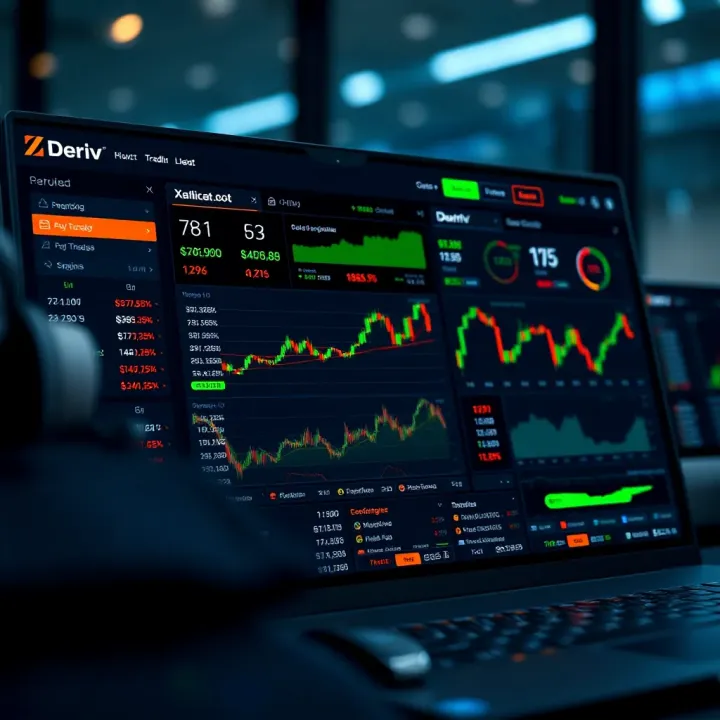
📈 Dive into Deriv trading with this clear guide for Kenyan traders. Learn platforms, trade types, strategies, risks, and regulatory tips for smart decisions.
Based on 11 reviews