
Understanding Forex Accounts for Kenyan Traders
📊 Discover how to open and manage a forex account in Kenya, explore types available, understand risks, and get essential tips for smart trading in global currency markets.
Edited By
Thomas Barrett
The foreign exchange market—known as forex or FX—is the world's largest financial marketplace where currencies are exchanged. Unlike stock markets, forex operates 24 hours a day, five days a week, driven by banks, corporations, governments, and individual traders. For Kenyan traders, understanding forex is more than just knowing currency quotes; it’s grasping how global events, economic indicators, and local factors interact to influence currency values.
At its core, forex trading involves buying one currency while simultaneously selling another. These pairs, such as USD/KES (US dollar to Kenyan shilling), form the basis of all trades. Prices fluctuate based on supply and demand dynamics influenced by interest rates, inflation, political stability, and trade balances. For example, a sudden rise in Kenya's exports may strengthen the shilling as foreign buyers convert their currencies to pay Kenyan suppliers.
Successful forex trading depends on understanding market structure and the key players. Commercial banks, central banks like the Central Bank of Kenya (CBK), hedge funds, and retail traders all contribute to liquidity and price movements.
Kenyan traders should note that the forex market isn’t centrally located but rather a network of global exchanges and over-the-counter (OTC) activity. This decentralisation means prices vary slightly while offering ample opportunities across different time zones.
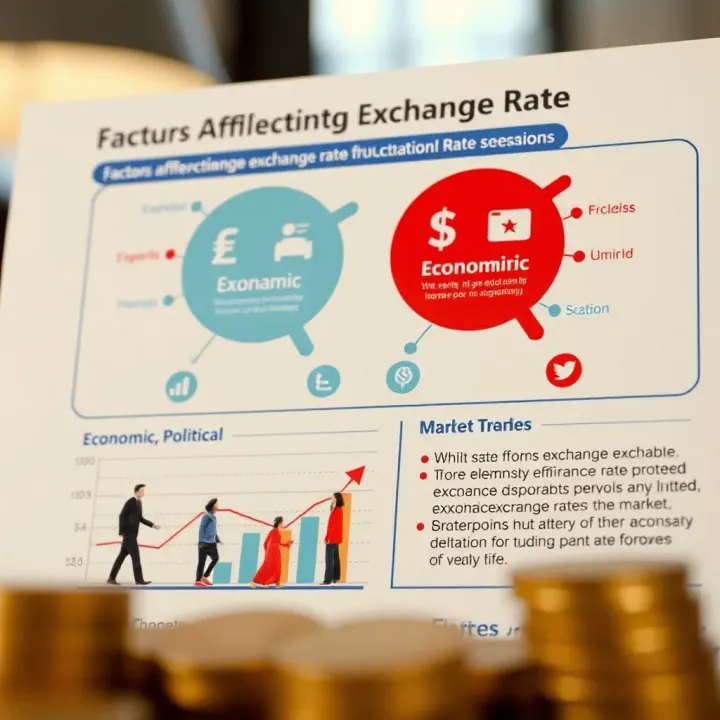
Key factors influencing exchange rates include:
Economic data releases: GDP growth, unemployment rates, and inflation figures from Kenya or trade partners like the US and China affect forex rates.
Monetary policy decisions: Changes in CBK’s base rate or the US Federal Reserve's interest rate adjustments can swing currency values.
Political developments: Elections, policy shifts, or geopolitical tensions impact investor confidence.
For Kenyan forex traders, the ability to interpret such factors alongside technical analysis sharpens decision-making. At the same time, practical considerations like using reliable trading platforms with mobile money integration (e.g., M-Pesa deposits) and understanding local regulations under the CMA (Capital Markets Authority) are vital.
This article will cover these elements in more detail to help you trade forex with informed confidence and effective strategies.
Understanding forex markets is the first step for any trader looking to engage effectively in currency trading. These markets operate 24 hours a day across various global financial centres, making them the largest and most liquid markets worldwide. For Kenyan traders, knowing how forex markets function helps in making informed decisions about when to trade and what influences currency values.
Global nature of forex markets
Forex trading happens between banks, institutions, governments, corporations, and individual traders worldwide. Unlike stock exchanges, forex does not have a centralised location; trading takes place electronically across different time zones – from Tokyo opening in the early hours of the morning to New York closing at dusk. For example, a Kenyan trader can time trades around London or New York sessions when liquidity and volatility peak, potentially offering better opportunities.
Major currencies traded
While over 170 currencies exist globally, forex mainly involves a handful of major currencies like the US dollar (USD), Euro (EUR), British pound (GBP), Japanese yen (JPY), and Swiss franc (CHF). These currencies form the backbone of most forex trades due to their stability and global acceptance. For instance, the USD dominates nearly 88% of forex transactions, so understanding its movements matters deeply for a trader dealing in pairs like USD/KES (Kenyan shilling).
Typical participants in forex
The forex market hosts a variety of players. Central banks influence national currencies via monetary policies, commercial banks provide liquidity, multinational companies hedge currency risks, and speculators aim to profit from price changes. Retail traders, including many Kenyans, participate via brokers, contributing to market activity. Knowing these players helps traders grasp why currency prices react quickly to news or policy changes.
Currency pairs and quotes
Forex trading involves buying one currency while simultaneously selling another, expressed as a currency pair (e.g., USD/KES). The first currency is the base; the second is the quote currency. If USD/KES is quoted at 115, it means one US dollar buys 115 Kenyan shillings. Traders watch these quotes closely to identify profitable entry or exit points. Understanding the bid (buy) and ask (sell) prices helps traders evaluate transaction costs known as spreads.
Spot, forward, and futures markets
The spot market deals with immediate currency exchanges, usually settled within two business days. Kenyan importers buying dollars for overseas payments often participate here. Forward contracts agree to exchange currency at a fixed rate on a future date, helping businesses hedge against currency risks. Lastly, futures contracts are standardised and traded on exchanges, providing another way to speculate or hedge. Knowing these distinctions enables traders to pick suitable instruments based on their goals.
Mastering these basics lets Kenyan traders engage the forex markets with confidence, adapting to its fast-paced nature and capitalising on currency movements.
Currency values rarely stay put for long. Understanding what causes currencies to rise or fall is essential for any trader aiming to make informed decisions in the forex market. Exchange rates respond quickly to changes in economic data, political dynamics, and actions by central banks. Kenyan traders benefit from knowing these drivers since they directly affect the Kenyan shilling’s strength against other currencies like the US dollar or euro.
Interest rates and inflation are among the top factors influencing currency values. When a country raises its interest rates, it often attracts foreign investors looking for better returns. This influx of capital strengthens the currency as demand rises. For example, if the Central Bank of Kenya increases its base rate, the shilling might appreciate because more investors seek Kenyan assets. Conversely, high inflation usually erodes a currency’s purchasing power, causing its value to decline. Traders watch inflation data closely; if Kenya experiences rising inflation without interest rate adjustments, the shilling could weaken.
Employment data and GDP growth provide a snapshot of economic health that affects currency trading decisions. High employment rates indicate a healthy economy, which tends to support a stronger currency. For instance, Kenya’s improving job market can boost investor confidence, leading to increased demand for KSh. Likewise, strong Gross Domestic Product (GDP) growth shows economic vitality. If Kenya reports better-than-expected GDP figures, forex traders might take this as a sign of economic strength, pushing the shilling higher in value.
Government stability and policy changes impact the forex markets by shaping investor confidence. Stable leadership that promotes favourable economic policies tends to support a stronger currency. On the other hand, sudden shifts in government or controversial policies can unsettle traders and cause a currency’s value to drop. Kenyan traders should keep an eye on elections and major policy announcements, as these events often cause volatility. For example, during election periods, uncertainty might lead to reduced capital inflows and a weaker shilling.
Geopolitical tensions such as regional conflicts or trade disputes can also sway currency values. When tensions rise, investors often shift funds to safer currencies like the US dollar or Swiss franc. In East Africa, any disruption in trade routes or instability in neighbouring countries could affect the Kenyan shilling through reduced exports or investor nerves. Therefore, monitoring geopolitical developments helps traders anticipate probable swings in the forex market.
Monetary policy decisions by central banks steer currency values by setting interest rates or guiding inflation targets. The Central Bank of Kenya (CBK) regularly adjusts policies responding to inflation, economic growth, and global conditions. For example, if CBK signals a tightening monetary policy to rein in inflation, this may push the shilling up as markets react to expected higher rates.
Currency market interventions happen when central banks directly buy or sell their currency to influence its value. Kenya’s central bank occasionally steps in to stabilise the shilling during sharp fluctuations or speculative attacks. Such interventions can temporarily support the shilling but also signal underlying economic concerns traders need to consider. Following intervention announcements closely offers insights into a country’s currency outlook and assists traders in adapting their strategies.
Understanding these key drivers helps Kenyan traders spot opportunities and manage risks in the forex market. Keeping tabs on economic reports, political news, and central bank moves provides a clearer picture of where currencies might head next.
Forex trading has become increasingly accessible to Kenyans, thanks to technology and improved financial infrastructures. Participating in forex markets offers an opportunity to diversify income sources and hedge against currency risks. However, knowing how to enter this space safely and effectively matters a lot.
When picking a forex broker, licensing is your first checkpoint. In Kenya, the Capital Markets Authority (CMA) regulates licensed brokers to ensure they follow clear rules protecting customers. Traders should look for brokers authorised by CMA to avoid scams or unfair practices. Additionally, some Kenyan traders choose brokers regulated abroad by institutions like the UK’s Financial Conduct Authority (FCA) or Australia’s ASIC. Such brokers often offer tighter controls and well-established platforms, but you should confirm they accept clients from Kenya.
Choosing a regulated broker means your funds and data get better protection. For example, a CMA-regulated broker must segregate client funds from company funds, offering an extra safety net in case the broker runs into trouble.
Brokers usually offer different account types catering to various experience levels and budgets. For instance, some accounts might require a minimum deposit of KSh 10,000 while premium accounts ask for more but offer tighter spreads or faster execution. Pick an account matching your trading style and capital.
Likewise, the trading platform matters. Popular platforms include MetaTrader 4 and MetaTrader 5, appreciated for their easy-to-use tools and charts. Some brokers also have their own apps with local payment options like M-Pesa integration. Before committing, test demo accounts to get a feel for the software's interface and reliability.
Mobile money like M-Pesa has made funding forex accounts straightforward for Kenyan traders. Most local and international brokers accept M-Pesa deposits, enabling instant, low-cost transfers without needing banks. Alternatively, bank transfers work but may take longer and incur higher charges.
For example, to fund a forex account with KSh 20,000, a trader can send money via M-Pesa Paybill directly to the broker’s account if they support it. This ease encourages more Kenyans to join forex trading with manageable startup costs.
In forex, brokers earn via spreads or commissions. The spread is the difference between the buying and selling price of a currency pair. For example, if USD/KES has a bid price of 110 and an ask price of 110.02, the spread is 0.02. Narrow spreads reduce costs for traders.
Some brokers charge a separate commission, especially on accounts with tighter spreads. Kenyan traders should compare these fees since they affect net profits. Transparency is key; choose brokers with clear, upfront information about all charges.
Technical analysis uses past price data to forecast future currency moves. Typical tools include charts, trend lines, and indicators like moving averages or Relative Strength Index (RSI). For example, if the USD/KES shows a rising trend with consistent higher lows, a trader might consider buying, expecting the trend to continue.
For Kenyan traders, technical analysis provides a practical method to make informed entries and exits without needing deep economic backgrounds. Using freely available charting tools helps sharpen this skill before risking real money.
Fundamental analysis looks at economic and political factors influencing currency values. Key indicators for Kenyan shilling pairs include Central Bank of Kenya interest rate decisions, inflation reports, or government policy changes.
For instance, if the Central Bank cuts rates to stimulate growth, the shilling may weaken against the dollar, suggesting selling USD/KES might be risky. Keeping an eye on such events allows traders to anticipate market swings based on news rather than just charts.
By combining technical and fundamental analysis, Kenyans can build a more rounded understanding, improving trading decisions in the forex market.
Through deliberate broker selection, convenient funding methods, and well-rounded trading strategies, Kenyan traders can participate in forex with greater confidence and control over risks.
Understanding the risks and challenges in forex trading is critical for anyone looking to succeed, especially Kenyan traders stepping into this dynamic market. Forex trading involves significant financial exposure that can lead to considerable losses if not managed carefully. Recognising the key risks allows traders to protect their capital and make informed decisions.
Leverage in forex is like a double-edged sword — it lets you control a large position with a small amount of money, which can amplify your profits. For example, with a leverage of 1:100, KSh 10,000 can control a position worth KSh 1,000,000. This magnification can speed up gains but also escalate losses just as quickly.
The problem is, currency prices can swing wildly within minutes due to economic news or geopolitical events. If you’re using high leverage, a market move against your position can wipe out your trading account very fast. For instance, a 1% move on a fully leveraged position can mean a 100% loss of your initial margin. This risk of rapid and heavy loss is why many regulators set limits on leverage.
Kenyans looking to trade forex should be alert to scams. Common tricks include bogus brokers promising guaranteed gains or offering unrealistic bonuses. Some fake brokers disappear with traders’ funds once deposits are made, leaving victims stranded.
To avoid this, verify that your broker is licensed by Kenya’s Capital Markets Authority (CMA) or reputable international regulators like the UK’s Financial Conduct Authority (FCA). Always check broker reviews and confirm their registration before sending any money. A licensed broker follows strict rules and offers some protection to traders.
Good risk management tools such as stop-loss orders can help cap potential losses. A stop-loss automatically closes a position once the price hits a certain point, protecting your capital from larger downturns. Some trading platforms also provide risk calculators to assess how much exposure you have before entering a trade.
Beyond tools, disciplined trading habits make a huge difference. Setting clear entry and exit points, avoiding overtrading, and sticking to your plan help keep emotions like greed and fear in check. For example, a trader who sticks to risking only 2% of their account per trade usually lasts longer in the game than one who chases huge quick gains.
Wise traders know that managing risks is not optional; it is what keeps the trading business sustainable. By recognising volatility, avoiding scams, and practising discipline, you can protect your funds and trade sensibly.
By paying close attention to these challenges, Kenyan traders stand a better chance of navigating the forex market safely and steadily growing their skills and funds.
Navigating the forex market in Kenya requires a clear understanding of its regulatory environment. Regulation ensures that trading activities are conducted fairly, transparently, and within legal boundaries. For Kenyan traders, this framework not only safeguards investments but also provides avenues for recourse if disputes arise. Without proper regulation, traders risk falling victim to unscrupulous brokers or illegal schemes.
The Capital Markets Authority (CMA) is the primary regulator overseeing forex brokers and related financial service providers in Kenya. Brokers must obtain a licence from the CMA before offering forex trading services to Kenyans. This licensing process involves meeting specific financial and operational standards, including maintaining adequate capital, employing qualified personnel, and using secure trading platforms. For example, the CMA may require brokers to demonstrate strong internal controls to prevent money laundering or fraud.
This licencing requirement matters because it helps separate genuine brokers from unregulated entities operating illegally. If a broker is registered with the CMA, traders can trust that the firm complies with Kenyan laws and is subject to routine CMA inspections. On the other hand, unlicensed brokers present high risks, including potential theft of funds or unfair trading practices.
Regarding investor protection, the CMA enforces rules designed to shield traders from common pitfalls in forex trading. These include requirements for brokers to segregate client funds from the company's operating accounts, which helps secure client money even if the broker faces financial difficulties. The authority also mandates clear disclosures on risks and transparent reporting on transaction costs, helping investors make informed decisions.
Moreover, the CMA provides a formal complaint mechanism for traders facing issues with licensed brokers. For instance, if a client suspects manipulation or delayed withdrawals, they can lodge a complaint through the CMA, which will investigate and mediate where necessary. This protection framework builds confidence in the market by promoting ethical conduct among brokers.
All income earned from forex trading is subject to taxation under Kenyan law and must be reported to the Kenya Revenue Authority (KRA). Whether you earn from short-term trading or longer-term positions, gains count as taxable income and need disclosure when filing annual returns. Failure to report forex income could lead to penalties or audits.
In practice, traders should keep accurate records of all transactions, including dates, amounts, currency pairs traded, and realised profits or losses. Such documentation supports smooth tax filing and helps clarify income sources if the KRA requests verification. It’s wise to consult a tax professional familiar with trading activities for proper compliance.
The main taxes affecting forex traders include income tax on profits made and possibly value-added tax (VAT) depending on the nature of transactions. Income tax rates vary depending on whether the trader operates as an individual, a company, or through another structure. Compliance also involves maintaining books of accounts and submitting returns on time to avoid fines.
Understanding your tax obligations not only keeps you on the right side of the law but also prevents unexpected costs later. Thorough record-keeping and consultation with KRA-approved experts go a long way towards smooth trading operations in Kenya.
By staying informed about CMA regulations and tax responsibilities, Kenyan forex traders can focus on their strategies with confidence that their activities align with legal and regulatory expectations.
📊 Discover how to open and manage a forex account in Kenya, explore types available, understand risks, and get essential tips for smart trading in global currency markets.
📉 Get a clear, practical guide to forex trading in Kenya! Understand market basics, currency factors, risk management, and tech setup to trade confidently.

📈 Understand margin in forex trading and control larger positions with smaller capital. Learn margin calls, calculations, and risk strategies tailored for Kenyan traders.
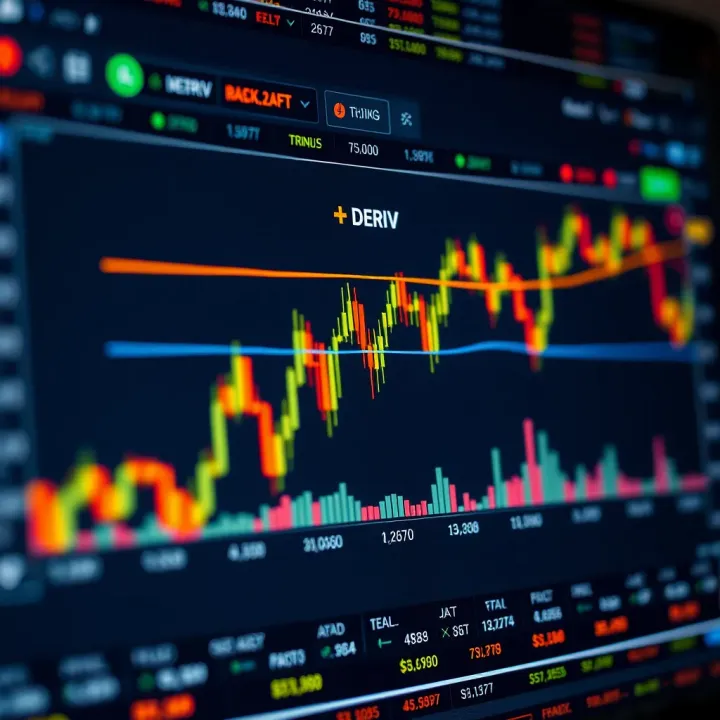
Explore Deriv Forex trading in Kenya 🇰🇪—learn how it works, top features, account options, and smart risk management tips for more confident trading 📈
Based on 6 reviews