
Best Time to Trade Forex for Kenyan Traders
📊 Discover the best time to trade forex for Kenyan traders, focusing on sessions, volatility, and strategies to boost your success in currency markets.
Edited By
Emily Richards
Trading forex (foreign exchange) has become a popular way for many Kenyans to earn extra income or diversify investments. With easy access to online platforms and mobile technology like M-Pesa for payments, the forex market is within reach for both beginners and experienced traders. However, trading successfully requires more than just luck—it demands understanding the market, tools, and risks involved.
Unlike the stock market, forex trading operates 24 hours a day, five days a week, allowing you to trade currencies from around the world at any time. Major currency pairs such as USD/KES (US Dollar to Kenyan Shilling) or EUR/USD are commonly traded by Kenyan investors. Foreign exchange rates can change quickly due to economic news, geopolitical events, or local developments, making it essential to stay informed.
Remember: Forex trading involves real money and risks. Never trade with funds you can’t afford to lose.
Here are some key points to start you off:
Understanding Forex Basics: Learn what currency pairs are, how pip values work, and how leverage influences both gains and losses.
Choosing the Right Broker: Aim for a broker regulated by Kenya’s Capital Markets Authority (CMA) or reputable international bodies to protect your money.
Essential Tools: Trading platforms like MetaTrader 4 or 5 are popular choices; they provide charts, indicators, and order execution features.
Risk Management: Set clear limits on losses and use stop-loss orders to protect your capital.
Stay Updated: Follow both global and Kenyan economic news since local events like Central Bank policy shifts can impact currency pairs.
Getting started with forex in Kenya means blending global knowledge with local realities. You’ll need a combination of practical skills, discipline, and reliable information to trade confidently and responsibly. This guide will walk you through each step to ensure you are well-equipped before placing your first trade.
Forex trading involves buying and selling currencies to make a profit from changes in exchange rates. For Kenyan traders, understanding how this market works is key to making informed decisions. Unlike stock markets that operate during set hours, the forex market runs 24 hours from Sunday evening to Friday night because it spans time zones across the globe. This gives traders the flexibility to engage in trading outside of standard Kenyan business hours, whether early morning or late at night.
Forex trading revolves around currency pairs, where one currency is exchanged for another. For example, the USD/KES pair shows how many Kenyan shillings you can get for one US dollar. Traders speculate whether the base currency (first one) will strengthen or weaken against the quote currency (second one). Understanding these pairs is crucial because most trading strategies focus on predicting their movements accurately.
Trades occur through brokers who connect you to the broader market where banks, financial institutions, and other traders operate. When you buy a currency pair, you’re essentially buying the base currency and selling the quote currency simultaneously. Take USD/EUR: if you expect the US dollar to strengthen against the euro, you buy USD/EUR. If your prediction is right, you can close the position later at a profit. Forex trading usually involves leverage, meaning you can control a large position with a smaller amount of capital, but this comes with increased risk.
The forex market is the most liquid financial market globally, meaning there's always someone ready to buy or sell. For Kenyan traders, this liquidity ensures that trades are executed quickly and at transparent prices. Accessibility has also improved as many forex brokers accept deposits via M-Pesa, making it easy for anyone with a mobile phone to start trading without complicated bank transfers.
Forex trading offers opportunities both when currency prices rise and fall, unlike some markets that profit only from upward moves. This means Kenyans can potentially earn during downturns by selling currency pairs. Additionally, since the market operates almost around the clock, traders can fit trading around other work or family commitments without being stuck to fixed hours.
Currencies reflect the economic health of countries. Events like changes in the US Federal Reserve’s interest rates or political developments in the Eurozone can swiftly affect exchange rates. Kenyan traders who follow such news can anticipate currency moves and position themselves accordingly. For instance, during Kenya's election periods, the shilling often reacts to political stability concerns, offering chances for traders to take advantage of short-term volatility.
A solid grasp of how forex trading works and why it appeals can significantly improve your chances of success in this dynamic market.
Understanding these basics lays the groundwork before moving to more complex concepts like strategies and risk management, ensuring you trade smarter and safer.
Selecting the right tools and platforms is a key step for anyone serious about forex trading in Kenya. These elements not only affect how you execute trades but also how you manage risk and access the market efficiently. Understanding what to look for in brokers, software, and account setups can give you a solid foundation to build your trading career.
Regulation matters more than most new traders realise. A broker with proper licences from the Capital Markets Authority (CMA) ensures your funds and trades are protected according to Kenyan law. It also means the firm must keep your deposits separate from operating capital, reducing risk if the broker faces financial trouble. For instance, brokers regulated by CMA need to meet transparency and reporting standards which keep trading fair.
Kenyan traders benefit greatly from brokers that accept M-Pesa, the leading mobile money service in Kenya. This allows for fast, convenient deposits and withdrawals without relying on international bank transfers. Many brokers now support M-Pesa alongside local bank options, reducing costs and making your capital readily accessible. When choosing a broker, check if their withdrawal process is smooth and timely, as delays can disrupt your trade plans.
Good customer support is essential, especially when the market is moving fast or you encounter technical issues. Brokers with responsive support teams, preferably with local service hours, can help resolve problems quickly. Equally important is platform stability—frequent downtime or glitches can cost money. Look for brokers with a reputation for reliable trading systems that won’t crash during crucial moments.
MetaTrader 4 and 5, along with cTrader, are some of the most used platforms globally including Kenya. They provide robust charting tools, automated trading options, and easy order execution. MetaTrader’s popularity lies in its simplicity and customisable indicators, while cTrader offers advanced features for more experienced traders. Choosing a platform you’re comfortable with can improve your trading speed and decision-making.
Given Kenya’s strong mobile penetration, having a platform with a reliable mobile app is very practical. Most brokers offer mobile versions of MetaTrader and other software. This allows you to monitor the market, place trades, or adjust stop-loss orders anytime, especially when commuting or away from a computer. Mobile trading apps should be user-friendly and secure enough for live trading.
Effective forex trading depends heavily on analysing price movements. Good platforms provide comprehensive charting capabilities with multiple timeframes, technical indicators (like Moving Averages, RSI), and drawing tools. These help identify trends and potential entry or exit points. Some advanced platforms also offer economic calendars directly, keeping you informed about upcoming events that influence currency movements.
Opening a trading account normally requires identification documents such as a national ID or passport, proof of address (like a utility bill), and sometimes a copy of your Kenya Revenue Authority (KRA) PIN. Brokers require these to comply with Know Your Customer (KYC) rules aimed at preventing fraud and money laundering. Keep these documents handy to speed up verification.
Brokers provide various account options to suit different trading needs. For example, you might find standard, mini, and micro accounts with differing minimum deposits and leverage limits. Some accounts offer access to more currency pairs, tighter spreads, or additional research tools. Choose an account type that matches your budget and risk appetite.
Most platforms offer demo accounts where you can trade virtual money. This is invaluable for practising without risking real funds. Demo accounts mimic live market conditions, helping you learn the mechanics, try strategies, or test new platforms. Kenyan traders should spend enough time here before moving to live accounts to avoid costly mistakes.
Starting forex trading on the right foot means picking trusted brokers, familiarising yourself with the right software, and practising diligently. These tools are not just conveniences; they form the backbone of your trading experience.
Trading forex successfully requires clear strategies and techniques. Without these, traders risk losing money or making poor decisions based on emotions rather than facts. Kenyan traders gain a practical edge by understanding fundamental and technical analysis alongside proven trading methods. This section breaks down key approaches that can improve your trade outcomes, whether you are a beginner or sharpening your skills.
Interest rates, inflation, and GDP affect currency values directly. For example, when Kenya's central bank raises interest rates, it often strengthens the Kenyan shilling as investors seek higher returns. Inflation, on the other hand, erodes purchasing power and can weaken a currency over time.
GDP figures reflect a country's economic health. A growing GDP signals strong economic activity, encouraging foreign investment and boosting demand for the currency. By tracking these indicators, traders can anticipate currency moves rather than chasing prices blindly.
Global news impacts forex too. Events like US Federal Reserve announcements or geopolitical tensions can cause sharp currency swings. Kenyan traders watching international news can react early to such movements, especially in major pairs like USD/KES or EUR/USD.
Support and resistance levels mark price points where currencies tend to stall or reverse. For example, if the USD/KES repeatedly falls to 110 and bounces back, that 110 level acts as support. Recognising these zones helps traders set entry and exit points.
Common indicators like Moving Averages smooth price data to reveal trends. The Relative Strength Index (RSI) shows whether a currency is overbought or oversold. Combining indicators improves decision-making. For instance, when RSI signals oversold and price hits support, it might be a good time to buy.
Spotting trends and chart patterns, like head and shoulders or double tops, gives clues on future moves. Identifying an uptrend early allows traders to hold onto profitable positions longer, while recognising reversal patterns can prevent losses.
Day trading involves opening and closing positions within the same day, benefiting from small price moves. Swing trading holds positions for several days to catch larger trends. Beginners often find swing trading less hectic since it allows more time for analysis.
Using stop-loss and take-profit orders protects your capital automatically. For example, placing a stop-loss 50 pips below your entry ensures losses are capped if the trade goes wrong. Take-profit locks in gains once your target is reached.
Position sizing and understanding risk-reward ratio prevent reckless trading. If you risk KSh 1,000 on a trade, aim for a reward of at least KSh 2,000 to make it worthwhile. Knowing how much to invest per trade helps manage your overall exposure and avoid wiping out your account.
Mastering these strategies and techniques sharpens your trading skills, boosting confidence and helping you avoid costly mistakes common among newcomers.
In forex trading, managing risks and protecting your capital are vital to staying in the game. The unpredictable nature of the forex market means that losses can pile up quickly if you don't have a solid plan to protect your investments. Kenyan traders, especially those new to the market, must prioritise risk management to avoid wiping out their accounts and keep trading sustainably.
Leverage allows forex traders to control a larger position than their initial capital would normally permit. For example, with 1:100 leverage, you can trade KSh 100,000 worth of currency by committing just KSh 1,000. This magnifies potential profits but also increases losses. If the market moves against you by just 1%, your entire capital can be wiped out.
For Kenyan traders, leverage limits are set by the Capital Markets Authority (CMA) to protect investors. Brokers regulated by the CMA often offer leverage ratios up to 1:50 for major currency pairs, which is lower than what unregulated brokers might advertise. This limit helps reduce the risk of large, uncontrolled losses while still offering a decent trading capacity. It’s important for traders to understand these limits and avoid seeking excessive leverage that could exhaust their funds quickly.
Setting realistic stop-loss points is a basic way to protect capital. A stop-loss order automatically closes your trade when losses reach a predefined level. For instance, if you buy euros against the dollar at 120 KSh and set a stop-loss at 118 KSh, your loss is capped if the price falls. Setting stop-loss levels based on your analysis and risk tolerance prevents emotional decision-making and huge drawdowns.
Diversifying currency exposure also reduces risk. Instead of putting all your money in one currency pair like EUR/USD, you might spread investments across EUR/USD, USD/JPY, and GBP/USD. Currency pairs react differently to global events, so diversification lowers the chance of facing a total loss when one market moves unfavourably.
Managing emotions is crucial. Fear and greed often push traders into rash decisions like overtrading or ignoring stop-loss points. Keeping a clear head and sticking to your trading plan can help you avoid impulsive moves that erode capital. Some Kenyan traders find journalling trades and reviewing losses helpful to build discipline over time.
Forex scams prey on inexperienced traders with promises of guaranteed profits or insider tips. Recognising fraudulent schemes involves looking out for red flags such as unrealistic returns, pressure to invest quickly, or unregistered brokers asking for large upfront fees. These scams often use slick websites and fake testimonials to seem credible.
To avoid falling victim, always verify the broker’s credentials through Kenyan regulators like the Capital Markets Authority (CMA). The CMA website lists licensed brokers authorised to operate in Kenya. Trading with a regulated broker ensures some protection of your funds and access to legal recourse if problems arise. If a broker cannot provide proof of regulation or registration, it’s a clear warning sign to steer clear.
Protecting your trading capital through smart risk management and vigilance against scams ensures longevity in forex trading and helps you build profits steadily over time.
Understanding the legal and regulatory framework is key if you want to trade forex safely in Kenya. These rules protect you from scams and ensure brokers operate fairly. Without this framework, traders risk losing money to unscrupulous players who offer little transparency or security.
The Capital Markets Authority (CMA) is the main regulator overseeing forex brokers operating in Kenya. Licensed brokers must meet CMA’s strict requirements before they can offer services locally. This includes holding a capital reserve, demonstrating financial stability, and maintaining transparent business practices. For example, brokers must provide clear, timely reports about trading conditions and handle client funds separately from company accounts.
Selecting a CMA-licensed broker gives Kenyan traders confidence that the broker has been vetted and is monitored regularly. It helps prevent cases where brokers disappear with client funds or manipulate trades. Beyond licensing, the CMA also issues guidelines that affect how you trade. These include provisions on leverage limits to protect your capital and requirements for clear client communication about risks involved in forex trading.
Kenyan traders are required to report income earned from forex trading to the Kenya Revenue Authority (KRA). This includes profits from both short-term trades and longer-term positions. Keeping proper records of all trades helps when filing returns, as the KRA will want to verify your earnings and related expenses.
Regarding taxation, profits from forex trading are generally treated as business income and taxed accordingly under the Income Tax Act. This means gains are subject to the current income tax rate, which is typically 30% for individuals and varies for companies. It is advisable to consult a tax professional familiar with forex earnings to ensure you meet these obligations without overpaying.
M-Pesa and bank transfers are the most common ways Kenyan forex traders fund their accounts or withdraw profits. They offer convenient, fast, and widely accessible payment options. Most CMA-licensed brokers accept M-Pesa deposits, making it easy for traders in Nairobi or upcountry to add funds without complicated bank procedures.
However, security is critical. Use only official channels for deposits and never share your M-Pesa PIN or internet banking credentials with anyone. Confirm the broker’s payment details carefully before transferring money to avoid losing funds to fraudsters. Also, enable two-factor authentication on both your trading account and payment app for extra protection.
Remember, trading forex is exciting but comes with risks. Staying informed about Kenya’s legal framework and practising safe payment habits will help protect your capital and trading journey.
📊 Discover the best time to trade forex for Kenyan traders, focusing on sessions, volatility, and strategies to boost your success in currency markets.
Learn how to trade online successfully in Kenya 🇰🇪. Explore trusted platforms, manage risks smartly, use local payment options like M-Pesa, and understand regulations.
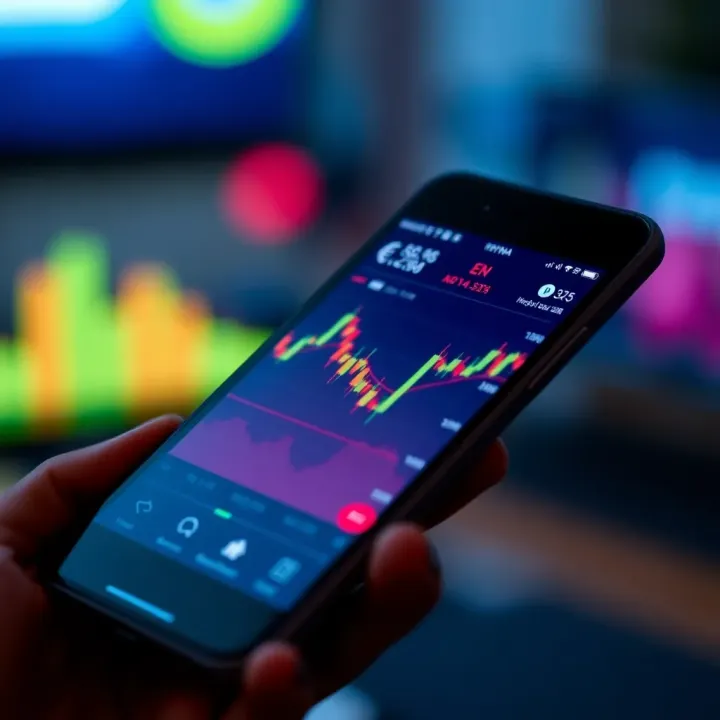
Learn how to trade forex safely in Kenya using M-Pesa for quick deposits and withdrawals. Discover trusted platforms, legal tips, and practical steps to grow your KSh wallet! 📈💰
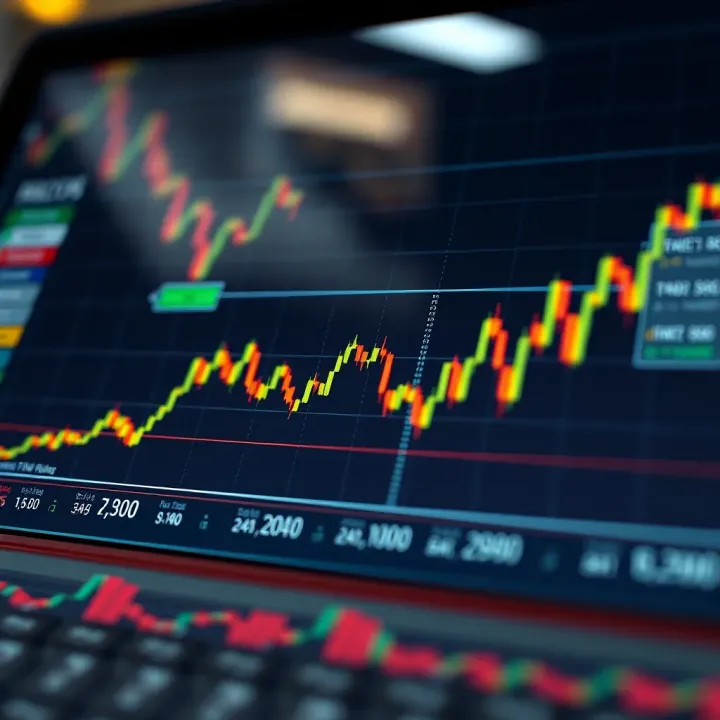
💹 Learn how to trade forex online safely in Kenya. Discover trusted platforms, payment methods like M-Pesa, risk tips, and local regulations to boost your trading skills.
Based on 13 reviews