

Understanding Maven Trading for Kenyan Investors
📈 Discover Maven Trading's role in Kenya's markets, its tools, risks, and rewards. Gain practical tips for savvy investing with local insight and KSh considerations.
Edited By
Laura Wilkinson
FX Pesa stands out as a key player in Kenya's foreign exchange sector, bridging the gap between global currencies and local needs. Whether you're a trader moving large sums or a business paying for imports, the ability to exchange currency efficiently is essential.
Unlike traditional banks, FX Pesa offers flexible services tailored for both individuals and businesses, providing competitive rates and quicker turnaround times. It's especially useful in a market where exchange rates can fluctuate sharply, impacting costs and returns.
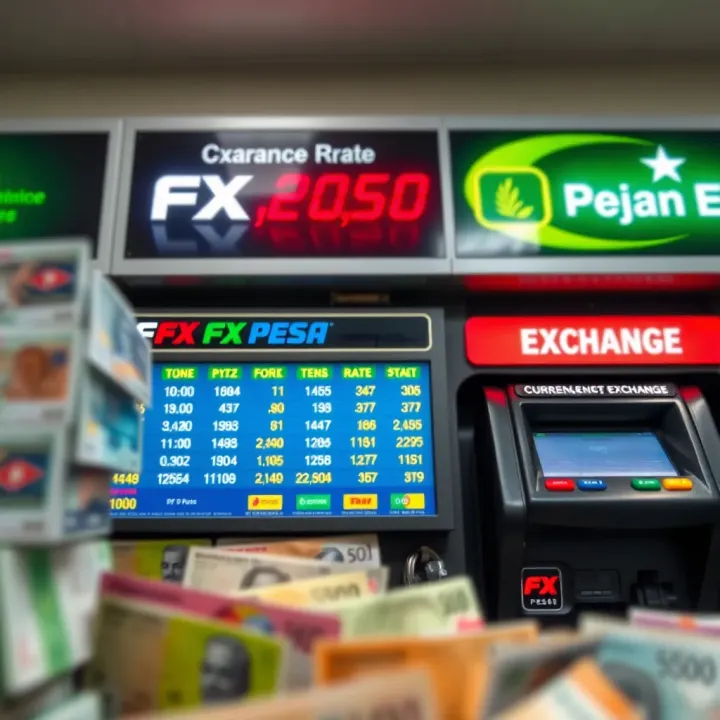
Kenyan businesses and investors rely on FX Pesa to manage currency risks and tap into the best available foreign exchange rates.
The platform operates within a clear regulatory framework governed by the Central Bank of Kenya (CBK) and is monitored closely to protect users from fraud and unfair practices. Transparency in fees and rates helps users make informed choices without being caught out by hidden charges.
Here’s what to expect from FX Pesa services:
Real-time currency exchange tailored to market movements
Support for major currencies like the US dollar, euro, and British pound
Fast processing times for both individual travellers and corporate deals
Compliance with Kenyan laws, ensuring secure and legitimate transactions
For example, a small business importing electronics can use FX Pesa to convert KSh into US dollars at rates close to market value, avoiding the usual bank delays. Similarly, traders use it to minimise losses caused by fluctuating exchange rates during payment settlements.
The appeal of FX Pesa lies in its combination of convenience, transparency, and competitive pricing, making it a wise choice for anyone involved in currency exchanges within or outside Kenya. Staying informed about how FX Pesa compares with other options, including banks, bureau de changes, and mobile money providers, helps you pick the best service for your needs.
In the next parts, we'll unravel how FX Pesa manages these services, its benefits, the regulatory landscape, and practical advice on using it effectively in Kenya's evolving foreign exchange market.
Understanding FX Pesa’s role in Kenya’s foreign exchange market provides clarity for traders, investors, and finance professionals looking to navigate currency needs efficiently. FX Pesa caters to individuals and businesses alike, making it an accessible gateway to multiple foreign currencies with practical services, both physical and digital. These features crucially support trade, travel, and investment activities in the country.
FX Pesa handles a broad range of currencies, primarily the US dollar (USD), Euro (EUR), British pound (GBP), and regional East African currencies like the Tanzanian shilling (TZS) or Ugandan shilling (UGX). This range suits most needs, whether for Kenyan travellers booking flights abroad or SMEs importing goods. For example, a Nairobi-based trader dealing with suppliers in Dubai may easily acquire UAE dirhams through FX Pesa’s network, facilitating smoother transactions.
Individuals benefit from quick currency exchange services for personal travel, education, or remittances. On the other hand, businesses—especially SMEs and jua kali operators—can access foreign currency needed to pay suppliers or expatriate workers. FX Pesa often combines currency exchange with advisory on market trends, helping customers time their transactions better.
Transactions at FX Pesa are diverse: customers can visit physical outlets in urban centres or interact digitally through mobile apps and websites. Digital options are particularly handy for businesses in counties where physical bureaux are limited. A buyer in Kisumu can place currency orders online and receive deliveries or pick up cash at a nearby kiosk, which is paired with digital payment methods including M-Pesa and bank transfers.
Unlike banks, which often have stricter requirements and slower processes, FX Pesa offers faster turnarounds and competitive rates tailored for smaller, frequent transactions. When compared to bureaux de change, FX Pesa’s digital presence improves convenience and reach. This makes it a flexible alternative for customers who want speed without visiting a bank branch.
FX Pesa’s network extends beyond Nairobi and Mombasa, covering many counties through partnerships with local kiosks and agents. This wide coverage supports Kenyans in places like Eldoret or Nakuru who may find foreign currency less accessible. Providing digital platforms also bridges gaps for remote users, ensuring they can order and receive FX Pesa services without travelling far.
FX Pesa plays a significant supporting role by combining the reliability of physical bureaux with the speed of digital platforms — bringing flexible foreign currency services closer to Kenyans nationwide.
Using FX Pesa effectively means understanding its practical steps and applying smart strategies to get the best value when exchanging foreign currency. Whether you are a trader needing dollars for imports or a finance professional managing investments, mastering the process and timing can save you money and reduce risks.
Before you start exchanging currency with FX Pesa, you need to register and complete a verification process. This is a one-time requirement to comply with Central Bank of Kenya (CBK) regulations aimed at preventing fraud and money laundering. You'll provide identification documents such as your national ID or passport and may need to submit proof of address depending on transaction size.
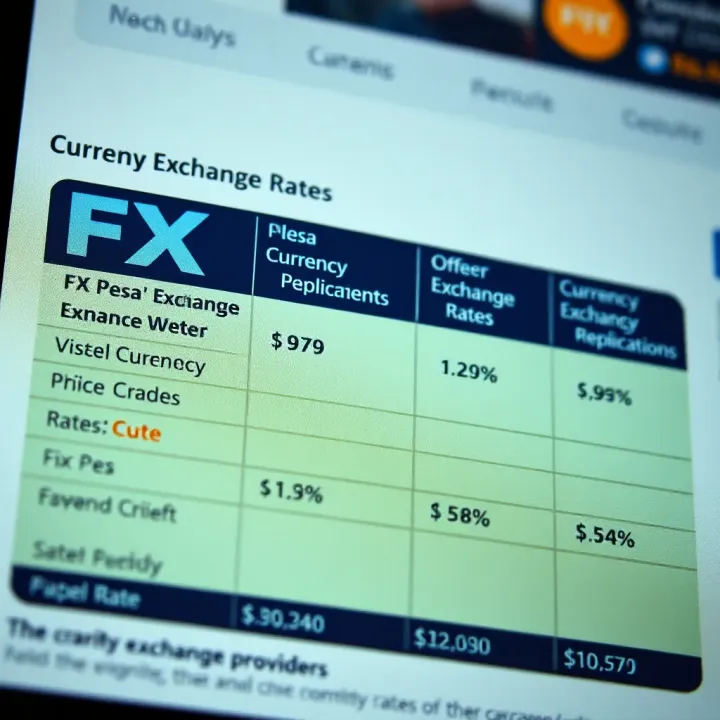
This process ensures the platform operates securely and helps build trust between clients and FX Pesa. For instance, a business owner importing electronics will find the registration straightforward and essential to handle higher transaction volumes smoothly.
Once registered, placing an order with FX Pesa is straightforward. You select the currency, specify the amount, and place your order online or at a physical point. For example, if you want US dollars for an upcoming trip or business payment, you can arrange for either physical cash pick-up or have the amount delivered to your account.
Receiving the currency may involve cash collection at an FX Pesa branch, bank deposit, or mobile money transfer depending on your preference. This flexibility is particularly practical for people outside Nairobi who may want the money delivered directly to their bank or M-Pesa wallet.
FX Pesa accepts several payment methods, giving you convenience and secure transaction options. M-Pesa is widely used since it allows instant payment from your mobile phone without visiting a bank. For larger transactions, bank transfers through KCB, Equity Bank, or Co-operative Bank provide a reliable method.
Using mobile money means you can confirm payments quickly, speeding up the transaction compared to cash payments. For example, a trader paying suppliers in dollars can clear payments promptly using M-Pesa, avoiding delays from queuing at bank branches.
Keeping an eye on currency rates is crucial when using FX Pesa. Rates fluctuate daily, influenced by factors like CBK policy, demand-supply dynamics, and global markets. Monitoring rates helps you spot when the Kenyan shilling is strong or weak.
For example, if you want to send money to a relative in the US, checking rates over a week or two helps you exchange at a favourable rate, avoiding loss from sudden drops. FX Pesa usually updates rates regularly, so staying informed pays off.
Timing impacts how much value you get from FX Pesa services. Exchange rates often move during CBK policy announcements or major international events. If you can plan your transaction away from volatile periods, you generally get better rates.
Also, weekdays see more market activity than weekends when rates might be less favourable. For instance, delaying a transfer until after the short rains harvest season could improve your buying power as the shilling often strengthens then.
Charges vary depending on transaction size, payment methods, and the currency involved. FX Pesa clearly outlines commission fees and whether they are included in the displayed rates or added separately. Knowing these details avoids surprises.
Always ask if there are extra charges for withdrawing physical cash versus receiving money through M-Pesa. Some clients have saved significant amounts by choosing the delivery method with the least costs. In practice, understanding fees helps you compare FX Pesa to banks or bureaux de change effectively.
Paying attention to registration, transaction steps, rates, and fees ensures you use FX Pesa services smoothly, maximising value and avoiding common pitfalls.
Using these strategies makes currency exchange less daunting and helps you manage foreign exchange like a pro within Kenya's dynamic market.
Understanding the rules and safety protocols behind FX Pesa services helps you transact with confidence. In Kenya, foreign exchange providers operate within a framework set out to protect clients from fraud, money laundering, and financial risks. This section dives into the key regulatory bodies and security practices that keep FX Pesa reliable for traders, investors, and businesses alike.
The Central Bank of Kenya (CBK) regulates all forex-related operations to maintain market stability and protect consumers. CBK sets the rules FX Pesa providers must follow and supervises their activities to ensure they meet legal standards. For example, CBK’s monitoring prevents FX firms from offering unfairly low rates or engaging in risky practices that could destabilise the foreign exchange market.
FX Pesa services must hold valid licences issued by CBK, confirming they meet capital requirements and operational standards. This licensing prevents unregistered operators from running scams or illegal services. Licensed providers are subject to periodic audits and must report suspicious transactions, which elevates market integrity and offers you peace of mind when choosing a trusted FX Pesa platform.
Providers are compelled to carry out strict KYC checks, requiring client identification before processing foreign currency transactions. This step weeds out illicit activities and ensures compliance with Anti-Money Laundering (AML) laws. Through KYC, FX Pesa platforms confirm your identity, making it tough for fraudsters to exploit the system or use your details unlawfully.
Before transacting, confirm that the FX Pesa operator or platform is registered with CBK and appears on their approved list. This verification guards you against fraudsters who pose as legitimate dealers. For example, if you spot a website claiming FX Pesa services but it lacks clear licensing information, it’s wiser to steer clear.
Scammers often lure clients with unrealistic exchange rates or urgent transaction demands. They may also impersonate official FX Pesa agents or send fake payment receipts. To stay safe, always verify offers, avoid sharing PINs or passwords, and don't rush into transactions before confirming the legitimacy of the operator. Keep an eye out for red flags such as pressure tactics or demands for upfront fees.
When using FX Pesa services, avoid sending sensitive details like ID numbers, phone PINs, or passwords through unencrypted channels, especially WhatsApp or SMS. Use platforms with secure interfaces and, where possible, two-factor authentication. Protecting your data helps prevent identity theft and financial loss.
Always prioritise using fully licensed FX Pesa providers following KYC and AML rules to shield yourself from scams and ensure your currency exchange transactions are securely conducted.
Transacting with FX Pesa is safer when you know the regulations and keep alert against suspicious activity. Kenyan authorities like CBK provide a safety net, but your vigilance contributes greatly to safeguarding your hard-earned money.
Comparing FX Pesa with other foreign exchange options is essential for anyone dealing with currency conversion in Kenya. Different providers offer varying speeds, convenience, rates, and currencies, so knowing these differences helps traders, investors, and finance professionals make smarter choices. FX Pesa stands out in some areas but knowing the alternatives can influence your decisions, whether you are conducting cross-border business or managing travel funds.
Speed and convenience play a big role when choosing between FX Pesa and bank forex services. FX Pesa tends to offer quicker services because it operates with flexible digital platforms and mobile integration, such as M-Pesa payments. Banks, on the other hand, often have longer processing times due to stricter internal controls and operational bureaucracy. For instance, where FX Pesa might complete a currency exchange within minutes through its app or agent network, a bank might take a few hours or even a day, especially if large amounts need verification.
Moreover, FX Pesa provides access through mobile services or local agents, making it easier for people in less urbanised counties to access foreign currency. Banks still dominate in bigger towns but may be less accessible elsewhere. Convenience is key for those needing fast turnaround for urgent business payments or travel.
Exchange rates offered by FX Pesa often differ from those in banks. Typically, banks provide rates that are closer to interbank rates but might come with higher fees and commissions bundled into the cost. FX Pesa may offer competitive rates directly in its digital platform, and sometimes better than bureaux de change, especially when factoring in convenience and lower fees. For traders, slight differences in rates matter because they affect overall profit margins or costs; thus, monitoring rates between FX Pesa and banks can save or cost you thousands of shillings depending on amounts exchanged.
Availability of currencies also varies. Banks usually stock a wider variety of foreign currencies, especially major ones like US dollars, euros, British pounds, and some others. FX Pesa, being a digital-first service, focuses on the most traded currencies but may not have some exotic or less common denominations readily available. This matters if your business requires currency like South African rand or Chinese yuan that might not be so common. Knowing which provider covers your required currency can avoid unnecessary delays or multiple transactions.
Bureaux de change provide a traditional option widely spread across urban centres in Kenya. Their main benefit lies in physical presence where you can walk in and get cash immediately, handy for travellers or those who dislike digital transactions. However, drawbacks include limited opening hours and sometimes inconsistent rates between outlets. In contrast, online platforms like FX Pesa offer 24/7 service and digital convenience but rely on cash-out options or agents, which may not be immediate everywhere.
When it comes to costs, bureaux de change might charge higher commissions or offer less favourable rates compared to FX Pesa and bank forex. Online platforms often have transparent fee structures and competitive rates due to lower overheads. For example, exchanging KSh 100,000 at a busy Nairobi bureau might attract a 2% commission plus a less competitive rate, whereas FX Pesa’s digital platform might charge 0.5-1% with better rates.
User experience and trust vary greatly across these options. Banks are generally trusted but slower; bureaux de change feel personal but can lack transparency. FX Pesa, with its regulated digital system, offers convenience and traceability, which matters when operating at scale or under regulatory scrutiny. That said, some users may remain wary of new platforms and prefer established physical outlets. Building trust in fintech like FX Pesa depends on clear communication, reliable service, and continued regulatory oversight.
Knowing the strengths and weaknesses of FX Pesa compared to banks and bureaux de change lets you pick the foreign exchange option that fits your specific needs, whether it's speed, cost savings, or currency availability.
In summary, FX Pesa offers a strong alternative for modern currency exchange needs in Kenya, particularly on speed and convenience. However, banks and bureaux de change still serve crucial roles, especially where currency variety or physical cash is essential. By weighing these factors carefully, Kenyan investors and businesspersons can optimise foreign exchange for better financial outcomes.
When dealing with foreign exchange through FX Pesa, Kenyans need to understand practical matters that affect their everyday use and business operations. This includes knowing when it's best to use FX Pesa for travel or trade, alongside how it supports the country’s SMEs and jua kali sector. These considerations help maximise benefits while navigating Kenya’s currency rules and market fluctuations.
Travel requirements and currency regulations play a key role in deciding when to use FX Pesa. For Kenyans planning trips abroad, some countries demand limited amounts of foreign currency upon arrival or have strict reporting rules. FX Pesa offers a convenient way to acquire foreign notes or e-currency compliant with these regulations, avoiding delays commonly experienced at banks. For example, travellers heading to South Africa or the UK can get their Pounds or Rand hassle-free through FX Pesa’s digital services, helping them meet CBK’s export currency limits easily.
In terms of cross-border trade and remittances, FX Pesa smooths transactions by providing timely access to foreign currency needed for imports or paying suppliers outside Kenya. SMEs involved in importing electronics or raw materials can rely on FX Pesa to manage payments in US dollars or Euros, especially when suppliers don’t accept local currency. On the remittance front, Kenyans working in neighbouring countries like Uganda or Tanzania can send money home or pay for goods, sidestepping costly bank charges and delays.
Managing currency risk is another practical angle to consider. FX rates fluctuate daily, sometimes sharply. FX Pesa users can monitor rates via their platform and decide when to transact in order to gain better value. For example, a trader importing goods can buy dollars in stages rather than all at once to avoid losses when the shilling weakens. This flexibility is especially useful given Kenya’s exposure to dollar sensitivity in its economy.
In funding imports and payments, small business owners and jua kali artisans often face hurdles accessing foreign currency fast. FX Pesa bridges this gap by providing near-instant purchase of needed currencies without complex bank procedures. For instance, a boda boda spare parts dealer sourcing from China can get US dollars on FX Pesa quickly to complete payment, keeping stock flowing smoothly.
Regarding access to foreign currency for business, many SMEs struggle to keep stable forex due to central bank limits and banking formalities. FX Pesa eases this by combining digital solutions with mobile money integration, allowing businesses to hold and use foreign currency accounts digitally, reducing dependence on physical dollars and costly cash handling.
Integration with mobile money services like M-Pesa is a major boon. Most traders in Kenya already use mobile wallets, so being able to fund FX Pesa transactions or receive payments via M-Pesa makes managing forex simple and localised. This eliminates the need to queue at banks or bureaux while allowing transactions to happen anytime, even from remote areas without physical branches.
Choosing FX Pesa is not just about rates; it’s a practical tool that supports Kenyan economic activities by aligning with travel rules, trade needs, and local business setups. This makes it an increasingly popular option for well-informed users navigating the complex forex environment.
📈 Discover Maven Trading's role in Kenya's markets, its tools, risks, and rewards. Gain practical tips for savvy investing with local insight and KSh considerations.
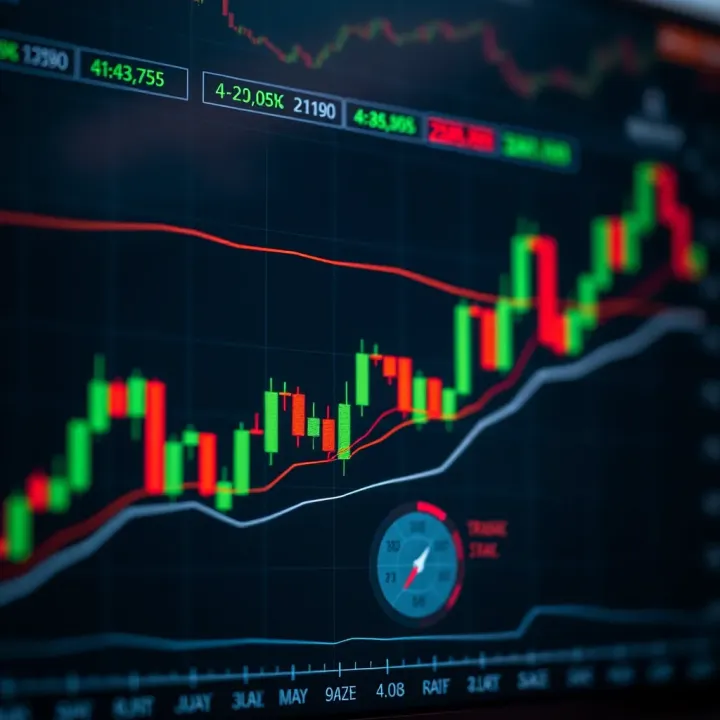
📈 Learn how to use trading charts to spot market trends in Kenya. Understand chart types, key indicators, and avoid common errors for better trading decisions. 🇰🇪
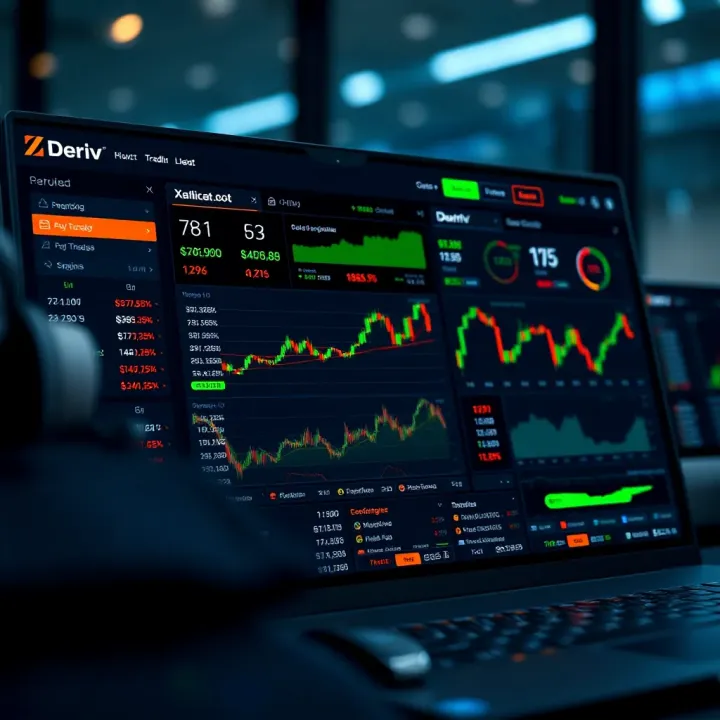
📈 Dive into Deriv trading with this clear guide for Kenyan traders. Learn platforms, trade types, strategies, risks, and regulatory tips for smart decisions.
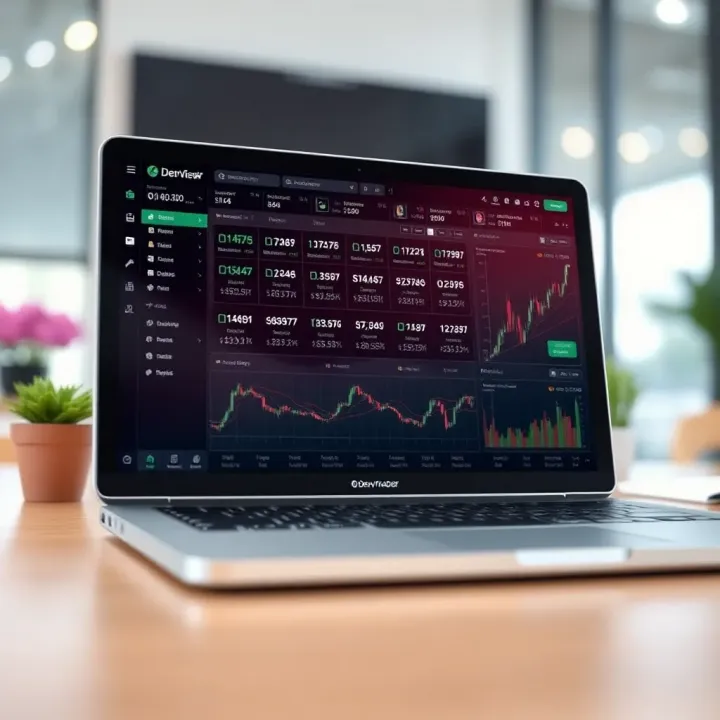
Explore Deriv Trader in Kenya 🇰🇪! Learn how the platform works, key features, market options, plus tips on starting and managing trading risks.
Based on 11 reviews