

Understanding Maven Trading for Kenyan Investors
📈 Discover Maven Trading's role in Kenya's markets, its tools, risks, and rewards. Gain practical tips for savvy investing with local insight and KSh considerations.
Edited By
Sophie Bennett
Instant funding refers to the quick access to money, often within minutes, without the traditional delays associated with bank loans or other credit facilities. In Kenya, the rise of digital platforms like M-Pesa, Tala, Branch, and other fintech solutions has made instant funding a common financial tool for individuals and businesses alike.
For traders and investors, instant funding means the difference between seizing a fleeting business opportunity and missing out. Instead of waiting for days to secure credit approval or fund transfers, users can now obtain short-term loans or advances directly on their phones. This immediacy suits Nairobi’s fast-paced markets and Kenya's dynamic hustler economy, where cash flow can change quickly.

Traditional banks have not always served the urgent credit needs of small businesses or casual traders due to lengthy processes and strict requirements. Instant funding platforms fill this gap by providing microloans or advances using mobile data, payment histories, and even AI-driven credit scoring. For instance, a jua kali artisan might access KSh 5,000 to buy raw materials and repay within a month through M-Pesa, all without visiting a physical bank.
Instant funding shifts financial access from formal institutions to digital convenience, empowering users to manage unexpected expenses or scale operations faster.
Among common sources of instant funding in Kenya are:
Mobile money providers offering 'buy now, pay later' options.
Digital lenders using smartphone apps to assess credit risk.
Local SACCOs (Savings and Credit Cooperative Organisations) with streamlined disbursement.
Key advantages include rapid turnaround, ease of application, and minimal paperwork. However, risks such as high interest rates, over-borrowing, and scams require careful attention.
Kenyans use instant funding for a broad range of needs, from restocking shop inventories to covering urgent school fees. For investors and brokers, understanding these platforms helps in assessing borrower behaviour and market liquidity.
In the next sections, we will explore how instant funding works in detail, its sources, practical use cases in Kenya, and how to navigate its risks responsibly.
Instant funding has become a vital part of Kenya's financial ecosystem, especially for traders, investors, and finance professionals who often need fast cash to seize opportunities or manage urgent expenses. Essentially, instant funding refers to the quick provision of money, usually within minutes or hours, without the traditional delays associated with bank loans. This speed can make the difference between catching a market opportunity and missing out.
In Kenya, instant funding mostly relies on digital solutions tailored to the fast-paced hustler economy and growing fintech adoption. Mobile money platforms, digital lenders, and bank-backed credit products now offer quick loans and advances, often without the red tape typical of conventional borrowing. These products cater to a range of people—from street vendors looking for stock to buy, to investors needing bridge capital for short-term deals.
Importantly, instant funding in Kenya is shaped by factors like widespread mobile phone use, informal credit networks, and limited access to traditional bank credit for many. The ability to access cash rapidly via mobile apps or connected wallets has fundamentally changed how businesses and individuals manage liquidity.
Most instant funding options depend heavily on digital platforms with automated decision engines. When a user applies for a loan through an app, algorithms instantly assess their eligibility by analysing data—including past transactions, mobile money usage, and repayment history—without manual intervention. This automation cuts down loan processing times from days to minutes, which is crucial for hectic business environments.
For example, a trader in Gikambura could apply for a KSh 10,000 loan via a digital app and receive approval almost instantly, enabling them to restock perishables quickly before they spoil.
M-Pesa acts as the backbone of instant funding in Kenya. Its wide adoption means funds can move swiftly between users and financial service providers. Many instant loans are integrated directly with M-Pesa wallets, simplifying disbursement and repayment.
This linkage ensures that when a user takes a loan, the money lands directly in their M-Pesa account, accessible immediately to pay suppliers, buy materials, or settle bills. The ease of repayment through M-Pesa also reduces default risks and speeds up credit circulation within the economy.
While digital platforms and M-Pesa play large roles, banks also participate by providing instant loans through digital banking channels backed by electronic credit scoring. Banks increasingly use alternative data—such as utility payments, mobile money transactions, and business records—to assess creditworthiness quickly.
This shift has allowed a broader segment of Kenyans to qualify for loans they previously couldn’t access easily. For instance, KCB and Equity Bank offer quick loan products that leverage digital scores, enabling clients to secure funds without popping into a branch or producing extensive paperwork.
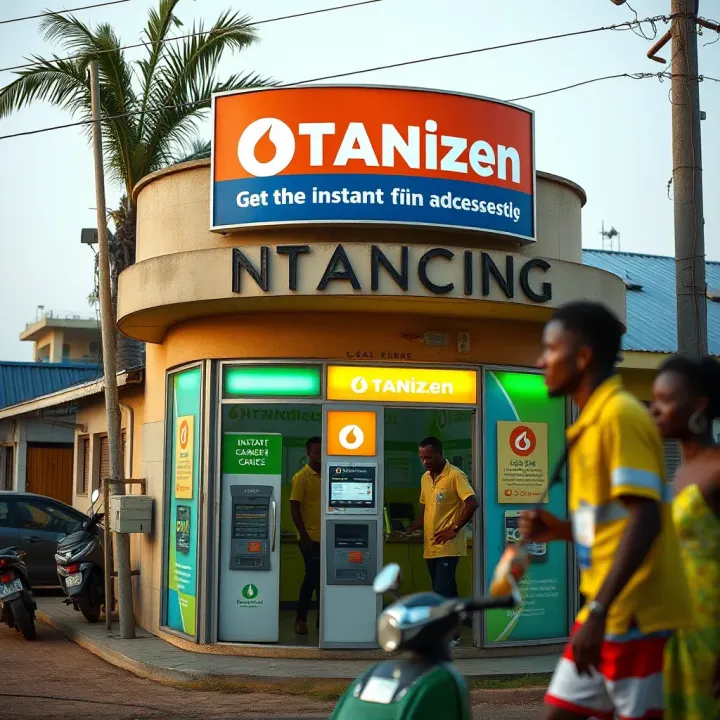
Instant funding blends technology, mobile money, and innovative credit scoring to provide rapid cash access, shaping Kenya’s dynamic financial scene today.
Access to instant funding in Kenya is shaped by several prominent financial avenues tailored to meet urgent cash needs. Among these, mobile money loans, bank personal loans, microfinance, and digital lending apps stand out. Each source offers distinct benefits and considerations, reflecting Kenya’s vibrant financial ecosystem.
Safaricom’s Fuliza overdraft is one of the most notable instant funding options in Kenya. It allows M-Pesa users to complete transactions even when their wallets are empty by providing a short-term overdraft facility. This service is widely used for everyday needs like paying bills or topping up airtime, and its automatic approval based on user transaction history makes it convenient for many Kenyans. Fuliza’s integration within M-Pesa means the funds are accessible immediately, which can be a lifesaver during emergencies.
Other M-Pesa loan offerings extend beyond Fuliza, as M-Shwari and KCB M-Pesa provide microloans through the mobile platform, targeting savings and credit needs. These loans typically come with affordable interest rates relative to traditional lenders and offer flexibility in repayment schedules. The simple application process through a phone menu or USSD code means even users in remote areas can access instant credit without visiting a bank branch.
Kenyan banks have responded to demand for quick loans by offering personal loan products that promise fast approval and disbursal. For example, Equity Bank’s Eazzy Loan and KCB’s Quick Loan use automated credit scoring systems leveraging mobile money data. These products suit salaried individuals and business owners needing turnaround funds, with loan amounts and repayment terms tailored to client profiles.
Microfinance institutions (MFIs) and savings groups also play a critical role in extending instant funding, especially in rural or underserved areas. SACCOs (Savings and Credit Cooperative Organisations) allow members to borrow against their savings with relatively low interest rates. Community-based groups like chama provide social collateral, enabling access to funds that might not be available through formal banks. These sources enhance financial inclusion, supporting small businesses and family needs.
Digital lenders such as Tala, Branch, and Okash have grown rapidly in Kenya, offering small, short-duration loans through mobile apps. They rely on alternative data like phone usage and social network activity to assess creditworthiness. This model benefits those without formal financial histories by enabling access to credit beyond traditional collateral requirements.
However, there are risks associated with payday loans. These products often carry high interest rates and fees, which can lead to escalating debt if borrowers struggle to repay quickly. Some digital lenders may have aggressive collection practices, and the lack of regulatory oversight for certain apps raises concerns about data privacy and transparency. Thus, while convenient, payday loans require cautious use to avoid debt traps.
Instant funding options in Kenya offer remarkable convenience but must be chosen carefully to balance speed with responsible borrowing.
Instant funding has become a vital tool in Kenya’s financial landscape, especially given how quickly needs arise and cash flows can fluctuate. Understanding its advantages helps traders, investors, and finance professionals see why this service has gained traction beyond just emergency cash. It offers speed, practical solutions for small businesses, and alternative credit options, all of which affect everyday economic activities.
When an urgent expense crops up—be it a medical bill, urgent school fees, or fixing a boda boda—instant funding provides almost immediate access to cash. Compared to traditional bank loans that can take days or even weeks to process, digital lending platforms or mobile money overdrafts offer fast approval and disbursement, often within minutes. This quick turnaround can be the difference between solving a crisis or letting it escalate.
Managing cash flow: Small-scale traders and hustlers deal with uncertain daily earnings. Instant funding helps them smooth out these ups and downs by filling temporary cash gaps. For example, a maize seller in Kisumu might get a quick loan to restock on a day when cash sales are strong, preventing missed sales opportunities. This kind of financial cushion helps sustain operations without tying up future earnings in long-term debt.
Seizing time-sensitive opportunities: Opportunities do not wait, especially in Kenya’s dynamic markets. Instant funding allows small business owners to act fast—such as buying discounted bulk goods or responding to a sudden spike in demand during festive seasons. Consider a jua kali artisan who spots an order needing immediate materials; quick access to funds ensures they don’t lose the contract because of delayed payments.
Lower paperwork and faster approval: Traditional loans often come with lengthy application forms and collateral requirements that many cannot meet. Instant funding platforms typically require minimal documentation, leveraging digital records like M-Pesa transaction history to make quick credit decisions. This reduces barriers and shortens approval time, making credit more accessible for the average Kenyan.
Digital financial inclusion benefits: Many Kenyans remain outside formal banking due to distance or documentation challenges. Digital lenders and mobile money services bridge this gap by offering accessible loans through mobile phones. This inclusion fosters wider economic participation—enabling more people to invest in businesses, education, or emergencies without the hassle of physical bank visits.
Instant funding empowers many Kenyans by providing fast, practical access to cash, especially in situations where traditional credit falls short. It plays a growing role in bolstering livelihoods, supporting small businesses, and expanding financial access.
Overall, the advantages of instant funding lie in how it fits into the fast-paced and sometimes unpredictable Kenyan economy. While it’s not a perfect solution, it offers valuable tools for managing cash needs, seizing opportunities, and breaking down credit barriers.
Instant funding brings undeniable convenience, but it also carries risks that traders, investors, and finance professionals must weigh carefully. Understanding these downsides helps avoid financial pitfalls and ensure responsible borrowing.
One of the biggest concerns with instant funding in Kenya is the high cost. Many digital lenders and payday loan providers charge interest rates far above those of traditional banks. For instance, loans accessed via popular apps may come with monthly interest exceeding 10%, along with processing fees and penalties for late payments. These charges can quickly inflate the repayment amount, making it tougher for borrowers to clear debt on time. Knowing the exact costs upfront and comparing offers can save significant sums.
Quick access to funds sometimes tempts borrowers to take on more credit than they can handle, leading to a debt cycle. This happens when a borrower rolls over loans or takes multiple mini-loans without sufficient income to repay them comfortably. Particularly for small business owners or hustlers balancing irregular income streams, this cycle can escalate fast and damage creditworthiness. Avoiding borrowing beyond actual needs and sticking to realistic repayment plans is vital to break out of such debt traps.
Most instant funding platforms in Kenya require access to significant personal information, including identity documents, phone contacts, financial transaction histories, and sometimes social media data. This information helps lenders assess credit risk quickly but raises questions about data privacy. For example, a loan app requesting excessive permissions on your mobile device could expose you to data misuse or unauthorized sharing. Practically, borrowers should review a lender’s privacy policies, use platforms licensed by the Capital Markets Authority (CMA), and limit app permissions to what is necessary.
Fraud remains a notable threat in the digital lending space. Scammers often impersonate official lenders, sending fake loan offers via SMS or WhatsApp that demand upfront fees or personal details. Victims might lose money or become targets for identity theft. To stay safe, Kenyans should verify lenders through official channels like CMA and avoid providing sensitive details to unverified sources. Also, keeping mobile and internet security updated and being cautious of unsolicited loan offers helps reduce exposure to scams.
Careful consideration of these risks can protect your financial health and help you use instant funding as a useful tool rather than a financial burden.
Using instant funding wisely is key to benefiting from its convenience without falling into financial trouble. Responsible use safeguards your financial health and builds trust with lenders, especially in Kenya’s dynamic market where borrower profiles can change quickly.
Start by figuring out exactly why you need instant funds. Is it a genuine emergency like medical bills or urgent business stock replenishment? Avoid borrowing simply because funds are easy to access. For example, a small retailer in Nakuru might need quick cash to buy supplies before a festival, while unnecessary borrowing for small, non-urgent luxuries may lead to trouble. Being honest about your real needs helps prevent overborrowing and assures that repayment is manageable.
Don’t settle for the first loan offer you get. Compare interest rates, fees, repayment periods, and penalties across various lenders. Digital lending apps and banks differ widely; some charge higher interest but offer more flexible repayment. For instance, loans from some microfinance institutions might have lower rates but stricter repayment schedules. Reading the fine print ensures you understand what you owe and avoid surprises, especially on hidden fees or late-payment penalties.
Repayment plans must be realistic and prioritised before borrowing. Calculate your income sources and other expenses to confirm you can meet monthly instalments without sacrificing essentials like rent or school fees. Let’s say you borrowed KS0,000 at a 10% monthly rate; missing payments could snowball your debt quickly. Having a clear repayment strategy avoids slipping into cycles of high-interest debt that become hard to clear.
The Capital Markets Authority (CMA) in Kenya regulates financial services, including some digital lenders. Confirm that your lender is licensed by the CMA before signing up. Licensed providers follow regulated interest rates and adhere to consumer protection policies, offering more security. For example, a CMA-approved lender will typically provide clear loan terms and receive oversight to prevent exploitative practices.
Unlicensed digital lenders pose serious risks like exorbitant interest rates, data misuse, and aggressive debt collection tactics. Borrowing from such sources may lead to harassment or loss of personal data without recourse. Kenyans have reported receiving threatening calls or messages from unregulated lenders. Cross-check licensing status via CMA’s official listings or trusted financial advisers to steer clear of risky providers.
Responsible borrowing is about protecting your current and future financial wellbeing. Taking time to assess needs, understand loan terms, plan repayments, and choose licensed lenders can save from costly mistakes.
By following practical advice, Kenyans can use instant funding as a useful tool rather than a financial burden.
📈 Discover Maven Trading's role in Kenya's markets, its tools, risks, and rewards. Gain practical tips for savvy investing with local insight and KSh considerations.

📈 Learn how to use trading charts to spot market trends in Kenya. Understand chart types, key indicators, and avoid common errors for better trading decisions. 🇰🇪
📈 Dive into Deriv trading with this clear guide for Kenyan traders. Learn platforms, trade types, strategies, risks, and regulatory tips for smart decisions.

Explore Deriv Trader in Kenya 🇰🇪! Learn how the platform works, key features, market options, plus tips on starting and managing trading risks.
Based on 8 reviews