

Understanding QXBroker for Kenyan Traders
Discover QXBroker’s key features for Kenyan traders 📊, including account types, payment options like M-Pesa, trading conditions, & reliable support to boost your trading.
Edited By
Daniel Brooks
QX Broker has attracted many Kenyan traders searching for accessible and reliable trading platforms. It offers a variety of services that cater to both beginners and more experienced investors in Kenya’s growing trading market.
This broker provides access to forex, commodities, indices, and cryptocurrencies, making it versatile for those looking to diversify portfolios beyond traditional equities. Kenyan traders often seek brokers that combine affordability with effective trading tools, and QX Broker aims to meet these needs.

The platform features several account types, each tailored to different trading volumes and experience levels. For example, entry-level accounts require modest minimum deposits, allowing new traders to start with lower risk. Meanwhile, advanced accounts offer tighter spreads and additional features like personal account managers, suitable for more active traders or professionals.
Regulation is a key concern for Kenyan investors. QX Broker is licensed by the Vanuatu Financial Services Commission (VFSC). While not regulated locally by bodies like the Capital Markets Authority (CMA) Kenya, the VFSC license implies a level of oversight that adds some trustworthiness. However, traders are advised to weigh this against brokers regulated in more stringent jurisdictions.
Trading platforms include the popular MetaTrader 4 (MT4), which offers charting tools, automated trading (Expert Advisors), and mobile compatibility—essential for Kenyan traders on the move, using mobile data or Wi-Fi across cities like Nairobi or Mombasa.
Fees are generally competitive; spreads start from 1.2 pips on major currency pairs. There are no commissions on most account types, but inactivity fees may apply after long periods without trading. These details matter because hidden fees can erode profits unexpectedly.
Customer support is responsive, with live chat and email options available during Kenyan business hours. Local language support, however, is limited, which can be a consideration for some users.
For Kenyan traders, the crucial aspects to assess with QX Broker are regulation status, account costs, and platform usability—these determine if it fits your trading goals and risk appetite.
Understanding these elements helps Kenyan investors decide if QX Broker is a good match for their trading ambitions and whether the services align with market conditions at home.
Understanding QX Broker is key for Kenyan traders who want a reliable platform to engage in forex, commodities, and indices trading. This section sets the stage by explaining what QX Broker offers and how it fits into Kenya’s growing trading scene. With many brokers vying for attention, recognising QX Broker’s unique position helps traders make better choices tailored to their needs.
QX Broker provides an online trading platform that focuses on accessibility and ease of use. It supports multiple account types to accommodate beginners and professional traders alike. For example, its Standard and Premium accounts offer varied spreads and leverage options, allowing users to pick what suits their risk appetite and capital.
The platform supports popular trading interfaces like MetaTrader 4 and 5, widely trusted for their analytical tools and user-friendly design. This means Kenyan traders can access familiar features such as custom indicators and automated trading bots (Expert Advisors), which can improve trading efficiency. Plus, QX Broker offers a demo account where new traders can practise without risking real money, a practical way to build confidence.
Kenya’s trading environment is evolving, with more individuals using mobile money like M-Pesa to invest and trade online. QX Broker’s integration with mobile payment methods aligns well with this trend, making deposits and withdrawals more convenient for Kenyan users. This local adaptation is critical because it lowers barriers to entry for many people outside Nairobi who might not have access to international bank transfers.
Additionally, QX Broker competes alongside both established local brokers and international platforms entering the Kenyan market. Its mix of global trading tools and local payment solutions positions it as a hybrid option, appealing especially to traders who want global market access without complicated payment processes.
When choosing a broker in Kenya, consider platforms that not only offer robust tools but also understand the local financial ecosystem. QX Broker’s approach reflects this balance.
Overall, this introduction lays the foundation for deeper discussions about QX Broker’s regulation, fees, and support services later in the article. It also highlights why Kenyan traders might find this broker relevant in their day-to-day trading activities.
When looking at a trading platform like QX Broker, regulation and security stand out as critical concerns, especially for Kenyan traders dealing with their hard-earned money. Reliable regulation ensures the broker operates within defined legal frameworks, reducing risks of malpractice or fraud. Meanwhile, strong security measures protect client funds and sensitive data from cyber threats, which have become a growing worry across digital financial services.
QX Broker is licensed under well-known regulatory bodies, which adds a layer of trust for traders in Kenya. For instance, it holds authorisation from the Cyprus Securities and Exchange Commission (CySEC), a reputable regulator in Europe. This licence means QX Broker must comply with strict guidelines on transparency and client protection, including regular financial audits and minimum capital requirements.
This regulatory status is significant because it obliges QX Broker to segregate client funds from operational capital. Such segregation prevents the broker from using customer deposits for its business expenses, offering a safety net if the broker experiences financial challenges. Kenyan traders benefit from this because it provides a degree of security not always present in unregulated platforms.
In addition to regulatory compliance, QX Broker implements several practical security measures to safeguard client funds and personal data. Client deposits are typically held in top-tier banks, often in separate accounts from the broker’s operational funds. This arrangement reduces the risk of losing money if the brokerage runs into trouble.
On the technology front, QX Broker uses encryption protocols such as SSL (Secure Socket Layer) to protect data transferred between traders and the platform. This prevents unauthorised access to login details or financial information. Moreover, many brokers like QX Broker offer two-factor authentication (2FA), requiring users to verify their identity through an additional step, such as a code sent via SMS or a mobile app. This extra security barrier helps reduce chances of account hacking.
Kenyan traders should pay close attention to these measures because scams and cyber threats targeting online brokerage accounts have increased. Choosing a broker with verified licences and strong data protection means your trading activities and funds are better shielded.
In summary, QX Broker’s regulatory licences and its approach to protecting client funds and information provide Kenyan investors with a sound level of safety. These factors, combined with transparent terms and secure trading platforms, make QX Broker a reasonable choice to consider while navigating Kenya’s growing forex and commodities market.
Understanding the features and services that QX Broker provides is essential for Kenyan traders aiming to find a reliable partner in the trading world. These elements affect how you trade daily, what instruments you can access, and the overall convenience of your trading experience. This section breaks down the available account types and trading instruments, alongside the platforms QX Broker supports, helping you see how well it fits your trading style and goals.
The Standard Account suits most Kenyan traders, especially those starting out or trading on a moderate scale. It offers straightforward access to QX Broker’s forex and commodities markets with relatively low minimum deposit requirements – often around KSh 5,000 to KSh 10,000. This makes it a practical choice if you want to test the waters without risking large amounts upfront.
Trading conditions here include competitive spreads that usually start from 1.5 pips, and flexible leverage options tailored to your risk appetite. For example, a trader looking to speculate on the USD/KES forex pair can do so without facing high costs, keeping expenses manageable while still accessing decent market liquidity.

For more seasoned traders or those putting in larger sums, the Premium Account at QX Broker offers enhanced advantages. Higher capital thresholds, often from KSh 50,000 upwards, unlock tighter spreads—sometimes as low as 0.8 pips—and faster execution speeds. These features benefit traders who depend on quick and precise order placements to capture short-term market movements.
Besides superior trading costs, Premium clients may receive priority customer support and personalised account management. This tailored service is useful where access to market insights and direct communication with a broker can affect trading outcomes, particularly for professional investors.
QX Broker provides a Demo Account, which is crucial for Kenyans new to trading or those who want to try strategies without financial risk. It mirrors real market conditions but uses virtual money, letting you practise various approaches on forex, commodities, or indices before committing real cash.
This hands-on experience helps build confidence and familiarises you with the broker’s platforms and tools. For example, if you were eyeing trading crude oil futures, you could test how your strategy performs under different market scenarios without sweating over losses.
Forex remains the most traded market through QX Broker, with access to major pairs like EUR/USD, GBP/USD, and regional ones such as USD/KES. This range allows Kenyan traders to capitalise on global currency movements and also hedge against local currency risks.
The broker offers both major and some less liquid pairs, providing options whether you prefer high-volume trades or niche opportunities. Having forex available 24 hours during weekdays matches well with Kenya’s active trading hours and the matatu rush hour alike.
For those interested in diversifying beyond currencies, QX Broker lists commodities such as gold, silver, crude oil, and agricultural products like coffee. Given the importance of coffee and tea exports in Kenya’s economy, having access to these commodities offers direct exposure to price changes impacting local incomes.
Trading commodities through QX Broker can be a hedge against inflation or currency fluctuations, helping investors balance their portfolios with tangible assets that respond to geopolitical and weather events.
QX Broker also provides indices like the S&P 500, FTSE 100, and DAX 30, which represent performance of major stock markets globally. Trading indices suits those who want broader market exposure without picking individual stocks.
For Kenyan traders, participating in these indices allows following established markets while managing risk more effectively. It’s especially useful when local stock market activity dips; indices offer alternative opportunities in a globalised trading environment.
QX Broker supports popular platforms such as MetaTrader 4 (MT4) and MetaTrader 5 (MT5), both well known for their reliability, charting tools, and automated trading capabilities. These platforms work on computers and mobile devices, fitting the tech habits of Kenyan traders who appreciate flexibility.
Moreover, these platforms support multiple order types and custom indicators, which advanced traders use to tailor their strategies. For instance, if you prefer trading on the go using MT5’s mobile app during your commute on a boda boda, you maintain control without being stuck at a desk.
Having a variety of account types, instruments, and user-friendly platforms ensures QX Broker caters well to different Kenyan traders—from novices to seasoned professionals. This adaptability is key to sustained trading success and a smooth experience.
When choosing a broker like QX Broker, understanding costs, fees, and payment options is essential for Kenyan traders. These factors directly impact your profitability and ease of trading. Knowing the trading fees and deposit or withdrawal methods available helps you plan your transactions efficiently and avoid unexpected charges.
QX Broker offers competitive spreads, which are essentially the difference between the buy and sell prices of trading instruments. The broker’s standard account typically features spreads starting around 1.5 pips for major forex pairs like EUR/USD or USD/JPY. For Kenyan traders, these spreads could mean the difference between a successful trade and a loss, especially when trading frequently or with small margins.
Besides spreads, watch out for other fees such as rollover (swap) charges for positions held overnight. Certain commodity trades or exotic pairs may have wider spreads or slightly higher commissions. QX Broker generally provides clear fee schedules so you can compare trading conditions easily.
One major convenience for Kenyan traders is QX Broker’s acceptance of M-Pesa and other mobile money services. This allows deposits and withdrawals directly from mobile accounts, which is fast and widely accessible in Kenya. You don’t need a bank account to fund your trading account, making it easier for many people to get started.
Usually, deposits via M-Pesa are credited within minutes, enabling traders to act quickly on market opportunities. Withdrawals back to M-Pesa are also streamlined, though some traders should be aware that withdrawals might take a business day or two, depending on processing times.
For those preferring traditional banking, QX Broker supports local and international bank transfers. Deposits made through Kenyan banks like Equity Bank, KCB, or Co-operative Bank are secure but may take longer—usually between one and three business days.
Bank transfers suit larger amounts since they have higher limits than mobile money. However, some banks and intermediaries might charge additional fees, so it’s wise to check beforehand. When withdrawing, expect similar timelines and ensure your bank details match the registered trading account.
Apart from M-Pesa and bank transfers, QX Broker accepts payments through popular e-wallets and cards, such as Visa, Mastercard, Neteller, and Skrill. These options provide flexibility and fast processing, especially for traders who use international online payment systems.
That said, some payment methods may attract processing fees or limits that affect Kenyan clients differently. Always review the broker’s terms and conditions for specific payment policies to avoid surprises.
Always consider your preferred payment method’s speed, cost, and convenience when trading with QX Broker. Efficient deposits and withdrawals aid active trading and help manage your capital prudently.
In summary, QX Broker’s fee structure and variety of payment options are designed to accommodate Kenyan traders’ needs. Whether you trade using M-Pesa on your phone or prefer bank transactions, knowing these details will help you trade smarter and with confidence.
Strong customer support and educational materials are essential for any trading platform, especially for Kenyan traders who may face unique challenges such as different time zones and limited access to localised trading information. Effective support helps traders resolve issues swiftly, keeping the trading experience smooth. Educational resources, meanwhile, empower traders to understand markets better, reduce risks, and improve their strategies.
Live chat provides instant messaging support that is invaluable for Kenyan traders needing quick answers during market hours. For example, if you encounter a technical glitch while placing a trade or need clarification on trading conditions, live chat lets you connect with a support agent immediately without leaving your desk. This real-time interaction reduces downtime, which is crucial in fast-moving markets where every second counts.
Email support remains a dependable channel for detailed or less urgent queries. Kenyan traders can use email to request account verification assistance, submit documents, or seek explanations on complex issues like tax implications on profits. The advantage of email is having a written record of communication, which is useful for future reference. Though response times may vary, well-structured replies help traders resolve matters thoroughly.
Having phone support tailored for Kenyan clients offers a more personal touch, especially when dealing with sensitive questions about fund withdrawals or account security. For instance, if a trader experiences problems receiving payments via M-Pesa or bank transfers, speaking to an agent on the phone can help clarify delays or errors quickly. Phone calls are also suitable when immediate reassurance is needed, making this channel vital for trust-building.
QX Broker’s webinars and tutorials cater to traders at different levels, explaining topics from basic order types to advanced technical analysis. These live or recorded sessions allow Kenyan traders to learn at their own pace and interact by asking questions. For example, a webinar on forex trends during the East African Community’s economic updates can provide relevant insights that affect local trading decisions.
Regular market analysis reports help Kenyan traders stay updated on global and regional developments affecting commodities, forex, or indices. These analyses offer concrete data and expert opinion, which traders can integrate into their strategies. For instance, a detailed report on oil price movements can help a Kenyan trader decide whether to open or close positions in energy commodities.
Comprehensive trading guides break down complex concepts into easy-to-understand language, covering areas like risk management, leverage, and chart reading. Kenyan traders benefit from these guides by building foundational knowledge, reducing costly mistakes. For example, a guide explaining the impact of spread costs might help a new trader choose the right account type to optimise their returns.
Access to reliable support and quality educational resources gives Kenyan traders confidence and practical skills, improving their chances of success in the markets.
Comparing QX Broker with other brokers accessible to Kenyan traders helps you spot which platform suits your trading goals and style best. In Kenya’s growing trading scene, options range from international brokers to local ones embracing mobile money payments like M-Pesa. Understanding where QX Broker stands in this mix provides practical insights on fees, regulation, platform usability, and customer support.
This comparison sharpens decision-making, preventing Kenyan traders from settling for brokers with hidden costs or limited services. For example, while some brokers charge tight spreads but high withdrawal fees, QX Broker’s fee structure might differ. Such details matter especially when managing a tight trading budget, prevalent among Kenyan retail traders.
QX Broker’s key strength is its flexible deposit and withdrawal options that include M-Pesa, which is crucial for Kenyan traders who prefer mobile money transfers. This removes barriers faced with international bank transfers, which can be slow or expensive. Moreover, QX Broker provides a range of account types suitable for different trader needs and relatively competitive spreads.
On the downside, compared to some global players offering advanced trading tools and more diverse instruments, QX Broker might fall short in variety. Local customer support may not be as responsive or well-staffed, leading to delays that Kenyan traders, used to quick responses, could find frustrating. Additionally, QX Broker’s regulatory coverage, though adequate, may not match brokers licensed by Kenya’s Capital Markets Authority (CMA), which adds another layer of trust for local investors.
Beginners: QX Broker offers demo accounts and straightforward platforms that ease entry into trading. For new traders in Kenya, this practical setup helps learn market basics without risking real money. Plus, the educational materials tailored to the local market, like webinars in English and Swahili, empower beginners to develop skills gradually and confidently.
Intermediate Traders: Those with some experience will appreciate QX Broker’s added functionalities, such as access to commodities and indices alongside forex. The moderate spreads and adjustable leverage let traders experiment with bigger positions safely. However, intermediates should still compare QX Broker’s services with others offering automated trading or more robust analysis tools, depending on their evolving strategies.
Experienced Professionals: Advanced traders often seek brokers with sophisticated charting, real-time data feeds, and diversified asset classes. QX Broker may serve as a solid choice for these traders looking to trade forex and some commodities efficiently, especially if they prioritise ease of funding via M-Pesa. Yet, for complex strategies requiring high-powered platforms or low latency execution, global brokers with Kenya presence might be more suitable.
Comparing brokers helps Kenyan traders match their skill level and trading goals with platforms that do not just look good on paper but perform well under local market realities and user expectations.
When evaluating QX Broker, Kenyan traders should pay close attention to factors that directly impact their experience and profitability. Understanding the broker’s local suitability, fees, platform stability, and support services can make a significant difference in daily trading outcomes. For example, a trader in Nairobi looking to use M-Pesa for deposits must confirm how quickly and reliably those transactions process with QX Broker.
One key concern is how QX Broker handles withdrawal requests within Kenya. Longer waits or complicated steps could tie up funds at critical moments. Also, traders should be cautious about spreads and commissions that might look low initially but increase during high volatility, eroding profits unexpectedly. Another point is the brokerage’s responsiveness in local market hours — reliable support during EAT (East Africa Time) keeps frustrations low when immediate assistance is needed.
Additionally, some Kenyan traders have reported occasional platform slowdowns during peak times or unstable internet connections, a factor to consider especially in regions outside Nairobi with less robust network coverage. It’s worth verifying the exact regulatory licences QX Broker holds to ensure Kenyan traders receive adequate protections similar to those offered by CMA-regulated brokers.
To gain an edge, Kenyan traders should start by practising with the demo account before committing real capital. Taking advantage of QX Broker’s educational tools such as webinars and trading guides tailored for beginners can build confidence and skills. Ensure you optimise your trading settings and choose account types that fit your style — the premium account may suit active traders due to tighter spreads.
When making deposits, using M-Pesa or other mobile money methods offers speed and convenience, but double-check transaction limits and fees. It’s smart to regularly update your trading app and monitor platform announcements for downtime alerts or feature changes. Also, keep tabs on market analysis provided by QX Broker to act on emerging trends without delay.
Staying alert to how QX Broker fits with Kenyan trading realities, from payment options to customer support during local market hours, will help you use their services confidently and effectively.
By focusing on these practical points, Kenyan traders can avoid pitfalls and fully utilise QX Broker’s offerings to improve their trading outcomes in the East African market.
Discover QXBroker’s key features for Kenyan traders 📊, including account types, payment options like M-Pesa, trading conditions, & reliable support to boost your trading.

📈 Explore Quotex trading in Kenya! Understand how it works, spot key features, manage risks, and learn trading tips tailored for you. Trade smart with M-Pesa! 🇰🇪

Explore how synthetic indices mimic real markets 📈, their benefits, risks, and tips for Kenyan traders to make smarter trades with popular options available locally 🇰🇪.
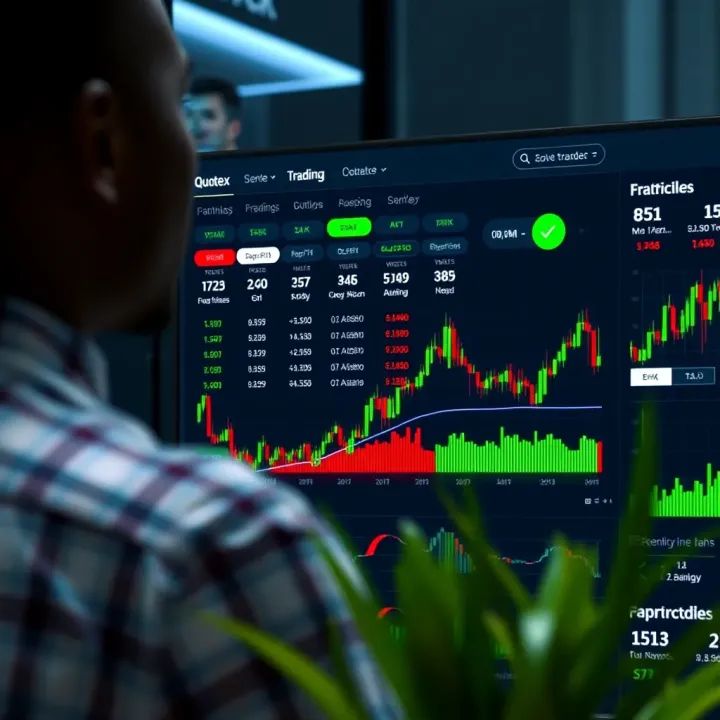
Explore Quotex broker for Kenyan traders 📈 — registration, trading options, accounts, payments via M-Pesa, regulation, plus reliable customer support for your trading needs.
Based on 5 reviews