
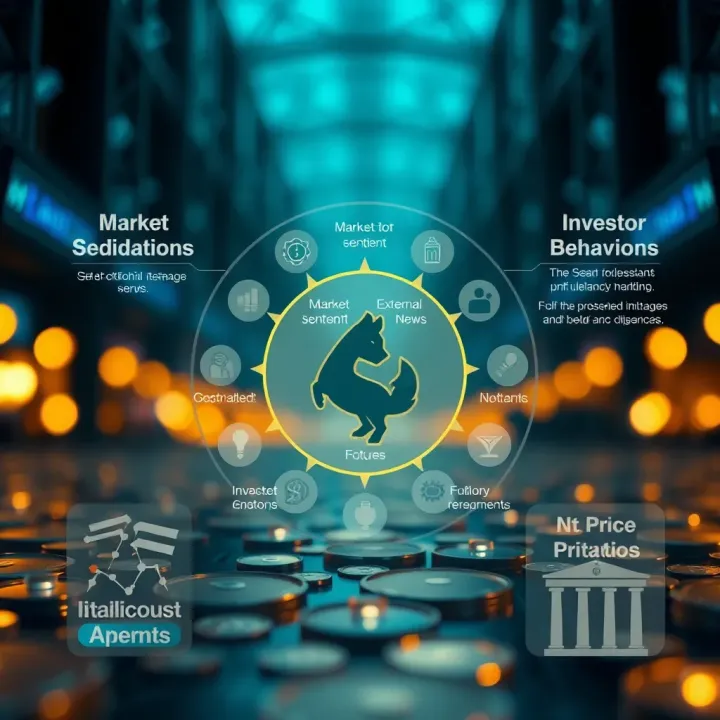
Dogecoin Price Prediction and Key Influences
Get an in-depth look at Dogecoin price trends 📈, factors affecting its value 💹, and what Kenyan investors should expect before putting in their KSh.
Edited By
Daniel Price
Predicting the price of WLD (Worldcoin) involves more than following daily price charts. For investors and traders, particularly in Kenya where digital currency adoption is growing, understanding the trends and factors shaping WLD’s value is vital before deciding to buy or sell.
WLD operates in a volatile market influenced by multiple forces. Unlike traditional assets, its price is swayed heavily by technology updates, user adoption rates, regulatory moves, and broader sentiment in the crypto space. For instance, a recent announcement about Worldcoin's new biometric verification feature stirred significant buying interest, pushing prices up temporarily.
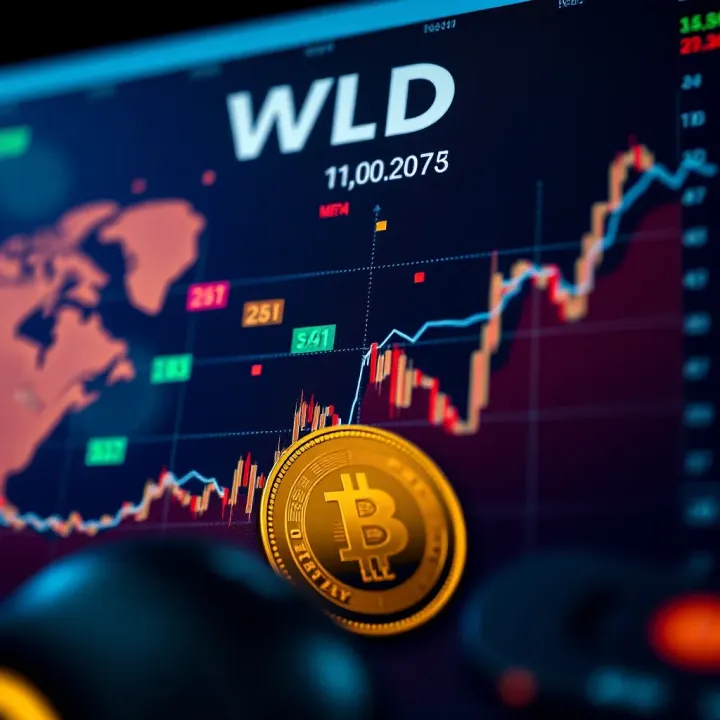
Successful WLD traders in Kenya often keep an eye on both global developments and local factors such as exchange availability and transaction costs via platforms supporting M-Pesa.
Here are some key aspects that influence WLD prices:
Market Sentiment: Positive news about partnerships or integrations can drive prices higher, while security concerns or market fears lead to quick corrections.
Adoption Rate: The more people and businesses accept WLD for payments or identity verification, the stronger its demand.
Regulatory Environment: Changes in Kenyan financial regulation or policies from major economies like the US or EU affect investor confidence.
Technological Advances: Upgrades to the Worldcoin network that improve security or usability often attract investment.
Understanding these factors equips Kenyan investors and brokers with a clear picture of what might move the WLD price next. Rather than guessing, anticipating these shifts allows for more confident, data-informed decisions.
This article will unpack WLD’s current position in the market, dissect expert analyses, and offer practical pointers on what to watch for if you’re engaged in Kenya’s growing cryptocurrency ecosystem.
Understanding WLD (Worldcoin) starts with its core purpose and how it fits into today's digital currency environment. Getting familiar with the basics helps investors make informed decisions and spot opportunities or risks. By looking at its market position and role both locally and globally, traders and analysts can better predict how WLD might perform in the future.
WLD is a cryptocurrency linked to the Worldcoin project, designed mainly to create a new global identity network where users prove they are unique individuals. Unlike typical coins used mainly for transactions, WLD aims to verify user uniqueness through biometric data. The goal is to foster fairer access to digital resources and more equitable distribution of crypto assets. For instance, someone in Nairobi could claim their share of WLD by confirming their identity once, helping to reduce fraud or duplicate accounts.
As of now, WLD is still relatively new but has sparked attention due to its unique function and ambitious vision. It trades on several exchanges accessible to Kenyan traders, including mainstream platforms that support M-Pesa deposits. While its price has shown volatility—common in crypto markets—it has gained steady adoption, especially among communities interested in identity verification and decentralised finance. Recently, WLD's market cap has seen modest growth, reflecting increasing interest but also caution from investors.
Globally, WLD offers a fresh approach by tying identity verification closely to crypto ownership, which could be a template for future digital currencies. In Kenya, its impact is just beginning. Given Kenya's strong mobile money ecosystem and growing blockchain curiosity, WLD could attract users looking for more secure and fair ways to access financial services. For example, local fintech startups might integrate WLD-based verification to streamline onboarding or reduce KYC (Know Your Customer) costs. That said, WLD still faces challenges like regulatory scrutiny and competition from established tokens.
WLD combines identity verification with blockchain, offering new possibilities for digital inclusivity, but understanding market context is vital before investing.
In summary, knowing what WLD is, where it stands now, and how it relates to Kenya’s market equips you to gauge its potential better. This background lays a foundation for deeper discussion on price influences and investment risk ahead.
Understanding what drives WLD’s price is essential for investors aiming to make informed decisions. Several factors combine to push the price up or down, and knowing these helps you anticipate market moves and manage risks effectively. This section breaks down the main elements shaping WLD’s value, offering clear examples that relate to the Kenyan context.
WLD’s price hinges heavily on its supply and demand balance, which in turn relates closely to its tokenomics — the rules governing how tokens are issued, distributed, and used. For instance, if WLD has a fixed or capped supply, scarcity could increase its value when demand rises. Conversely, if new WLD tokens are minted often, this might dilute value unless accompanied by matching growth in adoption.
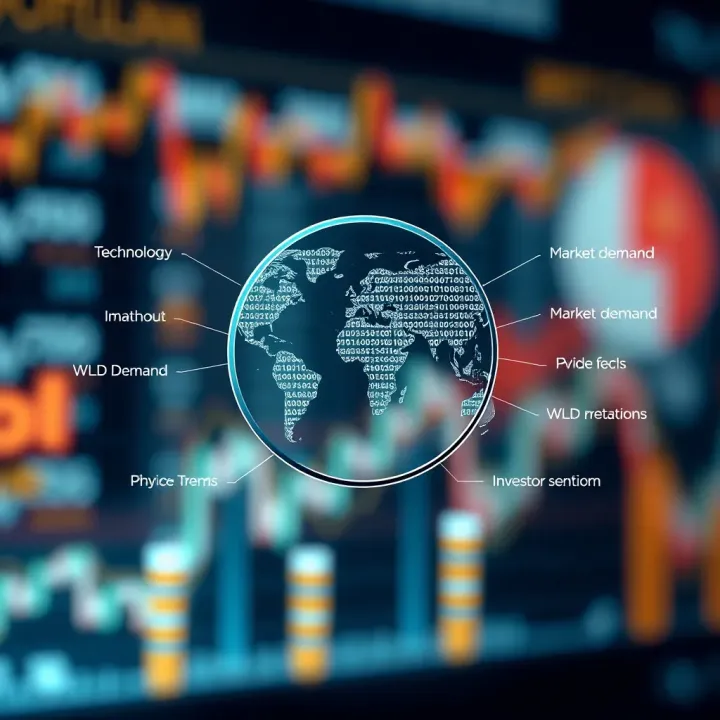
A practical example from the Kenyan market is considering the token’s availability on platforms like BitPesa or Binance, where demand from local traders can spike after popular events such as the Agricultural Sector Digital Conference or socioeconomic shifts prompting more crypto adoption. Token lockup periods and staking rewards also affect circulating supply; if many holders lock up their tokens to earn passive returns, circulating supply tightens, supporting price increases.
The legal landscape around cryptocurrencies in Kenya and globally plays a major role in WLD’s pricing. For example, the Central Bank of Kenya (CBK) has issued guidance restricting banks’ dealings with crypto exchanges, which indirectly shapes demand by limiting fiat-to-crypto access.
Regulatory clarity or uncertainty can push investor sentiment. If Kenya’s regulators move towards formalising crypto trading, WLD might see increased buying from cautious investors now willing to enter the market. On the flip side, harsh crackdowns or ambiguous policies can cause sharp sell-offs as people fear penalties or restricted access.
WLD’s technical performance and upgrades can sway its market value. If the Worldcoin network introduces faster transaction processing, improved scalability, or enhanced privacy features, this could attract more users and investors.
Take, for instance, a hypothetical upgrade that allows seamless integration with M-Pesa for faster token transfers. Such a development would make WLD more practical for day-to-day use in Kenya, boosting its demand and price.
Conversely, any network downtime, security flaws, or forks causing community division often scare investors away, resulting in price drops.
WLD’s price ever so often follows the mood of the market. Positive media coverage, influencer endorsements, or high-profile partnerships can ignite enthusiasm and buying sprees. On the other hand, negative news, fear, uncertainty, and doubt (FUD) can lead to panicked selling.
In Kenya, social media chatter and local crypto communities on platforms like Telegram or WhatsApp often shape short-term moves. If investors hear rumours about new county regulations limiting crypto use or banks blocking crypto-related payments, they might withdraw their investments swiftly.
Keeping an eye on both technical factors like tokenomics and softer elements such as market sentiment provides a well-rounded approach to anticipating WLD price changes.
By following these key factors closely, Kenyan traders and investors can better navigate the WLD market, spotting opportunities and avoiding potential pitfalls based on real, practical conditions rather than guesswork.
Listening to expert opinions on WLD price adds a practical layer to understanding its market potential. These professionals sift through data, trends, and real-world factors to give insights beyond just numbers. For investors and traders, particularly in Kenya's fast-growing crypto space, expert analysis can guide decisions, help avoid pitfalls, and pinpoint opportunities.
In the next few months, analysts expect WLD’s price to show volatility linked mainly to broader crypto market swings and regulatory news. For example, if global crypto sentiment improves due to calm in US Federal Reserve policies or fresh blockchain upgrades, WLD may experience quick gains. However, sudden regulatory announcements from key markets or technological glitches could cause dips. Short-term traders should watch key support and resistance levels on charts, alongside fresh developments such as wallet launches or partnerships.
Looking beyond the immediate future, experts tend to have mixed views on WLD. Some see its novel identity verification approach as a long-term game-changer, potentially driving adoption and price growth over years. Others warn that competition from established projects like Ethereum or emerging ones with similar goals may limit WLD’s upside. Kenyan investors who intend to hold WLD should monitor its ecosystem growth, adoption rates, and funding rounds. Also, broader trends in the metaverse and data privacy markets will influence WLD’s trajectory significantly.
Comparing WLD with established coins like Bitcoin or Ethereum reveals both unique strengths and challenges. Unlike Bitcoin’s store of value appeal, WLD focuses on identity and user verification, which targets a specific utility niche. This places it closer to coins like Civic or Ontology, which also deal with digital identity. Expert predictions often highlight that if WLD manages to build strong partnerships, especially in regions like Africa where digital ID is vital, it could outperform general-purpose cryptocurrencies in certain contexts. However, it has a higher risk profile given the technology’s still early adoption phase.
Expert analysis provides a valuable reality check that balances hype and helps investors in Kenya navigate the unpredictable but promising WLD market.
By keeping an eye on these expert views and integrating their insights with your own due diligence, you’re better positioned to make informed investment choices around WLD.
Investing in WLD cryptocurrency comes with a range of risks that can significantly impact returns. Understanding these challenges is vital for anyone planning to put their money in WLD, especially in the unpredictable world of digital assets. This section highlights the key risks, helping traders and investors make more informed choices backed by practical knowledge.
Cryptocurrency markets are notoriously volatile, and WLD is no exception. Price swings can be sudden and severe, driven by factors like market speculation, news, and shifts in investor behaviour. For instance, WLD’s value might skyrocket after a major partnership announcement but could just as quickly tumble due to negative press or global economic shocks. Unlike traditional assets such as shares or bonds, WLD often reacts sharply to short-term events, making timing crucial. Kenyan investors should be prepared for sudden ups and downs and avoid investing money they cannot afford to lose.
Regulatory frameworks for cryptocurrencies remain patchy and sometimes unpredictable, causing significant risks for WLD investors. In Kenya, the Central Bank has warned about crypto-related risks, though there is no outright ban. However, shifts in policy or new regulations could affect how easily Kenyans can buy, sell, or use WLD. Globally, crackdowns on crypto exchanges or tighter rules in large markets like the US or EU can ripple across all cryptocurrencies, including WLD. For example, a ban on crypto trading platforms in one country may reduce liquidity and push prices down. Staying up to date with regulatory changes and consulting trusted legal advice can help investors manage these uncertainties.
WLD depends heavily on its underlying technology, including blockchain protocols and network security. Any bugs, vulnerabilities, or delays in upgrades can put investors’ funds at risk. For example, if a software flaw enables hacking or double-spending attacks, this could lead to loss of WLD tokens or damage investor confidence. Additionally, many investors risk losing tokens due to poor personal security, such as weak passwords or phishing scams. Using secure wallets and trusted platforms for transactions is essential to safeguard assets. Kenyan investors should also be cautious with emerging tech infrastructures and ensure they understand how to protect their holdings effectively.
Managing these risks means combining careful market observation, keeping updated on legal developments, and applying solid security practices. WLD investment, like any crypto venture, rewards those who balance optimism with prudent caution.
By recognising the volatility, regulatory risks, and technological challenges facing WLD, Kenyan investors can position themselves to navigate the market more confidently and make decisions that suit their risk appetite and financial goals.
Investing in WLD cryptocurrency requires more than just understanding price trends. For Kenyan investors, practical considerations around how to buy, store, and make the most of this asset are vital. Knowing reliable payment platforms and timing your investments smartly can make a big difference to your returns and security.
Buying WLD safely begins with choosing a trustworthy crypto exchange that supports the token. Many Kenyan investors use platforms like Binance, which allow M-Pesa payments for ease of access. Always verify that the exchange has strong security measures—like two-factor authentication (2FA)—to protect your account.
Once purchased, never keep your WLD tokens on an exchange for long periods. Instead, transfer them to a private wallet. Hardware wallets such as Ledger or Trezor offer the best protection by storing your keys offline and away from hackers. In case a hardware wallet is out of reach, consider reputable mobile wallets with strong encryption. Always back up your wallet’s recovery phrase and never share it.
Kenya’s mobile money ecosystem is a big help when dealing with cryptocurrencies. Safaricom’s M-Pesa integrates with some crypto exchanges directly, making deposits and withdrawals straightforward. Look for exchanges that support M-Pesa or offer Paybill and Till Number options to deposit KSh smoothly.
Besides Binance, local platforms like Bitpesa and Paxful also allow buying WLD with KSh. Before committing, check their fees, user reviews, and customer support responsiveness. This helps you avoid scammers and hidden charges.
Timing your WLD investment matters in Kenya’s often volatile market. Following Kenyan market sessions and global crypto news helps spot buying opportunities. For example, investing after major updates by the Worldcoin network or during dips following broader market corrections can prove better than chasing high prices.
Also, diversification lowers risks. Avoid putting all your funds into WLD alone. Combine it with more established cryptocurrencies like Bitcoin or Ethereum and consider non-crypto assets to balance your portfolio.
Storing your WLD tokens securely and timing your trades wisely can protect your investment from sudden losses and fraud.
In summary, Kenyan investors should focus on secure buying and storage, use familiar payment methods like M-Pesa, and adopt timing and diversification tactics to build a resilient crypto portfolio.
Get an in-depth look at Dogecoin price trends 📈, factors affecting its value 💹, and what Kenyan investors should expect before putting in their KSh.

📈 Understand how today's gold price predictions affect Kenyan investors. Explore global trends, local market shifts, and smart tips for buying or trading gold wisely.
📉 Explore Binance Coin (BNB) price trends, tech updates, and expert views to guide Kenyan investors looking to understand future market moves.

📈 Explore Cardano (ADA) price predictions and market trends! Get insights on tech updates and economic factors shaping ADA's future in Kenya's crypto scene.
Based on 8 reviews