

Guide to Using Tradeview.com Charts for Kenyan Traders
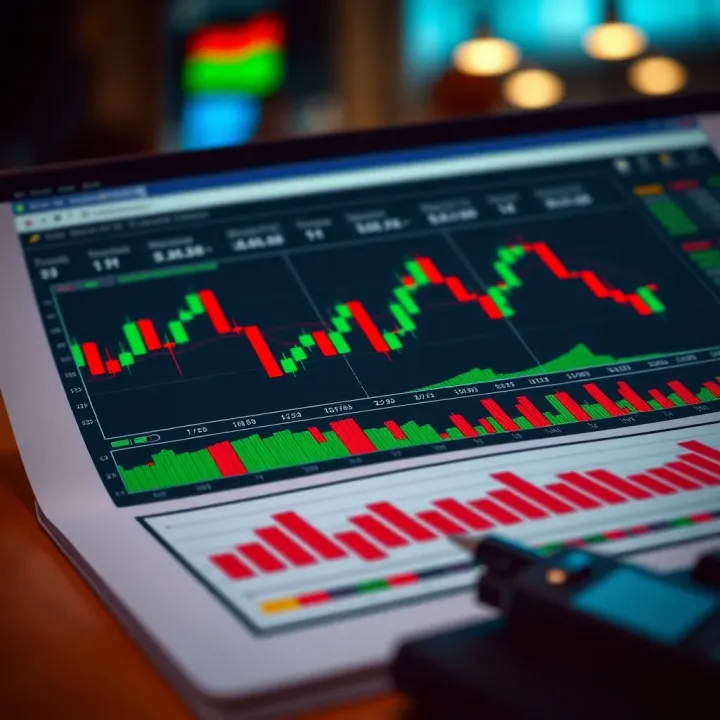
📊 Learn how Tradeview.com charts support Kenyan traders by simplifying market trend analysis with key tools and user-friendly features for smart trading decisions.
Edited By
Daniel Brooks
Understanding forex trading in Kenya means staying up to speed with reliable resources. One practical tool is Forex PDFs. These documents give traders organised insight into market analysis, strategies, and economic indicators. But not all PDFs are trustworthy; picking the right sources and knowing how to use this material makes all the difference.
Many Kenyan traders look for downloadable forex PDFs from local brokerages like Eversend or Spreadex, which often share reports tailored to the East African market. International platforms such as DailyFX and Investopedia also provide in-depth PDFs covering technical analysis, risk management, and trading psychology. These materials are usually free and can be saved for offline study, a big plus in areas with patchy internet.
When choosing forex PDFs, always check the publication date and the credibility of the source. Old or biased material can misguide your trading decisions and lead to losses.
Most forex PDFs contain sections on:
Market trends and forecasts: Highlighting currency pairs with expected movements.
Technical indicators: Charts, patterns, and statistical tools to time trades.
Fundamental analysis: Details on economic reports, interest rates, and geopolitical events.
Trading strategies: Step-by-step guides from scalping to swing trading.
To get the best from these PDFs, try combining theoretical knowledge with your own market experience. Highlight key points, summarise ideas in your own words, and apply test strategies in a demo account before risking real money.
Kenyan traders should also consider subscribing to newsletters from firms regulated by the Capital Markets Authority (CMA), as they provide updated and regulated forex information in PDF form. This adds a layer of trust often missing on random internet downloads.
Finally, keep your forex PDFs organised by topic or currency pair. Use digital folders or apps that allow annotations; this way, you build a personalised reference library that you can easily revisit during market hours or outside of them.
With the right Forex PDFs on hand and a disciplined approach, Kenyan traders can sharpen their decision-making and improve their outcomes in the dynamic forex market.
Accessing reliable Forex PDFs is key for Kenyan traders aiming to build solid market knowledge and improve trading decisions. Trustworthy sources ensure the information is accurate, current, and practical for local market conditions. Plus, good PDFs can explain complex concepts clearly, offer strategy outlines, and provide examples relevant to forex trading realities in Kenya and globally.
Broker websites offering educational PDFs often provide materials tailored to their trading platforms and client needs. Reputable brokers like FXPesa and Exness Kenya publish free guides covering basics such as currency pairs and advanced strategies including risk management. These documents tend to be reliable because brokers know well the tools they offer and want traders to succeed, which keeps clients loyal.
Financial news portals with forex guides are another solid resource. Websites like Business Daily or Bloomberg East Africa feature downloadable PDFs or eBooks explaining how economic events affect currency prices and market sentiments. These guides often break down real-time news into understandable pieces for traders, helping Kenyans keep up with global trends impacting the shilling.
Regulated forex academies and institutions offer structured learning through certified courses and supporting PDFs. For example, the Nairobi Securities Exchange (NSE) and local trading academies provide official materials that help traders understand compliance issues, charting techniques, and financial regulations. Such resources often get updated to reflect Kenya’s evolving trading environment, so learners get credible and current data.
Kenyan forex trader groups sharing PDFs serve as grassroots knowledge hubs. Through WhatsApp, Telegram, or Facebook groups, experienced Kenyan traders freely share PDFs they’ve found useful, sometimes even localised with examples focused on M-Pesa payments or Kenyan economic cycles. These communities offer practical advice alongside shared learning materials, fostering peer support and hands-on improvements.
International forums with free trading materials add global perspectives and diverse strategies. Platforms like Forex Factory or BabyPips host user-shared PDFs explaining technical indicators and trading psychology. Kenyan traders benefit by comparing these insights with local market realities. Yet, it’s wise to cross-check such materials for relevance and accuracy especially in relation to Kenyan forex regulations.
Finding trusted Forex PDFs means balancing local relevance with global expertise, ensuring you learn from accurate and updated resources. Placing your confidence in verified broker websites, recognised academies, and trusted communities safeguards your trading journey.
This approach makes your learning efficient and practical, suited for Kenya’s unique forex trading scene.
Forex PDF guides are essential for Kenyan traders as they distil complex market information into digestible chunks. Understanding the typical contents of these PDFs helps traders focus on relevant skills and knowledge areas that improve their trading decisions. They usually cover fundamentals, analysis techniques, and risk management, providing a complete toolkit for beginners and skilled traders alike.
Most forex PDFs start with basic ideas like currency pairs, which tell you the two currencies being traded, such as USD/KES or EUR/USD. Knowing how to read currency pairs is vital because it shows which currencies you are buying or selling. The 'pip' is the smallest price movement a currency can make, often one-hundredth of a cent. It's important because profits or losses in forex are measured in pips. The 'spread' is the difference between the buying price and the selling price, affecting how much you pay to open a trade.
For instance, if you buy USD/KES at 110.00 and can sell at 109.98, the spread is 2 pips. Understanding these concepts helps you evaluate the cost of trading and expected profit margins.
The forex market works 24 hours a day, five days a week, allowing Kenyan traders flexibility. It is an over-the-counter market, meaning transactions happen directly between parties without a central exchange. Forex prices respond to global economic events, central bank decisions, and geopolitical issues.
Knowing this helps traders anticipate price movements. For example, when the Central Bank of Kenya adjusts its interest rates, the Kenyan shilling's value can shift quickly. PDFs explain how different market sessions—London, New York, Tokyo—impact volatility, guiding traders on when to enter or exit trades.
Technical analysis PDFs teach how to read price charts and spot patterns that suggest future movements. Common patterns like head and shoulders, double tops, or flags help traders predict whether prices will rise or fall.
Indicators such as Moving Averages and Relative Strength Index (RSI) provide additional clues. For Kenyan traders, applying these tools on platforms like MetaTrader offers practical ways to decide when to buy or sell.
Fundamental analysis focuses on how real-world events affect forex prices. Economic reports, such as GDP, inflation, or employment figures, can cause quick price shifts.
For example, a surprise drop in Kenya’s inflation rate may strengthen the shilling against the dollar. Forex PDFs guide traders on how to follow these releases and interpret their effects on currency pairs, helping avoid costly reactions from sudden market moves.
Risk management is crucial to protect your trading capital. PDFs explain how to place stop losses to close a trade if the market moves against you, limiting loss. Take profit orders automatically close a trade once a set profit level is reached, securing gains before the market reverses.
For instance, if you buy EUR/USD at 1.1000, you might set a stop loss at 1.0950 and a take profit at 1.1100. This means you accept a loss of 50 pips or a chance to gain 100 pips.
Leverage lets traders control larger positions with smaller amounts of money but increases risk. PDFs underline why Kenyan traders should use leverage cautiously.
Using high leverage without understanding can wipe out your deposit quickly. A common recommendation is to stick to low leverage ratios and keep position sizes manageable. This approach helps avoid emotional decisions and preserves capital, allowing you to stay longer in the market.
Practical forex PDFs provide step-by-step guides and examples Kenyan traders can relate to, making the complex world of currency trading easier to grasp and apply in real conditions.
Forex PDFs offer a wealth of knowledge that, when used correctly, can sharpen your trading skills significantly. For Kenyan traders, these documents serve as practical guides, helping you understand market mechanics and develop strategies before risking real money. To make the most out of these resources, adopting a systematic learning path and combining theory with trading practice is key.
Starting with basics before advanced topics is essential for a solid foundation. Forex trading involves several concepts like currency pairs, pips, spreads, leverage, and order types. Jumping into complex strategies without grasping these can lead to costly mistakes. Begin by reading PDFs that clearly explain the basics. For instance, understanding how the USD/KES pair fluctuates due to economic news helps you see the practical impact of fundamentals. Once you've mastered the fundamentals, progress to technical analysis techniques such as reading charts and recognising patterns.
Taking this gradual approach reduces confusion and builds confidence. It’s like learning to drive; you wouldn’t start on the highway without knowing how to control the car first.
Taking notes and practising concepts deepens your understanding. When you read PDFs, jot down important terms, formulas, or strategies in a dedicated trading journal. This habit helps you remember key points and creates a quick reference for future review. For example, writing the steps for setting stop losses or identifying trend lines makes recalling these easier during actual trading.
Moreover, practising concepts through exercises or hypothetical trades from the PDFs reinforces learning. Instead of passively reading, actively engage by answering quizzes or drawing charts by hand. This hands-on approach embeds knowledge better than just skimming pages.
Using demo accounts to test strategies is vital before risking real cash. Many forex brokers offering PDFs also provide demo trading platforms where you can experiment with strategies learned from the materials. For instance, if a PDF suggests a moving average crossover strategy, try it out first on the demo account with the Kenyan shilling market or USD pairs.
These risk-free practice sessions let you observe how the strategy works under different market conditions. You’ll notice its strengths and weaknesses without losing money. This step bridges theory and practice, preventing common pitfalls among beginners.
Applying knowledge to current market conditions helps keep your trading relevant. The forex market is influenced by ongoing economic events, especially in Kenya and globally. When you read PDFs about fundamental factors like Central Bank of Kenya policies or global oil prices, apply these insights to analyse live market movements.
For example, if the PDFs explain how inflation data affects the Kenyan shilling, check the latest releases and observe currency reactions. This contextual understanding sharpens decision-making, moving from textbook knowledge to real-world trading.
Forex PDFs are only as useful as the effort you put into learning and practising their content. Approach them like a toolbox — the more you understand and use the tools, the better your trading results will be.
In summary, start simple, make notes, practice on demo accounts, and link PDF knowledge directly to what’s happening in the markets. This structured approach allows Kenyan traders to improve skills effectively and trade with more confidence.
When downloading Forex PDFs, there are several important factors Kenyan traders must consider to ensure the information is accurate, safe, and useful. Poor-quality or fake materials can mislead traders and even expose their devices to security risks. Therefore, knowing how to spot trustworthy documents and checking their compatibility with your devices is vital for effective learning.
Verifying source credibility is the first step when selecting Forex PDFs. Reliable sources include official broker websites, established trading academies, and recognised financial institutions. For example, a PDF from a well-known broker such as Exness or an institution like the Nairobi Securities Exchange (NSE) is more trustworthy than one shared anonymously on social media. Always confirm the source’s reputation by checking its official website or reviews from other Kenyan traders. Avoid downloads from unknown sites that promise unrealistic gains or contain sensational claims.
Identifying outdated or misleading content is equally important. Forex markets constantly change due to global economic shifts, so materials prepared years ago may no longer apply. For instance, a guide on managing leverage might be outdated if it doesn’t reference current regulations by Kenya’s Capital Markets Authority (CMA) or new trading platforms available locally. To avoid confusion, check the PDF’s publication date and cross-reference key facts with recent data or trusted news portals. Never rely solely on one document—combining multiple current sources helps maintain an up-to-date understanding.
Ensuring PDFs are readable on phones and computers is a practical concern for many Kenyan traders who often use mobile phones to access trading materials. Some PDFs are formatted poorly or come in very large sizes causing phones to lag or freeze. Before downloading, preview the file if possible, or check for indications that it’s mobile-friendly. Apps like Adobe Acrobat Reader or native phone PDF viewers usually handle standard PDF files well, but very old formats or protected files can cause issues.
Checking file sizes and download safety protects your device and saves data costs. Forex PDFs can vary from a few kilobytes to hundreds of megabytes depending on images and charts included. A file exceeding 100MB should make you pause—do you have enough storage or internet bandwidth? Also, suspiciously small files might lack valuable content or contain malware. Use antivirus software where available, and avoid downloading from untrustworthy sources. For example, Kenyan traders downloading PDFs over slow or expensive connections may prefer smaller, compressed files from credible sites to avoid wasting data or risking device infection.
Always treat Forex PDFs as a tool, not a guarantee. Verifying credibility, confirming content recency, and ensuring safe, accessible formats help you make the most of these resources while protecting your learning experience and digital devices.
Relying solely on Forex PDFs can limit your understanding of the forex market, especially in a dynamic trading environment like Kenya's. These materials serve as a solid base, but additional resources and tools bring depth, practical insight, and real-time application. They help fill gaps left by static documents and keep you updated on market changes, trends, and local trading nuances.
Books tailored for Kenyan forex traders offer insights grounded in local market conditions. Unlike generic forex literature, these books often discuss the specific economic context of Kenya and East Africa, such as how the Central Bank of Kenya’s policies impact forex movements or the significance of M-Pesa's role in trading deposits. For example, titles like "Forex Trading in Kenya: Strategies for the Hustler Trader" focus on practical techniques suited to Kenyan traders’ realities, including risk management tailored to the typical leverage levels available in local brokers.
Local and international forex online training options range from free tutorials to certification courses. Kenyan platforms such as Forex Kenya Academy provide courses that blend theory and practical sessions, including live webinars adjusted to East Africa Time (EAT). On the other hand, global options like Babypips or Investopedia offer broad foundational knowledge. Kenyan traders can benefit by mixing both to get local market relevance and international best practices. Such courses often include quizzes, interactive charts, and community forums, making learning more engaging than passive PDF reading.
M-Pesa and Lipa Na M-Pesa for deposit and withdrawal have revolutionised forex trading accessibility for Kenyans. Mobile money services reduce dependence on bank transfers, which can be slow or cumbersome. Most Kenyan forex brokers accept M-Pesa payments, allowing quick, secure deposits and withdrawals directly from your mobile wallet. Lipa Na M-Pesa's Paybill option further simplifies transactions, giving traders confidence when funding accounts or cashing out profits without visiting a bank.
Platforms offering educational support often integrate learning tools directly into their trading interfaces. For instance, brokers like HotForex and FXTM provide clients with access to tutorials, daily market analysis, and economic calendars within their apps. These platforms equip traders with immediate access to market news and strategies that complement PDF learning materials. Additionally, mobile apps like MetaTrader 4 and 5 support strategy testing and real-time charting, vital for applying lessons learnt from PDFs and courses on live markets.
To thrive in forex trading, especially within Kenya’s fast-evolving financial landscape, combining PDFs with well-chosen resources and tools sharpens your skillset and keeps you market-ready.
Incorporating these resources alongside your PDF study materials creates a balanced learning path, blending theory with real-world practice and local financial realities. This approach ensures you are not just reading about forex trading, but also actively applying and adapting your knowledge in the Kenyan market.
📊 Learn how Tradeview.com charts support Kenyan traders by simplifying market trend analysis with key tools and user-friendly features for smart trading decisions.
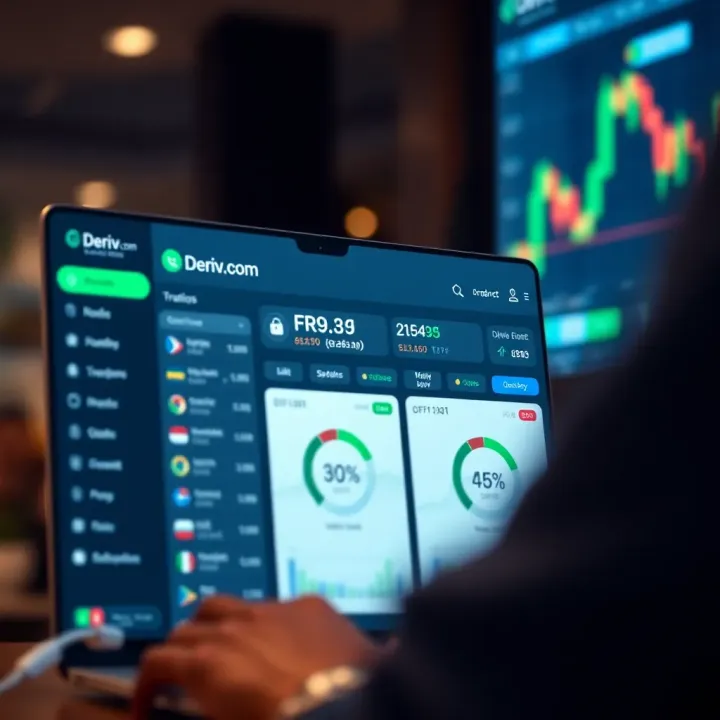
📱 Discover how to navigate the Deriv.com app with ease: setup, trading tips, security, withdrawals, and solid support—perfect for Kenyan traders!
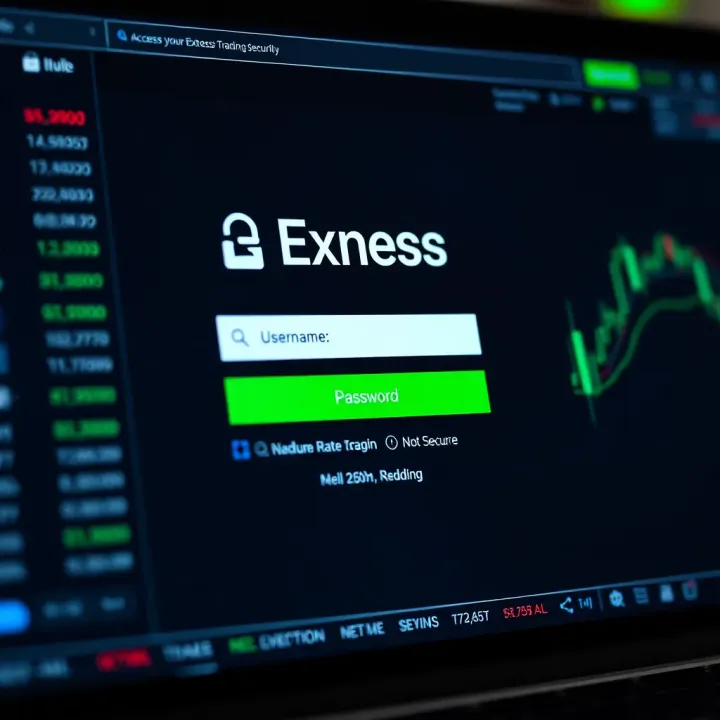
🔐 Exness login guide for Kenyan traders: Learn how to create your account, fix login issues, secure your data and use key features effectively for safe trading.

Ready to trade on OlympTrade? Learn how Kenyan traders can start with M-Pesa deposits, explore forex and options, master risks, and trade confidently 📈💻
Based on 9 reviews