
Forex Trading Guide for Kenyan Traders
📈 Learn forex trading basics, risks, and benefits with practical tips for Kenyan traders. Understand local rules and how to trade currencies safely and profitably.
Edited By
Laura Mitchell
Finviz is widely known for its powerful stock market analytics, but many Kenyan forex traders overlook its usefulness in tracking currency pairs. The platform offers clear, real-time visualisations and data points that help traders interpret forex movements efficiently. This section introduces how Finviz's forex tools can support Kenyan traders in a fast-moving market.
Kenyan traders face unique challenges such as exchange rate volatility influenced by global commodity prices, political events, and local economic developments. Finviz offers a simple way to monitor these shifts by combining graphical charts, heat maps, and relative strength indicators. For example, you can quickly check how the USD/KES pair behaves against other major currencies and spot emerging trends.
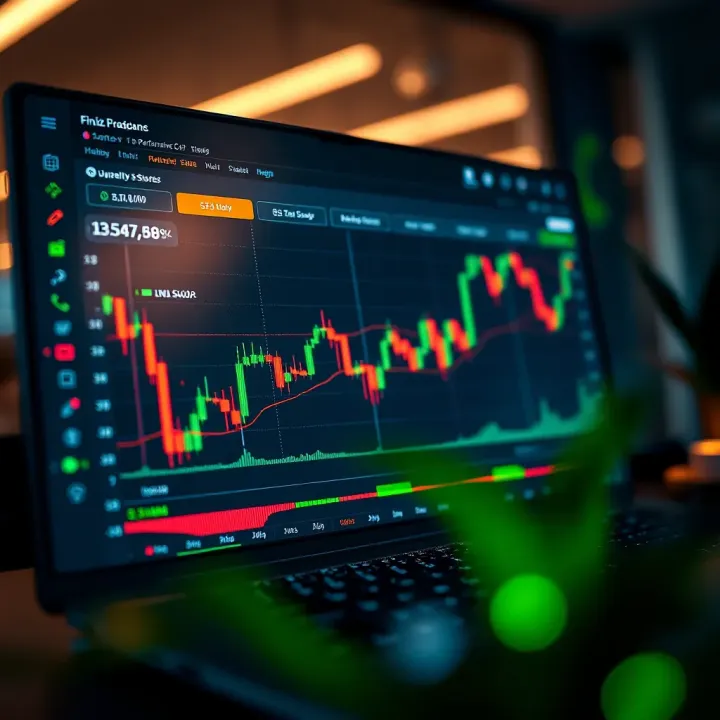
One useful feature is Finviz’s forex screener. It filters currency pairs based on criteria like performance over specific time frames, technical indicators, or volatility. This helps you focus on pairs with strong momentum or notable reversals instead of getting lost in endless data.
Staying updated with forex performance data is critical for making timely decisions, and Finviz presents this information in digestible visual formats.
Some key Finviz forex tools Kenyan traders find handy include:
Heat maps: Show the strongest and weakest currencies visually at a glance.
Performance charts: Track daily, weekly, or monthly price changes with technical overlays.
Technical indicators: Identify support, resistance, and trend strength through RSI, moving averages, and more.
Unlike many platforms that require extensive settings, Finviz keeps its forex dashboard straightforward. This suits Kenyan traders who may be juggling multiple hustles and need quick yet reliable insights.
On top of that, Finviz’s data helps compare forex performance with other asset classes, allowing for more rounded portfolio decisions. For instance, you can contrast forex trends with NSE equities or commodity prices, giving you a clearer picture of broader market movements impacting the Kenyan shilling.
Next, we will look deeper into how to interpret specific forex signals on Finviz and tips tailored for Kenyan traders to enhance their trade timing and risk management.
Finviz provides a broad picture of forex trading that can be quite useful for Kenyan traders looking to read the pulse of the market efficiently. This overview sets the stage by highlighting key functionalities that shape the forex experience on Finviz, from the selection of currency pairs to the kind of data updates offered. Understanding these features helps local traders make smarter, faster decisions amidst the fast-moving forex markets.
Finviz covers major and minor forex pairs including USD/EUR, USD/JPY, GBP/USD, but also some emerging market currencies which can be relevant for Kenyan traders interested in African continent pairs. For example, pairs involving the Kenyan shilling (KES) might not be directly listed, yet Finviz’s extensive portfolio allows users to track global economic trends impacting currencies like KES indirectly through USD or EUR crosses. This breadth gives Kenyan users a wide lens to identify market opportunities beyond their immediate local pairs.
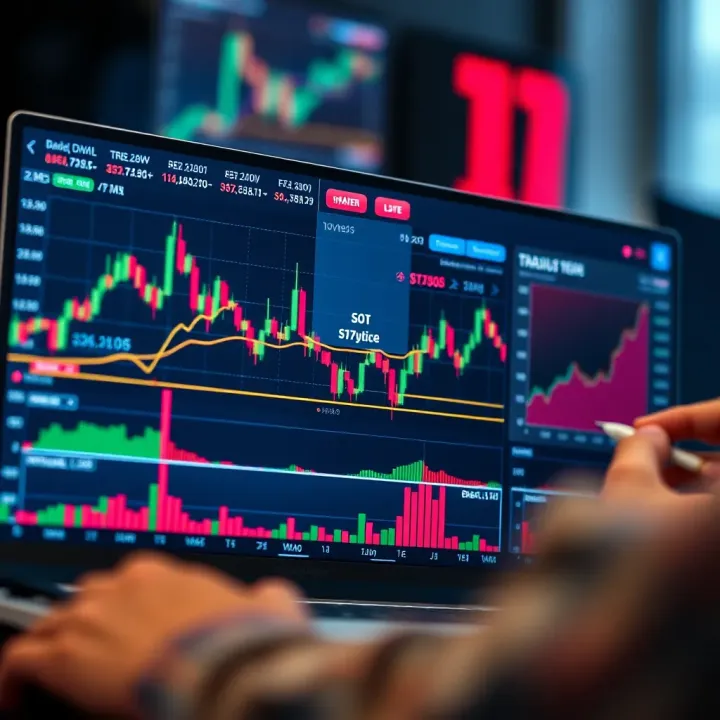
Visual presentation is a strong point on Finviz. The platform offers heatmaps, candlestick charts, and line graphs that simplify complex forex data into readable visuals. For a Kenyan trader juggling between work and trading, these features help grasp market sentiment quickly without deep diving into raw numbers. For instance, spotting a sudden colour change on a heatmap can signal a shifting trend, prompting a quicker market entry or exit.
While Finviz provides real-time charts for several forex pairs, some data might have a slight delay, depending on the currency and market conditions. In forex, every second counts, especially for day traders. Kenyan users should be aware of this timing to avoid surprises. Fortunately, Finviz indicates which data is delayed, allowing traders to double-check with platforms like MetaTrader that offer guaranteed real-time feeds for urgent trades.
Finviz aggregates forex data from major exchanges and financial broadcasters to offer a comprehensive view of global currency markets. This broad coverage includes important economic zones like the US, Europe, and Asia, whose currency moves influence other global markets such as Kenya’s. Traders can thus monitor international trends affecting the shilling indirectly, such as USD volatility or euro-dollar shifts during European trading hours.
Though Finviz offers a solid snapshot for forex traders, dedicated platforms like MetaTrader or TradingView often provide deeper analytics, automated trades, and more timely updates. Finviz excels in summarising data visually and simplifying complex market sentiment, making it a handy tool alongside these specialised platforms. For Kenyan traders, this means Finviz serves well for market scanning and quick checks, while detailed position management might still need a more forex-targeted platform.
Tip for Kenyan traders: Use Finviz to catch market trends at a glance, but confirm critical trades with real-time specialised platforms to avoid delays and slip-ups.
Evaluating forex performance on Finviz is a practical step for any trader seeking fresh angles on currency markets. For Kenyan traders, navigating global forex trends through Finviz helps spot shifts that affect the Kenyan shilling (KES) and other currencies swiftly and clearly. This evaluation centres on specific metrics and visuals that paint the bigger picture of how currencies move and interact.
Price movement indicators provide the backbone for forex analysis on Finviz. They show how much a currency pair’s price has changed over a selected time frame, usually in percentages. For example, you might see how the USD/KES pair has moved over the day or week. This helps traders gauge momentum and decide if a pair is ripe for buying or selling. Sudden price leaps often signal emerging opportunities or market reactions to news, such as government policy changes or Central Bank interest rate adjustments.
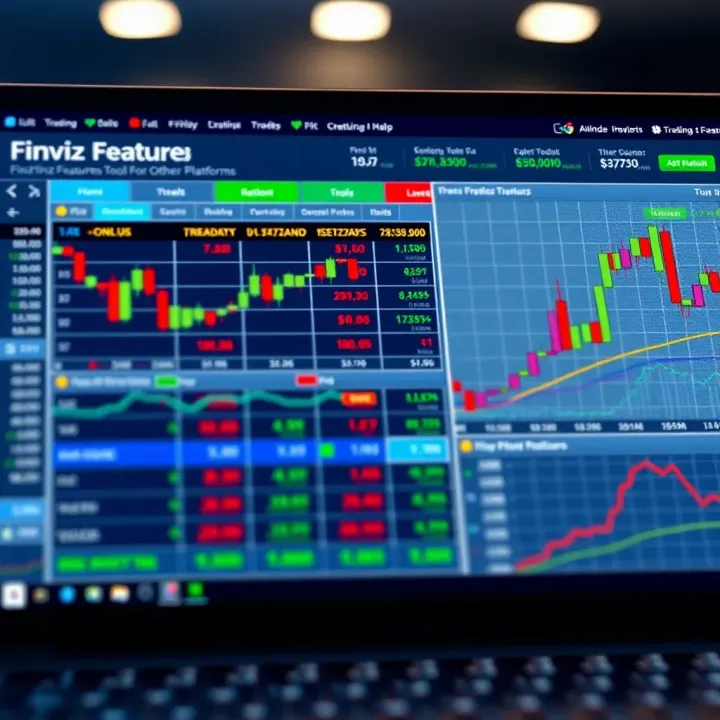
Volume and liquidity insights assist traders in understanding how actively a currency pair is traded. High volume suggests strong interest and smoother trades, meaning price movements are more reliable. In contrast, low volume can signal wide spreads and potential slippage, especially in less traded pairs like KES with smaller markets. For Kenyan traders, recognising liquidity spikes around their trading hours can improve timing and reduce costs when entering or exiting positions.
Technical indicators relevant to forex trading take the raw price and volume data further by adding layers of interpretation. Indicators like moving averages, the Relative Strength Index (RSI), and MACD (Moving Average Convergence Divergence) are common on Finviz. They help identify overbought or oversold conditions, trend strength, and possible reversals. For instance, if the RSI for EUR/USD shows a reading above 70, this could mean the pair is overbought and due for a pullback, guiding traders on whether to hold or book profits.
Using heatmaps for quick market sentiment offers a colourful snapshot of currency pair performance across the board. Finviz’s forex heatmaps highlight winners in green and losers in red, allowing traders to see at a glance which currencies are strong or weak. This rapid sentiment overview supports decisions during busy sessions where split-second moves matter. For example, if African currencies cluster in red, one might cautiously rethink exposure to KES pairs or hedge against regional risks.
Spotting trends and reversals through the platform’s visual data helps traders anticipate important market turns. When heatmaps change colour gradually or sharply, it signals shifting demand. Combined with technical indicators, this visual aid supports timing entry and exit points better. For instance, a Kenyan trader might spot a reversal in USD/KES strength early enough to avoid losses or capitalise on an upcoming rise.
Customising views for personal preferences empowers traders to tailor Finviz’s interface to their strategy. Filtering currency pairs by region, performance timeframe, or indicator type lets you focus on what matters most. For example, a trader focussing on short-term scalps might set up views tracking 15-minute price changes, while a longer-term speculator could monitor weekly trends. This personalisation saves time and sharpens the decision-making process.
Understanding Finviz’s forex performance data is not just about numbers; it's about interpreting signals that impact your trading decisions in real-world terms. Making these insights your own with customised views and clear metrics can improve your chances of consistent profits.
By learning to read these key metrics and visuals, Kenyan traders can stay ahead in the fast-moving forex markets and make choices grounded in reliable performance insights.
Understanding how to use Finviz effectively within the Kenyan forex context can make a big difference in your trading results. This section explores how Kenyan traders can align Finviz’s tools with local realities like currency pairs involving the Kenyan shilling, trading hours, and payment methods such as M-Pesa. These practical applications help make Finviz a relevant and actionable resource rather than just another global data platform.
Finviz provides extensive data on major and minor currency pairs, but for Kenyan traders, those involving the Kenyan shilling (KES) are the most relevant. While Finviz might not list all exotic pairs like KES/INR or KES/ZAR, you can focus on common international pairs such as USD/KES or EUR/KES. Keeping an eye on these pairs is practical because they directly impact import/export costs, remittances, and local business transactions.
Tracking KES pairs helps traders and businesses anticipate currency fluctuations that affect household expenses or operational costs. For example, a rise in USD/KES could signal increasing import costs for fuel or electronics, which impacts pricing locally.
Kenya’s forex market activity is more vibrant during overlap periods when global markets like London and New York are open. Finviz data is primarily US market-timed, so you need to adjust your trading schedule to match Kenyan business hours (generally 8 am to 5 pm EAT).
Liquidity can be lower outside these hours, especially for KES pairs, leading to wider spreads and unpredictable price moves. Using Finviz during peak Kenyan trading hours helps catch more accurate volume and price movements. For instance, if you analyse forex charts too early in the morning or late at night, you might not get the right picture of market activity relevant to Kenyan trading.
Even though Finviz does not process transactions, the platform’s analysis can be combined with Kenya’s dominant mobile payment systems like M-Pesa. Many Kenyan traders fund their forex brokerage accounts via M-Pesa or bank transfers linked to M-Pesa wallets. By monitoring currency strength and timing your trades with Finviz insights, you can better decide when to transfer funds or convert your KSh balances.
This linkage is practical because sudden forex movements affect the value of your trading capital. For example, if the USD strengthens against the Kenyan shilling, it might cost more KSh to deposit dollars for trading. Knowing this via Finviz charts, you can time your deposits or withdrawals more cost-effectively.
Finviz shows various technical indicators like moving averages and relative strength indexes (RSI) useful for determining price trends. Kenyan traders can use these indicators to set stop losses that protect against unexpected reversals, especially in volatile KES forex pairs.
For instance, if the RSI indicates an overbought currency, you might set a stop loss just below the recent support level to limit losses if the trend reverses. This practice helps avoid wiping out hard-earned capital during sudden market swings.
Identifying the right moment to enter or exit a trade is crucial. Finviz’s heatmaps and price charts highlight where currency pairs have strong momentum or weak points. By aligning these insights with Kenya’s trading day and liquidity hours, traders can make more precise moves.
A practical example is spotting a reversal pattern in USD/KES after the release of economic data from the US or Kenya. Combining this with volume spikes on Finviz alerts can help you decide when to jump into or exit a trade, maximising gain while reducing risk.
Political stability and economic events in Kenya and major trading partners affect KES forex pairs. Finviz aggregates some market news, but Kenyan traders should integrate it with local news sources, CBK announcements, or East African Community (EAC) trade developments.
For instance, sudden changes in CBK monetary policy or regional trade agreements can cause sharp forex moves. Watching these alongside Finviz performance indicators provides a fuller picture, enabling timely decisions to protect or capitalise on your trades.
Using Finviz with local factors helps Kenyan traders avoid common pitfalls and make smarter choices suited to their unique market environment.
Choosing the right forex analysis tool can influence trading success, especially for Kenyan traders navigating both global markets and local nuances. Comparing Finviz with other platforms helps traders understand its strengths and weaknesses, so they can make informed decisions based on analysis depth, usability, and cost. This assessment is practical; for instance, a trader looking to monitor Kenyan shilling (KES) pairs might need a tool with specific local market insights or efficient mobile access suited to their schedule.
Finviz offers a clean, visually appealing interface that many find easy to navigate. Its dashboard provides quick access to charts, news, and heatmaps, which is handy for quick market snapshots. For Kenyan traders who often multitask between M-Pesa transactions, matatu rides, and work, this simplicity helps maintain focus without feeling overwhelmed by too many technical details. However, some users might find the forex section less extensive compared to stock market features, which means it’s better suited for traders who appreciate a straightforward approach rather than exhaustive options.
When it comes to forex analytics, Finviz covers basic price and volume indicators but lacks the full suite of forex-focused tools like advanced order book depth, pip calculators, or sentiment analysis tailored for currency pairs. This limits its appeal for traders wanting to dive deep into technical or fundamental forex specifics. That said, Finviz provides enough data to guide intraday or swing traders, especially if combined with external news sources or economic calendars to stay updated on events influencing currencies.
Finviz offers a free version with delayed data, which suits beginner traders or those testing the waters. The premium package unlocks real-time quotes and advanced screeners but comes at a cost that some Kenyan traders may find steep compared to local alternatives. Affordability is key since many rely on cost-effective tools alongside free resources like the Central Bank of Kenya’s economic reports. Thus, cost-effectiveness of data access remains a critical factor in evaluating Finviz’s value for Kenyan forex traders.
MetaTrader and TradingView dominate forex trading globally, including Kenya, thanks to their rich toolsets and brokerage integration. MetaTrader offers automated trading and detailed indicators, which appeals to professional Kenyan traders operating through brokers like HF Markets or FXPesa. TradingView, on the other hand, is prized for its powerful charting tools and social trading features, enabling Kenyan traders to follow experienced analysts and share strategies.
Both MetaTrader and TradingView have free versions with ample features that Kenyan traders can use without heavy costs. Moreover, many brokers provide MetaTrader free of charge with accounts. TradingView’s subscription tiers are flexible, allowing users to start small then upgrade. Compared to Finviz’s paid real-time options, these alternatives may offer better value, especially when paired with brokers that provide direct market access and low minimum deposits.
Mobile trading is crucial in Kenya where many traders rely on smartphones over desktop computers. MetaTrader’s mobile app is lightweight and supports full trading functions, helping traders manage positions on the go. TradingView’s app is robust, offering excellent chart quality and alerts, though sometimes slower on lower-end phones. Finviz’s mobile experience, while usable, doesn’t quite match the responsiveness and feature set of these dedicated apps. Therefore, Kenyan traders who spend lots of time away from desktops may prefer platforms optimised for mobile first.
Comparing tools with respect to usability, cost, and analytical depth helps Kenyan traders select what fits their style and budget. Finviz provides a simple, user-friendly option but checking out alternatives like MetaTrader or TradingView can broaden trading possibilities.
Achieving good results in forex trading using Finviz requires more than just accessing data. You need to adopt practical habits that keep you ahead of market moves and ensure your decisions fit Kenyan market realities. This section highlights key ways to get the most out of Finviz’s forex features so you trade smart, not just hard.
Regularly updating market scans is essential. Forex markets change fast, with currency pairs moving every minute. Setting your Finviz scans to refresh frequently helps you catch the latest price movements and emerging patterns. For example, a Kenya shilling (KES) trader might monitor the USD/KES pair closely during Nairobi trading hours because liquidity spikes at those times can offer better entry points. Ignoring updates could mean missing out on crucial trend signals or reversals.
Combining technical analysis with Finviz insights creates a fuller picture. Using Finviz’s charts alongside other tools like RSI (Relative Strength Index) or MACD (Moving Average Convergence Divergence) in platforms such as TradingView enhances your understanding of momentum and potential price changes. For example, if Finviz heatmaps show a strong bullish trend but RSI indicates overbought conditions, it signals caution before making a trade. This blending reduces guesswork and prepares you for market shifts.
Avoiding overreliance on any single indicator protects you from false signals. No indicator is perfect by itself, and forex markets often behave irrationally. Relying solely on volume or price movement charts without context can cause costly errors. Kenyan traders should look at a combination of factors – volume, trend, geopolitical news – before deciding. For instance, a sudden drop in USD/KES could come from government policy news rather than technical reasons, so watch events alongside charts.
Setting notifications for price changes on Finviz alerts helps manage the fast-moving forex market without staring at your screen all day. You can configure alerts for specific currency pairs reaching target prices, such as the USD/KES hitting a resistance level. This frees you to focus on other activities like running a small business or attending harambee events while staying informed.
Tracking multiple currency pairs with custom watchlists keeps your options open. Many Kenyan traders deal with more than just USD/KES, including pairs like EUR/USD or GBP/KES. Finviz lets you organise these in one place for quick comparison. For example, if USD/KES shows little movement but EUR/USD is volatile, you can switch focus to where the action is.
Aligning alerts with Kenyan trading schedules makes a huge difference. Forex markets operate 24 hours globally, but Kenyan traders benefit most by aligning with Nairobi’s active hours (roughly 9 am to 5 pm EAT). Setting alerts to notify you during these times ensures you respond promptly to moves when liquidity and spreads are better, avoiding odd hour trades that carry higher risks.
Staying proactive with these Finviz features helps you not only follow forex markets but also trade with confidence tailored to Kenya’s unique trading environment.
📈 Learn forex trading basics, risks, and benefits with practical tips for Kenyan traders. Understand local rules and how to trade currencies safely and profitably.

Discover how Kenyan traders can master TradingView.com 📈 with easy-to-use charts, real-time analysis, custom tools, and connect with fellow investors locally and beyond.
Ready to trade on OlympTrade? Learn how Kenyan traders can start with M-Pesa deposits, explore forex and options, master risks, and trade confidently 📈💻
📈 Learn how Deriv.tradingview offers Kenyan traders powerful charts, market analysis, and smooth M-Pesa payments for smarter trading decisions every day.
Based on 11 reviews