
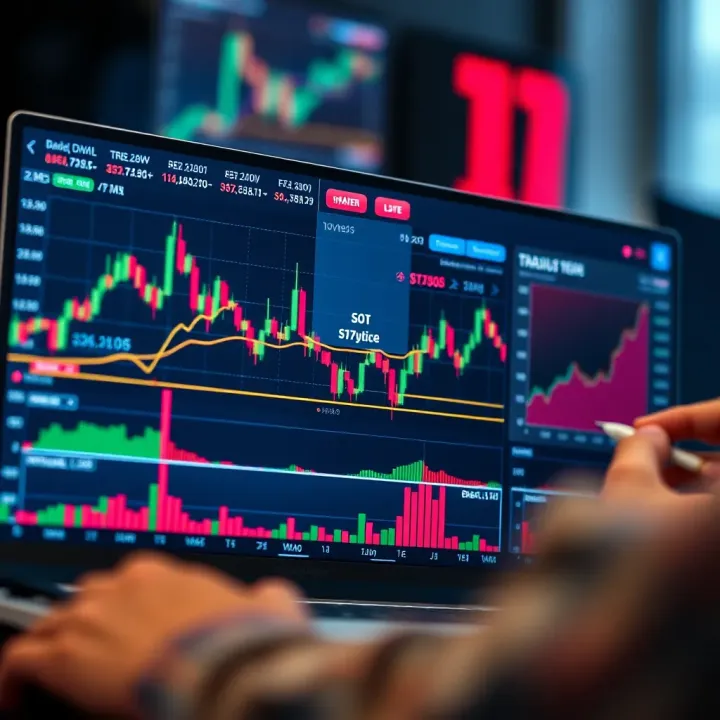
Deriv.tradingview Guide for Kenyan Traders
📈 Learn how Deriv.tradingview offers Kenyan traders powerful charts, market analysis, and smooth M-Pesa payments for smarter trading decisions every day.
Edited By
Henry Walsh
TradingView.com has become a vital tool for traders and investors, including those based in Kenya. Whether you're looking at the NSE (Nairobi Securities Exchange) or global markets like the NYSE or forex, TradingView provides accessible charting and analysis that helps you make informed decisions.
At its core, TradingView offers powerful interactive charts, real-time market data, and a platform to share your trading ideas with a community of investors. For Kenyan traders, its flexibility means you can monitor local stocks alongside commodities, forex pairs, and cryptocurrencies—all in one place.

It supports custom indicators and drawing tools, essential for technical analysis of volatile assets.
Integration with brokers allows for trading execution directly from the platform.
The social feature lets you follow local traders' strategies, which can be crucial in a market influenced by regional factors.
Kenya’s market can be affected by both local weather patterns, like the long rains impacting agricultural stocks, and regional politics. Real-time, visual tools help traders respond quickly to these changes.
Unlike many platforms focused solely on execution, TradingView shines in its visual clarity and customization. For example, you can set alerts for price movements on Safaricom or KCB shares, helping you catch opportunities without staring at your screen all day.
If you're used to analyzing charts on smaller devices, TradingView’s mobile app offers almost all desktop functionalities, suited to traders who rely on their phones during a busy day—or while commuting in a matatu.
To make the most of TradingView in a Kenyan context, keep in mind:
Adjust chart timings to East Africa Time (EAT) for accurate market hours.
Use cloud saving to access your work from any device, whether at home or in a cybercafé.
Explore community scripts for indicators that other Kenyan traders might have crafted, fitting the local market dynamics.
TradingView is not just a charting site but a hub to connect, learn, and evolve your trading practice. In the next sections, we will unpack its main features and how to tailor them for Kenya’s unique trading environment.
TradingView.com has become an essential tool in today’s trading environment, helping traders see the bigger picture and make informed decisions. For Kenyan traders, understanding what this platform offers is the first step towards improving market analysis and execution. It brings together powerful charting, real-time market updates, and community insights in one place, simplifying the complexities of trading.
TradingView.com provides a suite of charting tools that allow users to analyse price movements with great detail. From basic line charts to candlestick and Heikin Ashi types, traders have flexibility in visualising market behaviour. For instance, a trader examining the NSE 20 Share Index can easily spot trends or reversals using these charts, which helps in timing entries and exits better.
Beyond chart types, users can draw trendlines, mark support and resistance zones, and apply various technical patterns. These features make TradingView stand out because you can organise your workspace to match your trading style, helping you focus on what matters most.
One advantage that Kenyan traders can’t overlook is access to real-time market data. Delays in price updates can cost you dearly, especially when scalping or trading volatile assets. TradingView delivers live quotes for major stock exchanges, forex pairs, commodities, and cryptocurrencies.
Additionally, you can set custom alerts based on price levels or indicator signals. For example, you could get notified when the USD/KES forex rate hits a particular level, helping you react quickly to market moves without having to watch charts throughout the day.
TradingView supports a broad mix of tradable assets. Besides local shares listed in Nairobi Securities Exchange (NSE), the platform offers data on global markets like NYSE, LSE, forex, indices, bonds, and cryptos.
This variety allows Kenyan investors to diversify their portfolio and explore international opportunities without juggling different platforms. For example, a trader can track Safaricom shares and Bitcoin price on the same dashboard, making research smoother.
Kenyan traders often face barriers accessing foreign markets due to limited brokerage services or costly information. TradingView breaks down some of these walls by providing free or affordable access to global financial data.
You can compare foreign stock performance with local stocks or monitor commodity prices like oil and gold which influence the Kenyan economy. This helps in making holistic investment decisions, especially for those interested in forex or commodity-linked stocks.
One feature that adds value for Kenyan users is TradingView’s vibrant community. Traders share ideas, analysis, and strategies openly. This peer-to-peer learning can be crucial, especially where formal training resources are scarce.
For example, a beginner following local or regional analysts can learn how to spot setups specific to the NSE or forex market. The platform also hosts chats, polls, and public discussions, fostering engagement that sharpens trading skills through practical insights.
TradingView has integrated with various brokers that operate in Kenya or support Kenyan traders. This means you can connect your TradingView account to brokers like FXPesa or local forex firms allowing trade execution directly from the platform.
Plus, it supports payment plans that include M-Pesa and credit cards, easing subscription for premium features. This compatibility makes it practical for Kenyan traders to benefit fully from TradingView without switching tools or losing time.
In short, understanding TradingView’s offerings is key for Kenyan traders wanting an edge. It blends detailed analysis, live data, and community wisdom, all tailored to support effective trading across local and global markets.
Navigating the TradingView interface effectively is key for Kenyan traders aiming to make swift, informed decisions. The platform combines a range of tools and information within a single dashboard. Understanding how to move around and use these elements helps traders save time and spot opportunities in the busy local and global markets.
At the heart of TradingView is the chart area where you track price movements and patterns. For Kenyan traders, this visual representation is crucial — whether following NSE stocks or forex pairs like USD/KES. The drawing tools here let you mark trend lines, support and resistance, and other pattern signals that guide your entry or exit points. For instance, a trader might draw a channel to anticipate sideways movement before a breakout.
Watchlists help you keep an eye on selected stocks or assets relevant to your strategy. Say you focus on East African stocks or commodities like coffee or tea futures; you can group them for quick reference. The screener filters thousands of markets by criteria such as volume, price changes, or valuation, helping you find potential trades without wasting time scrolling. For example, you could screen for NSE shares with rising volumes and RSI below 30, signalling a possible buy opportunity.
Staying updated matters, especially when unexpected events shift markets fast. TradingView’s news feed aggregates market headlines and updates that affect Kenyan and global stocks in real time. Additionally, you can set alerts for price levels, indicator values, or custom criteria, so you get notified immediately, whether on desktop or mobile. This saves the hustle of constant monitoring and helps avoid missing chances during volatile sessions.
TradingView offers various chart types — candlestick, line, bar, hollow candles, and more. Each has its own strengths depending on the trader’s style. For example, candlestick charts are favourites because they show open, close, high and low prices clearly, which Kenyan traders rely on to interpret market sentiment day to day. Beginners might start with line charts for simple trend studies but shifting to candles gives more insight.
Indicators like Moving Averages, Relative Strength Index (RSI), and MACD act as mechanical eyes that reinforce decision-making. Kenyan traders often combine a 20-day moving average with RSI to confirm momentum before buying shares on the NSE or forex pairs on MT4. Indicators reduce guesswork by quantifying trends and potential reversals. However, they work best when customised to match your trading timeframe and asset.
Choosing the right timeframe can change how you read a chart completely. Day traders monitoring NSE 20 stocks may use 5-minute or 15-minute intervals to catch quick moves. Meanwhile, long-term investors might focus on daily or weekly charts to understand broader trends. TradingView also allows saving layouts and multiple charts on one screen, so you can compare different assets or timeframes side by side — a feature especially useful for Kenyan traders juggling forex, shares, and commodities.
Mastering the interface means spending less time hunting for info and more time focusing on strategy execution. It transforms TradingView from just a tool into a reliable trading partner in the Kenyan market scene.
Technical analysis tools on TradingView.com give Kenyan traders a strong edge to understand market movements and make smarter trading decisions. These tools help spot trends, price patterns, and potential turning points on charts, which can be vital when trading stocks, forex, or commodities. Using them effectively reduces guesswork in markets known for their ups and downs.
Moving averages smooth out price data over a set period, making it easier to spot trends. For example, a 50-day moving average shows the average closing price over the last 50 days. When the price crosses above this average, it might signal an uptrend starting, and crossing below could hint at a downtrend. Kenyan traders often apply both short-term (like 20-day) and longer-term (like 200-day) moving averages to understand market momentum and spot buy or sell signals.
Relative Strength Index (RSI) measures how fast prices have moved up or down, showing momentum strength on a scale of 0 to 100. An RSI above 70 may indicate an asset is overbought and due for a correction, while below 30 suggests it is oversold and could bounce back. For instance, if Safaricom’s share RSI is at 75, it tells traders to be cautious of a possible price dip soon. RSI helps avoid buying at peaks or selling at bottoms.
MACD and Bollinger Bands combine momentum and volatility insights. MACD (Moving Average Convergence Divergence) tracks changes between two moving averages, signalling bullish or bearish moves. When the MACD line crosses above its signal line, it’s a buy sign; crossing below signals selling. Bollinger Bands envelop price action within an upper and lower band set by standard deviations. Prices hitting the top band often meet resistance, while touching the bottom band shows support. Kenyan traders can spot breakouts or consolidations by watching how prices behave around these bands.
Trendlines and channels help visualise directions and strength of asset prices. Drawing a trendline by connecting higher lows confirms an uptrend, useful for buying decisions. Channels, formed by parallel trendlines, show price ranges; price bouncing within these guides entry and exit points. For example, tracking Kenya Power’s share movement within a channel helps plan buying near the lower line and selling near the upper.
Fibonacci retracements identify potential price reversal zones by measuring key percentage levels after a strong move. When a share rises sharply, the price often retraces to around 38.2%, 50%, or 61.8% of that move before continuing. Kenyan traders use these levels to set stop-loss or take-profit points, managing risk amid volatile markets like the NSE.
Support and resistance levels mark prices where buying or selling pressure repeatedly stops further movement. Support acts as a floor price, while resistance forms a ceiling. Watching these helps traders decide when to enter or exit trades. For instance, if KCB Group’s price struggles to break above KSh 40 (resistance), traders might wait for a breakout or prepare to sell. Identifying these zones sharpens timing and avoids costly mistakes.
Mastering these technical tools on TradingView equips Kenyan traders with practical skills to read charts confidently, spot chances early, and align trading strategies with real market behaviour.
TradingView’s social and community features offer Kenyan traders more than just charts and numbers—they open a window to a collective pool of knowledge and real-time insights. These features help users connect with others, exchange ideas, and learn practical strategies while keeping pace with a fast-moving market. For traders in Kenya, where access to timely global market information can sometimes lag, being part of this active community provides a clear advantage.
Idea sharing and public chats invite traders to post their market observations, strategies, or even simple questions on TradingView’s public forums. This is particularly useful for Kenyan traders looking to get fresh perspectives or refine their approach. For example, a trader observing the rising price of Safaricom shares might share their analysis and receive feedback from fellow users, highlighting different entry points or warning about potential risks. The public chat function allows for quick back-and-forth conversations, similar to how traders might exchange notes in a Nairobi coffee shop but at a global scale.
Following experienced analysts lets you track thought leaders or seasoned traders who regularly share their chart ideas and market predictions. This feature is valuable for new or intermediate traders seeking mentorship from afar. Instead of learning only from books or local hearsay, you get everyday insights grounded in data and experience. For instance, following an analyst who specialises in forex might help Kenyan forex traders improve their timing by comparing strategies that align with the Kenyan Shilling’s unique behaviour against other currencies.
Participating in polls and discussions encourages wider engagement from the community. Polls can gauge sentiment on particular assets, such as AGRO-Chemicals or NSE 20 Index movements, offering a snapshot of market mood. Discussion threads bring out diverse views, proving useful to understand factors affecting local stocks or commodities. This sense of engagement helps Kenyan traders avoid tunnel vision by exposing them to different angles and encouraging more balanced decision-making.
Accessing market news and analysis on TradingView provides Kenyan traders with timely updates that go beyond standard news outlets. The platform aggregates economic data, corporate earnings, and geopolitical events that influence prices globally. Quick access to such insights means a trader does not miss out on developments that might affect their portfolio, such as CBK policy changes or EAC trade developments.
Live broadcasts and webinars regularly feature analysts breaking down market trends or teaching specific strategies. For Kenyan traders balancing busy schedules, these sessions serve as practical learning opportunities without the need to leave home. Imagine joining a webinar explaining how to apply Fibonacci retracements specifically in volatile markets like NSE or forex. Such live interactions allow participants to ask questions in real time, making learning quicker and more effective.
User-generated scripts and strategies enable traders to access custom-built tools shared by others. For instance, a Kenyan trader might use a script designed to alert when M-Pesa-related stocks show unusual volume, or one that adjusts indicators to better suit local market rhythms. This user-generated content can significantly cut down the time needed to develop effective trading setups and offers a way to test ideas without starting from scratch.
Being active in TradingView’s community not only helps you stay informed but also sharpens your trading edge by learning from collective experience and diverse viewpoints. This is especially beneficial in Kenya’s growing but sometimes information-scarce trading environment.
In short, embracing TradingView’s social features means tapping into a rich network of traders and analysts, opening windows to new ideas and practical tools tailored for your trading needs.
TradingView becomes much more useful when integrated with local trading realities in Kenya. Kenyan traders often balance global market access with local regulations, payment systems, and broker platforms. Tying TradingView tools directly to Kenyan brokers, compliance requirements, and payment options improves efficiency and helps traders act swiftly without hopping between many systems.
Several brokers operating in Kenya support TradingView integration. Firms like EGM Securities, ACFX, and Exinity offer access through TradingView’s platform, letting traders analyse charts and even execute trades without switching apps. This compatibility means you get real-time quotes relevant for Kenyan market hours and instruments tailored to Kenyan users, such as forex pairs popular with local traders.
Using brokers that connect with TradingView simplifies monitoring your portfolio and placing orders. For example, a trader in Nairobi can track USD/KES currency movements and place trades immediately through a linked Kenyan broker’s account, all within TradingView’s platform.
Kenyan traders must report earnings and capital gains to the Kenya Revenue Authority (KRA). TradingView data combined with local compliance tools like iTax can help you maintain transparent records. Exporting charts, trade histories, and alerts from TradingView supports accurate tax filing and investment tracking.
Additionally, some brokers integrated with TradingView provide compliance reports compatible with Kenyan Securities Markets guidelines and the Capital Markets Authority (CMA) regulations. This integration reduces paperwork and improves adherence to Kenyan legal standards.
TradingView allows users to place trades directly if their broker supports it. This feature means you don’t have to hop between TradingView and a separate broker interface. Kenyan traders benefit from this especially when markets move fast, such as during announcements affecting the NSE or major currency fluctuations.
For instance, a trader watching the NSE 20 share index can spot a good buy signal on TradingView and execute the trade without delay. This integration saves crucial seconds and reduces the chance of errors that happen when switching tabs or apps.
TradingView offers several plans, from free to Pro, Pro+ and Premium tiers. Kenyan traders can start with the free plan to test features like basic charts, watchlists, and alerts. Paid plans unlock advanced tools, more indicators, and ad-free experience.
Many Kenyan traders appreciate starting small with the free version and upgrade when their trading grows serious. Upgrading is practical if you use complex strategies or manage multiple portfolios.
Kenyan users can pay for TradingView subscriptions with major credit and debit cards. More importantly, M-Pesa mobile money is increasingly accepted on global platforms, sometimes via third-party services, making payment easier. This method aligns well with Kenya’s strong mobile money ecosystem.
Using M-Pesa means subscribing from your phone without requiring a bank card, ideal for many Nairobi and upcountry traders who mostly transact via mobile.
Choosing the right TradingView plan depends on how intensive your trading is. Casual or part-time investors might find the free plan sufficient, while active day traders usually benefit from Pro or Premium plans with extra charts, faster alerts, and customised tools.
For example, a forex trader in Mombasa using multiple currency pairs daily will need Pro+ features for more indicators and alerts. Meanwhile, a long-term stock investor just tracking NSE shares could manage with the free plan.
Integrating TradingView with Kenyan brokers and payment options closes the gap between analysis and execution, making it a practical tool for local traders serious about performance and compliance.
This local integration maximises TradingView’s value, letting Kenyan traders harness global data with their familiar payment and regulatory systems.
📈 Learn how Deriv.tradingview offers Kenyan traders powerful charts, market analysis, and smooth M-Pesa payments for smarter trading decisions every day.
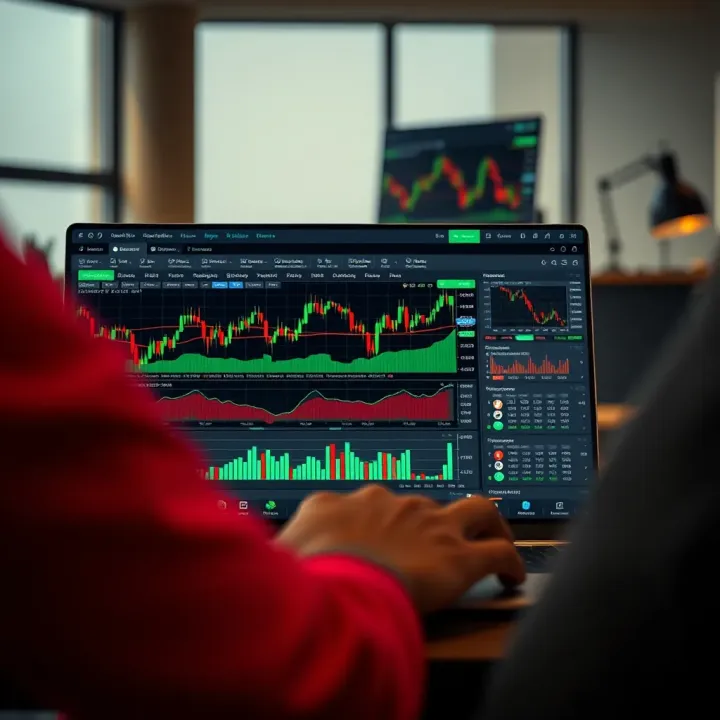
📈 Discover how Kenyan traders can boost strategies by using TradingView with Deriv. Learn platform features, integration, tips, and tackling common challenges in trading.
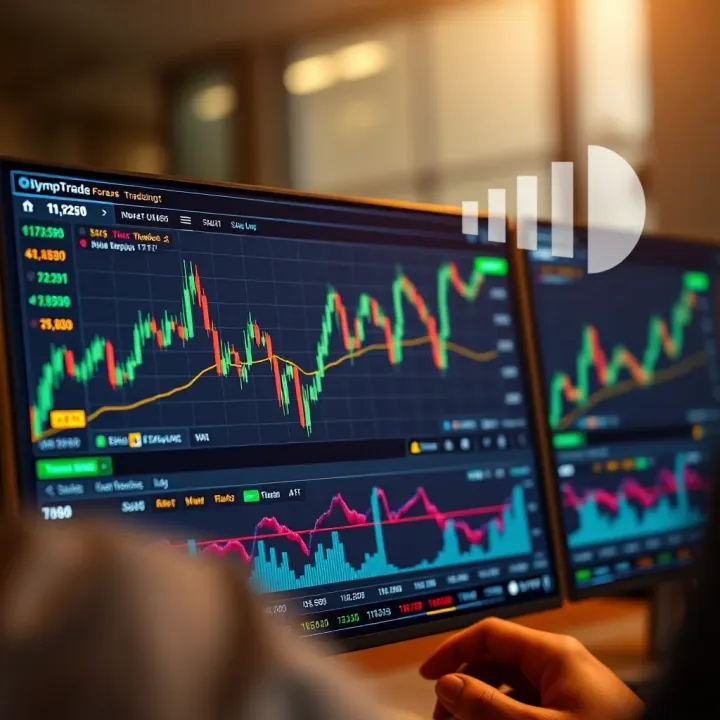
Ready to trade on OlympTrade? Learn how Kenyan traders can start with M-Pesa deposits, explore forex and options, master risks, and trade confidently 📈💻
Explore Fusion Markets for Kenyan traders 🔍 with low fees, global access 🌍, easy setup, key features & local tips for smart, secure trading with M-Pesa payments 💼
Based on 8 reviews