
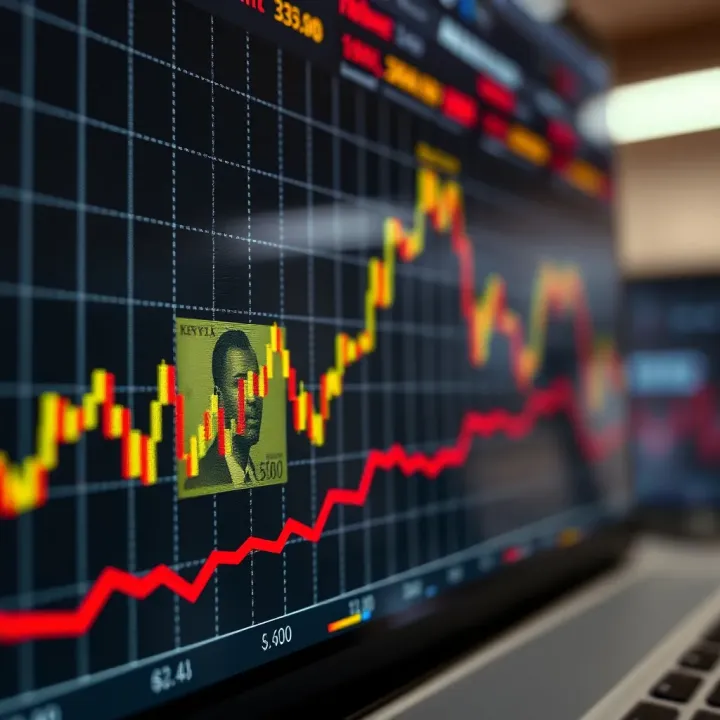
Practical Forex Trading Guide for Kenyan Investors
📊 Learn forex trading basics, market tips, and risk strategies tailored for Kenyan investors. Start smart, avoid common pitfalls, and grow your KSh portfolio today!
Edited By
Matthew Green
Forex trading involves the exchange of one currency for another, with the aim of making a profit from changing exchange rates. For Kenyan traders, understanding how forex markets operate is essential to participate effectively and safely.
At its core, forex trading revolves around currency pairs, like USD/KES (US dollar against Kenyan shilling). When the value of one currency rises relative to another, traders seek to buy low and sell high to earn profits. This market runs 24 hours a day across different time zones, allowing continuous trading.
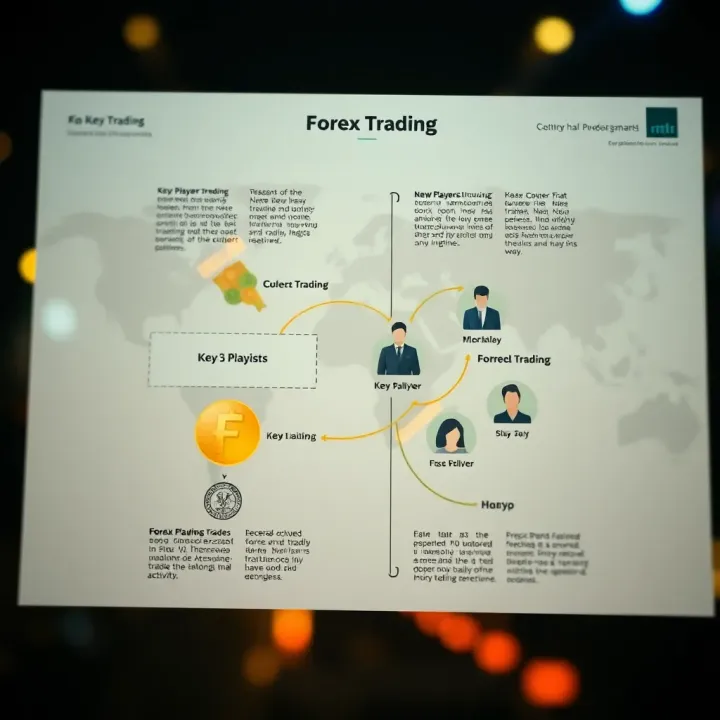
The main players in forex include commercial banks, central banks like the Central Bank of Kenya (CBK), multinational corporations, hedge funds, brokers, and individual traders. While banks handle large volumes for international trade and monetary policy, individual Kenyans mostly access forex through licensed brokers who provide trading platforms.
Trading forex involves risks such as market volatility, leverage effects, and geopolitical events. For example, sudden policy changes by CBK or global shifts like the US Fed interest rate decisions can cause sharp movements in USD/KES rates. It's wise for Kenyan traders to use risk management tools like stop-loss orders to limit potential losses.
The forex market offers benefits such as high liquidity, accessibility with small capital, and the chance to diversify investments beyond local equities or real estate. However, beginners should approach with caution and learn the basics thoroughly before committing significant funds.
Kenyan traders should ensure they work with brokers regulated by the Capital Markets Authority (CMA) to avoid scams and protect their investments.
To get started, Kenyans can open trading accounts through platforms supporting payments via M-Pesa or bank transfers. Also, keeping an eye on economic indicators like inflation rates, trade balances, and CBK policy statements helps make informed decisions.
In summary, forex trading requires understanding currency movements, market players, and risks involved. With proper knowledge and practical tools, Kenyan traders can participate confidently while navigating the complexities of these global markets.
Understanding how forex trading works is the first step for anyone interested in entering this global market. For Kenyan traders, getting a clear picture of the basics helps make informed decisions, reduces risks, and improves chances to earn profits. Knowing the mechanics of forex means you can better grasp how to read price movements, time trades, and select currency pairs that fit your trading strategy.
Trading currencies is unlike just buying stocks or bonds. It directly involves exchanging one currency for another, which is tightly linked to international trade, travel, and investment flows. For example, when a Kenyan exporter sells goods to the US, fluctuations in the USD/KES currency pair affect the value of their payments. Hence, forex trading has practical implications beyond the screen, influencing businesses and personal finances across Kenya and globally.
Forex trading is the buying and selling of currencies, aiming to profit from changes in exchange rates. If you expect the US dollar to strengthen against the Kenyan shilling, you could buy USD/KES to benefit from the shift. It’s a global market where currencies are traded continuously, driven by factors like economic news, interest rates, and political events.
Unlike local stock exchanges that focus on shares of companies, forex centres on currencies and their relative values. This means traders are betting on how one currency performs against another, rather than individual companies. This distinction matters because forex prices are influenced by broad economic indicators, affecting entire nations’ currencies.
Currencies are quoted in pairs, such as EUR/USD or USD/KES. The first currency is the base, and the second is the quote. The exchange rate tells you how much of the quote currency you need to buy one unit of the base currency. For instance, if USD/KES is 115, it means one US dollar buys 115 Kenyan shillings.
Supply and demand shape these rates. If many traders expect Kenya’s economy to improve, demand for KES might rise, increasing its value against other currencies. Conversely, political uncertainty can reduce demand and weaken the shilling. Understanding these forces helps traders anticipate market moves.
Forex trading happens 24 hours daily during weekdays, spanning global financial centres like London, New York, Tokyo, and Sydney. This non-stop nature offers flexibility, allowing Kenyan traders to engage at convenient times. For instance, evening hours in Nairobi coincide with European and American markets opening, times often rich with trading opportunities.
The continuous operation of forex markets offers Kenyan traders a chance to respond immediately to global events, unlike fixed hours in local stock markets.
This global access and liquidity make forex trading uniquely dynamic, though it also means staying updated and alert to sudden changes is crucial for success.
Understanding who the main players are in the forex market helps you grasp why currency prices move and where your trades fit in. The market consists of big institutions, individual traders, and governments—each with distinct reasons for trading and different impacts.
Banks and financial institutions are the heaviest hitters in the forex space. Large international banks conduct currency trading both for their clients and to manage their own investment portfolios. For example, Standard Chartered and Barclays, which have significant operations in Kenya, actively trade currencies to balance foreign exchange positions, support import-export deals, and offer liquidity to other market players. Their massive transactions can sway currency movement, so understanding their role gives you a sense of market depth.
Retail traders and individual investors like you and me participate in forex mainly to profit from currency price fluctuations. Thanks to internet brokers and platforms, retail traders can buy and sell currency pairs with relatively small capital. In Kenya, more people are becoming retail traders using platforms like MetaTrader or FXTM. However, retail traders face risks related to high leverage and volatile markets, making it crucial to learn carefully and manage risks properly.
Corporations and governments trade forex for practical business needs. A Kenyan exporter shipping tea to Europe will buy euros to match expected income, hedging against currency risk. Similarly, the Central Bank of Kenya intervenes occasionally to stabilise the shilling by buying or selling foreign currency reserves. Governments also engage in forex when repaying foreign debt or funding international projects. Their trades reflect real economic activity beyond speculation.
How brokers facilitate trades is fundamental to retail forex. Brokers act as the middlemen connecting you to larger liquidity providers or the interbank market. They provide access, leverage, and platforms for placing orders. Without brokers like HotForex or Pepperstone, individual traders wouldn't easily reach the forex market. They also offer customer support and sometimes educational resources tailored to newbie traders in Kenya.
Popular platforms accessible to Kenyans include MetaTrader 4 and 5, cTrader, and proprietary software from brokers. MetaTrader remains the favourite due to its user-friendly design, charting tools, and availability on mobile—critical for traders using smartphones on the go. Platforms compatible with M-Pesa payments simplify depositing and withdrawing funds, which matters a lot in Kenya's mobile-first payment environment.
Choosing the right broker and platform is as important as learning trading strategies because it controls your market access and overall experience.
Importance of choosing a regulated broker cannot be overstated. The Capital Markets Authority (CMA) in Kenya regulates forex brokers to protect traders from scams and unfair practices. Traders should pick brokers licensed by CMA or recognised international bodies like FCA or CySEC. Regulated brokers comply with rules such as segregating client funds and transparent pricing, which builds trust and reduces the chances of fraud—a sadly common problem in unregulated forex markets.
Picking a regulated broker ensures your money is safer and the trading environment fairer, so always check licences before creating an account.
By understanding these participants and their roles, Kenyan traders can better appreciate market dynamics and make informed choices about where and how to trade forex safely and effectively.
Understanding how to trade forex is a vital step for anyone serious about entering the market. This section breaks down the practical steps involved and introduces common strategies that help traders make informed decisions. Knowing the right steps and strategies can protect you from costly mistakes and increase your confidence when placing trades.
Opening a trading account is the first concrete move when you decide to start forex trading. Many brokers serving Kenyan traders provide an easy online registration process, often requiring a valid ID and proof of residence. Selecting a broker regulated by the Capital Markets Authority (CMA) is crucial to safeguard your funds and ensure fair trading practices.
Understanding leverage and margin is essential before placing any trades. Leverage allows you to control a larger position with a smaller amount of money, known as margin. For example, with 1:100 leverage, a deposit of KSh 10,000 can control a position worth KSh 1,000,000. While this can boost profits, it also multiplies losses, so managing leverage carefully is key to avoid wiping out your account quickly.
When funding your account, Kenyan traders often use convenient payment methods such as M-Pesa, bank transfers, or cards. Some brokers support instant deposits via M-Pesa Paybill or Lipa Na M-Pesa, making it easy to top up your trading balance. Always confirm the broker's accepted funding options and check for any deposit fees to avoid surprises.
Technical analysis basics involve studying price charts and indicators to predict future movements. Many traders in Kenya look at patterns like support and resistance or use tools such as moving averages. For instance, if the price consistently bounces off a certain level, it may signal a good entry or exit point. Familiarising yourself with chart reading helps to make trades based on market behaviour rather than guesswork.
Fundamental analysis considerations focus on economic news and events that impact currency values. A trader in Nairobi might follow updates from the Central Bank of Kenya regarding interest rates or look out for US economic figures if trading the USD/KES pair. Economic growth reports, inflation data, and geopolitical developments are also significant for understanding which way the market might move.
Effectively applying risk management methods is what separates successful traders from the rest. Setting stop-loss orders, which automatically close trades if losses reach a certain level, helps protect your capital. Many recommend risking no more than 1–2% of your trading capital on a single trade to manage risk properly. Using a trading journal to record your trades also enables review of what works and what doesn’t, thus improving future strategies.
Starting forex trading with clear steps and disciplined strategies will reduce unnecessary losses and increase your chances of making consistent profits. Discipline in execution, alongside continuous learning, goes a long way in this market.
This practical approach to trading—not just theory—helps Kenyan traders build skills steadily while navigating the unique challenges and opportunities the forex market presents.
Understanding the risks and benefits of forex trading is essential for any trader, especially in Kenya where market access and local conditions can shape the trading experience. Being aware of these factors helps traders make informed decisions and manage their expectations realistically.
The forex market is one of the most liquid markets globally, with daily trading volumes exceeding $6 trillion. This liquidity means traders can enter or exit positions swiftly without significant price changes, which is beneficial for those looking to trade frequently or hold positions for only short periods. For Kenyan traders using platforms accessible through stable internet connections, this liquidity ensures that trades execute almost instantly, lowering the risk of slippage.
Moreover, forex trading is available 24 hours a day during the week, allowing Kenyan traders to participate at their convenience. Whether you trade before heading to work or late at night, the market’s continuous nature provides flexibility. For example, a trader in Nairobi can respond to economic news from Europe or Asia outside Kenyan business hours, capitalising on movements as they happen.
Currency pairs fluctuate due to economic data releases, geopolitical events, and monetary policy changes. Traders can profit whether the market moves up or down by buying one currency and selling another. For instance, if the US Dollar strengthens against the Kenyan Shilling due to interest rate hikes in the US, a well-positioned trader can make gains even without owning US assets directly.
This flexibility offers more opportunities than markets limited to price increases, like traditional stock trading. Kenyan traders who follow economic calendars and news can spot events like Central Bank Kenya (CBK) policy decisions or global trade developments to anticipate currency swings and trade accordingly.
While volatility creates profit chances, it also brings unpredictability. Sudden economic announcements or political unrest can cause sharp price swings within minutes. For example, unexpected changes in Kenya's trade policies may send the Kenyan Shilling into rapid decline, wiping out open profits quickly.
Traders who do not prepare for such volatility might face steep losses. It’s crucial to monitor market news and adjust your trading size and stop-loss orders to protect yourself against wild moves.
Leverage allows traders to control large positions with small capital, making profits potential larger but magnifying losses too. Suppose a trader uses KS00,000 but controls a position worth KS million (10:1 leverage). A 10% adverse move results in losing the entire account balance.
High leverage can lure traders into risky bets, especially novices unaware of its impact. Kenyan brokers usually provide regulated leverage limits, but it’s wise to use only what you can afford to lose and apply risk management techniques like stop-loss orders.
Forex scams are a real threat, with some fake brokers exploiting unaware traders. These scams might promise guaranteed profits, offer unlicensed platforms, or refuse to process withdrawals. In Kenya, brokers should be licensed by the Capital Markets Authority (CMA). Trading with unregulated entities exposes you to fraud and loss of funds.
Always verify if a broker is on the CMA’s licensed list and seek reviews or recommendations from trusted Kenyan trading communities. For example, several Kenyans have reported losses after dealing with brokers offering unusually high bonuses but hiding withdrawal terms.
Always prioritise safety by researching and choosing brokers regulated by CMA Kenya before committing funds to forex trading.
By weighing these benefits and risks carefully, you can navigate the forex market with more confidence, especially in the Kenyan financial environment, and avoid pitfalls that many new traders encounter.
Forex trading has gained noticeable traction among Kenyans, especially as more people seek alternative income streams beyond traditional jobs. The easy access to online platforms, combined with Kenya's growing digital payment infrastructure, makes forex trading a practical option for many. It allows traders to take advantage of currency movements, especially the US dollar and euro against the Kenyan shilling, which can fluctuate due to global economic events or local developments. This market offers liquidity and the chance to trade nearly 24/7, appealing to Kenyans juggling other work or businesses.
The Capital Markets Authority (CMA) is the main regulator overseeing forex trading activities within Kenya. Its role is to ensure the integrity and transparency of financial markets by licensing brokers, enforcing trading rules, and protecting investors from dishonest operators. For Kenyan traders, CMA-regulated brokers provide an additional layer of security because these brokers must comply with strict operational and financial standards.
CMA also educates the public about safe trading practices and issues warnings against unlicensed entities. This reduces the chances of falling victim to scams, which are unfortunately common in unregulated forex environments. In that sense, understanding CMA's role helps traders make more informed choices.
Trading through regulated brokers is crucial to avoid losing money to unscrupulous operators. Regulated brokers operate under clear rules that protect client funds, like segregating client accounts and offering dispute resolution channels. Without this, traders risk their deposits disappearing without recourse.
Moreover, working with regulated entities often means better trading conditions — such as reliable platforms, fair spreads, and transparent pricing. For example, a Kenyan trader using a CMA-licensed broker can be more confident they will execute trades as promised and have access to help if issues arise.
One key practical advantage Kenyan traders enjoy is the ability to fund their forex trading accounts using M-Pesa or local bank transfers. Since M-Pesa is widely used and accepted, many brokers partner with local payment gateways to facilitate fast and low-cost deposits and withdrawals.
This convenience eliminates the need for cumbersome international bank transfers or credit cards, which may have high fees or delays. For instance, a trader in Kisumu or Nakuru can top up their forex account through M-Pesa close to instantaneously, allowing them to react to market opportunities swiftly.
Access to stable internet is essential for real-time trading and analysis. In urban centres like Nairobi and Mombasa, most traders enjoy uninterrupted connections supporting fast order execution. However, rural areas sometimes struggle with inconsistent internet, which can disrupt trading.
Kenyan traders also benefit from numerous mobile-friendly trading apps like MetaTrader 4 or 5, which work well on smartphones. Coupled with charting tools and economic calendars, these apps equip traders with the necessary instruments to make timely and well-informed decisions.
Despite opportunities, Kenyan traders face challenges such as occasional unreliable internet, limited local mentorship, and the temptation of overleveraging due to aggressive marketing by some brokers. There is also the risk of fake or unregulated brokers claiming to operate locally.
To navigate these, many traders join local forex groups on social media or attend seminars organised by CMA or trusted financial educators. These platforms provide a community where traders can share insights, warn each other of scams, and improve their skills.
Trading forex in Kenya combines global opportunities with local realities. Understanding regulations and using practical tools sharply increases the chances of success.
In summary, forex trading in Kenya is shaped by a growing digital economy, CMA regulation, local payment systems like M-Pesa, and access to mobile internet. Traders who respect the legal framework and prepare for practical hurdles tend to have smoother, more secure trading experiences.
📊 Learn forex trading basics, market tips, and risk strategies tailored for Kenyan investors. Start smart, avoid common pitfalls, and grow your KSh portfolio today!
🌍 Discover how Kenyan investors can start online forex trading safely, choose proper platforms, understand risks, and apply strategies tailored to Kenya’s economy. 📈

Discover how Kenyan traders can master TradingView.com 📈 with easy-to-use charts, real-time analysis, custom tools, and connect with fellow investors locally and beyond.
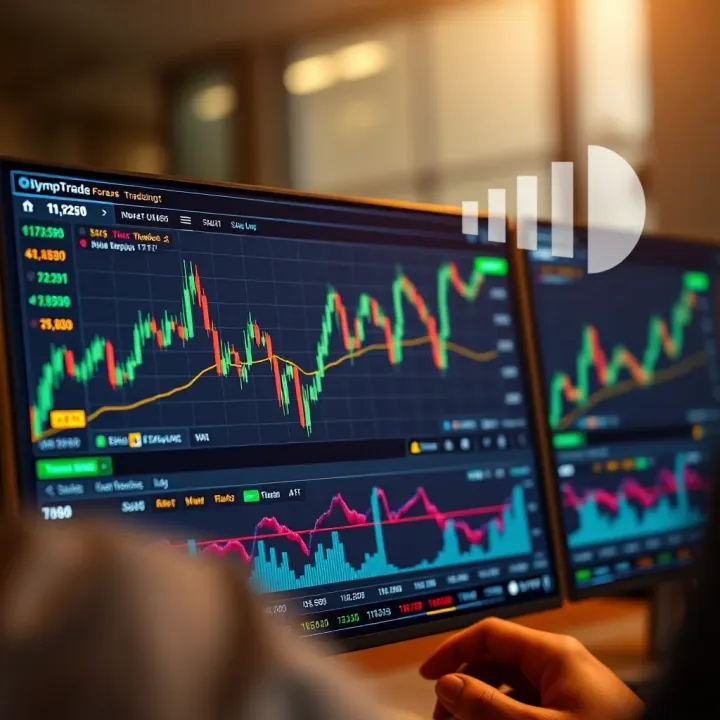
Ready to trade on OlympTrade? Learn how Kenyan traders can start with M-Pesa deposits, explore forex and options, master risks, and trade confidently 📈💻
Based on 8 reviews