
Forex Trading for Beginners: Practical Steps to Start
📈 Learn forex trading basics, market operation, essential strategies, and risk management. Practical steps for Kenyan beginners to start trading confidently with KSh.
Edited By
Lily Watson
Forex trading involves buying and selling currencies to make a profit from their changing values. In Kenya, more people are turning to forex as a way to increase income, but it can be a bit tricky if you don’t understand the basics well.
The forex market operates 24 hours a day, five days a week, meaning it moves constantly. This offers an opportunity to trade anytime, but understanding market hours, like when London, New York, or Tokyo sessions are active, helps you pick the best times to trade.
The key to starting forex trading is grasping the fundamental terms. For example, a currency pair like USD/KES shows how many Kenyan shillings one US dollar can buy. The spread is the difference between the buying (ask) and selling (bid) price – it’s how brokers make money.
Opening a trading account with a reliable broker registered with the Capital Markets Authority (CMA) is vital. Brokers such as HF Markets or Exness Kenya offer access to the market and tools needed to trade. Use demo accounts first to practise without risking real money – this step is crucial for building confidence.
Always remember, forex trading carries risk. You should only trade money you can afford to lose and always use tools like stop-loss orders to limit potential losses.
To trade successfully, you’ll need:
A stable internet connection and a mobile or laptop
Understanding of leverage and margin – borrowing money to control larger trades, but it increases risk
Knowledge of basic technical analysis: reading charts and spotting trends
Awareness of economic news that affects currency values, such as Central Bank rate decisions or political events
For example, if the Central Bank of Kenya raises interest rates, the Kenyan shilling might strengthen, affecting the USD/KES pair. As a trader, knowing this helps you make informed bets.
By mastering these basics and testing your strategies carefully, you can navigate the forex market's ups and downs more confidently. This guide will show you practical steps to make your forex journey clear and actionable.
To get a firm footing in forex trading, understanding the basics is key. It lays the foundation for making informed decisions and helps you avoid costly mistakes. Knowing how the forex market works, the key players involved, and the currencies traded gives you a clearer view of what influences price movements, so you can trade wisely.
The forex market is the largest financial market worldwide, where currencies are bought and sold 24 hours a day across major financial centres. It never sleeps because different regions open and close at various times, from Tokyo to London to New York. This means if you are trading from Nairobi, you can still access the market during off-hours locally. Understanding this global operation helps you plan your trading schedule better and take advantage of market activity.
The market involves several players, each with a different role. Central banks, such as the Central Bank of Kenya, influence currency values by adjusting interest rates or controlling money supply. Commercial banks deal with foreign exchange for clients and speculative trades. Retail traders like you participate through brokers. Knowing who moves the market can help you anticipate when major shifts might happen, for example when central banks announce policy changes or geopolitical events occur.
Forex trading always involves currency pairs, like USD/KES (US dollar to Kenyan shilling) or EUR/USD (Euro to US dollar). You are essentially buying one currency while selling another. Understanding currency pairs helps you grasp what you are trading and why prices fluctuate. For instance, if the US economy strengthens, the USD may rise against the KES, affecting the pair’s price. Tracking these pairs lets you spot trends relevant to your trade.
A pip is the smallest unit of price movement in forex, often the fourth decimal place for most currency pairs. For example, if USD/KES moves from 108.3500 to 108.3600, that's a one pip change. Lots refer to the size of your trade, with a standard lot being 100,000 units of the base currency. Since that's a large sum, many traders start with mini or micro lots, which are smaller. Leverage allows you to control a bigger position with a smaller deposit, amplifying both profits and losses. For example, 50:1 leverage means you can trade KSh 50,000 for every KSh 1,000 in your account. Be cautious with leverage—it can be risky if unmanaged.
Every currency pair has two prices: the bid and the ask. The bid is the price buyers are willing to pay, while the ask is the price sellers want. The difference between them is the spread. When you buy a currency, you pay the ask price; when selling, you receive the bid. Understanding these helps you know your entry and exit costs better.
The spread is the difference between the bid and ask prices, representing the broker’s fee. For example, if USD/KES bid is 108.350 and ask is 108.355, the spread is 0.005, costing you a small upfront expense on trades. Margin refers to the amount you must deposit to open a trade using leverage. It’s not a fee but collateral. If you don't meet margin requirements, the broker may close your position. Managing margin is essential to avoid unexpected losses.
Remember: A solid grasp of these basics will save you from many newbie pitfalls and set you on the right path in forex trading.
Starting forex trading in Kenya requires laying a solid foundation to avoid costly mistakes. Setting up correctly helps you trade confidently and stay secure while navigating forex markets. This means choosing the right broker, understanding account types, funding safely using familiar methods like M-Pesa, and mastering essential trading tools.
Regulation and licensing considerations in Kenya are vital. Kenyan traders should pick brokers regulated by bodies such as the Capital Markets Authority (CMA). This ensures the broker follows Kenya's laws and protects your investments. For example, a broker licensed by CMA must maintain segregated client funds and submit to regular audits, reducing the risk of fraud or mismanagement.
Next comes evaluating broker fees and platforms. Different brokers charge varying spreads, commissions, and overnight fees that directly impact profitability. Low-cost trading platforms like MetaTrader 4 or 5 are popular for their user-friendly interfaces and wide toolsets. Before signing up, compare fees and platform features carefully — a broker with hidden charges or clunky software could eat into your margins quickly.
The significance of customer support can’t be overstated. Trading sometimes hits bumps, and prompt, clear assistance matters a lot. Many Kenyan brokers now offer support via phone, email, and WhatsApp during market hours. Imagine being unable to access your funds or execute trades during a market move; responsive customer care helps prevent such headaches.
Forex brokers offer several account types, including standard and mini accounts. Beginners often start with mini accounts requiring lower deposits, allowing practice without risking too much capital. Knowing your risk tolerance helps you pick an account that matches your investment size and trading style.
For funding, safe methods including M-Pesa make deposits and withdrawals straightforward for Kenyan traders. M-Pesa integration with some brokers eliminates lengthy bank transfers and high charges, making it possible to start trading with as little as KSh 1,000. Always use verified funding channels to protect your money.
Account verification procedures typically involve submitting identity documents and proof of address. These steps meet regulatory requirements and help prevent fraud. While this may delay starting a bit, verification safeguards your funds and fosters trust between you and your broker.
Popular platforms like MetaTrader 4 (MT4) and MetaTrader 5 (MT5) are staples among Kenyan traders. MT4 is lighter and simpler, ideal for beginners, while MT5 offers advanced features like more timeframes and order types. Both enable instant trade execution and provide automated trading through Expert Advisers, which some traders find useful.
Charting and technical analysis tools embedded within these platforms allow real-time trend tracking and market screening. Kenyan traders can apply indicators such as Moving Averages or Relative Strength Index to spot entry and exit points. Mastering these tools is key in making informed trading decisions.
Trading on the go is easy with mobile trading options. Apps for Android and iOS provide access to your account, charts, and analysis tools anytime. This flexibility suits busy professionals in Nairobi or other towns who want to monitor trades between daily errands or commutes.
Setting up your forex trading correctly from the start protects you from scams, controls costs, and builds the foundation for smarter trading moves. Choose your broker and platform carefully, fund safely, and take advantage of tools to sharpen your skills.
Developing trading skills and strategies is essential for anyone serious about forex trading. Without these, trades can turn into wild guesses rather than informed decisions. Skill-building helps you understand market movements better, while strategies give you a plan for entering or exiting trades based on clear criteria. For example, a trader using swing trading strategies will approach the market differently from one focused on scalping, so knowing your style shapes your approach.
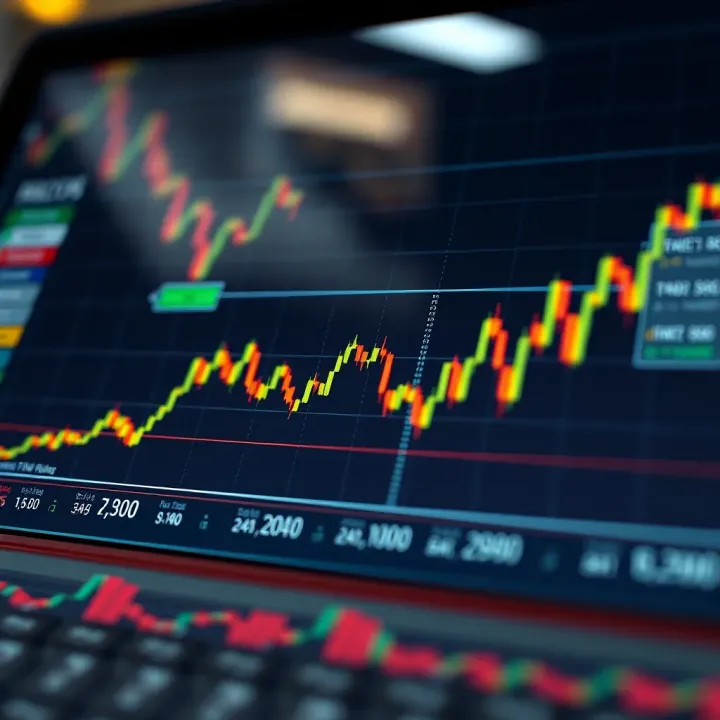
Reading charts and identifying trends is the backbone of technical analysis. Charts show price movements over time, helping traders spot patterns like upward trends, downward moves, or sideways action. For instance, recognising a consistent upward trend in the USD/KES pair could signal a good moment to buy. Using tools like trendlines or moving averages can make these patterns clearer, especially when the market appears choppy.
Understanding economic news impact involves watching how events like Central Bank policy announcements, inflation reports, or employment figures affect currencies. A strong economic report from the US might boost the dollar, causing ripple effects in forex pairs. For example, if the US Federal Reserve raises interest rates, Kenyan traders holding USD denominated assets might see shifts in exchange rates, impacting their positions.
Using indicators sensibly means applying tools like the Relative Strength Index (RSI) or Moving Average Convergence Divergence (MACD) without relying on them blindly. Indicators can confirm trends or signal overbought/oversold conditions, but they often lag behind price moves. The key is to combine indicators with your own judgement rather than following them mechanically. For example, if RSI suggests a currency is overbought but economic news points to strength, it’s wise to consider both factors.
Scalping and day trading explained: Scalping focuses on very short trades, often a few minutes, to catch small price changes. Day trading holds positions throughout the day but avoids overnight risk. These strategies suit disciplined traders with time to monitor markets actively. For example, a Nairobi-based trader might scalp USD/UGX during peak hours, capitalising on momentary volatility.
Swing trading basics involves holding trades for several days to catch market swings. This strategy suits those who can’t monitor markets every minute but want to benefit from broader price moves. A beginner might buy EUR/USD after spotting a bullish pattern and hold for a few days as price climbs, closing once momentum slows.
Risk management techniques include setting stop-loss orders and limiting your exposure to a small percentage of your trading capital. Even the best strategy fails without controlling risk. For example, risking only 2% of your KSh 50,000 account on any single trade helps survive losing streaks while preserving capital for future opportunities.
Why start with a demo account: Demo accounts allow new traders to practise without risking real money. Using virtual funds, you can test strategies and get familiar with the trading platform. This trial phase is vital for building confidence, similar to a pilot practising in a flight simulator before actual flights.
Developing discipline and confidence comes from consistent practice. Sticking to your plan, even when results vary, helps build mental strength. For instance, a trader who journals every trade and reviews mistakes regularly is more likely to stick to their strategy and improve over time.
Tracking performance and learning from mistakes involves noting down trades, outcomes, and decisions. This review process points out what works and what doesn’t, helping refine strategies. Imagine a trader who notices a tendency to exit too early on winning trades and adjusts the plan to capture bigger gains next time.
Practising skills and strategies steadily prepares you to face real market challenges with a clear mind and controlled risks, a must for long-term success in forex trading.
Risk management is a cornerstone of sound forex trading. Without a clear grasp on risks, even a well-planned trade can quickly spiral into heavy losses. Managing risks helps protect your capital and keeps your trading journey sustainable, especially in markets as volatile as forex. Avoiding common mistakes, such as overleveraging or falling for scams, ensures you stay on the right path and can trade with confidence.
Leverage allows traders to control a large position with a smaller amount of capital. For example, using 1:100 leverage means you can trade KSh 100,000 with just KSh 1,000. While this can boost profits if the trade moves in your favour, the same leverage can amplify losses, sometimes wiping out your entire deposit quickly. This double-edged nature makes understanding leverage crucial.
Setting appropriate leverage levels depends on your experience and risk tolerance. Beginners should start with low leverage, such as 1:10 or 1:20, to limit exposure. Using high leverage might sound tempting to maximise returns, but it increases the chances of margin calls and fast depletion of funds, especially in unexpected market swings common with news releases or economic shocks.
Margin calls happen when your account equity falls below a broker’s required minimum margin. At this point, the broker may ask you to add funds or close losing positions to prevent further losses. Stop-out levels are the thresholds where the broker automatically closes some or all of your trades to protect their capital. Understanding these helps you plan your trades and avoid sudden liquidation of positions, which can be costly.
Impulsive decisions often arise from greed or fear. For instance, chasing losses by increasing trade size frequently leads to bigger losses. Staying disciplined requires a calm mindset, sticking to your trading plan, and not reacting hastily to short-term market moves. This control improves your long-term results.
Managing losses and gains realistically means accepting that losses are part of trading. Setting stop-loss orders helps cap possible losses, while taking profits at reasonable levels avoids the trap of holding on too long hoping for more. Thinking in terms of risk-to-reward ratio, like risking KSh 500 to gain KSh 1,000, makes trading more structured and less emotional.
Keeping a trading journal allows you to record every trade's details, including rationale, emotions, and outcomes. Over time, this provides insights into patterns, mistakes, and strengths, enabling you to refine your approach. For example, you might notice you trade poorly after a night without enough sleep or that certain currency pairs perform better with your strategy.
Controlling emotions and using proper risk management tools are as vital as analysing charts or economic data.
Forex scams persist in Kenya, often promising unrealistic returns or using aggressive sales tactics. Common schemes include fake brokers, signal services charging upfront fees without delivering, or Ponzi-style setups. Being aware of these tactics helps protect your hard-earned money.
Verifying broker credibility means checking for licences from recognised bodies such as the Capital Markets Authority (CMA) in Kenya or other reputable international regulators. An unregulated broker poses significant risks, including the possibility of losing your funds with no recourse.
Protecting personal and financial information is another layer of safety. Avoid sharing passwords, PINs, or personal ID unnecessarily. Use secure internet connections and confirm that brokers’ platforms employ encryption. This prevents fraud or identity theft while you manage your forex account.
By staying alert to risks and pitfalls, you build a stronger foundation for your forex trading career in Kenya’s dynamic market.
Navigating the forex market as a Kenyan trader involves more than understanding charts and strategies. Practical considerations such as following local regulations, managing your funds efficiently, and having a reliable support network can make a big difference in your trading success. These elements help you avoid common pitfalls and stay within legal boundaries while making your trading experience smoother.
Forex trading in Kenya is regulated by the Capital Markets Authority (CMA). This means you should deal with brokers licensed or authorised by the CMA to ensure your investments are protected. For example, trading through an unregulated broker might expose you to fraud or difficulties reclaiming your funds. Always check the CMA’s list of approved brokers before opening an account.
Profits from forex trading are subject to taxation under Kenyan law. This includes income tax as outlined by the Kenya Revenue Authority (KRA). If trading is your main income, you should report these earnings in your annual tax returns. Ignoring this may lead to penalties or audits, which can disrupt your trading journey.
Maintaining detailed records of your trades, deposits, withdrawals, and profits is essential for tax compliance. Using spreadsheets or dedicated accounting software helps track your trading activity clearly. For instance, you can easily calculate gains or losses over a financial year, simplifying your tax filing and ensuring you pay the correct amount to KRA.
M-Pesa remains the most popular and convenient mobile money service in Kenya, widely accepted by many forex brokers. Depositing funds from your M-Pesa wallet directly into your trading account speeds up transactions and reduces hassle. Similarly, withdrawing profits back to M-Pesa helps you access your money quickly without relying on banks.
Since most forex trading accounts are denominated in US dollars or euros, currency exchange rates affect your deposits and withdrawals. For example, transferring KSh 10,000 might not equal the same USD value every day due to fluctuations. Keep an eye on the Kenya shilling’s value against foreign currencies to pick the best times to fund your account or cash out profits.
To ensure smooth withdrawals, verify any broker fees or limits beforehand. Some brokers may have minimum withdrawal amounts or charge for transfers, which can affect your receivables. Checking payment policies in advance prevents surprises. Also, be aware that withdrawing via M-Pesa tends to be faster compared to bank wire transfers, which might take several days.
Connecting with fellow traders in Kenya offers practical insights and peer support. Communities on platforms like Telegram, WhatsApp, and Facebook provide real-time discussion on market moves and local broker experiences. Engaging here helps you stay updated on relevant news and avoid scams.
Kenyan websites, blogs, and YouTube channels dedicated to forex trading produce content tailored to your market conditions, payment options, and regulatory environment. Accessing these locally-focused materials improves your understanding beyond general global advice.
Workshops organised by Kenyan financial educators or brokerages offer hands-on training and networking. These events allow you to interact with experts, ask questions, and see strategies demonstrated live. Though some may charge fees, the personal support and local context can be well worth the investment.
Practical steps like complying with Kenya's regulations, carefully managing funds via M-Pesa, and building a reliable support network position you for better forex trading outcomes locally. Approach trading not just as a market game but as a disciplined activity backed by knowledge and community.
📈 Learn forex trading basics, market operation, essential strategies, and risk management. Practical steps for Kenyan beginners to start trading confidently with KSh.
Learn how to trade forex safely in Kenya using M-Pesa for quick deposits and withdrawals. Discover trusted platforms, legal tips, and practical steps to grow your KSh wallet! 📈💰
💹 Learn how to trade forex online safely in Kenya. Discover trusted platforms, payment methods like M-Pesa, risk tips, and local regulations to boost your trading skills.

📊 Learn forex trading basics for beginners in Kenya, including market insights, practical start-up tips, risk management, and navigating local financial conditions confidently.
Based on 15 reviews