

Understanding Forex Trading for Kenyan Traders
📉 Get a clear, practical guide to forex trading in Kenya! Understand market basics, currency factors, risk management, and tech setup to trade confidently.
Edited By
Edward Hughes
Forex trading involves buying and selling currencies to profit from changes in exchange rates. Unlike the stock market, forex runs 24 hours a day, with global banks, institutions, and individual traders exchanging trillions of shillings per day. For Kenyan traders, understanding the forex market’s unique nature and practical trading methods is key to making smart investment decisions.
Kenya’s growing digital economy and mobile payment systems like M-Pesa have made forex trading more accessible for local investors. However, trading forex requires more than just opening an account. You need to grasp the basics of how currency pairs work, learn key trading strategies, and know how to manage risk adequately. Without this, losses may wipe out your capital quickly.
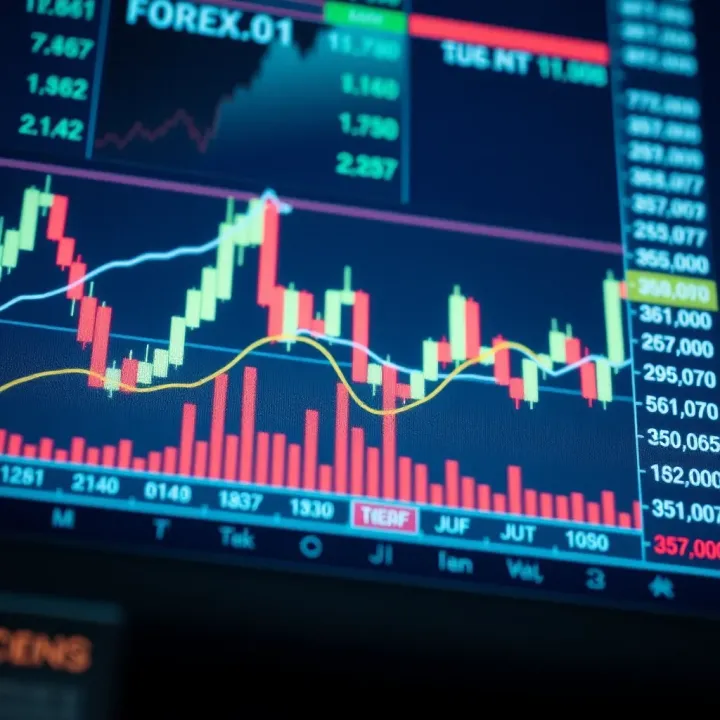
Successful forex trading demands discipline and a clear understanding of both fundamental and technical analysis tailored to the Kenyan context.
Forex trading is the exchange of one currency for another. It involves pairs such as USD/KES (US dollar to Kenyan shilling), EUR/USD, or GBP/USD. Currency values fluctuate constantly due to economic indicators, political developments, and global market sentiment.
Liquidity: Forex is highly liquid, meaning you can enter or exit trades almost instantly.
Leverage: Brokers often offer leverage, allowing control of large positions with a small deposit; however, leverage increases risk.
Volatility: Price swings can be large, offering chances for gain but also risks.
Kenya has recently witnessed rising interest in forex trading as more people seek alternative income streams beyond traditional savings and business. Trading with KSh on platforms supporting M-Pesa payments makes entry easy. Also, tracking local economic data like CBK interest rate changes, inflation figures, and government policies helps forecast currency movements.
Understanding forex enables Kenyan traders to:
Diversify their investment portfolios.
Access global markets directly without relying on local intermediaries.
Capitalise on both rising and falling markets through buying or selling currency pairs.
Before starting live trades, you should:
Open a trading account with a regulated Kenyan forex broker.
Learn to use trading platforms such as MetaTrader 4 or 5.
Practice with demo accounts to test strategies without risking money.
Mastering these basics sets the foundation for a sustainable forex trading journey in Kenya.
Understanding the basics of forex trading is the foundation for anyone aiming to succeed in this market. Grasping how forex works helps you avoid costly mistakes and build strategies that align with real-world trading conditions. For example, knowing the market operates 24 hours across different time zones informs your decisions on when to trade and when to step back.
Forex trading, or foreign exchange trading, involves buying and selling currencies. It is the largest financial market worldwide, with daily transactions exceeding $6 trillion. This vast scale means liquidity is high, enabling traders to enter and exit positions quickly. For a Kenyan trader, this means you can access currency volatility at almost any time, whether you are exchanging KSh against the US dollar or the euro.
Forex trading always happens in pairs, such as USD/KES (US dollar vs Kenyan shilling) or EUR/USD (euro vs US dollar). The first currency is called the base, and the second is the quote. When you buy a pair, you buy the base currency and sell the quote. Any price movement reflects changes in how much one currency is worth relative to the other. This setup allows traders to benefit from fluctuations in exchange rates.
Unlike stock markets, forex has no central exchange and is highly decentralized. It operates over-the-counter (OTC), meaning trading happens directly between parties through electronic networks. This decentralisation provides flexibility, continuous trading hours, and fewer restrictions. For instance, while Nairobi Securities Exchange (NSE) runs a fixed schedule, forex is active in overlapping sessions around the globe, giving Kenyan traders more opportunities throughout the day.
The forex market involves a mix of actors: banks, hedge funds, corporations, brokers, and individual traders. Banks provide liquidity and set prices, while corporations use forex to hedge risks from international trade. Brokers act as intermediaries for individual traders and institutional investors. Understanding who you’re trading against helps make sense of market moves; for example, a large bank’s trades can cause sudden price swings you should watch for.
Forex operates in four major sessions: Sydney, Tokyo, London, and New York. Each brings different liquidity and volatility patterns. London trading overlaps with New York, producing high volume and often more price action. Kenyan traders would benefit from focusing on these periods, especially London and New York afternoons, as they offer better opportunities for quick trades or setting strategic positions.
The main forex centres lie in different time zones, which means the market never sleeps. Sydney opens the week, followed by Tokyo, then London, and finally New York. This cycle restarts with the Sydney session on Monday. Aligning your trading hours with these centres helps you tune into the most active market windows, avoiding times when the market is quiet and spreads widen. For example, trading the USD/KES pair during London and New York sessions often results in tighter spreads and smoother execution.
Remember, understanding the market's rhythm and players improves your timing and helps manage risk effectively in forex trading.

Understanding core concepts and tools is foundational for anyone serious about forex trading. These elements help you navigate the market with confidence and make informed choices. From grasping the key terms traders use daily to applying analysis methods, knowing what's under the hood can save you from costly mistakes.
A pip is the smallest change in a currency pair's price, commonly 0.0001 for most pairs like USD/KES. When the price moves by one pip, it means a tiny shift, but multiplied by lots, it can impact your profit or loss significantly. Speaking of lots, this term refers to the size of your trade. A standard lot is usually 100,000 units of the base currency. However, most retail traders work with mini or micro lots because full lots require bigger capital. Finally, leverage allows you to control a large position with a fraction of the actual amount—say, 1:100 means you can control KSh 100,000 with just KSh 1,000. Though handy, leverage amplifies both gains and losses, so use it with care.
The spread is the difference between the bid and ask price—essentially, this is the broker’s fee embedded in the trade. For example, if EUR/USD has a bid of 1.1000 and ask of 1.1002, the spread is 2 pips. Lower spreads usually mean better deal for you but beware some brokers might offer low spreads yet charge extra fees. Margin is the amount of money required in your account to maintain an open position. Think of it as a good faith deposit. If your margin falls below the maintenance level due to losses, the broker may issue a margin call or close positions. Lastly, rollover (or swap) happens when you hold a position overnight; it could add or deduct funds depending on interest rate differences between currencies.
The bid price is what buyers are willing to pay for a currency, while the ask price is what sellers want. When you ‘buy’ a pair, you pay the ask price, and when you ‘sell’, you get the bid price. This difference factors into your costs because trades start ‘in the red’ by the spread’s size. For example, if USD/KES bid is 110.00 and ask is 110.05, buying costs you an extra 0.05 KSh per unit. Mastering when to act at these prices can improve your entry and exit timing.
Technical analysis revolves around reading price charts to predict future movements. Tools like moving averages, Relative Strength Index (RSI), and Fibonacci retracements help spot trends, momentum, or potential reversals. For instance, a trader might use a 50-day moving average crossing above the 200-day moving average as a buy signal. These techniques allow quick decisions, especially in fast-moving Kenyan markets familiar with jitters from events like political shifts or economic news.
Economic indicators include reports like GDP growth, inflation rates, and employment data that reflect a country’s economic health. These numbers influence investor confidence and currency demand. For example, if Kenya’s inflation rate spikes, it might weaken the shilling because import costs rise and purchasing power drops. Traders who follow the Kenya National Bureau of Statistics releases can anticipate such effects, timing their trades around scheduled economic updates.
Using both technical and fundamental analysis can improve trading outcomes. While technical tools offer entry and exit points, fundamentals provide the bigger picture. Imagine a trader seeing a bullish trend on charts, but economic reports predict worsening economic conditions; the trader might pause to avoid a potential reversal. This mix helps avoid blindly chasing trends and adds a filter that aligns with your risk profile.
Knowing the ins and outs of forex terms and analysis methods is your edge in a competitive market. These tools let you plan trades carefully instead of guessing, which in the long run protects your capital and builds confidence.
Effective strategies and risk management are the backbone of successful forex trading. Without a reliable approach and clear controls on losses, even the most knowledgeable trader risks wiping out their capital. This section focuses on practical trading methods and how to safeguard your funds in the ever-fluctuating forex market, especially considering Kenyan market conditions.
Scalping involves rapid trades lasting seconds to minutes, aiming to capture tiny price moves. It suits traders with quick reflexes and access to fast platforms. Day trading holds positions from minutes to hours but closes all trades by market close to avoid overnight risk. Swing trading takes a more relaxed pace, holding positions for days or weeks to profit from larger trends. For Kenyan traders balancing daily commitments or limited screen time, swing trading might offer a more practical balance between time investment and profit opportunities.
Trend following capitalises on currencies moving steadily in one direction. The idea is to enter trades when a strong trend is confirmed, riding the wave until signs of reversal appear. Breakout strategies focus on price breaking through key levels like support or resistance, indicating a potential sharp move. Both strategies rely on understanding market momentum. For instance, tracking the USD/KES during times of economic reports can reveal trend or breakout chances if volatility spikes.
Kenyan forex traders face unique challenges such as liquidity fluctuations outside major sessions and the impact of local political or economic announcements. Strategies should account for these by avoiding trades during highly uncertain periods like election season or central bank meeting days unless you have strong risk controls. Also, using brokers with stable platforms and reliable execution in Kenya ensures strategies perform as intended. Kenyan traders might also prefer trading during London and New York sessions for better liquidity and narrower spreads.
Stop-loss orders automatically close a trade if price moves unfavourably beyond a set point, preventing larger losses. Take-profit orders lock in gains once a target price is reached. Setting these levels before entering a trade removes emotion from decision-making and helps maintain consistent results. For example, if you buy EUR/USD at 1.1000, placing a stop-loss at 1.0950 limits risk to 50 pips, while a take-profit at 1.1100 aims for 100 pips gain.
Leverage amplifies both profits and losses. Using high leverage without caution can quickly drain your account. Kenyan traders must adjust leverage based on experience and capital size, often starting low like 1:10 or 1:20. This helps navigate volatile pairs safely and avoid margin calls. It’s tempting to increase leverage for bigger gains, but responsible management means controlling risk, not chasing profits recklessly.
A well-structured trading plan outlines entry and exit rules, risk limits, and daily goals. This plan guides your decisions calmly, avoiding impulsive trades based on emotions. Discipline to stick to the plan, even in losing streaks, keeps your capital intact and helps develop consistent profitability. For example, allocate no more than 2% of your account per trade and never skip stop-loss orders. Such discipline fosters long-term survival in forex trading.
Successful forex trading is less about finding the perfect strategy and more about consistently applying a sensible system combined with strong risk controls. Without these, even profitable techniques fail.
Employing effective strategies suited to Kenyan market realities alongside disciplined risk management will prepare you well for the challenges and opportunities in forex trading.
Starting forex trading in Kenya requires careful choices to build a solid foundation. This section highlights practical steps to guide you through selecting a reliable broker and opening your trading account. You need this groundwork to avoid pitfalls and ensure smooth trading experiences tailored to the Kenyan market.
Regulation gives you a safety net. In Kenya, brokers licensed by the Capital Markets Authority (CMA) meet rules designed to protect traders from fraud or malpractice. Always check if the broker is authorised by CMA or other recognised regulators like the UK Financial Conduct Authority (FCA). For example, a CMA-licensed broker must segregate client funds from their own, reducing risk if the broker faces financial trouble.
Spreads are the difference between buy and sell prices; lower spreads reduce trading costs, especially for those using short-term strategies like scalping. Also, pick brokers with stable platforms such as MetaTrader 4 or 5, because frequent downtimes or glitches cost real money. Good customer support is vital—look for brokers offering local support in Kenya, preferably with phone or WhatsApp options for quick help.
Several brokers cater specifically to Kenyan traders, balancing regulation and user experience. Brands like HotForex, Exness, and XM have local offices or strong presence and accept deposits via M-Pesa. These brokers combine competitive spreads with user-friendly platforms, making them a common choice for those starting out.
Registering is straightforward but requires valid documents such as a Kenyan national ID or passport, proof of address, and sometimes a selfie for identity verification. This process complies with anti-money laundering rules and safeguards your investment. After verification, you gain full access to trading functions and can safely deposit funds.
The best brokers accept multiple deposit methods. In Kenya, M-Pesa integration is a must, enabling instant transfers without bank delays. Besides M-Pesa, bank transfers and debit/credit cards are common. Withdrawals usually process within 24-48 hours, but M-Pesa withdrawals can be quicker. Always check for fees or limits on both deposits and withdrawals.
Before putting real money on the line, open a demo account. These accounts use virtual funds but simulate exact market conditions. Learning how to navigate platforms and test strategies without risking your KSh is invaluable. Many Kenyan traders use demo accounts to build confidence and familiarise themselves with market behaviours before going live.
Starting with the right broker and understanding the account setup process reduces risks and helps you trade smartly from day one. Choose wisely, fund safely, and practise often.
Access to comprehensive and well-structured forex trading course PDFs is a handy resource for anyone serious about learning forex in Kenya. These PDFs condense essential knowledge into an easy-to-navigate format that lets traders study concepts, strategies, and practical tips wherever they are. Given Kenya’s sporadic internet connectivity in some areas, having offline materials to refer to is especially valuable.
Forex trading involves many moving parts – from understanding currency pairs to mastering complex strategies. PDFs allow you to digest this information bit by bit instead of trying to swallow it all at once. For instance, you can focus on mastering ‘risk management’ today and move on to ‘technical analysis’ the next day. This flexible pace suits busy professionals or traders juggling other commitments, allowing study at times that fit their schedule.
One major advantage of PDFs is that after downloading, you don’t need internet every time to review them. Whether you’re commuting on a matatu or waiting at a kiosk, you can open your forex course PDF and revise key points. This makes it easier to keep learning without worrying about data costs or spotty mobile networks. A printed PDF also serves as a quick reference guide to confirm specific concepts or terms while you trade.
Studying forex through PDFs works best when paired with hands-on practice. You might read about setting stop-loss levels and then test these ideas using demo accounts offered by brokers like IC Markets Kenya or FXPesa. This approach helps cement theory into real experience. Plus, you can bookmark PDF pages or add your notes, linking these to screenshots or trades you execute on live platforms.
Look for course PDFs on established forex training sites such as BabyPips or Broker-specific education hubs like FXTM Academy. These platforms vet their materials regularly, ensuring content reflects current market conditions and regulations. Kenyan traders should verify that courses consider local contexts, such as use of M-Pesa for funding accounts or understanding trading hours aligned with Nairobi’s time zone.
Several Kenyan colleges and training centres offer forex courses with downloadable materials. Institutions like Strathmore University’s Finance Department sometimes publish resources online or distribute PDFs during workshops. Using these local courses adds credibility since they incorporate Kenyan market specifics and regulatory information, unlike generic global content.
Always check the author or source of a PDF. Verify if the content is up to date — markets evolve fast, so materials from 10 years ago might be obsolete. Look for clear explanations, practical examples, and a professional layout. Reviews or testimonials from other Kenyan traders can also indicate usefulness. Avoid PDFs that seem overly promotional or promise unrealistic profits — credible courses focus on building skills, not quick riches.
Accessing quality forex trading PDFs tailored for Kenya helps build foundational knowledge while offering practical flexibility. Remember to combine these materials with real trading practice and always verify sources to stay informed and confident as a trader.
📉 Get a clear, practical guide to forex trading in Kenya! Understand market basics, currency factors, risk management, and tech setup to trade confidently.
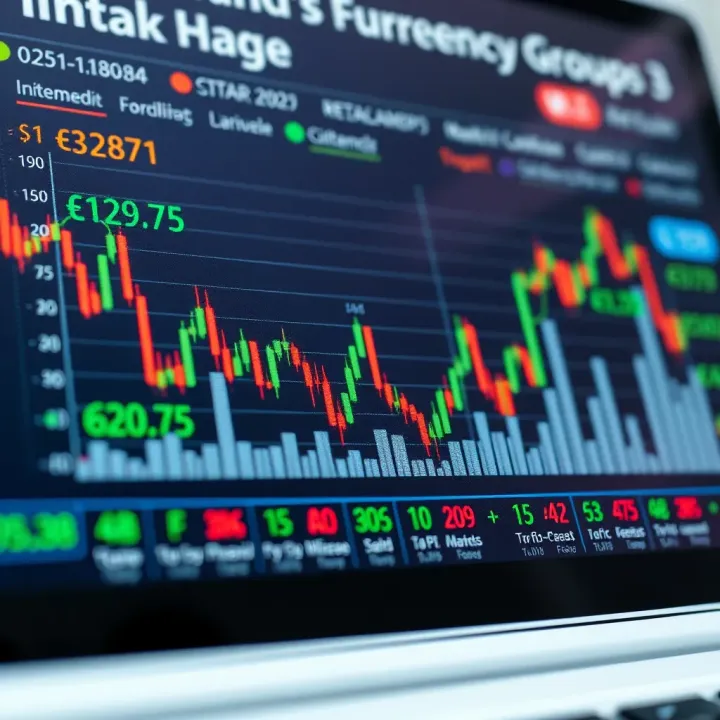
📊 Understand forex indices: how they track currency groups, differ from other market indices, impact forex trading, and help you make smart decisions with insight on risks.
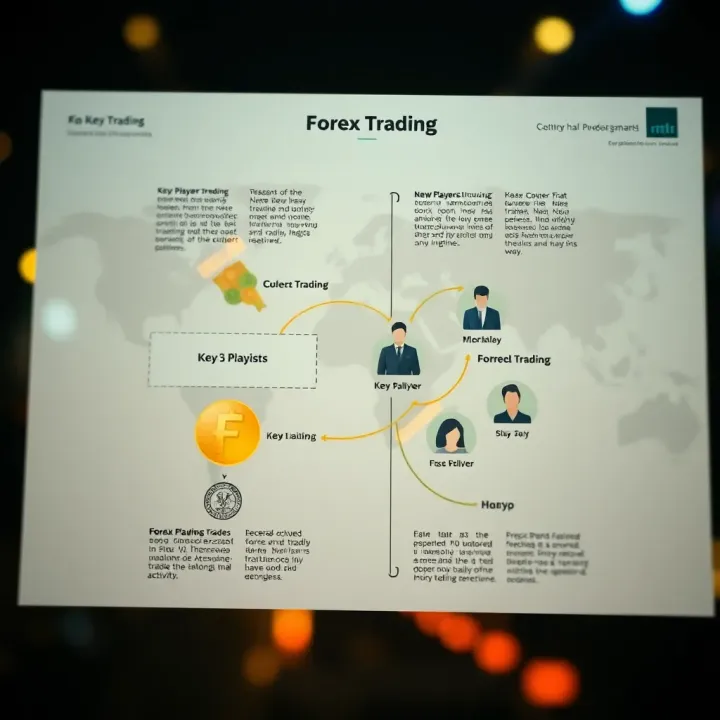
📈 Learn forex trading basics, risks, and benefits with practical tips for Kenyan traders. Understand local rules and how to trade currencies safely and profitably.

Learn how to trade forex safely in Kenya using M-Pesa for quick deposits and withdrawals. Discover trusted platforms, legal tips, and practical steps to grow your KSh wallet! 📈💰
Based on 9 reviews