

AUD/USD Forecast: Trends and Trading Tips
Explore the latest AUD/USD forecast 📉 covering market trends, economic factors, and trading tips to guide your forex decisions with confidence. 💹
Edited By
Emily Carter
The GBP/USD currency pair remains one of the most closely watched in the forex market. For traders and analysts in Kenya and beyond, staying updated on its movements is essential for making informed decisions, especially given how this pair reacts to economic events from both the UK and the US.
In recent months, the GBP/USD rate has shown volatility influenced by factors such as interest rate changes, inflation reports, and geopolitical tensions. The Bank of England's policy shifts and the US Federal Reserve's stance on inflation and economic recovery have swayed the pair significantly.
For Kenyan traders, understanding these dynamics helps when exchanging currencies during international business transactions or when speculating in forex trading. For example, a strengthening dollar against the pound could mean more expensive imports from the UK but potentially better returns on exports priced in dollars.
Keep in mind, the GBP/USD pair often reacts sharply to economic data releases, making it vital to track UK and US indicators like GDP growth, employment figures, and inflation rates closely.
This article breaks down the main drivers shaping the GBP/USD outlook, touching on central bank decisions, economic health indicators, and geopolitical elements. By recognising how these factors interconnect, finance professionals can better anticipate currency fluctuations and adjust their strategies accordingly.
Understanding these trends will also help brokers and investors gauge risk, manage exposure, and seize opportunities tied to currency movements. With Kenya's thriving business and investment community increasingly linked to global markets, grasping the essentials behind GBP/USD behaviour is more relevant than ever.
Understanding the GBP/USD exchange rate is critical for traders, analysts, and investors focusing on currency markets, especially given the prominence of both the British pound and the US dollar as global reserve currencies. This exchange rate shows how much one British pound is worth in US dollars and serves as a strong indicator of economic confidence and momentum between these two powerful economies.
In the past few months, the GBP/USD pair has experienced notable fluctuations. Recent trends show the pound strengthening against the dollar, largely propelled by several UK economic optimism signals such as improved GDP data and stabilising inflation figures. However, the US dollar remains resilient due to ongoing discussions about Federal Reserve interest rate adjustments amid persistent inflation concerns.
For instance, in April 2024, the pound rose to near 1.27 USD after the Bank of England indicated potential tightening monetary policies, contrasting the Federal Reserve’s cautious stance. Traders have been quick to react to each policy statement, causing daily swings that influence short-term trading strategies.
Looking at the bigger picture, GBP/USD has shown significant volatility over the past decade, reacting sharply to political headlines such as Brexit and major global events like the COVID-19 pandemic. Historically, the pair has shifted between lows of approximately 1.15 USD to highs over 1.45 USD.
This volatility underscores the need for risk management. For example, during 2016, Brexit-related uncertainties pushed the pound down aggressively, impacting traders who were not hedged against such swings. Similarly, during the early pandemic phase in 2020, high volatility forced many to reassess their positions rapidly.
Keeping an eye on historical patterns helps you anticipate potential risk and reward windows in GBP/USD trading, especially around major political or economic announcements.
To navigate these fluctuations, understanding fundamental and technical factors influencing GBP/USD is helpful. For instance, combining these insights with Kenya-specific factors like remittances and trade ties can provide practical advantages for Kenyan investors and businesses exposed to this currency pair.
This overview lays the groundwork for interpreting subsequent sections that explore economic drivers, central bank policies, and geopolitical influences shaping the GBP/USD in coming months.
The exchange rate between the British Pound (GBP) and the US Dollar (USD) closely mirrors developments in economic indicators from both countries. These factors shape investor sentiment, influence trading volumes, and steer the currency pair's direction. Understanding these drivers helps market participants anticipate shifts and manage risks effectively.
Inflation rates in the UK directly affect the Bank of England's decisions on interest rates, which in turn influence the Pound's strength. For example, if inflation remains persistently above the 2% target, the Bank may opt to increase interest rates to tame price rises. This usually makes the Pound more attractive to investors seeking higher yields. Conversely, lower inflation might prompt looser monetary policy, weighing on the GBP.
For traders, watching inflation data alongside BoE statements helps anticipate rate moves that impact GBP/USD. For instance, unexpected inflation spikes in early 2024 pushed market expectations towards higher rates, strengthening the Pound temporarily.
Employment figures and gross domestic product (GDP) growth paint a clearer picture of the UK's economic health. Strong job creation signals economic resilience, boosting confidence in the Pound. Similarly, solid GDP growth reflects increased productivity and output, which underpins currency value.
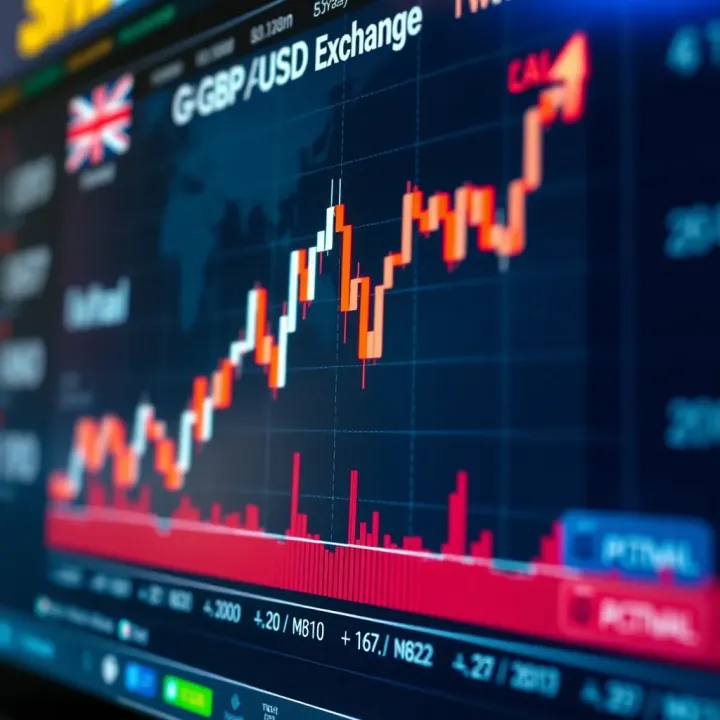
Take the last quarter of 2023: the UK saw a slight rise in employment and steady GDP growth, supporting demand for GBP. When these data points show weakness—like rising unemployment or contracting GDP—the Pound often faces selling pressure as economic outlook dims.
The UK’s trade balance, which measures exports minus imports, influences GBP valuation. A persistent trade deficit can weaken the Pound by increasing demand for foreign currencies. Post-Brexit trade adjustments continue to shape this balance, with new regulatory measures affecting trade costs and supply chains.
For example, ongoing UK-EU negotiations over trade rules and customs arrangements can spark GBP volatility. Kenyan exporters and importers dealing with UK partners should monitor these variations closely since they can affect pricing and payment timings.
In the US, Federal Reserve (Fed) interest rate policies are pivotal for USD strength. An indication of tightening monetary policy, such as rate hikes or tapering asset purchases, tends to boost the Dollar. On the other hand, dovish signals prompt depreciation.
For instance, the Fed’s stance in late 2023 on gradually raising rates amid inflation concerns supported a firmer USD versus the Pound. Traders keep an eye on Fed meetings and minutes to catch early signals impacting USD.
US labour market statistics, especially non-farm payrolls and unemployment rates, give insight into economic momentum. Robust job growth typically strengthens the Dollar since it implies a healthy economy that might prompt tighter Fed policy.
In contrast, signs of labour softness might ease inflation worries and trigger a more cautious Fed, weakening the USD. The December 2023 payroll report, which exceeded expectations, briefly lifted the Dollar against the Pound.
Consumer spending forms a large part of US GDP. When Americans increase spending, it signals strong economic activity, often spurring inflation pressures. Rising inflation, in turn, can prompt the Fed to raise rates, thereby supporting the Dollar.
For example, holiday season retail sales data in Kenya’s key export markets like the US matter as they affect demand for Kenyan goods and influence currency flows. Inflation data from the US further guide expectations around Fed policy, which has a direct bearing on GBP/USD movements.
Monitoring these economic indicators offers valuable insights into GBP/USD trends. By understanding their practical implications, traders and investors can position themselves to navigate forthcoming shifts in the currency markets.
Central banks play a major role in determining the direction of GBP/USD by setting monetary policies that heavily influence the currency's strength. Their decisions on interest rates, asset purchase programmes, and economic outlooks directly affect investors’ confidence and demand for both the pound and the dollar. Understanding the policies from the Bank of England and the US Federal Reserve helps traders and investors anticipate movements in the pair.
The Bank of England (BoE) uses interest rate adjustments and quantitative easing to manage inflation and support economic growth. Recently, the BoE has faced pressure to hike rates amid rising UK inflation, which reached around 10% in late 2023. A rate hike generally strengthens the pound by attracting foreign investment for better returns. For example, when the BoE raised rates from 3% to 3.75% earlier this year, the pound gained value against the dollar briefly.
However, the BoE also considers growth concerns, especially after Brexit disruptions and global economic uncertainties. If the BoE signals a pause or slowdown in rate hikes, traders might expect the pound to weaken. Therefore, closely watching the BoE’s statements and inflation data reports can offer valuable clues on the pound’s upcoming moves.
On the other side, the Federal Reserve’s (Fed) interest rate policies usually steer the dollar’s strength, impacting GBP/USD directly. In the past months, the Fed adopted a hawkish stance to tame inflation, pushing rates above 5%. Higher US rates make the dollar more attractive, often pulling GBP/USD lower.
For Kenyan traders watching this pair, it’s key to note that any unexpected shift from the Fed—such as signalling a pause or a rate cut—can reverse trends quickly. The Fed’s decisions also guide global risk sentiments and capital flows into emerging markets like Kenya.
In short, central banks’ rate choices shape GBP/USD trends by influencing yield differentials and economic expectations. Staying updated on BoE and Fed signals helps traders position themselves effectively.
BoE rate hikes tend to strengthen GBP against USD.
BoE cautiousness over growth can dampen GBP.
Fed’s higher rates boost the USD, causing GBP/USD to fall.
Unexpected Fed or BoE shifts can trigger volatile market reactions.
By understanding these patterns, professionals can better manage currency exposure and time trades around central bank events, which often provide profitable opportunities.
Geopolitical developments often drive clear shifts in the GBP/USD exchange rate, sometimes more than economic data does. Understanding these external influences helps traders and investors anticipate market moves triggered by political uncertainty or international tensions rather than pure financial fundamentals. For instance, shifts in the UK's relationship with the European Union or changes in US trade policies can trigger sharp reactions in the pound-dollar pair, affecting volatility and trends.
Brexit remains a major factor shaping the pound's value. Every new negotiation update, parliamentary vote, or policy announcement can cause swings. The UK's approach to trade agreements post-Brexit influences market confidence; delays or uncertainty tend to weaken the pound, while clarity and progress strengthen it. For example, the 2023 Northern Ireland Protocol talks caused bouts of GBP volatility as investors assessed the risk of trade disruptions. Also, domestic political changes, such as leadership contests or budget announcements by the UK government, impact expectations for economic policy and inflation, thus affecting the currency.
On the other side, US policies hold significant sway over the US dollar's strength, especially those relating to fiscal stimulus, tariffs, and trade agreements. Recent moves by the Biden administration on infrastructure spending and changes in trade tariffs have kept the dollar under close watch. Additionally, US-China trade relations remain a delicate issue; any escalation or easing of tensions tends to ripple through global currencies, including GBP/USD. For example, an unexpected tariff hike can prompt investors to seek safer assets like the dollar, pulling GBP/USD lower.
Market sentiment plays a big role in GBP/USD fluctuations. When investors feel confident, they often move funds into higher-yielding currencies like the pound, boosting its value. Conversely, during times of global uncertainty—such as geopolitical conflicts or sudden economic shocks—risk appetite shrinks, and demand shifts toward the safer US dollar. This dynamic was evident when the Russia-Ukraine conflict escalated, sending investors scrambling towards the dollar and causing the pound to dip. Monitoring indicators like the VIX (volatility index) or patterns in commodities prices can provide clues on changing risk appetite that impact the GBP/USD rate.
Understanding these geopolitical and external factors allows traders and investors to adapt their strategies beyond economic indicators alone. Being alert to political shifts, trade developments, and market sentiment helps in timely decision-making and risk management in the volatile currency markets.
Key geopolitical events can cause sharp GBP/USD swings.
UK political stability and Brexit clarity support the pound.
US policies on spending and trade influence dollar strength.
Market risk sentiment drives demand between pound and dollar.
Keeping an eye on these external influences alongside economic data provides a fuller picture for anyone involved with the GBP/USD pair, whether trading, investing or hedging exposure.
Understanding the GBP/USD exchange rate trends is crucial for Kenyan businesses and investors who have direct or indirect dealings with the UK and US markets. Movements in this currency pair affect costs, revenues, and ultimately profitability for Kenyan importers, exporters, and traders who deal in pounds or dollars. The forecast equips these stakeholders with insights to plan better, hedge risks, and capitalise on opportunities by recognising market signals early.
For Kenyan importers buying goods priced in pounds or dollars, a stronger GBP or USD means higher costs. For example, a leather goods manufacturer sourcing raw materials from the UK might find input prices spiking sharply if the pound gains strength. On the flip side, exporters shipping to the UK or US benefit when the shilling weakens against these currencies, as their products become more competitively priced abroad, translating to improved foreign exchange earnings.
Businesses involved in sectors like tea, coffee, and horticulture, which commonly export to Europe and North America, must stay alert to these trends. Sudden currency shifts can affect profit margins and pricing strategies, so monitoring the forecast helps exporters decide optimal contract timings, negotiate forward contracts, or diversify markets.
Kenyan firms should not leave currency exposure to chance. Common risk management practices include:
Forward Contracts: Locking exchange rates today to fix the cost or revenue of future transactions protects against unfavourable currency moves.
Currency Options: Paying a premium to secure the right (but not obligation) to buy or sell GBP or USD at a set rate offers flexible protection.
Natural Hedging: Matching revenues and costs in the same currency can reduce outright exposure—for example, a Kenyan exporter receiving pounds can try to source some inputs priced in GBP.
Adopting these tools can smooth out cash flow unpredictability. Given fluctuating global conditions, a tailored mix of these methods based on the forecast is sensible.
Kenyan traders focused on forex or commodities linked to the GBP/USD pair can apply this forecast to enhance decision-making. By following economic indicators such as UK inflation figures or US Federal Reserve announcements, traders can anticipate short-term price swings.
Moreover, recognising geopolitical events affecting Brexit or US trade policies can reveal momentum shifts. For instance, a surge in risk appetite globally might weaken the USD as investors search for higher yields, offering traders entry points to buy pounds.
Successful traders will combine fundamental analysis from forecasts with technical signals from charts and real-time market data. Staying disciplined in risk control, especially with leverage, is essential given the pair’s volatility.
Kenyan businesses and traders who keep an eye on the GBP/USD forecast reduce surprises, seize opportunities, and position themselves strategically in an interconnected global economy.
With these insights, Kenyan stakeholders can navigate currency fluctuations more confidently and plan for a financial environment that is often uncertain but full of possibilities.
Explore the latest AUD/USD forecast 📉 covering market trends, economic factors, and trading tips to guide your forex decisions with confidence. 💹

📊 Get practical insights on EUR/USD forecasts with analysis of economic trends, geopolitical factors, and monetary policies shaping the euro to US dollar rate today.

📈Explore key factors shaping EUR/USD trends, recent moves, & market drivers influencing the pair. Vital for Kenyan forex traders & investors keeping an eye on currency shifts.

Discover how Kenyan traders can master TradingView.com 📈 with easy-to-use charts, real-time analysis, custom tools, and connect with fellow investors locally and beyond.
Based on 14 reviews