

Binary Trading in Kenya: Key Facts and Tips
📊 Explore how binary trading works in Kenya, its challenges, legal tips, and smart strategies to help you trade carefully and confidently in this fast market.
Edited By
Lily Watson
Lark funding has recently surfaced as an intriguing alternative for Kenyan startups and small businesses seeking capital beyond traditional loans or equity sales. Unlike conventional bank financing that often demands collateral or lengthy approval processes, lark funding offers a more accessible financing route tailored to fast-growing businesses.
At its core, lark funding typically refers to a flexible, stage-based funding mechanism where investors provide capital in tranches tied to meeting specific performance goals or milestones. This arrangement helps entrepreneurs avoid upfront heavy repayments while encouraging steady business growth. In Kenya’s dynamic SME sector, such funding can be a lifeline to enterprises struggling with cash flow disruptions common in the hustle economy.
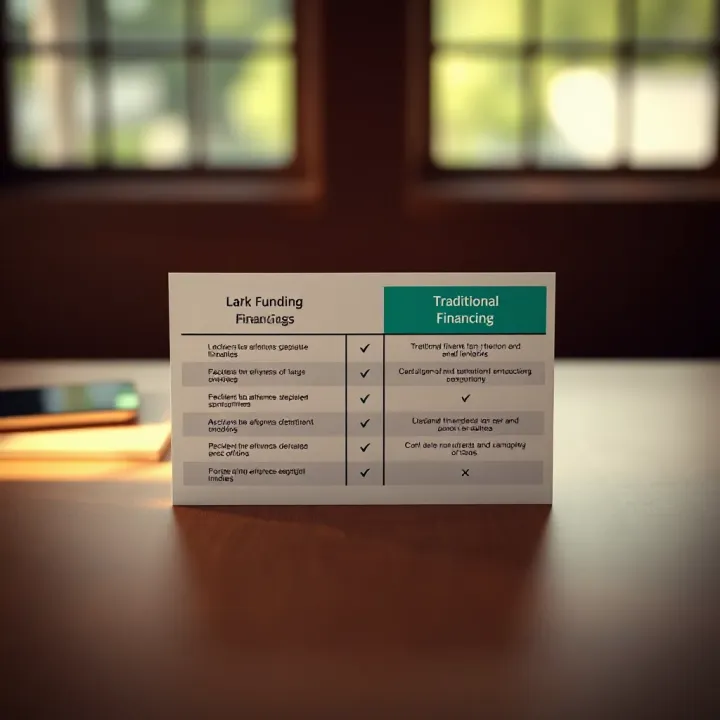
For example, a Nairobi-based tech startup working on a mobile app may receive an initial KS million from a lark funder and then access more capital after achieving user growth targets. This stepwise commitment reduces investor risk and helps the business focus on measurable progress rather than immediate profitability.
This section sets out to clarify what lark funding means, its defining features, and how it compares with other financing options like bank loans, venture capital, or crowdfunding. We will also highlight some practical considerations for Kenyan businesses evaluating whether this method fits their financial needs and growth plans.
Lark funding bridges the gap between informal business support and formal investment, often aligning well with Kenya’s fast-moving startups where cash is tight but ambition runs high.
Key aspects of lark funding include:
Milestone-based disbursements: Funds are released upon meeting agreed targets.
Flexible repayment or equity terms: Often less rigid than bank loans.
Close investor involvement: Funders may offer business guidance alongside cash.
Understanding these details helps traders, analysts, and finance professionals make informed decisions and advise clients or businesses about this emerging financial tool. Kenyan enterprises can better gauge the risks and opportunities that lark funding presents in a marketplace where access to capital remains a recurring challenge.
Understanding lark funding is crucial for Kenyan businesses looking for alternative financing. It offers a new way to access working capital without the usual red tape associated with banks or microfinance. This section outlines what lark funding is, how it operates, and why it has become relevant in Kenya's business ecosystem.
Lark funding emerged from informal networks where traders or entrepreneurs would pool resources or provide short-term financing to one another, often through social or business groups. Unlike bank loans, which require extensive documentation and collateral, lark funding relies heavily on trust and social reputation. This system has grown with the rise of mobile money platforms, enabling easier transfers and tracking of funds.
In practical terms, lark funding is a type of peer-to-peer lending tailored for small-scale Kenyan businesses, especially those in the informal sector. It doesn't come from formal financial institutions but from business peers or community members willing to support each other's ventures. This funding style reflects Kenya's strong communal culture where business relationships often go beyond contracts.
Common users of lark funding include traders in local markets such as Gikomba, Jua Kali artisans, and smallholder farmers who need quick access to cash to buy stock or inputs. Businesses in the retail and service sectors in towns like Nakuru and Kisumu also utilise this funding. The nature of these sectors—usually cash-driven and cyclical—makes lark funding a practical choice for meeting short-term capital needs.
Accessing funds through lark funding generally involves informal agreements within a trusted network. For example, a shop owner might request KSh 50,000 from a group of peers or community members, promising to repay over a specified period or after a successful stock turnover. Disbursement often happens via mobile money platforms like M-Pesa, which simplifies the process and provides digital proof of transactions.
Applicants typically need to demonstrate some level of creditworthiness, often shown by their business track record or reputation within the group. Unlike formal loans, there is less emphasis on official documentation like audited accounts or tax clearance certificates. However, solid relationships and consistent repayment history in the community act as informal collateral.
Lark funding usually requires:
A clear purpose for the funds, such as buying inventory
A repayment plan agreed by both parties
Accountability through regular communication, often face-to-face
For businesses unfamiliar with this system, building trust is key. A new trader in town, for example, may find it hard to borrow until they establish good relationships with other businesspeople.
Lark funding works because it blends Kenya's communal business culture with modern mobile payment technology, offering an alternative for those sidelined by traditional finance.
In summary, lark funding in Kenya is an informal yet practical financing route. It hinges on trust, quick access, and the flexibility missing in traditional lending. For many small entrepreneurs, it can be the difference between seizing an opportunity and missing out.
Lark funding offers Kenyan entrepreneurs practical advantages that traditional loan systems often miss. It provides a more flexible and accessible way to access capital, especially for startups and informal businesses struggling to meet conventional lending criteria. These benefits help drive enterprise growth and widen financial inclusion.
Startups and informal businesses in Kenya frequently face hurdles when applying for bank loans. Traditional lenders require steady revenue streams, audited financial statements, and hefty collateral, which many small entrepreneurs lack. Lark funding steps in to fill this gap by accepting alternative qualification criteria, such as business potential or cash flow patterns rather than formal credit scores. This makes it easier for jua kali artisans, street vendors, and small kiosks to secure financial support without lengthy bureaucratic processes.
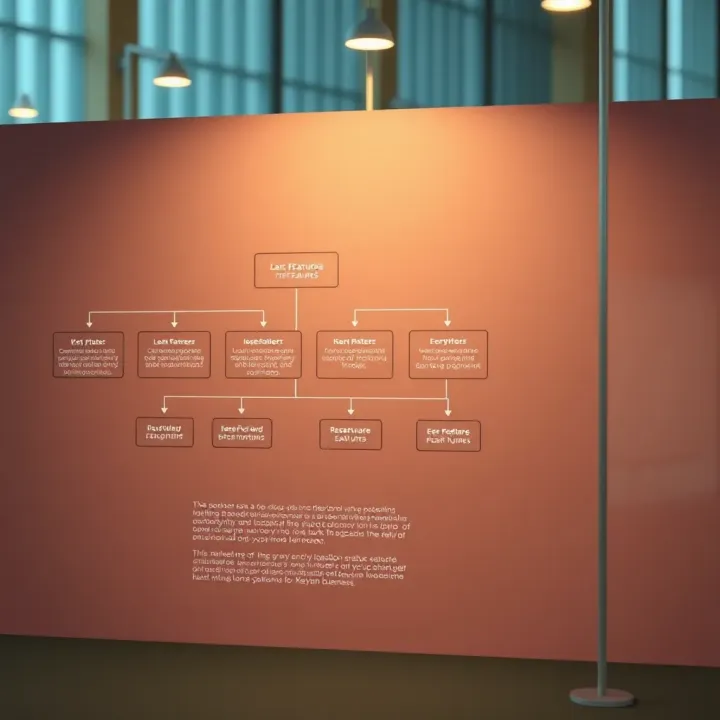
For example, a small textile workshop in Kangundo Road that has no formal accounts might struggle to get a bank loan but could qualify for lark funding based on its regular orders and client reputation. This accessibility is vital for a large chunk of Kenya's business community primarily operating outside formal structures.
One of the main attractions of lark funding is how quickly entrepreneurs can access funds. Unlike bank loans, which can take weeks or months with extensive paperwork and underwriting, lark funding often operates with streamlined application and verification procedures. This speed enables businesses to seize market opportunities immediately, such as restocking inventory before the festive season or paying unexpected supplier bills.
For instance, a Nairobi-based boda boda entrepreneur needing quick capital to repair a motorbike can get lark funding disbursed via mobile money within days. This rapid turnaround contrasts sharply with waiting weeks for microfinance approval, allowing businesses to stay operational and avoid downtime.
SMEs in Kenya often hesitate to pursue growth due to limited access to credit tied to collateral requirements. Lark funding minimizes this barrier by focusing on revenue streams or potential sales rather than fixed assets as security. This approach empowers entrepreneurs to invest in new equipment, hire staff, or expand product lines without risking personal property.
Take the example of a small electronics shop in Kisumu expanding to a second outlet. Instead of mortgaging land or property, the owner uses lark funding to stock additional gadgets and employ sales personnel. The ability to grow without collateral reduces financial stress and encourages innovation within the SME sector.
In Nairobi, many SMEs in areas like Gikomba market or Kariobangi have benefited from lark funding to scale up their businesses. For example, a food stall operator used lark funding to buy a deep fryer and improve service speed, increasing daytime sales significantly.
Similarly, in towns like Eldoret and Mombasa, artisans, and small manufacturers have accessed lark funding to diversify their products. A furniture maker in Eldoret used the funds to purchase raw materials in bulk, reducing costs and increasing profit margins. These real-world cases illustrate lark funding's positive ripple effects on local economies.
By lowering entry barriers and speeding up funding access, lark funding serves as a vital tool for Kenyan entrepreneurs aiming to grow without the usual financial burdens.
Lark funding opens doors for informal and startup businesses that traditional loans overlook.
Fast disbursal helps entrepreneurs act swiftly on business needs.
SMEs can expand operations without risking fixed assets.
Success stories from multiple Kenyan towns show lark funding's practical impact.
Kenyan entrepreneurs looking to tap into lark funding should weigh these advantages carefully against their specific business needs and repayment capacity to harness the best benefits.
Understanding how lark funding stacks up against other financing routes in Kenya helps businesses make smarter choices. Different sources of capital serve different needs depending on cost, speed, and eligibility. By comparing key elements such as interest rates, repayment structures, and security requirements, entrepreneurs can identify which option suits their cash flow and growth plans best.
Bank loans in Kenya usually come with stricter conditions. Interest rates tend to be lower than lark funding but require collateral like land titles or machinery. Repayment terms are often longer—sometimes stretching over years—but include regular monthly commitments. This suits established businesses with stable incomes but can be challenging for startups or informal traders.
Microfinance institutions (MFIs) offer smaller loans with quicker processing but often higher interest rates than banks. Security may be flexible but MFIs still expect some form of guarantee or group lending arrangements. Compared to these, lark funding is often more accessible, requiring less paperwork and collateral, making it popular among jua kali entrepreneurs who might struggle to secure bank credit.
Credit history and Kenya Revenue Authority (KRA) Personal Identification Number (PIN) registration play a big role in traditional borrowing. Banks and MFIs typically check credit records via Credit Reference Bureaus (CRB) and ensure the borrower is properly registered with KRA. Good credit improves loan approval chances and lowers interest rates. Lark funding providers might be more lenient, sometimes offering financing even when credit records are thin or negative. However, having a KRA PIN and a positive credit score still helps in negotiating better terms or larger amounts.
Lark funding often integrates seamlessly with mobile money platforms, particularly M-Pesa, Kenya's dominant payment service. This integration enables instant disbursement of funds and easy repayments without physical paperwork or bank visits. The mobile-friendly approach suits busy traders and SMEs who rely on quick cash injections to meet operational needs.
Compared to digital loans like Fuliza and M-Shwari, lark funding may offer distinct advantages and drawbacks. Fuliza provides overdraft services directly linked to M-Pesa accounts, offering quick loans for daily expenses but with higher interest and strict quick repayment schedules. M-Shwari combines savings and loans but requires a consistent M-Pesa transaction history and good credit.
Lark funding can be less tied to transaction history, making it useful for those just starting to build their credit profiles or with irregular cash flows. However, lark funding often comes with higher interest rates or shorter loan periods than some digital lending options. Also, digital platforms are regulated more clearly by the Central Bank of Kenya, offering some protection to users. Borrowers should weigh ease and speed against cost and regulatory safeguards when choosing between these options.
Comparing lark funding to banks, MFIs, and digital loans helps Kenyan business owners pick financing that matches their current needs, risk appetite, and plans for growth. Knowing the trade-offs can save costly mistakes and provide better cash flow management.
Bank loans require collateral and a solid credit record but offer longer terms and lower rates.
MFIs bridge some gaps with smaller loans but still ask for guarantees.
Lark funding prizes accessibility and speed but can be pricier.
Digital loans link to M-Pesa usage history with quick access but tight repayment conditions.
Choosing the right approach depends on your business’s stage, assets, and urgency of funding needs.
Kenyan businesses looking to tap into lark funding should be aware of the challenges and risks involved. While it's a helpful alternative to traditional financing, some pitfalls can catch borrowers unprepared, leading to financial strain or legal troubles. This section breaks down the common risks to help entrepreneurs make informed decisions.
One major concern with lark funding is the lurking possibility of hidden fees and fluctuating interest rates. Some lenders might advertise attractive rates, but the real cost only shines through after the borrower signs the contract. For instance, service fees or early repayment penalties may not be clear upfront, making the loan more expensive than expected. In Kenya's informal lending space, such uncertainties can quickly derail a business struggling to maintain cash flow.
Furthermore, unclear terms about repayment schedules or penalties may lead to disputes. Businesses unfamiliar with contractual jargon risk agreeing to unfavourable clauses without full knowledge, potentially exposing themselves to legal action. This makes it vital for borrowers to scrutinise every detail before committing, preferably with the help of a financial advisor or lawyer.
On the regulatory front, Kenya's financial sector watchdogs have been tightening oversight for alternative lenders, but gaps still exist. The Central Bank of Kenya (CBK) and the Kenya Financial Sector Regulators Forum have set guidelines to protect borrowers. Yet, enforcement remains uneven, especially among smaller or less formal lenders. For example, some lark funding providers may operate without proper licences or may not be fully transparent about their lending terms. This regulatory grey area raises risks, leaving borrowers vulnerable if disputes arise.
Always verify that your lender is authorised and regulated by CBK or CMA Kenya to avoid unexpected issues.
Borrowing more than your business can comfortably repay is a common trap in lark funding. When repayment stretches stretch beyond cash flow capabilities, it leads to overdependence on debt. Such borrowing spirals can build quickly, especially for SMEs operating in fluctuating markets like Nairobi or Kisumu. A typical case is a trader who borrows repeatedly to cover daily expenses, neglecting core business investments, which can cause long-term damage.
To stay clear of endless debt cycles, Kenyan businesses should adopt responsible borrowing strategies. First, it's crucial to assess your actual financial capacity before taking any loan. This means calculating projected income against repayment schedules realistically. Second, maintaining clear records of all loans and repayments helps prevent confusion and overlapping debts.
Some practical tips include:
Prioritising loans that match specific business goals
Avoiding borrowing just to cover operational gaps
Consulting financial mentors or experienced entrepreneurs before taking new debt
Taking these steps enhances financial discipline and improves your creditworthiness, paving the way for better loan terms in future.
In summary, while lark funding provides access to capital that many Kenyan businesses need, understanding its challenges is key. Being alert to hidden costs, regulatory hurdles, and the dangers of overborrowing can protect your business from unnecessary risks and foster sustainable growth.
Business owners in Kenya should approach lark funding carefully to make the most of this alternative financing option. Taking clear steps to evaluate your business needs and understanding how lark funding fits in with other sources can save you from expensive mistakes. This guidance section helps you weigh your priorities and manage the process wisely, boosting chances for sustainable growth.
Before deciding on lark funding, assess whether it matches your current business plans and scale. Lark funding can be ideal for fast-moving startups or SMEs that need short-term capital without strict collateral demands. For example, a Nairobi-based kiosk looking to stock seasonal inventory quickly might find lark funding useful, whereas a long-term infrastructure project may require more traditional bank loans.
Additionally, look at your cash flow projections and repayment capacity. If your revenues fluctuate due to market cycles, committing to fixed repayments without flexibility could strain your finances. Understanding your business cycle allows you to pick funding options that align with your ability to repay comfortably, reducing risks of default.
Engaging financial advisors or mentors can provide valuable perspective on your readiness for lark funding. These experts can help you review your financial statements, spot potential weaknesses in your business model, and recommend funding strategies suited to your sector. For instance, a mentor familiar with the jua kali sector in Mombasa might suggest combining lark funding with grants or trade credit for balanced financing.
Experienced advisors also help you navigate lark funding providers and compare offers, ensuring transparency in terms and fees. Partnerships with reputable mentors or within business networks create accountability, raising chances for disciplined fund usage and timely repayment.
Preparing thorough documents and building a credible business profile is key to securing lark funding. This typically involves submitting financial records, proof of identity, business registration certificates, and sometimes customer references. Detailed business plans showing how you will use the funds and the expected impact can set you apart from other applicants. A well-organised profile signals seriousness and boosts lender confidence.
Timely repayment plays a major role in maintaining your creditworthiness and access to future finance. Meeting your repayment schedule consistently avoids penalties and builds a positive record with lending entities that monitor client reliability. In Kenya, even informal lenders may share borrower information within networks, influencing your ability to secure future loans or credit. For example, a small trader in Kisumu who repays lark funding punctually is more likely to be trusted for larger amounts next time.
Besides punctual payments, maintain clear communication with your lender if unexpected challenges arise. Transparent discussions often lead to workable adjustments rather than aggressive collection measures. In this way, responsible borrowing and repayment not only preserve your business reputation but also create links to other financing opportunities.
Remember, lark funding can provide the boost your Kenyan business needs, but it requires careful assessment, preparation, and management to truly support long-term growth and stability.
📊 Explore how binary trading works in Kenya, its challenges, legal tips, and smart strategies to help you trade carefully and confidently in this fast market.

Discover practical trading strategies for Kenyan investors 📈, from day trading to long-term plans, with tips on risk management and local market insights 🇰🇪.

📊 Discover how TradeView.com helps Kenyan investors trade various markets with secure accounts, practical tools, and easy M-Pesa integrations for smooth investing 🇰🇪

Instant funding offers quick access to cash for Kenyans via digital platforms and local services. Learn how it works, benefits, risks, and tips for responsible use 💸📱
Based on 14 reviews