

New York Forex Session Timing for Kenyan Traders
📈 Learn the exact New York forex trading hours in Kenyan time, grasp why this session matters for your trades, and get tips to improve your strategy amid local market challenges.
Edited By
Oliver Bennett
The London forex session is one of the busiest periods in the global currency market. For Kenyan traders, understanding its timing and dynamics can make a real difference in trading success. The London session typically runs from 8:00 am to 5:00 pm GMT. Since Kenya operates on East Africa Time (EAT), which is GMT+3, this means the London forex market opens at 11:00 am and closes at 8:00 pm Kenyan time.
This overlap with Kenya’s daytime hours gives local traders a chance to monitor market movements without staying up late into the night. The London session is crucial because it accounts for roughly 30% of daily forex turnover worldwide, making it a hotspot for liquidity and volatility.
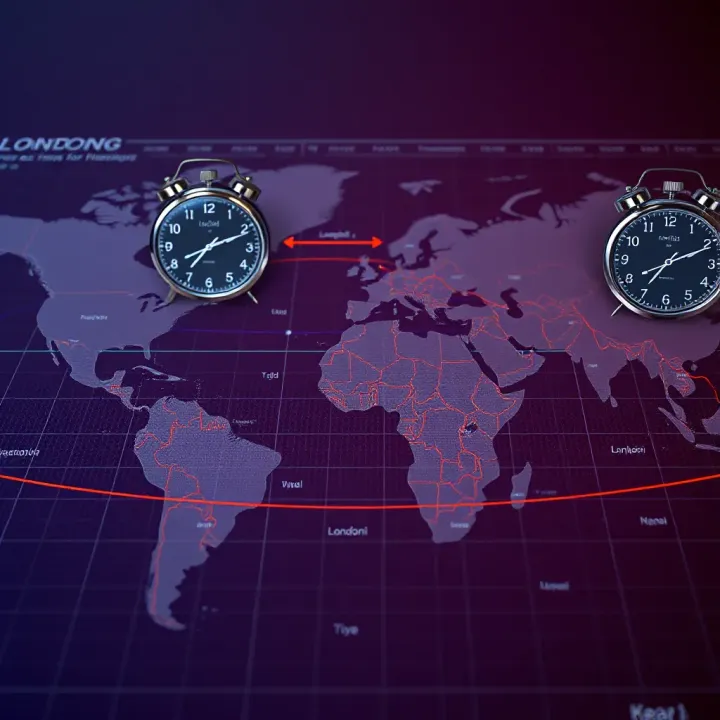
The London session’s volume often sets the tone for the market because it overlaps with other major sessions. For example, the Tokyo session closes as London opens, while the New York session overlaps with London in the afternoon Kenyan time, creating concentrated periods of high activity.
Some key details to keep in mind:
Peak activity generally happens between 2:00 pm and 5:00 pm EAT when New York traders join in.
Currency pairs involving the British pound (GBP), euro (EUR), and Swiss franc (CHF) see significant movement.
Sudden news or economic updates from the UK or Europe can cause sharp price swings.
Kenyan traders can benefit from focusing their efforts during these key hours, adjusting strategies to the higher liquidity and volatility. Setting alerts for news releases or central bank announcements during the London session is a practical way to stay ahead.
In short, syncing your trading time with the London forex session means you engage at moments when market activity peaks, increasing opportunities for better trade execution and potentially improved profits.
The London Forex session holds a significant place in the global currency market. It offers some of the highest trading volumes and liquidity, which makes it especially relevant for Kenyan traders looking to capitalise on market movements. Understanding when this session runs and its characteristics helps traders plan their strategies effectively.
London is often called the financial heart of Europe, hosting the largest concentration of trading banks, commodity brokers, and forex platforms in the world. Approximately 30% of all forex transactions happen here daily, which means a huge chunk of global currency flows pass through this period. For Kenyan traders, this session provides a vital window because it coincides partially with their daytime and evening hours, offering ample opportunity to participate actively.
The London forex session usually runs from 8:00 am to 5:00 pm GMT. These hours are critical, as the market sees a surge in trading activity right after opening, with a slight slowdown closer to closing time. Traders abroad, including in Kenya, use this timing as a baseline to convert into their local time zone and plan their trading schedules around the heightened activity.
Liquidity tends to peak during the London session. The influx of orders from European and some African banks, financial institutions, and individual traders ensures tight spreads and smooth execution of trades. This reduces the cost of trading and also limits price slippage, vital for strategies like scalping and day trading.
Pairs involving the Euro (EUR), British Pound (GBP), and the Swiss Franc (CHF) see the most action during London hours. For instance, EUR/USD and GBP/USD experience noticeable volumes and volatility. These pairs offer Kenyan traders with good price moves and trading opportunities since their activity aligns with London’s financial heartbeat.
Traders should note that the London session overlaps with both the Asian and New York sessions at certain times, increasing trading activity further. Timing trades to these overlaps can offer strategic advantages.
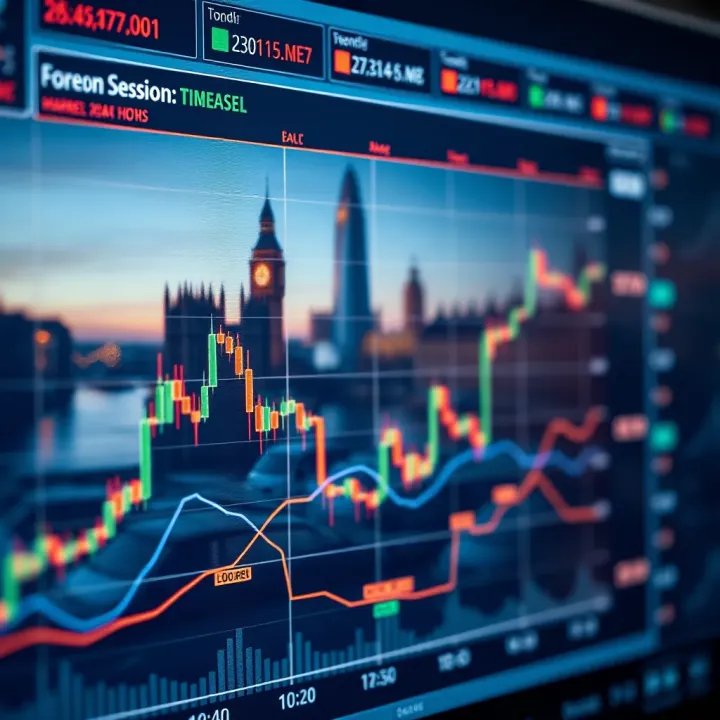
By closely following the London Forex session’s characteristics and timing, Kenyan traders can better position themselves to make informed decisions, boost their chances for profits, and effectively manage risks.
Knowing how to convert London forex session hours into Kenyan time is essential for traders based in Kenya. The London session is among the most active periods in the forex market, and understanding its timing helps Kenyan traders plan their activities, manage risk, and seize market opportunities. Since the forex markets operate globally, aligning trading hours with local time ensures you’re not caught off guard by sudden price movements or missed optimal entry points.
This conversion is practical and necessary, especially for retail traders who balance trading alongside daytime jobs or other commitments. For example, if you know the London session opens at 8 am GMT, you can determine the exact time it starts in Nairobi to avoid unnecessary late-night trading or confusion in scheduling.
Kenya operates on East Africa Time (EAT), which is consistently three hours ahead of GMT (Greenwich Mean Time) throughout the year. This means when it is 12 noon in London (GMT), it is 3 pm in Nairobi. Unlike many countries, Kenya does not adjust clocks for daylight saving time, so its time zone remains stable all year round. This steady difference simplifies time conversion for Kenyan traders.
On the other hand, London uses Greenwich Mean Time during the winter months but switches to British Summer Time (BST) in the summer by advancing clocks one hour ahead of GMT. This adjustment usually starts in late March and ends in late October. During BST, London is two hours behind Nairobi instead of three.
Understanding these time zone shifts is crucial because forex trading sessions follow London’s local market times. A trader unaware of this one-hour difference during BST might misjudge the session’s start or end times, which could affect their trading plan and performance.
The official London forex session traditionally runs from 8 am to 4 pm London time. Translating this to Kenyan time during standard GMT means the session is active from 11 am to 7 pm Nairobi time. This timing places the London forex session squarely during Kenyan daytime hours, making it convenient for most local traders to participate without disrupting their routines.
When British Summer Time is in effect, the London session shifts one hour earlier in Nairobi local time, running from 10 am to 6 pm. For instance, if you usually trade starting at 11 am Nairobi time, you might need to adjust by an hour during BST to avoid missing key market moves.
Aligning your trading schedule with these time shifts means you can fully tap into the liquidity and volatility of the London market, which accounts for a large chunk of forex volume daily.
Traders should mark their calendars accordingly and consider setting reminders or alarms on their trading platforms to reflect these changes. Such readiness optimises timing entries and exits, helping Kenyan traders improve their chances of success in the volatile forex market.
The London forex session is particularly significant for Kenyan traders because it overlaps with Kenya's working hours, making it convenient to engage in trading during these active market hours. The London market accounts for a large chunk of daily forex transactions worldwide, driving liquidity and shaping price movements. Kenyan traders can take advantage of this timing to participate in a vibrant market environment without disrupting their daily schedules.
Popular pairs for Kenyan traders
During the London session, the most actively traded currency pairs include GBP/USD, EUR/USD, and USD/CHF. These pairs involve major global currencies and benefit from increased market activity in London. For example, a trader in Nairobi watching the GBP/USD pair will notice rapid price changes driven by news from the UK and Europe. This session also sees higher activity in pairs such as EUR/GBP and USD/CAD, which respond to economic reports released during London hours. Familiarity with these pairs helps Kenyan traders focus their effort where liquidity and volatility are most reliable.
Influence on market volatility
The London session tends to witness higher volatility than Asian sessions due to the large volume of trades and market-moving announcements. For instance, economic data releases like UK inflation figures or Bank of England rate decisions often lead to sharp swings. This volatility enables traders to find better entry and exit points but also demands careful risk management. Kenyan traders must be aware that significant price movements can occur suddenly, providing opportunities for profit as well as increased risk.
Scalping and day trading tips
Scalping is well-suited to the London session as this period features sharp price fluctuations and deep liquidity. Kenyan traders can look for short-term trends on 1- to 5-minute charts to capitalise on small price movements. Quick decision-making and fast execution are vital here, as opportunities may last mere minutes. Day traders may benefit from monitoring key support and resistance levels formed during early London hours and adjusting their positions with upcoming news events in mind.
Managing risk and timing entries
Managing risk is critical during the London session because rapid price swings can lead to larger losses if positions are not carefully controlled. Traders should use stop-loss orders to limit potential drawdowns and size their trades appropriately according to their account size. Timing entries around known market events—such as the London open at 11:00 am EAT or economic releases—helps in capturing more predictable price moves. For example, avoiding market entry just before major announcements unless armed with a solid strategy can reduce exposure to unexpected volatility.
The London session offers Kenyan forex traders a prime window for strong market activity, but success hinges on understanding popular currency pairs, recognising volatility patterns, and applying disciplined trading strategies.
In summary, Kenyan traders benefit from the London forex session's timing and market conditions by focusing on active currency pairs, preparing for volatility, and using tailored strategies like scalping and controlled risk management. This targeted approach maximises trading potential within the London hours aligned with local time.
The London forex session stands at the heart of global currency trading, largely because it overlaps with other major markets, creating periods of heightened activity and opportunities for traders. Understanding how London interacts with the New York, Asian, and Sydney sessions is critical for Kenyan traders who want to time their trades and manage risk effectively.
The London and New York sessions overlap for roughly three hours each day, typically from 3 pm to 6 pm Kenyan time during standard time, shifting an hour when daylight saving is in effect in London. This period is often the most active, as two major financial hubs operate simultaneously, drawing high volumes into the market.
This overlap period usually sees increased liquidity, which means forex prices can move smoothly with tighter spreads. For instance, popular pairs like GBP/USD, EUR/USD, and USD/CHF experience significant trading volume and volatility during these times, presenting good entry and exit opportunities for traders in Kenya.
The overlap between London and New York is when the forex market is most liquid and volatile, making it a hotspot for day traders aiming to capitalise on quick price moves.
The transition from the Asian to the London session usually occurs in the morning hours of Kenyan time, around 10 am to midday. This transition marks a shift in market dynamics as liquidity moves from quieter Asian markets (such as Tokyo and Sydney) to the bustling European markets.
During this shift, markets can be less volatile initially, as Asian traders wind down and European traders ramp up activity. Kenyan traders should watch for potential slow moves and use this time to prepare for the London session’s robust trading action. For example, pairs like USD/JPY or AUD/USD, active in the Asian session, might slow down as London opens.
Market behaviour during these transition hours often reflects calmer trends or consolidation, setting the stage for the volatility burst once the London market gains full momentum. This pattern allows traders to anticipate breakouts or price swings, optimising entry points for trades.
Trading across these sessions means adapting strategies to fit changing market behaviour. Nairobi-based traders benefit from understanding this rhythm to locate the best windows for liquidity and price movement.
The London Forex session stands out as one of the most active trading periods globally, and understanding how to engage with it effectively can make a tangible difference for Kenyan traders. Given the interplay between London timings and Kenyan local time, practical strategies help traders maximise opportunities while managing risks tailored to their daily schedules and resources. This section offers hands-on advice aimed at boosting trading success during the London session.
Aligning your trading hours with your daily routine helps maintain focus and avoid burnout. For instance, since London’s peak forex hours fall between 3 pm and 11 pm Nairobi time during British Summer Time, traders with day jobs might find early evening more suitable than late at night. Efficiently planning trading around work, family, or other commitments means you won’t miss critical market moves while avoiding tiredness-related mistakes.
Avoiding low liquidity periods during the session is equally critical. Liquidity tends to dip sharply towards session opening and closing minutes, often leading to unpredictable price swings. Kenyan traders should steer clear of trading in the first 15 minutes after the London market opens (3 pm EAT) and just before it closes, to avoid slippage or fake breakouts. Focusing on high-liquidity windows between 4 pm and 8 pm EAT ensures trades enter and exit smoothly without unnecessary cost.
Setting up alerts on your trading platform can help you stay on top of market moves without staring at the screen all day. Most platforms used in Kenya allow custom notifications for price levels, volatility spikes, or economic data releases. For example, receiving a timely alert when the GBP/USD pair hits resistance during London hours helps you act fast in a market that can turn quickly.
Following London market news and events gives Kenyan traders a crucial edge. Daily updates about Bank of England announcements, UK economic reports, or political developments often shift forex prices during the session. Checking reputable sources and calendar updates before trading hours better prepares you for sudden moves, reducing surprise losses. Combining this with timely alerts ensures that you know when to enter or exit trades, aligning your actions closely with market realities.
Practical awareness and proper use of technology help Kenyan forex traders avoid guesswork and navigate the London session more confidently, turning timing and information into real trading advantages.
By choosing hours that suit your life rhythm, avoiding risky times with low liquidity, and employing tools to track market events efficiently, you can sharpen your strategy during the London session and make every move count.
📈 Learn the exact New York forex trading hours in Kenyan time, grasp why this session matters for your trades, and get tips to improve your strategy amid local market challenges.

📈 Discover the London forex trading session hours, markets, and tip strategies to maximise Kenya traders' gains by using its liquidity and volatility insights.
📈 Learn how to trade forex in Kenya with this practical guide covering basics, tools, risk control, strategies, and local regulations. Trade smarter, earn safely!
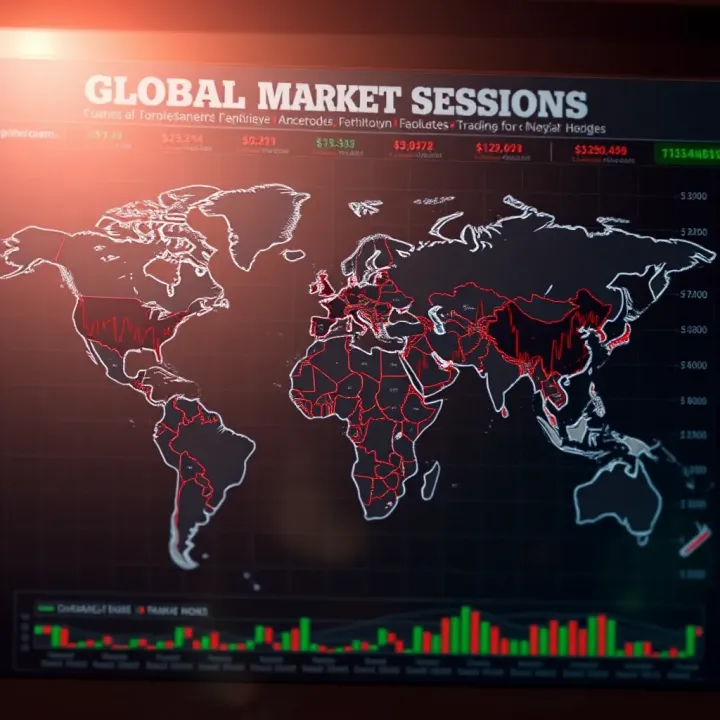
📊 Discover the best time to trade forex for Kenyan traders, focusing on sessions, volatility, and strategies to boost your success in currency markets.
Based on 11 reviews