
Understanding QXBroker for Kenyan Traders
Discover QXBroker’s key features for Kenyan traders 📊, including account types, payment options like M-Pesa, trading conditions, & reliable support to boost your trading.
Edited By
Clara Mitchell
Surge trading refers to a style where traders rapidly enter and exit positions to capitalise on sudden price movements. Unlike traditional buy-and-hold investing, surge traders thrive on short bursts of volatility, often within minutes or hours. This approach requires quick decision-making, strong market awareness, and effective risk control.
In Kenyan markets, such as those on the Nairobi Securities Exchange (NSE), surge trading has gained attention due to rising market liquidity and increased access to digital trading platforms like EGM Securities and Britam Securities. The availability of real-time data via mobile apps and affordable internet means more traders can join this fast-paced space.
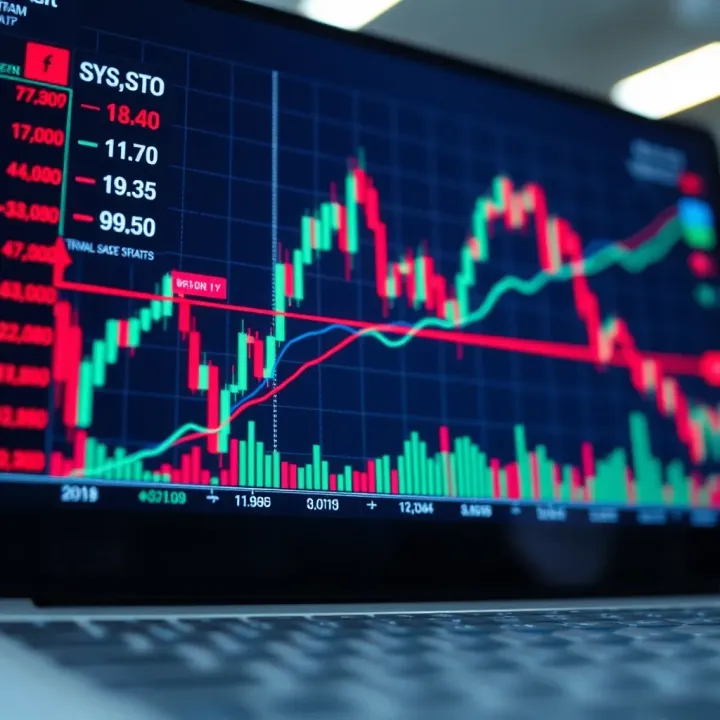
Surge traders typically use technical indicators and chart patterns to spot momentum shifts. For example, they might watch for "breakout" signals—a sharp move above resistance levels or below support levels—to enter trades quickly. In the NSE, a surge in volume alongside an upward price break can hint at strong buying interest, signalling a potential surge trade opportunity.
Effective surge trading depends heavily on using stop-loss orders to limit losses if the market moves against a position. Surge traders often set tight stop losses, sometimes at 1–2% below entry price, reflecting how small adverse moves can wipe out profits.
Some common strategies surge traders use include:
Scalping: Taking very small profits on frequent trades, sometimes a few seconds apart.
Momentum Trading: Riding a strong price trend for as long as momentum lasts.
News-Based Trading: Acting quickly on market-moving news, such as economic releases or corporate announcements.
Risk management is critical since surge trading involves high leverage and exposure to rapid swings. Traders in Kenya might combine surge strategies with M-Pesa or bank transfers for quick funding, ensuring they can promptly seize market chances without delay.
Overall, surge trading presents an interesting, yet demanding, pathway for Kenyan traders seeking to supplement their income or diversify portfolios. Mastery comes with patience, disciplined strategy, and consistent monitoring of market signals.
Surge traders play a distinct role in financial markets by capitalising on swift and significant price movements. Understanding what defines a surge trader is key to grasping how these players influence market dynamics and shape liquidity. Unlike traditional long-term investors, surge traders are mainly interested in short, sharp price changes that offer quick profit opportunities.
Surge traders execute numerous trades within a very short span. This high trade frequency is driven by the need to quickly respond to price surges before the opportunity fades. For example, a surge trader might place a dozen buy and sell orders within an hour to benefit from momentary spikes in a stock listed on the Nairobi Securities Exchange (NSE).
This style demands alertness and fast decision-making because missing a packet price move by seconds can reduce potential gains or lead to losses. High frequency of trades also means surge traders usually pay close attention to transaction costs, as frequent buy and sell actions could eat into profits if commissions or fees are high.
Surge traders target securities showing sudden and sharp price changes, whether upwards or downwards. These rapid price movements often follow news announcements, economic data releases, or unexpected market events. By focusing on quick price twists, surge traders avoid the slow trend movements favoured by longer-term traders.
For example, if NSE-listed Safaricom’s shares suddenly jump after announcing a new product, surge traders aim to enter trades swiftly to catch short bursts of profit. This focus requires constant market monitoring and quick analysis, often supported by real-time price data and technical tools.
Surge trading involves holding positions from a few seconds up to several minutes or a few hours at most. Unlike swing traders who might hold for days or weeks, surge traders exit trades as soon as the targeted surge ends.
This short-term horizon limits exposure to overnight market risks or sudden events that might disrupt longer positions. For instance, a surge trader in the Kenyan market might buy shares early in the morning, expecting a quick price surge after morning trading kicks off, and exit well before the close.
Day trading involves opening and closing positions within the same trading day, but it doesn’t necessarily require the same speed or frequency surge traders maintain. Surge trading is more intense, focusing on rapid price spikes and executed at a much higher pace.
While both styles avoid overnight holdings, surge traders tend to capitalise on immediate market reactions or momentum bursts lasting minutes rather than hours. Day traders may analyse broader intraday trends, making trades based on several hours of movement.
Swing traders look to profit from medium-term trends lasting days or weeks, often holding shares through cycles of price movement. This contrasts with surge traders who prioritise short bursts lasting moments or hours.
Swing trading prioritises capturing bigger price moves at a more relaxed pace, appealing to those who cannot monitor markets every second. Surge trading, on the other hand, demands continuous focus and rapid actions, which may not suit all traders.
Surge trading is distinct in its double emphasis on speed and volume of trades targeting rapid price changes. This requires traders to be highly responsive, adaptable, and able to process information fast.
Additionally, surge traders often use advanced tools and platforms providing low-latency execution and real-time data, which are less critical for swing or casual day traders. In the Kenyan context, these technical advantages can give surge traders an edge in a market where information flow and execution speed vary widely.
Surge traders thrive on speed and agility, using market surges as short windows to generate quick returns. Their strategies demand sharp focus and swift execution, setting them apart from other trading styles that work on slower rhythms.

Surge traders rely heavily on specific strategies that let them capitalise quickly on market moves. Their success depends on spotting opportunities early and using technical tools to act with speed and precision. This section breaks down some of the core strategies surge traders use, highlighting practical tools and techniques that can be applied in markets including Nairobi Securities Exchange (NSE).
At its core, momentum trading is about following the market’s energy as prices begin to move significantly. Surge traders watch for breakouts, which occur when the price crosses a key resistance level after staying within a narrow range. For example, if a stock like Safaricom holds steady around KSh 28 for several days and suddenly shoots past KSh 30 with strong buying interest, that marks a breakout. Surge traders jump in expecting the momentum will carry prices further up.
Surges happen when these breakouts accelerate rapidly, often fueled by fresh news or increased investor interest. It’s vital to act fast because these moves can reverse just as quickly. Recognising when a price push has genuine momentum versus a false signal is a skill sharpened over time through practice and careful analysis.
Volume acts as a confirmation tool in surge trading. When prices jump but trading volumes remain low, the move is less reliable. High volume during a surge signals genuine market participation. Surge traders monitor indicators like On-Balance Volume (OBV) or simple volume bars to ensure the price action is backed by real trading strength.
Volatility indicators, such as the Average True Range (ATR), help gauge how much price swings are happening. Higher volatility means bigger price gaps are possible – a playground for surge traders. However, increased volatility also raises risks of sharp reversals. Using these indicators together helps traders balance the chance for quick profit against the risk of being caught in sudden pullbacks.
Drawing trend lines helps surge traders spot the general direction of a price over time. A rising trend line connecting recent lows suggests upward momentum, providing a guide to know when a surge might continue or pause.
Moving averages, such as the 20-day and 50-day, smooth out price fluctuations and help identify trend shifts early. For instance, a stock crossing above its 50-day moving average may be signalling the start of a new surge. Traders combine these tools to decide when to enter or exit a position quickly.
RSI measures how fast and how far prices have moved recently to indicate overbought or oversold conditions. An RSI above 70 suggests a stock might be overbought, warning surge traders that momentum could wane soon. Conversely, an RSI below 30 indicates potential undervaluation and room for an upward surge if other signals align.
Understanding these extremes helps traders avoid buying at a peak or selling too early. Surge trading thrives on timing, so tuning into RSI levels refines those critical entry and exit points.
Candlestick charts give visual clues about market sentiment with shapes indicating bullish or bearish pressure. Patterns like bullish engulfing or hammer formations often precede upward surges.
For example, spotting a bullish engulfing candle after a downtrend might hint at a sudden surge in buyers pushing prices higher. Surge traders use these patterns alongside other tools to confirm momentum shifts before making swift trades.
Using a combination of momentum indicators and technical analysis tools allows surge traders to capture rapid price moves while managing risks effectively. The key lies in swift, informed decisions supported by clear signals, crucial for thriving in fast markets like Kenya’s NSE.
By applying these methods consistently, traders can sharpen their sense of market pulse and improve their chances of success in the fast-paced world of surge trading.
Surge trading operates in a dynamic environment where risks and challenges can quickly affect a trader’s performance. Understanding these pressures is key for anyone looking to engage successfully in this fast-moving style. The risks are not just about market movements but also the emotional and financial demands unique to surge trading.
One major challenge surge traders face is the sudden reversal of market trends. Imagine a trader spotting a rapid price surge on a stock listed on the Nairobi Securities Exchange (NSE) and promptly entering a position; a quick, unexpected drop can wipe out profits in moments. This unpredictability means traders must react fast, often relying on stop-loss orders or tight exit strategies to limit losses. The Kenyan market, like many emerging markets, can exhibit volatility due to political events or unexpected economic data, making sudden reversals more frequent and pronounced.
Overtrading is a trap that surge traders often fall into because of the temptation to capitalise on every small price movement. While it might seem wise to act on multiple signals quickly, it can lead to higher transaction costs and erode overall profitability. For example, a trader constantly buying and selling East African stocks due to impatience or FOMO (fear of missing out) may find the commission fees and slippage eating into the gains. Overtrading also increases exposure to market noise rather than meaningful trends.
The intense pace of surge trading demands not just technical skills but strong emotional control. Traders often face stress from making quick decisions under pressure, sometimes multiple times in an hour. This pressure can affect judgment, leading to impulsive decisions or a refusal to cut losses. Kenyan traders in Nairobi’s fast-paced business scene, balancing surge trading with other hustles, may find this strain particularly exhausting without disciplined routines and stress management techniques.
Surge trading typically requires a healthy capital base to absorb losses and maintain margin requirements, especially in leveraged positions. Without adequate funds, traders face the risk of forced exits or margin calls that can quickly drain accounts. In Kenya, accessing sufficient capital can be a barrier, as many rely on personal savings or small loans rather than institutional financing. This limitation pushes some traders to take excessive risks, hoping for quick gains that often don’t materialise.
Surge trading demands understanding the rapid shifts in the market and the personal resilience to handle financial losses and emotional stress. Without careful preparation, the risks can outweigh the rewards.
In summary, recognising these specific risks and challenges helps traders prepare better strategies, ensure sound money management, and develop emotional discipline necessary for surge trading success in markets like Kenya's.
Surge trading relies heavily on timely and efficient access to market information, along with platforms that can handle rapid decision-making and execution. Modern technologies not only speed up these processes but also enhance accuracy and reduce human error. For surge traders, who operate on narrow price margins with very short holding periods, the right technological setup can mean the difference between profit and loss.
Quick execution is non-negotiable for surge traders who seize fleeting market opportunities. Platforms must process orders swiftly to avoid slippage—a common problem where price moves between order placement and execution. Features like direct market access (DMA) and low-latency infrastructure help ensure orders go through almost instantaneously. For example, some trading platforms used on the Nairobi Securities Exchange (NSE) provide real-time order books and execution speeds that rival international systems. This accessibility allows traders to act on sudden price surges without delay.
Real-time data feeds are essential for surge traders. Market prices, volume, and order flow can change in seconds, so delay or outdated information can cause costly mistakes. Platforms that integrate live streaming data, often refreshed in milliseconds, provide a clear edge. Kenyan traders leveraging platforms that offer data directly from NSE and global markets can track price movements and volumes as they unfold. This immediacy lets traders spot surges, confirm trends, and enter or exit positions rapidly.
Trading bots can analyse large datasets and execute trades without human fatigue, perfectly suited for the fast pace of surge trading. Bots can consistently apply technical rules and react instantly to market triggers, such as breakouts or volume spikes. For example, algorithmic strategies can be designed to buy once a stock's price breaks a moving average with sufficient volume, helping reduce emotional biases.
However, bots are only as good as their programming and can falter during unexpected market events. Sudden disruptions—like political developments or abrupt regulatory announcements—can make pre-set algorithms act against trader interests. Without regular monitoring and adaptability, automated trades may incur heavy losses, especially in volatile African markets that can behave unpredictably.
Automated and algorithmic trading raise ethical and legal questions. In Kenya, the Capital Markets Authority (CMA) regulates trading practices to ensure fair market conduct and protect investors. Using bots that manipulate markets or execute unfair trades—such as spoofing or layering—is illegal and can attract penalties. Traders must remain compliant by ensuring their automated tools follow recognised standards and regulations.
Greater transparency is encouraged, and some platforms require registration or certification of algorithmic systems. That said, responsible use of automation boosts market liquidity and efficiency, providing a win-win for both traders and the broader market.
Surge traders benefit enormously from advanced platforms and automation but must balance speed with prudence, ensuring their tools comply with Kenya’s evolving regulatory landscape.
Surge trading has grown in importance within Kenya's vibrant financial markets, especially among active investors seeking quick returns. The Nairobi Securities Exchange (NSE) offers several liquid instruments suitable for surge trading, providing local traders with opportunities to capitalise on rapid price movements. This trading style aligns with Kenya’s fast-evolving market where timely execution and keen market insight can make a real difference.
On the NSE, certain stocks attract surge traders due to their liquidity and volatility. Blue-chip companies like Safaricom, Equity Bank, and KCB Group are often in the spotlight. Their shares typically respond quickly to market news and economic indicators, creating short windows for burst trades. For example, a surge trader may monitor Safaricom’s price spikes when quarterly earnings are released or during major product launches.
Besides equities, government bonds and select Exchange Traded Funds (ETFs) also draw surge trading interest, thanks to their fluctuating yields and prices. These assets allow traders to react swiftly to shifts in the interest rate environment or political developments. Essentially, local surge traders need to focus on instruments that move enough during the day for profitable, rapid trades.
Efficient fund transfer is crucial for surge trading where timeliness matters. M-Pesa, Kenya’s dominant mobile money service, plays a key role by enabling instant deposits and withdrawals to trading accounts within seconds. This immediacy helps traders fund positions promptly or cash out quickly when markets move.
Besides M-Pesa, many online brokers linked to Kenyan banks offer integrated payment options, including Lipa Na M-Pesa services and direct bank transfers via mobile banking apps like Equity’s EazzyBanking or KCB M-Pesa. These payment tools reduce friction in managing capital, allowing surge traders to focus on market timing rather than financial logistics.
The Capital Markets Authority (CMA) regulates trading activities in Kenya, aiming to maintain market integrity and protect investors. Surge traders must comply with CMA rules on market conduct, including restrictions against market manipulation and insider trading. CMA also enforces licensing for brokers and investment advisers, ensuring traders use authorised platforms.
Moreover, the CMA has laid down guidelines for electronic trading platforms, requiring disclosure of risks and transparent pricing. Traders doing surge activities should choose brokers compliant with these standards to avoid regulatory setbacks and ensure transactions settle correctly.
Profits from surge trading fall under taxable income in Kenya. Capital gains tax applies when selling securities at a profit, and traders must declare these earnings to the Kenya Revenue Authority (KRA). It’s advisable for surge traders to maintain detailed records of each trade for accurate tax reporting.
In addition, dividend income from shares is subject to withholding tax, which may affect overall returns if dividends form part of a surge trader’s strategy. Understanding these tax obligations helps traders plan better and avoid surprises when filing returns. Consulting a tax expert familiar with CMA and KRA rules can bring clarity and compliance.
Surge trading in Kenya requires sharp market awareness, quick execution, and adherence to regulatory and tax frameworks to thrive effectively.
Discover QXBroker’s key features for Kenyan traders 📊, including account types, payment options like M-Pesa, trading conditions, & reliable support to boost your trading.

👥 Explore who DB traders are, their market role, key strategies, tools, risks, and tips designed for Kenyan investors aiming to trade smarter and safer.

📈 Explore Quotex trading in Kenya! Understand how it works, spot key features, manage risks, and learn trading tips tailored for you. Trade smart with M-Pesa! 🇰🇪
Explore how synthetic indices mimic real markets 📈, their benefits, risks, and tips for Kenyan traders to make smarter trades with popular options available locally 🇰🇪.
Based on 7 reviews