
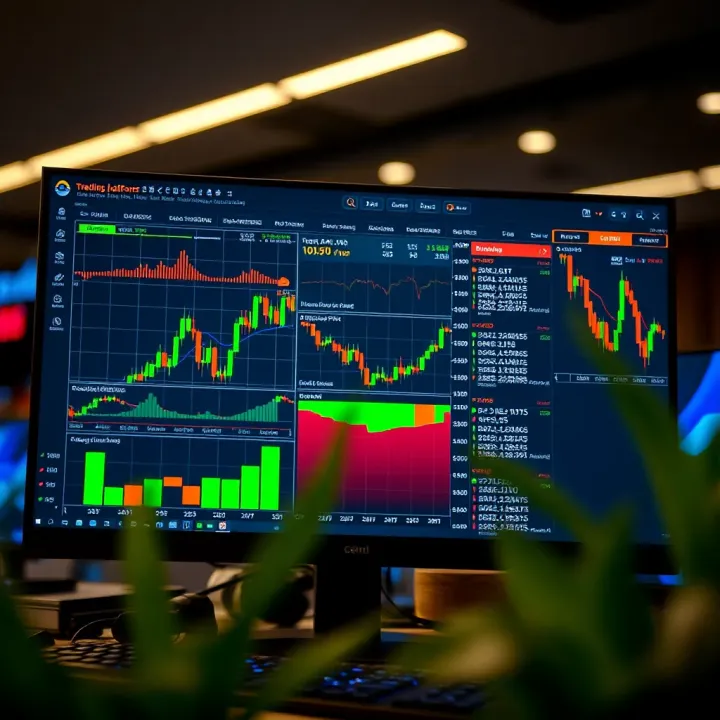
Trading Platforms Guide for Kenyan Investors
📊 Discover how to choose the right trading platform for Kenyan investors. Learn about features, security, fees, and mobile access suited to Kenya's market.
Edited By
Lily Watson
Trading platforms have reshaped how Kenyans access financial markets, making it easier to buy and sell investments like shares, bonds, and foreign currency from the comfort of your home or office.
At their core, a trading platform is software that connects you to stock exchanges or other financial markets. Through it, you can place orders, track price changes, and manage your portfolio in real time. Platforms like Nairobi Securities Exchange (NSE) online portals or global ones such as Interactive Brokers and eToro open doors to local and international trading opportunities.
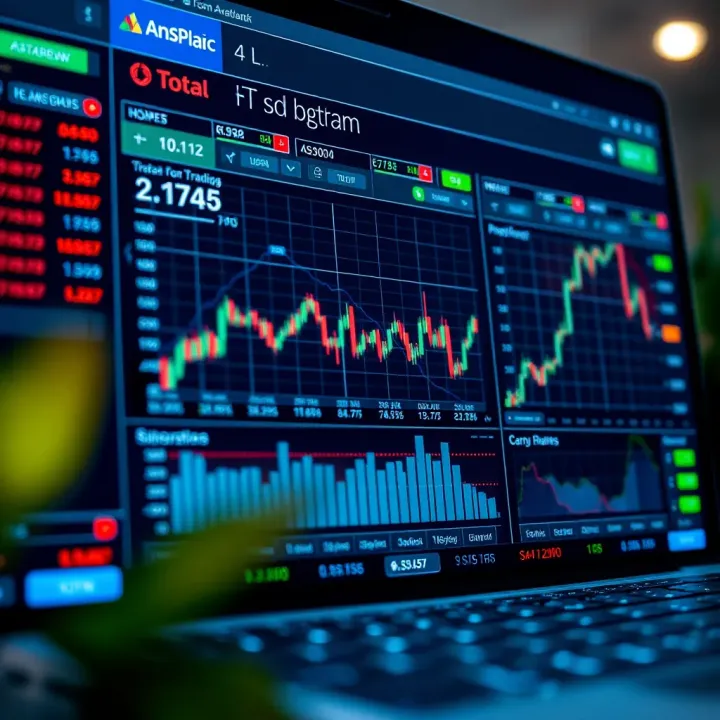
Understanding how these platforms operate is essential for any Kenyan investor keen to grow wealth effectively. Many platforms provide features like live market data, charts, news alerts, and risk management tools all in one place. For example, a broker like Equity Securities might give you access to KSh-denominated Kenyan shares alongside global stocks, allowing you to diversify beyond the local market.
A good trading platform combines ease of use with reliable data and strong security measures to safeguard your investment.
Selecting the right platform depends on your trading goals and expertise. Day traders may prefer fast execution speed and advanced charting tools, while longer-term investors might look for lower fees and educational resources.
In Kenya, mobile compatibility is a major factor since many users rely on smartphones. Platforms that support M-Pesa payments simplify funding your trading account without needing a bank visit.
Before jumping in, it’s wise to test platforms through demo accounts where you can practise without risking real money. Also, check the platform’s regulatory compliance—ensure it is licensed by the Capital Markets Authority (CMA) for protection against fraud and malpractice.
In brief, trading platforms are gateways to investing that can unlock new possibilities for Kenyans, but picking the right one means balancing features, cost, trustworthiness, and local convenience.
Trading platforms act as the primary gateway for Kenyan investors to access financial markets. Understanding these platforms is essential because they determine how you place trades, manage your portfolio, and access market data. For instance, a user-friendly platform with real-time information can make the difference between spotting an opportunity early or missing out.
At its core, a trading platform is software that lets investors buy and sell assets like stocks, forex, or commodities. It acts as the bridge between you and the market, transmitting your orders and displaying market information. The practical value for investors lies in its ability to generate live market prices and execute trades almost instantly, which is crucial for timely decision-making.
In Kenya, platforms such as the Nairobi Securities Exchange (NSE) online portal provide investors direct access to local equities. Additionally, mobile-based platforms like the EFG Hermes Smart Trader and the Britam Investor App have made trading more accessible, especially for those who prefer using mobile phones. These platforms tailor trading experiences for Kenyan market conditions, including local trading hours and pricing in Kenyan Shillings.
When you place a buy or sell order on a platform, it sends this instruction to the broker, who then forwards it to the relevant market exchange. For example, if you want to buy Safaricom shares via a platform connected to NSE, the order moves from your device to the broker’s system, then to NSE for execution. Successful order execution depends on factors like internet speed and the broker’s efficiency.
Trading platforms connect investors to brokers and exchanges through secure internet connections. Brokers serve as intermediaries authorised to access exchanges where actual trading occurs. Many Kenyan brokers offer platforms linked directly to NSE or global exchanges for overseas investments. This connection allows investors to view live market data, place orders, and manage trades seamlessly.
Choosing a reliable platform connected to licensed brokers ensures your trades comply with Kenyan regulations and reduces risks of delays or fraud.
By grasping these basics, Kenyan investors can better navigate trading platforms, making informed choices about where and how to invest their KSh savings effectively.
Different types of trading platforms cater to diverse needs, and knowing their features helps investors make informed choices. Whether you prefer a settled desktop environment, the convenience of the internet browser, or trading on the go using your mobile, each platform offers practical benefits and unique considerations.
Desktop platforms run as software installed directly on your computer. They are preferred by more experienced traders because of their robust features, fast order execution, and advanced charting tools. For example, platforms like MetaTrader 5 or Thinkorswim are popular internationally, and Kenyan brokers such as SBG Securities provide customised desktop software with local market access.
Though desktop platforms might require a powerful PC and some technical know-how, they offer reliable performance and allow complex trades on equities, forex, and derivatives. Investors who trade frequently or use automated trading strategies often lean towards desktop software for its stability and flexibility.
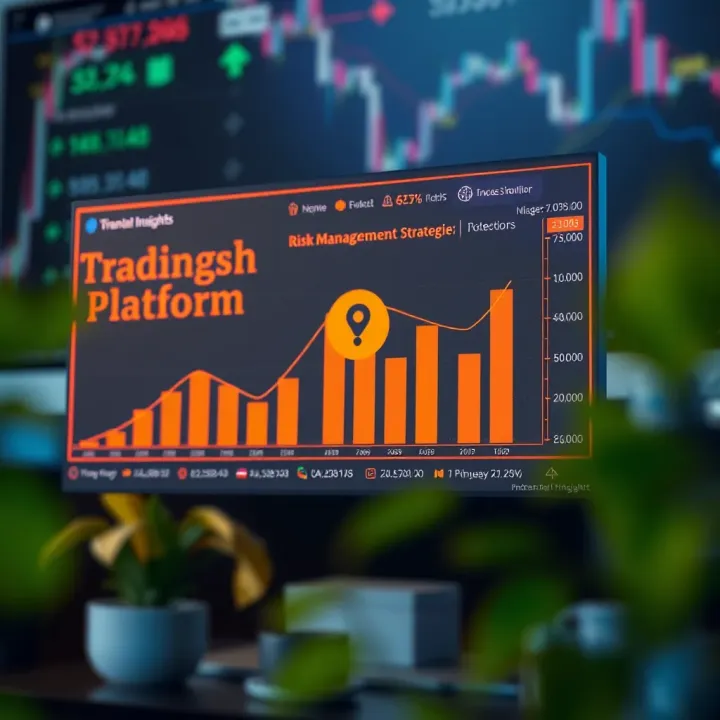
Web-based platforms require no installation and work inside any modern web browser. They suit users who value quick access without tying up their computers with heavy software. Many Kenyan investors use web platforms like NSE Web Trading Portal or brokers’ online portals that support M-Pesa payments and local stocks.
The main advantage is ease of access from any device connected to the internet, whether at home or an internet café. However, web platforms may have slower response times compared to desktop software, and some advanced features might be limited. Still, their convenience means many can start trading with little technical barrier.
Mobile trading apps have transformed how Kenyans interact with financial markets. Platforms like Safaricom’s M-Akiba app, EABL’s Equity Mobile, and global brokers’ apps like IG or FXTM are common. These apps integrate easily with M-Pesa or KCB M-Pesa, making deposits and withdrawals straightforward for Kenyan users.
Mobile apps often provide real-time price updates, news alerts, and simple order entry making them very practical for traders who need to act quickly or check their portfolio while commuting. Given Nairobi’s busy matatu traffic, this flexibility is invaluable.
Trading via mobile offers unmatched convenience. You don’t need to be at a desk or own a powerful PC—just your mobile phone. This immediate access means you can react to market changes anywhere, whether at a nyama choma joint or during a boda boda ride.
Furthermore, mobile platforms often come with user-friendly interfaces designed for Kenyan users, supporting local payment methods and offering customer support in Kiswahili. This bridges gaps for new investors and fosters inclusion in trading activities across Kenya’s regions.
Choosing the right platform depends on your trading style, experience, and the market instruments you focus on. Each type presents different trade-offs between sophistication, convenience, and accessibility.
By understanding these platform types, you can pick one that fits your lifestyle and helps you trade confidently in Kenya’s growing financial markets.
Choosing the right trading platform can greatly affect your investing experience and potential returns. As a Kenyan investor, it's essential to focus on key features that fit your trading style and needs. These include the platform's user interface, the variety of markets and instruments available, transaction costs, and security measures. Each of these aspects can impact not only how easily you execute trades but also how well your investments are protected.
A trading platform should be straightforward and intuitive, allowing you to place trades, access charts, and monitor your portfolio without fuss. For example, platforms like EGM Securities and Absa Securities offer clean layouts that even first-time traders find easy to use. Complex interfaces can lead to mistakes, especially during fast-moving markets. Look for platforms that offer customizable dashboards so you can prioritise the tools and information most relevant to your strategy. Smooth navigation saves time and reduces frustration, which is critical when market shifts require quick decisions.
Platforms differ in the range of assets they offer for trading. Many Kenyan investors focus on equities from the Nairobi Securities Exchange (NSE), but the best platforms also give access to forex, commodities such as gold and oil, and even cryptocurrencies. Access to different markets helps diversify your portfolio, spreading risk. For instance, if the Kenyan shilling weakens, forex trading might offer opportunities to profit. Similarly, commodities like gold can act as a hedge against inflation.
Having a platform with multiple asset classes allows you to switch strategies without opening separate accounts. This variety is handy when economic or political events affect one market but not others. Choose platforms that clearly display instrument details and enable easy switching between markets.
Trading costs directly eat into your profits. These include brokerage commissions, spreads, withdrawal or deposit fees, and minimum balance requirements. For example, some brokers charge a flat fee on NSE shares, while others have spreads that can widen in volatile periods. Kenyan platforms like Kenya Commercial Bank’s (KCB) securities app tend to offer competitive fees, but it's good to compare.
Consider platforms with transparent fee structures. Avoid hidden charges that pop up when withdrawing funds or during currency conversion. Keep in mind that frequent trading can rack up costs quickly, so understand how fees apply if you plan to trade regularly.
Protection of your funds and personal information is non-negotiable. Reliable trading platforms implement strong security protocols like two-factor authentication (2FA) and encryption. Kenyan investors should ensure their platform abides by local regulations enforced by authorities like the Capital Markets Authority (CMA) and the Central Bank of Kenya (CBK).
The CMA regulates securities trading and licences brokers offering trading platforms, ensuring they meet standards that protect investors. Platforms recognised by CMA and registered with CBK provide some reassurance against fraud and malpractice.
Platforms complying with these bodies usually undergo regular audits, have clear dispute resolution mechanisms, and provide investors with legal protections. Always check if a platform is CMA-licensed before starting to trade. South African or UK platforms can be popular but may lack direct Kenyan regulation, which affects your recourse if issues arise.
Considering these features carefully will help you select a trading platform that supports your investment goals, respects your regulations, and protects your hard-earned money.
Trading platforms offer convenience and access to various markets, but they also carry risks that Kenyan investors must handle carefully. Managing these risks isn’t just about avoiding losses; it’s about protecting your capital and building confidence in your trading activities. With proper safeguards, you can reduce losses and maintain control over your investments.
Market risk refers to the possibility that the value of your investments will drop due to changing market conditions. For example, if you buy shares listed on the Nairobi Securities Exchange (NSE) and the market falls because of political uncertainty or economic downturn, your portfolio's value will decline. This risk is inherent in trading and cannot be totally eliminated, but good research and diversification can lower its impact.
Technical glitches can disrupt your ability to trade at key moments. Issues like internet outages, platform freezes, or server downtime may stop orders from executing promptly, potentially leading to missed opportunities or losses. Suppose you rely on a web-based platform, and during a major market movement, the platform crashes— this could prevent you from closing a position to avoid losses. Using reliable internet, regularly updating apps, and having alternative access methods are ways to manage this risk.
Scammers often target traders by offering fake platforms or promising unrealistic returns. A Kenyan investor might receive enticing messages about exclusive opportunities requiring upfront payment, only to lose money to fraudsters. Always be cautious of unsolicited offers, and double-check the authenticity of the platform and brokers involved. Remember, legitimate brokers will be registered with authorities like the Capital Markets Authority (CMA).
Using brokers licensed by Kenya’s CMA reduces your chances of falling victim to fraud or mismanagement. Licensed brokers must meet certain standards and follow rules designed to protect investors. For example, Equity Bank Securities and KCB Capital are CMA-licensed firms providing trading services. Verify the broker’s licence before trading and avoid those who cannot prove regulatory approval.
Transacting through secure and familiar payment methods such as M-Pesa helps avoid financial fraud. Many trading platforms and brokers now accept payments via M-Pesa paybill or Lipa Na M-Pesa Till numbers. These channels provide receipts and transaction tracking, making it easier to dispute irregularities. Avoid direct bank transfers or cash payments without proper documentation.
Keep an eye on your trading accounts daily to spot unusual movements early. Regularly updating your trading software and mobile apps ensures you have the latest security patches and features. Subscribing to notifications from your brokerage can alert you to important account or market changes. This proactive approach helps you respond quickly to risks, minimising potential losses.
Successful trading is not just about profits but knowing how to safeguard what you have. Managing risks effectively keeps you in the game for the long haul.
By understanding these risks and adopting practical safeguards, Kenyan investors can trade more securely and confidently.
Making the most out of your trading platform means not only understanding its tools but also adopting good habits. Kenyan investors who take time to educate themselves and stay informed tend to see better results and avoid costly mistakes. This section covers key ways you can boost your chances of success.
Most trading platforms offer tutorials and built-in tools designed to help traders familiarise themselves with different functions. These resources are critical for understanding how to place orders, set stop losses, or read market charts. For instance, platforms like EABL or NSE’s online services come with demo videos and guides that break down complex features clearly. Spending time on these can save you from unnecessary errors when real money is at stake.
Training tools also let you experiment without risks. Features like technical indicators and chart analysis tools allow you to explore strategies and spot trends. It’s a practical way to learn how Nairobi Securities Exchange (NSE) equities or forex pairs behave before diving in fully.
Keeping up with relevant news feeds is a must for Kenyan investors. Updates on political changes, economic policies, or company earnings reports can impact stock prices or currency rates dramatically. Using local sources, such as Business Daily or The Standard, helps you stay aware of events affecting stocks like Safaricom or equity sectors like energy and agricultural commodities.
Markets are not isolated; global events frequently influence Kenya’s financial markets. Watching local news alongside international trends can help you anticipate price movements, giving you an edge over those who trade blindly.
Beginning with small amounts limits your exposure while you learn how the platform handles orders and the market’s volatile nature. Many platforms provide demo accounts where you trade using virtual money. This hands-on practice is especially useful for new traders to build confidence and test strategies without risking shillings.
Trading platforms regularly update their software to improve security, introduce new features, or fix bugs. Staying informed about these changes ensures you don’t miss out on improvements that can help your trading, such as faster order execution or mobile app upgrades.
Regularly checking the platform’s announcements or subscribing to newsletters can keep you ahead. For example, if a platform integrates a new Kenyan government bond market, knowing early can help you diversify your investments.
Being proactive about education, cautious practice, and platform updates will help you navigate trading risks and improve your chances of long-term growth.
📊 Discover how to choose the right trading platform for Kenyan investors. Learn about features, security, fees, and mobile access suited to Kenya's market.

💹 Learn how IQ Trading lets Kenyan investors access forex, commodities & indices. Understand risks, payments like M-Pesa, plus key tips for safe trading and regulation.

📈 A practical guide for Kenyan investors to master cryptocurrency trading. Learn key strategies, platform tips, risk control, and local regulations.

📊 Learn forex trading basics, market tips, and risk strategies tailored for Kenyan investors. Start smart, avoid common pitfalls, and grow your KSh portfolio today!
Based on 12 reviews