

Forex Trading in Kenya with M-Pesa: A Practical Guide
Learn how to trade forex safely in Kenya using M-Pesa for quick deposits and withdrawals. Discover trusted platforms, legal tips, and practical steps to grow your KSh wallet! 📈💰
Edited By
George Collins
Forex trading continues to gain traction in Kenya, with more investors seeking straightforward ways to fund their accounts. One popular method is through M-Pesa, Kenya's leading mobile money platform, widely trusted for its convenience and security. Many forex brokers now accept M-Pesa payments, making it easier for Kenyan traders to deposit funds quickly without the delay of traditional bank transfers.
Using M-Pesa to fund your forex account saves both time and effort. Instead of queuing in banks or dealing with international wire transfers, you can simply send money from your mobile phone. This suits the fast-moving nature of forex markets where timing can affect trading opportunities.
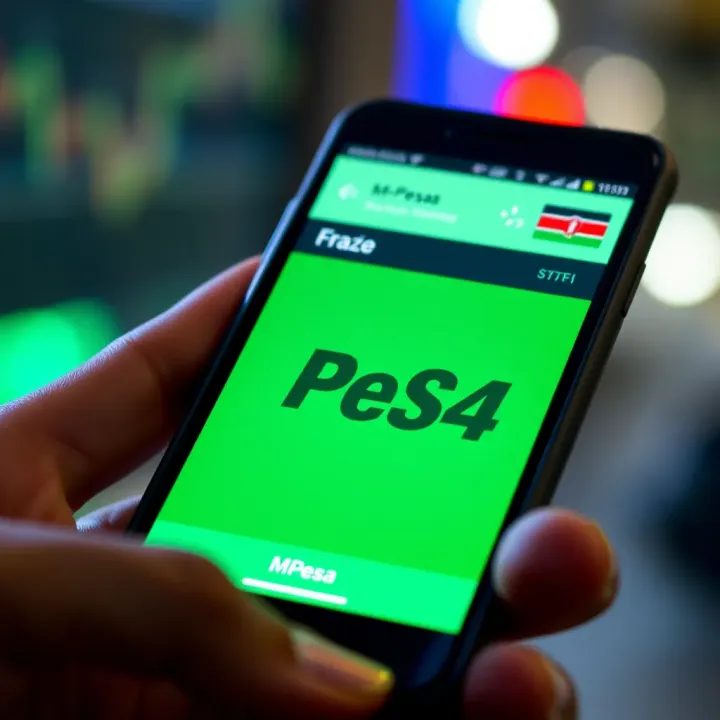
The convenience of M-Pesa combined with its wide accessibility across Kenya makes it a preferred deposit option for many forex traders.
When choosing a forex broker accepting M-Pesa, consider several factors to ensure smooth transactions and account security. Look out for brokers regulated by credible authorities such as the Capital Markets Authority (CMA) in Kenya or internationally recognised bodies. Also, check if the broker offers transparent fee structures and prompt customer support, especially on payment issues.
Many brokers have integrated M-Pesa payment to streamline deposits. For example, brokers like XM, HotForex, and FBS allow direct funding via M-Pesa paybill or till numbers, enabling instant deposit confirmation. Registration usually involves straightforward steps: signing up on the broker’s platform, verifying your identity, and then proceeding to make M-Pesa deposits.
In brief, using M-Pesa with forex brokers in Kenya provides quick, flexible access to the market with low transaction hassle. Traders can start capitalising on forex opportunities while effectively managing their capital flows.
Kenyan traders face unique challenges and opportunities in forex trading that require a good grasp of payment methods available locally. Selecting how to fund and withdraw from a forex account impacts trading efficiency and overall experience. This section breaks down key payment choices common in Kenya, with a focus on M-Pesa, the preferred mobile money platform here.
Forex trading involves buying and selling currencies to profit from exchange rate movements. Kenyan investors often trade pairs like USD/KES or EUR/USD, influenced by both global trends and local economic news. With access to online brokers, traders can start with small amounts, monitoring markets from Nairobi’s busy cafes or even on their phones while commuting in matatus.
Success in forex depends not only on market knowledge but also on smooth deposits and withdrawals. A slow or expensive fund transfer can hinder trading decisions or lock up capital. Therefore, knowing which payment methods mesh well with Kenyan systems and lifestyle is key.
Bank transfers remain a trusted way to move money into forex accounts, especially for larger sums. Kenyan banks like Equity and KCB allow transfers through online portals or mobile apps. However, bank transfers can sometimes take up to two business days to clear, which might delay trading opportunities.
The transaction fees from banks tend to be higher compared to mobile money platforms, especially for international transfers. For traders who prefer traditional banking or deal with hefty amounts, this remains a reliable choice albeit with slower turnaround.
Using credit or debit cards offers convenience for instant funding of forex accounts. Most brokers accept Visa and Mastercard, widely available in Kenya through banks and fintech companies. This payment method suits traders who prefer card transactions integrated with internet banking.
Cards carry risks like fraud and sometimes high processing fees, including foreign exchange charges. Additionally, card limits may restrict funding amounts for active Kenyan traders aiming to diversify across several currency pairs quickly.
Mobile money is the backbone of Kenya’s payment landscape, with M-Pesa leading the pack. It allows instant deposits and withdrawals without needing bank accounts, suiting many Kenyan forex traders who rely on mobile phones daily.
Other mobile money services like Airtel Money exist but have a smaller footprint among forex platforms. For this reason, brokers partnering with M-Pesa offer greater accessibility to the average Kenyan trader, bridging a gap between traditional finance and digital markets.
M-Pesa is familiar and simple—almost everyone knows how to send and receive money using it. Traders can fund their accounts directly from their M-Pesa wallets without navigating complex banking processes.
This ease encourages broader participation in forex trading, especially among young hustlers and upcountry traders with limited access to formal banks. For example, a trader in Kisumu can just use M-Pesa to fund a broker’s account without stepping into a bank branch.
One major advantage of M-Pesa is the near-instantaneous transaction speed. Deposits made typically reflect immediately in the trading account, allowing timely entry into market positions. This immediacy contrasts with bank transfers that might lag.
Fast transactions help traders react to sudden market shifts, such as price swings caused by economic announcements or geopolitical events that directly affect KSh exchange rates.
M-Pesa transactions are secured through PIN codes and Safaricom’s infrastructure, which many Kenyans trust after years of reliable service. The platform’s integration with brokers means funds move securely without exposing sensitive card data.
Trust in M-Pesa also arises from its regulation by the Central Bank of Kenya, offering users peace of mind during forex trading activities. That said, traders should remain cautious by using authorised brokers who comply with local licensing rules to avoid scams.
Knowing the payment methods used in forex trading lets Kenyan traders pick options that suit their speed, convenience, and security needs. For many, M-Pesa stands out as the practical choice bridging the gap between local money habits and global forex markets.
Using M-Pesa as a payment method has become a game-changer for Kenyan forex traders, primarily because it offers a local, familiar, and swift option to fund trading accounts. Picking a top forex broker that supports M-Pesa not only streamlines your deposits and withdrawals but also builds trust since many brokers integrate the platform securely and transparently. This section covers some of the most reliable brokers active in Kenya, focusing on how they handle M-Pesa payments and what that means for your trading experience.
Broker A stands out for its straightforward M-Pesa integration. Traders can fund their accounts directly through their mobile phones without needing complicated bank transfers or card payments. This broker offers clear instructions on how to link M-Pesa to their trading platform, making it easy even for those not highly tech-savvy. The transactions typically reflect in your trading account within minutes, enabling fast market entry without waiting for verification that can take hours or days elsewhere.
This broker also maintains a local Kenya support team, which helps solve any payment hiccups quickly. This hands-on approach is valuable, especially when dealing with unexpected M-Pesa transaction limits or outages, common challenges Kenyan users occasionally face.
Broker B takes a slightly more advanced route by combining M-Pesa with other mobile payment options like Airtel Money. This ensures flexibility for traders who might use different mobile networks. Their platform supports instant deposits and withdrawals, making it appealing for day traders or those who need to move capital fast.
They are known for minimal deposit requirements, making forex trading more accessible to smaller investors. However, traders should be aware of slightly higher spreads, which the broker justifies through added payment convenience and robust customer service.
Broker C integrates M-Pesa payments through a partnership with Safaricom's business services, ensuring a secure and regulated channel for all transactions. Their platform is particularly popular among Kenyan traders who focus on automated trading strategies because it supports seamless funding without manual intervention.
The broker's M-Pesa deposits are instant, and withdrawals are processed within 24 hours, a combination that strikes a good balance between speed and operational safety. Additionally, they provide detailed transaction histories accessible from the trader’s dashboard, which helps in tracking deposits and managing funds efficiently.
When choosing a broker that accepts M-Pesa, it’s essential to look beyond payment convenience to fees and trading conditions. Brokers typically charge spreads or commissions, which vary based on the account type and trading volume.
Broker A offers tight spreads starting from 1.2 pips on major currency pairs, suitable for traders focused on cost efficiency. They charge no direct fee for M-Pesa deposits, but standard Safaricom transaction fees apply.
Broker B has slightly wider spreads, around 1.5 pips, but balances this with flexible deposit sizes starting as low as KSh 5000. Their spreads can widen during volatile sessions.
Broker C provides variable spreads with a minimum of 1.0 pip and a small commission per trade, making it ideal for active traders who value precise cost management.
Trading conditions such as leverage options, minimum deposit amounts, and customer support availability also differ. Kenyan traders should verify that brokers offer leverage ratios compliant with local regulations (typically up to 1:30). Additionally, brokers with local offices or dedicated Kenyan teams can offer more tailored support, especially regarding M-Pesa payment issues or regulatory clarifications.
Choosing a forex broker that seamlessly integrates with M-Pesa can drastically improve how you manage funds, delivering not just speed but also confidence in your trading operations.
Overall, understanding each broker's payment setup alongside fees and trading terms helps Kenyan forex traders make informed choices, avoiding unnecessary costs while benefiting from the convenience of M-Pesa.
Funding your forex trading account using M-Pesa is a straightforward and practical option for Kenyan traders. Since M-Pesa is widely used across the country, it allows quick access to trading capital without the usual bank delays. This payment method also reduces reliance on traditional banking, which can sometimes be inaccessible or slow, especially in rural areas.
Understanding the actual steps in this process helps traders avoid common pitfalls and ensures smooth transactions when dealing with forex brokers. Knowing how to register with a broker, link M-Pesa, make deposits, and verify transactions forms the backbone of a successful trading experience.
The first step is creating an account with a forex broker that accepts M-Pesa payments. Most brokers require identification details such as your National ID or passport, proof of residence, and sometimes a photo for verification. Completing this process early ensures you can link your M-Pesa easily once the account is active.
Always choose a broker regulated by recognised authorities like the Capital Markets Authority (CMA) in Kenya or licensed abroad. This protects your deposits and guarantees a level of fairness in trading practices.
After registration, the broker will typically provide a wallet or deposit account number to which your M-Pesa funds will be sent. This step involves saving the broker’s till or paybill number on your M-Pesa menu. You should confirm this information on the broker’s official platform to avoid fraud.
Some brokers also integrate M-Pesa API directly into their client dashboard. This allows deposits without leaving the broker’s site, saving time and reducing errors during transfers.
To deposit funds, go to your M-Pesa menu, select "Lipa na M-Pesa," then choose either Paybill or Buy Goods depending on the broker’s instructions. Enter the till or paybill number, amount in Kenyan shillings, and your M-Pesa PIN.
The money is usually credited to your forex trading account within minutes, letting you start trading immediately. For example, if you fund with KS0,000, this amount reflects on your broker's platform almost instantly, unlike bank transfers which can take hours or days.
After depositing, verify the transaction via your broker’s client area. Brokers typically show a pending or completed deposit status. You can also check your M-Pesa statements or SMS confirmations to match the transaction amount and date.
If funds don’t appear within the expected timeframe (usually less than 30 minutes), contact the broker’s support promptly. Keeping screenshots or transaction IDs helps when resolving issues.
Withdrawing profits to M-Pesa usually follows a similar route but in reverse. Most brokers provide a withdrawal request option on their platform where you specify the amount and choose M-Pesa as the payment method.
It’s important to ensure that your M-Pesa details are up to date and that you understand any withdrawal fees or minimum limits the broker might impose. Funds typically arrive on your M-Pesa account within the same day or the next business day.
Remember: Always confirm withdrawal policies beforehand to avoid surprises, as some brokers have withdrawal cycles while others allow instant payouts.
Using M-Pesa for funding forex trading accounts brings convenience, speed, and access to many Kenyans. By following the right steps carefully, traders can maintain smooth financial flows and maximise their chances of successful trading.
Choosing a forex broker that accepts M-Pesa payments goes beyond convenience. Traders need to weigh several important factors ensuring their money and data remain secure, and that the broker aligns with their trading needs. These considerations help avoid unexpected delays or losses and improve overall trading experience.
Regulation is the first thing Kenyan traders should check. A broker licensed by the Capital Markets Authority (CMA) in Kenya is supervised under local law, giving traders some protection in case of disputes or financial problems. For instance, brokers registered with CMA must follow rules on transparency and client fund segregation. However, some reputable brokers might be regulated abroad by stricter authorities like the Financial Conduct Authority (FCA) in the UK or the Cyprus Securities and Exchange Commission (CySEC). Having multiple licences provides extra assurances but Kenyan traders should confirm the broker allows Kenyan residents to trade under these licences. Unregulated brokers or those with unclear licences should be avoided at all costs.
Forex trading can throw curveballs; you might need quick assistance with your M-Pesa deposits or account issues. Brokers with a local Kenyan presence often offer faster, more relevant support. They can provide Kikuyu, Swahili, or English communication, and understand Kenyan banking and mobile money nuances. A dedicated helpline or a local office in Nairobi or Mombasa adds confidence. Support through multiple channels (phone, email, live chat, WhatsApp) is a bonus. For example, a trader facing a failed deposit via M-Pesa will appreciate a broker who quickly responds and liaises with Safaricom’s support team if needed.
When linking your M-Pesa account to a forex trading platform, security must be top priority. Safaricom’s M-Pesa comes with its own PIN and encryption, but brokers also have to protect your payment details. Secure brokers use SSL encryption on their websites and two-factor authentication for withdrawals. They avoid storing sensitive payment data in plain text. Always check if the broker confirms transactions instantly and sends notifications. Beware of brokers who ask you to share M-Pesa PINs or transaction codes, as legitimate brokers never require that. Additionally, using personal devices with updated software reduces risks of interception. Kenyan traders should also confirm withdrawal limits and daily transaction caps specific for mobile money to manage expectations.
Selecting the right broker that accepts M-Pesa payments means balancing trust, local convenience, and robust security. Checking licencing, support quality, and security policies can save you from future headaches and enhance your forex journey.
Taking time to thoroughly assess these factors before funding your forex account with M-Pesa reduces risks and helps you trade confidently in Kenya’s dynamic market.
Using M-Pesa for forex trading offers Kenyan investors a straightforward and well-trusted way to manage their funds. It bridges the gap between traditional banking and digital finance, making it easier to get started or maintain trading activities without hassle. That said, while there are clear benefits, traders should also be aware of potential challenges to avoid costly mistakes.
Convenience
M-Pesa’s convenience is one of its biggest attractions. Most Kenyans already have M-Pesa accounts linked to their mobile phones, so depositing funds into a forex trading account can be done right from home or even while on the move. This eliminates the need to visit banks or deal with paper forms, streamlining the funding process considerably.
Moreover, since M-Pesa operates through both smartphone apps and USSD codes, even those with basic phones can access it for transactions. For a forex trader, this means being able to top-up their account anytime, whether they are in Nairobi’s CBD or a remote part of Kisumu.
Availability Across Kenya
M-Pesa’s extensive agent network covers nearly every county in Kenya. This widespread presence ensures that traders from rural and urban areas alike can access their funds easily. A forex trader based in Eldoret can send deposits even without a traditional bank account, using an agent nearby to cash in or out.
For forex brokers, accepting M-Pesa payments widens their client base since they tap into a large pool of mobile-savvy Kenyans. The accessibility reduces barriers for new traders and supports financial inclusion in forex markets.
Low Costs Compared to Banks
Transferring money via M-Pesa usually costs less than traditional bank fees. While banks might charge for interbank transfers and international payment processing, M-Pesa fees are relatively low and transparent. For instance, depositing KSh 100,000 might cost just a few shillings, whereas bank transfers can be costlier and take longer.
The cost advantage is significant for frequent traders who make multiple deposits and withdrawals. By using M-Pesa, they save on transaction fees that would otherwise chip away at their capital.
Transaction Delays
Although M-Pesa transactions are generally quick, forex brokers sometimes experience delays due to system errors or network glitches. These delays can be frustrating, especially when timing is crucial in forex trading.
To avoid this, traders should confirm transactions via the broker’s platform and keep proof of payment (like transaction number or SMS confirmation). In case of delay, contacting customer support promptly can help resolve issues faster.
Fraud Risks
Mobile money fraud is a real concern. Fake websites, phishing messages, or dishonest agents can trick traders into losing funds. For example, some scammers impersonate brokers and ask for M-Pesa payments to fake accounts.
Kenyan traders should always confirm the broker’s official payment details from trustworthy sources and avoid sharing M-Pesa PINs or codes. Using brokers with verified licences and strong security systems reduces fraud risk significantly.
Limits on Transfers
M-Pesa imposes daily and monthly transfer limits that can affect how much money a trader can move at once. Large forex account fundings might require breaking down transfers or seeking special arrangements.
Knowing these limits beforehand is key. Some brokers provide guidance on maximum deposit amounts per transaction and suggest splitting large sums into smaller payments to stay within M-Pesa’s rules. Planning deposits this way prevents inconveniences during active trading.
For Kenyan traders, using M-Pesa is mostly about balancing ease of access and low costs with awareness of occasional hiccups around transaction speed, security, and transfer limits. Being informed helps maximise the benefits while keeping risks in check.
Learn how to trade forex safely in Kenya using M-Pesa for quick deposits and withdrawals. Discover trusted platforms, legal tips, and practical steps to grow your KSh wallet! 📈💰
📈 Learn how to trade forex in Kenya with this practical guide covering basics, tools, risk control, strategies, and local regulations. Trade smarter, earn safely!

📊 Discover how to open and manage a forex account in Kenya, explore types available, understand risks, and get essential tips for smart trading in global currency markets.

📉 Get a clear, practical guide to forex trading in Kenya! Understand market basics, currency factors, risk management, and tech setup to trade confidently.
Based on 14 reviews