
Forex Trading for Beginners: Practical Steps to Start
📈 Learn forex trading basics, market operation, essential strategies, and risk management. Practical steps for Kenyan beginners to start trading confidently with KSh.
Edited By
Isabella Green
Forex trading, or foreign exchange trading, is the buying and selling of currencies with the goal of making a profit. For many Kenyans, forex trading has become an accessible way to engage with global markets, thanks in part to digital platforms and affordable internet access. However, it’s not a quick path to riches; it requires understanding market trends, managing risks, and knowing the local regulatory frameworks.
The forex market operates 24 hours a day, five days a week, enabling traders in Nairobi to trade currencies while markets in London or New York are open. Major currency pairs like USD/KES (US dollar to Kenyan shilling), EUR/USD, and GBP/USD are commonly traded, but others might suit particular strategies or interests.

Understanding factors that move forex prices is key. Economic data releases like Kenya’s inflation reports, Central Bank of Kenya’s (CBK) interest rate decisions, or US jobs data can cause currency value shifts. Political events, such as election outcomes or trade agreements within the East African Community (EAC), also impact exchange rates. For instance, during periods of election uncertainty in Kenya, the shilling may weaken as investors wait to see the result.
Getting started typically involves choosing a forex trading platform. Platforms such as MetaTrader 4 (MT4) and MetaTrader 5 (MT5) are popular, offering charting tools, indicators, and automated trading options. Many Kenyan brokers integrate M-Pesa for deposits and withdrawals, making transactions seamless and convenient.
Keep in mind: successful forex trading isn’t about guessing which way prices will move but managing risks carefully.
Risk management means setting stop-loss orders, limiting the amount you invest on any single trade, and not trading with money you cannot afford to lose. Far from gambling, effective trading comes from discipline, planning, and continuous learning.
In summary, forex trading in Kenya offers opportunities but requires understanding both global market dynamics and local conditions. This guide will walk you through practical steps, from selecting trading tools to following regulations set by the Capital Markets Authority (CMA) and CBK, helping you trade with confidence and responsibility.
To succeed in forex trading, understanding how the forex market operates is fundamental. This grasp not only sharpens your trading skills but also helps you assess risks and opportunities better. Knowing the market's nature can guide you on when to trade based on currency behaviour and global events, something every trader in Kenya should keep in mind.
Forex trading involves buying one currency while simultaneously selling another. It’s like a swap; for example, if a Kenyan trader expects the US dollar to strengthen against the shilling, they might buy USD/KES, aiming to sell later at a better rate. This trade hinges on currency pairs, where currencies are quoted against each other, reflecting relative value.
Unlike stocks or commodities, forex trading centres specifically on currencies, which are the backbone of international trade and finance. It’s a decentralised market, open 24 hours on weekdays, offering constant trading opportunities. This continuous operation suits Kenyan traders who might prefer late-night or early-morning trading sessions due to the time zone difference with major markets.
The US dollar (USD) plays a dominant role in the forex market because it’s widely used in global trade and held as a reserve currency. Other significant currencies include the euro (EUR), British pound (GBP), Japanese yen (JPY), and Swiss franc (CHF). Their liquidity ensures tighter spreads and smoother trading.
In Kenya, commonly traded pairs feature the shilling (KES) paired with major currencies like USD/KES and EUR/KES. Traders also keep an eye on pairs like GBP/USD or USD/JPY, which, despite not involving KES, impact the forex environment by reflecting global economic trends. For instance, a weakening dollar often affects import costs in Kenya, altering KES demand.
Exchange rates change based on supply and demand for currencies. For example, if Kenya exports more tea to the US, demand for the shilling rises as buyers convert their dollars to pay Kenyan exporters, pushing KES value up. Conversely, if tourism dips, the shilling might weaken as fewer dollars flow into the country.
Economic indicators heavily influence these rates too. Figures such as inflation rates, interest rates, GDP growth, and employment numbers signal a country's economic health and can move currency values. For instance, if the Central Bank of Kenya raises interest rates, the shilling may strengthen as investors seek higher returns, while poor economic data might trigger declines.
Grasping these basics equips you to anticipate movements in currency pairs, helping you make informed decisions instead of guessing blindly.
Understanding the forex market’s workings isn't just academic; it grounds your trading strategy in real-world factors, which is essential for consistent, responsible trading in Kenya’s expanding forex environment.
Starting forex trading in Kenya means getting familiar with the right steps and tools suited to our market environment. Getting these basics right helps avoid common pitfalls and aligns your trading efforts with local regulations and payment options. This section guides you through choosing a trusted broker, setting up your account, and finding the best platforms and tools for your trading.
The Capital Markets Authority (CMA) Kenya plays a key role in regulating forex brokers operating within the country. It's vital to work with brokers licensed by CMA to ensure your funds are protected and the broker complies with set standards. Licensed brokers must follow rules around transparency, client fund segregation, and fair dealing. For example, if a broker isn’t registered with CMA, you risk dealing with unscrupulous firms that might delay withdrawals or manipulate prices.
When selecting a broker, look beyond regulations and focus on operational features. A good broker should offer competitive spreads, reliable trade execution speeds, and a user-friendly platform. Customer service availability and educational materials also matter, especially if you’re starting out. Additionally, check if the broker accepts deposits via common Kenyan methods like M-Pesa, which makes funding straightforward.
Opening a trading account usually involves submitting identification documents such as a national ID or passport, proof of residence like a utility bill, and sometimes a source of income statement. This KYC (Know Your Customer) process helps brokers verify your identity and comply with anti-money laundering laws. It’s a quick step but mandatory before trading.
Funding your trading account should be easy and convenient. Most Kenyan brokers allow deposits through M-Pesa, which many traders are familiar with. This mobile money platform lets you deposit funds instantly without complicated bank transfers. Besides M-Pesa, some brokers also accept bank deposits, credit cards, or even PayPal. Confirm which methods your chosen broker supports to avoid hiccups.
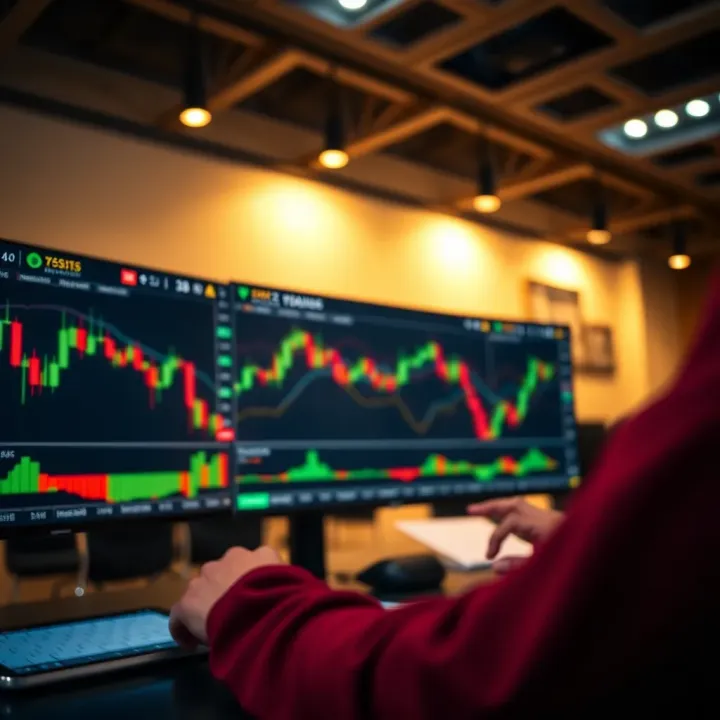
Popular trading platforms in Kenya include MetaTrader 4 (MT4), MetaTrader 5 (MT5), and web-based platforms like cTrader. MT4 remains popular due to its simplicity and the availability of numerous custom indicators and expert advisors. MT5 offers more advanced features and additional asset classes, while cTrader is known for its user-friendly interface.
Using charts and technical indicators is essential for analysing price movements in forex markets. Common tools like Moving Averages help identify trends, while the Relative Strength Index (RSI) signals potential overbought or oversold conditions. These tools equip you to make informed decisions based on price patterns and market momentum rather than guessing.
Always test platforms and tools on demo accounts first. This way, you learn their features without risking your money, taking a gradual approach that suits Kenya’s trading scene.
Getting started confidently means choosing the right broker, setting up your account properly, and using proven trading platforms with suitable analytical tools. This solid base prepares you to navigate forex trading in Kenya with more control and clarity.
Successful forex trading depends heavily on well-thought strategies and techniques that guide your decisions. Understanding both technical and fundamental analysis helps you make sense of market movements, while solid risk management protects your capital. This section breaks down these key approaches so you can build a trading plan suited to Kenyan traders, balancing opportunity and caution.
Identifying trends and patterns is the foundation of technical analysis. Trends show the general direction in which a currency pair is moving—upwards, downwards, or sideways. For instance, if the USD/KES rate progressively rises over several days, that suggests a bullish trend, offering a potential buying opportunity. Recognising common patterns like double tops or head and shoulders helps predict possible price reversals, giving a trader an edge to enter or exit trades at the right moment.
Common indicators like Relative Strength Index (RSI) and Moving Averages provide practical tools for spotting trade signals. The RSI measures whether an asset is overbought or oversold, indicating potential price corrections soon. For example, an RSI above 70 on EUR/USD might suggest it’s time to sell. Moving Averages smooth out price data to reveal trend direction over a specific period, such as the 50-day MA. Crosses between short-term and long-term moving averages signal shifts in momentum which traders rely on to confirm entries or exits.
Economic releases such as Kenya’s inflation rate, Central Bank interest rate decisions, and GDP figures influence currency valuations significantly. A rise in Kenyan inflation, for example, can weaken the shilling as investors anticipate higher prices locally. Keeping track of these releases helps traders anticipate when volatility will spike.
Using news to anticipate market moves means staying aware of global events that ripple through forex markets. Political developments, trade agreements within the East African Community, or unexpected announcements from the US Federal Reserve can cause sharp swings in currency pairs involving the KES or USD. Learning to interpret credible news sources and timing trades around such events can increase your chances of profit while avoiding sudden surprises.
Setting stop-loss and take-profit orders is vital for protecting your account from big losses and locking in gains. A stop-loss automatically closes your position when the price moves against you by a predefined amount. For example, if you buy USD/KES at 110 and set a stop-loss at 108, the trade exits if the price falls to 108, limiting your loss. Take-profit orders work similarly but lock in profits when the price reaches a target, like selling once USD/KES hits 112.
Managing leverage and position sizes is equally important to avoid risking too much on a single trade. Leverage amplifies gains but also losses. Using high leverage without discipline often wipes out accounts. Start with small position sizes that match your risk tolerance. For instance, risking only 1-2% of your trading capital per trade is a common rule of thumb. This way, a string of losses won’t devastate your funds, letting you trade longer and learn from experience.
Effective trading combines analysing market data, reacting to fundamental events, and managing risk responsibly. For Kenyan traders, mastering these techniques means safer and more consistent results.
By sticking to tested strategies and good risk controls, you build confidence and increase your chances of success in Kenya’s growing forex market.
Forex trading offers opportunities, but it's vital to recognise the risks involved and how to stay safe. This section helps you understand potential pitfalls and practical ways to protect your money and information. Whether you're just starting or have some experience, knowing these risks helps you avoid costly mistakes and scams common in Kenya's forex scene.
Forex markets are known for rapid price changes, often happening within minutes or seconds. Such volatility means the value of currency pairs can swing sharply due to news releases, geopolitical events, or shifts in economic policies. For instance, if the US Federal Reserve changes interest rates, the USD can quickly strengthen or weaken against the Kenyan shilling, affecting your open trades.
This unpredictability poses challenges but also trading chances. However, if you're not careful, sudden swings can wipe out profits or increase losses faster than expected. That's why many traders use stop-loss orders to limit how much they can lose during volatile moments.
Leverage allows you to control larger amounts of currency with a smaller deposit. While this boosts potential gains, it also increases possible losses. For example, using 100:1 leverage means a small 1% adverse move in the market can wipe out your entire investment.
Many new traders in Kenya fall into the trap of over-leveraging, chasing quick profits and risking more than they can afford to lose. Proper risk management, including choosing reasonable leverage levels and understanding margin calls, is essential. Don't treat leverage like free money—it magnifies risks as much as rewards.
Unfortunately, Kenya's growing forex market attracts unscrupulous brokers and signal providers. Watch out for promises of guaranteed profits, pressure to deposit large amounts quickly, or brokers without a valid Capital Markets Authority (CMA) licence.
Similarly, forex signals that claim a 100% success rate or ask for upfront fees should raise suspicion. Legitimate trading involves uncertainty; no one can predict market moves with certainty. Always verify a broker's or signal provider's credentials before committing any funds.
The CMA regularly issues warnings about unlicenced entities operating illegally in forex trading. If a broker or service isn't on the CMA's authorised list, avoid them. Also, if you face problems like withdrawal issues, report promptly through CMA channels. Kenyan regulators take such complaints seriously as they aim to protect investors from fraud.
Staying alert to regulatory updates and acting swiftly on suspicious behaviour helps protect your investments.
Online forex trading requires sharing personal data and financial details. Use strong, unique passwords for your trading accounts and enable two-factor authentication when available. Avoid trading on public Wi-Fi or shared devices to reduce hacking risks.
Be cautious with emails or messages requesting account details; scammers often mimic legitimate brokers. Always access your trading platform by typing the official website address directly.
Funding your forex account securely is as important as safe trading. Kenya’s widely used M-Pesa offers reliable and quick payment methods for deposits and withdrawals. Choose brokers who support M-Pesa or bank transfers—these methods are traceable and secure if done correctly.
Avoid brokers insisting on payments via unfamiliar or irreversible methods such as cryptocurrencies unless you fully understand the risks. Always confirm transaction records and keep receipts for any deposits or withdrawals.
Taking these precautions helps you trade forex with greater confidence and security, reducing the chances of falling victim to common risks in Kenya's forex market.
Forex trading can be rewarding, but Kenyan traders face unique challenges. Having practical tips tailored to local realities helps you build a solid foundation, avoid costly mistakes, and approach the market confidently. Whether you are starting or looking to sharpen your skills, understanding these tips makes your trading journey smoother and more realistic.
Demo accounts let you trade with virtual cash, giving you hands-on experience without financial risk. This is especially useful for Kenyan traders who might be cautious about committing real shillings before grasping market dynamics. For instance, you can practise opening and closing trades, watching how currency pairs behave during different times of the day, and familiarise yourself with trading platforms without worrying about losses.
Once comfortable, you can test different approaches on the demo account—whether it’s scalping, day trading, or swing trading—before applying them in live markets. This experimentation helps identify what works for your style and risk appetite. Kenyan traders often juggle forex trading with other commitments, so seeing results in a risk-free setup saves time and frustration. It also guards against impulsive decisions driven by emotions when real money is involved.
It’s easy to expect quick profits from forex, but setting achievable targets based on your capital and market knowledge is crucial. Kenyan traders should consider how much time and money they can realistically dedicate and avoid chasing daily windfalls. For example, aiming for steady monthly returns rather than doubling your account overnight builds discipline and long-term skills.
Most Kenyans have work or family responsibilities, so forex trading should fit into your schedule—not the other way around. Carving out specific times for market analysis and placing trades prevents burnout and distractions. You might trade during quieter matatu rides or after dinner, but it’s important to stay consistent without neglecting your main sources of income or wellbeing.
Engaging with groups focused on forex trading in Kenya exposes you to shared experiences, tips, and warnings relevant to local regulations and market conditions. For instance, Facebook and Telegram groups allow traders to discuss brokers, signal providers, and best practices. This sense of community also offers support during tough patches and a chance to celebrate milestones.
Monitoring news and reports that affect the Kenyan shilling (KES) informs better trading decisions. Economic events like CBK policy changes, inflation rates, or political developments influence forex pairs involving KES or USD/KES rates. Staying updated helps you anticipate market moves and protect your positions, especially as local factors sometimes cause unexpected price shifts.
Practical knowledge, smart time management, and community insights form the backbone of successful forex trading for Kenyans. These tips help you trade smarter—not harder—while navigating the unique market environment here.
📈 Learn forex trading basics, market operation, essential strategies, and risk management. Practical steps for Kenyan beginners to start trading confidently with KSh.
📈 Learn forex trading basics, risks, and benefits with practical tips for Kenyan traders. Understand local rules and how to trade currencies safely and profitably.
Learn how to trade forex safely in Kenya using M-Pesa for quick deposits and withdrawals. Discover trusted platforms, legal tips, and practical steps to grow your KSh wallet! 📈💰

📊 Learn forex trading basics, market tips, and risk strategies tailored for Kenyan investors. Start smart, avoid common pitfalls, and grow your KSh portfolio today!
Based on 11 reviews