
Learn Trading: Practical Guide for Kenyan Beginners
📈 Start your trading journey in Kenya with practical tips on tools, risk management, and popular platforms. Build a strong foundation for smart trading today!
Edited By
Emily Carter
Online trading has opened doors for many Kenyans to participate in local and global financial markets without needing to step into a physical brokerage. With growing internet access and mobile money services like M-Pesa streamlining payments, more investors in Kenya are keen to explore trading as a way to grow their savings or diversify their incomes.
Understanding how online trading works is key before committing your hard-earned KSh to stocks, forex, commodities, or other instruments. At its core, online trading involves buying and selling financial assets via internet-based platforms provided by brokerage firms. These platforms connect you to exchanges or dealer networks where prices change frequently based on supply, demand, and market news.
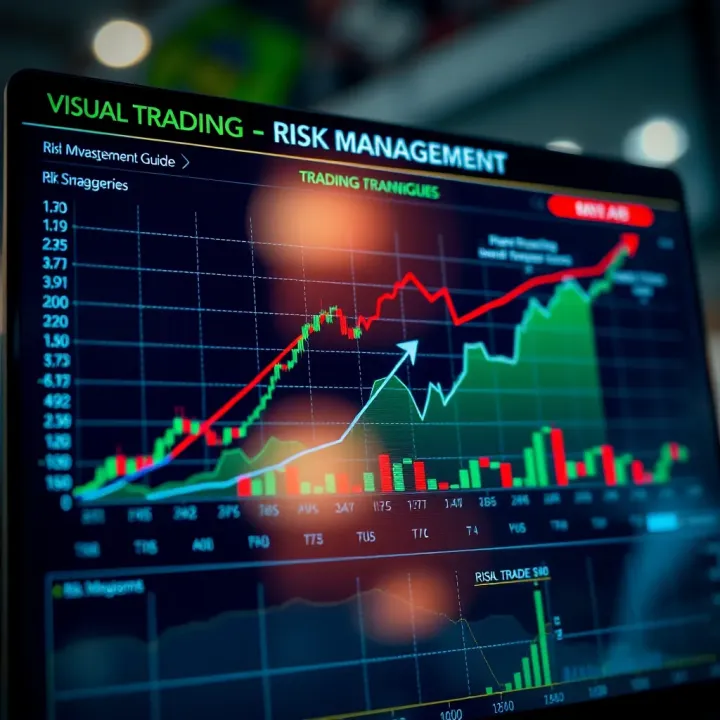
Success in online trading relies on picking the right tools, learning the basics of financial markets, and managing risks actively.
For a start, Kenyan investors should look for brokers regulated by the Capital Markets Authority (CMA), which safeguards traders from fraud and unfair practices. Popular local and international platforms like Safaricom’s M-Akiba, or global brokers that offer access to NSE and other stock exchanges, provide varying fees, features, and asset choices. It’s wise to compare these before opening an account.
New traders must also familiarise themselves with key financial instruments:
Stocks (Equities): Ownership shares in companies like Safaricom or Equity Bank.
Foreign Exchange (Forex): Buying and selling different currencies, such as the US dollar against the Kenyan shilling.
Commodities: Trading goods like gold or oil, which have their own price drivers.
Bonds: Debt securities issued by governments or corporations offering fixed interest payments.
While the allure of quick profits can be tempting, beginners should prioritise understanding market movements and practising with demo accounts before risking real money. Risk management tools like stop-loss orders help limit losses when markets move unexpectedly.
Staying updated on both Kenyan and international economic trends will also sharpen your trading decisions. Regularly checking data from the Kenya National Bureau of Statistics (KNBS) and following news affecting global markets will give you an edge.
Starting small, learning continuously, and choosing trustworthy platforms are the stepping stones toward confident online trading in Kenya. This guide will walk you through the essentials to help you build a strong foundation.
Understanding the fundamentals of online trading is essential for anyone keen on entering Kenya's financial markets. Knowing how digital trading works helps investors avoid common pitfalls, choose the right tools, and trade with confidence. For example, grasping the basics means you won’t mistake a fast-moving market for a scam or fall prey to unscrupulous brokers promising unrealistic gains.
Online trading involves buying and selling financial assets like shares, forex, or bonds through internet-connected platforms, instead of face-to-face dealings or phone calls typical in traditional trading. This shift has made trading more accessible, letting Kenyans from Nairobi to Kisumu participate directly rather than relying on intermediaries alone.
Unlike traditional trading, where transactions often involve physical paperwork and time-consuming processes, online trading lets you execute deals in real time, offering greater speed and access to global markets. For instance, a trader in Mombasa can buy NSE-listed companies or currency pairs at any hour, something not feasible with old-style brokerage systems.
The internet is the backbone of online trading, enabling platforms to deliver real-time prices, charts, and news that traders need for decision-making. Advances in technology also mean you can use smartphones or laptops to trade from almost anywhere in Kenya, so you’re not tied to an office or trading floor.
Platforms leverage technologies like secure encryption to protect your funds and personal data. Plus, innovations such as app notifications keep traders updated on market movements even when they are away from their desks, helping them act swiftly when opportunities arise or market conditions change.
In Kenya, online trading involves three main players: brokers, traders, and regulators. Brokers act as middlemen with platforms that connect you to the market, helping execute your buy or sell orders. Traders—individuals or institutions—use these platforms to invest and speculate.
Regulators like the Capital Markets Authority (CMA) oversee brokers and trading activities to ensure fair practices and protect investors. It’s wise to verify that any broker you use is licensed by the CMA to avoid fraud. For instance, reputable brokers like Underlying Brokers Ltd and local branches of international firms comply with these rules and usually provide transparent fee structures.

Kenya’s widespread mobile connectivity, led by Safaricom’s M-Pesa, has been a game changer for online trading. With M-Pesa, you can fund your trading account instantly from your phone without needing to visit a bank or hand over cash physically. This convenience caters especially well to remote areas where banking infrastructure is thin.
Moreover, mobile trading apps are designed with lightweight interfaces to work well even on slower networks common outside major cities. This flexibility means a trader in Eldoret can react immediately to market news or price changes, placing orders or setting stop losses on the go. Such integration of mobile money with trading platforms uniquely supports the Kenyan trader’s everyday reality.
Getting familiar with these basics ensures you start your online trading journey grounded in real, workable knowledge suited to Kenya’s market environment and digital landscape.
Starting online trading without a proper setup is like trying to drive a matatu without knowing the roads. Getting your workspace, tools, and accounts ready sets the foundation for success and helps avoid costly mistakes later. This section focuses on two key areas: selecting the right trading platform and opening and funding your trading account.
Kenya offers both local and international trading platforms, each with their own strengths. Local platforms such as Nairobi Securities Exchange (NSE) approved brokers cater well to Kenyan investors by providing access to the NSE and using familiar payment methods like M-Pesa. International platforms, on the other hand, offer access to global markets including US stocks or forex pairs outside the Shilling, but may have higher minimum deposits and stricter verification rules. Choosing between these depends on your trading goals — if you want mostly Kenyan equities, a local platform simplifies matters, but international options open more opportunities.
Usability, fees, and customer service are big factors too. A trading platform with a clean, easy-to-navigate interface reduces confusion and speeds up your decision-making. Platforms charging hidden fees can eat into your profits, so transparency in charges matters much. Always check if the platform offers responsive customer support, ideally with live chat or phone — this proves invaluable when quick help is needed, especially during volatile market times.
Opening an account typically involves verifying your identity and residence due to regulatory requirements designed to prevent fraud and money laundering. Expect to submit a government-issued ID like a national ID card or passport, proof of address such as a utility bill, and sometimes source of funds documents. This process might sound tedious but ensures your account’s safety and compliance.
When it comes to funding, M-Pesa and other mobile money services are a huge plus for Kenyan traders. Many platforms now allow seamless deposits and withdrawals using M-Pesa, making it easy to fund your account instantly without the need for bank transfers. This convenience means you can move funds quickly to seize market opportunities. However, be mindful of transaction fees and withdrawal limits. Always double-check the platform’s instructions to avoid delays or loss of funds.
Setting up properly saves you future headache and keeps your trading activities smooth, especially in an environment like Kenya where mobile payments dominate everyday transactions.
With these elements in place, you’re better positioned to trade confidently and manage your investments efficiently.
Understanding which financial instruments to trade is key for any beginner looking to enter online trading in Kenya. These instruments come with different features, risk levels, and potential returns. For new traders, recognising the characteristics of each type helps in making choices that match their comfort and goals.
Investing in shares or equities means buying a stake in companies listed on the Nairobi Securities Exchange (NSE). For Kenyan investors, this is an accessible way to support local businesses while potentially growing wealth. Companies like Safaricom, KCB Group, and Equity Bank are some of the well-known firms whose shares are actively traded by Kenyans. Buying shares gives you ownership rights, including voting in company decisions.
Dividend earnings and capital gains form the two main ways investors profit from shares. Dividends are portions of the company's profits paid to shareholders, usually quarterly or annually. For example, if you hold shares in a company that declares a KSh 5 dividend per share, you receive that amount for each share you own. On the other hand, capital gains come from selling shares at a higher price than you paid. If you buy a share at KSh 100 and sell at KSh 120, the KSh 20 difference is your capital gain. Both streams provide potential income, but capital gains depend heavily on market conditions.
Foreign exchange (forex) trading involves buying and selling currency pairs. In Kenya, pairs including the Kenyan Shilling (KES) against currencies like the US Dollar (USD/KES) or Euro (EUR/KES) attract significant interest. Since KES is a key currency in regional trade and remittances, its rates fluctuate regularly, offering opportunities for forex traders.
Forex markets are known for volatility; prices can change quickly within minutes or hours. This movement creates chances to make profits, but also increases risk. Kenyan traders should keep an eye on factors like central bank interest rates, economic reports, and political developments that impact currency strength. For instance, changes in the Central Bank of Kenya's policy rate often influence the KES exchange rate.
Contracts for Difference (CFDs) allow traders to speculate on price changes without owning the underlying asset. Exchange-Traded Funds (ETFs) bundle a mix of securities—like stocks or bonds—offering diversification in one trade. Bonds are loans made to governments or corporations, paying interest over time. Each instrument carries different risks: CFDs involve leverage, which can magnify losses; ETFs spread risk but depend on market trends; bonds tend to be safer but often yield lower returns.
For beginners, bonds and ETFs usually offer more stability compared to CFDs. Bonds issued by the Kenyan government or reputable companies pay fixed interest, providing predictable income. ETFs listed on NSE allow exposure to multiple shares without buying each individually, reducing the risk associated with one company's performance.
Picking the right financial instrument depends on your risk appetite, investment goals, and what you understand well. It's often wise for new traders to start with shares or bonds before exploring complex products like CFDs.
Choosing suitable instruments early on builds confidence and helps manage risk effectively as you grow in online trading.
Managing risks and developing a clear trading plan are fundamental steps that every online trader in Kenya should take. Without a plan, you might trade on impulse, exposing yourself to losses that could have been avoided. Proper risk management helps preserve your capital and keeps your trading sustainable. It’s like knowing how to navigate through Nairobi’s busy streets — you need a smart route and awareness of potential hazards to avoid getting stuck or harmed.
Market risk is the possibility that asset prices will move against your position. For example, if you buy shares of a Kenyan company like Safaricom and the stock price drops due to poor quarterly results, your investment loses value. The forex market is even more volatile; fluctuations in the Kenyan Shilling against the US Dollar can swing widely because of political events or changes in trade.
Leverage risk comes when you borrow money to trade larger positions than your actual capital allows. While leverage can amplify gains, it also magnifies losses. For instance, with 10x leverage, a 5% market drop erases 50% of your investment quickly. This is why using leverage demands caution, especially for new traders.
Scams are another big risk, especially online. Unregulated brokers might promise high returns but disappear once you deposit money. Some platforms may manipulate prices or withhold your withdrawals. Always stay alert to avoid these.
How to identify unreliable brokers involves checking their licences and reputation. In Kenya, the Capital Markets Authority (CMA) regulates brokers. Always verify if the broker is CMA-approved to ensure they meet legal and ethical standards. Reliable brokers offer transparent fees, customer support, and clear contract terms. Avoid those with aggressive marketing, unrealistic promises, or poor reviews from fellow traders.
Setting clear objectives helps you know what you aim to achieve with each trade. Are you looking for quick profits or steady long-term growth? Establish limits on the amount of money you’re willing to risk per trade — typically only a small percentage of your total capital, say 2%. This prevents a single bad trade from wiping out your account.
Using stop-loss orders is a practical way to protect your capital. This tool automatically sells your position at a predetermined price if the market moves against you. For example, if you buy shares at KSh 100 and place a stop-loss at KSh 90, your loss is capped at 10%. Without stop-losses, you might hold on to losing positions hoping they’ll recover, which can drain your funds quickly.
A well-defined trading plan paired with disciplined risk management keeps you in the game longer and increases the chances of making consistent gains.
By understanding these risks and having a strategy, Kenyan traders can approach online markets with greater confidence — reducing surprises and controlling losses effectively.
Starting out in online trading without some grounded tips and best practices is like driving through Nairobi traffic without knowing the routes—it gets messy fast. New traders benefit hugely from clear strategies, good resources, and awareness of market conditions. By focusing on local realities like mobile payments through M-Pesa and Nairobi Securities Exchange (NSE) listing nuances, traders can build confidence and avoid common pitfalls.
Finding free courses and demo accounts is one of the smartest moves a beginner can make. Platforms like the NSE website, local banks offering investment tutorials, and international brokers with Kenyan user support offer free lessons online. Demo accounts simulate real trading environments without risking actual cash, providing a safe space for beginners to test strategies and familiarise themselves with the trading interface.
Practising before risking your hard-earned KSh is crucial. A demo account helps detect errors early — like accidentally buying shares of a less-known company expecting quick gains, which might turn sour. By practising, traders learn to read charts, understand timing, and build discipline. This practice lowers the chance of losing money due to avoidable mistakes once real money is introduced.
Reliable financial news sources help you follow both Kenyan and global market movements. Kenyan platforms like Business Daily, The Standard, and Kenya Broadcasting Corporation (KBC) provide timely financial updates relevant to our markets. International outlets such as Bloomberg or Reuters also offer insights on currency trends, commodity prices, and geopolitical events impacting investments.
Using this information is not just about knowing what's happening but about making informed decisions based on facts. For example, knowing about a Central Bank of Kenya (CBK) rate change or political developments ahead of elections can guide when to buy or sell stocks or currencies. Staying updated helps spot opportunities and avoid surprises that could hit your portfolio hard.
Overtrading and letting emotions drive decisions often lead traders down a slippery slope. For instance, chasing after every sudden news headline without a clear strategy may result in frequent losses and depleted funds. Emotional reactions to gains or losses can cause traders to make impulsive buy or sell moves. Sticking to a plan and knowing when to pause is vital.
Ignoring fees and charges quietly eats into profits. Some platforms might have hidden costs like withdrawal fees, inactivity charges, or high spreads on trades. A Kenyan trader using M-Pesa for deposits and withdrawals should factor in transfer fees or currency conversion costs too. Checking and understanding all fees upfront ensures you don't get caught off guard by charges that shrink your earned KSh.
Successful trading starts with practice, awareness, and discipline, not lucky guesses. Avoiding these common pitfalls helps Kenyan investors build steadier, more confident portfolios.
📈 Start your trading journey in Kenya with practical tips on tools, risk management, and popular platforms. Build a strong foundation for smart trading today!
🌍 Discover how Kenyan investors can start online forex trading safely, choose proper platforms, understand risks, and apply strategies tailored to Kenya’s economy. 📈

📈 Learn forex trading basics, market operation, essential strategies, and risk management. Practical steps for Kenyan beginners to start trading confidently with KSh.
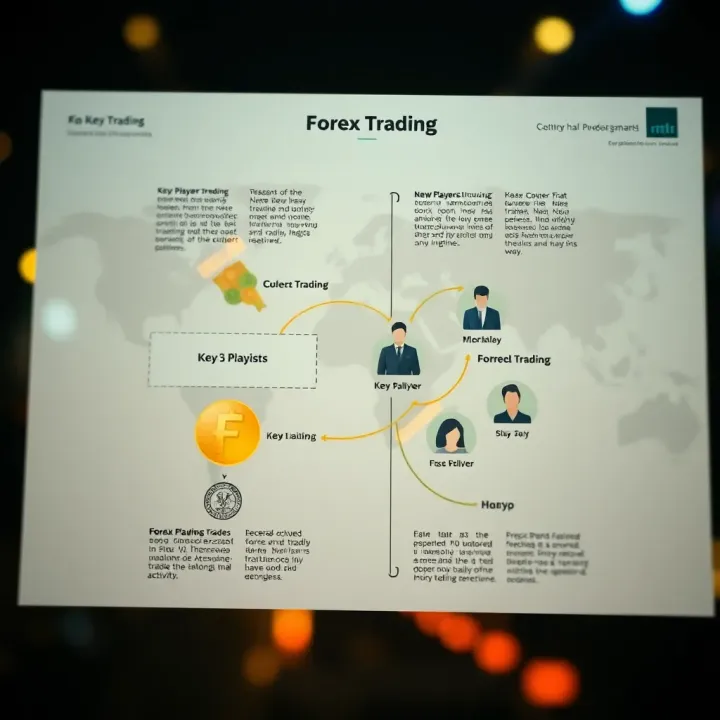
📈 Learn forex trading basics, risks, and benefits with practical tips for Kenyan traders. Understand local rules and how to trade currencies safely and profitably.
Based on 14 reviews