
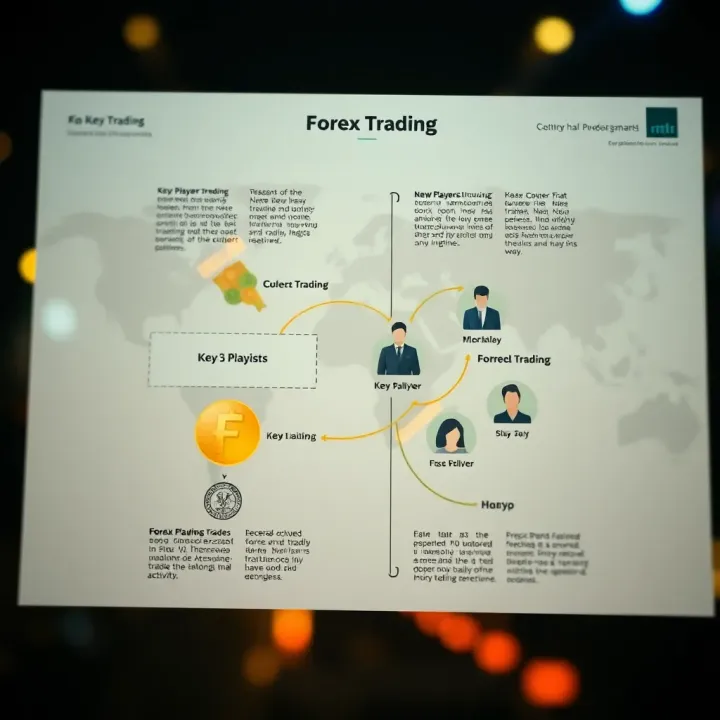
Forex Trading Guide for Kenyan Traders
📈 Learn forex trading basics, risks, and benefits with practical tips for Kenyan traders. Understand local rules and how to trade currencies safely and profitably.
Edited By
Charlotte Evans
The world of forex trading is often seen as a shortcut to quick riches, but reality paints a different picture. The richest forex traders didn't amass their wealth overnight or by sheer luck. Instead, they combined skill, discipline, and strategy over many years to build substantial fortunes. Understanding who these traders are and how they succeeded can offer valuable lessons, especially for traders in Kenya navigating this fast-moving market.
Among the wealthiest forex traders, names like George Soros, Stanley Druckenmiller, and Bill Lipschutz stand out. Soros famously made about $1 billion by shorting the British pound on Black Wednesday in 1992. His success came from deep market insight and willingness to take calculated risks. Druckenmiller, Soros’ key partner, focused on macroeconomic trends and used a mix of intuition and technical analysis. Lipschutz turned a modest inheritance into millions through careful risk management and understanding currency fundamentals.

These top traders highlight that success in forex comes from understanding market dynamics, not just chasing trends.
In addition to trading strategies, capital preservation remains a common theme among the richest forex traders. They avoid reckless bets and place strong emphasis on managing losses. For example, while Soros was bold, he always cut his losses fast when trades didn’t go as planned. This mindset kept their trading accounts sustainable over decades.
For Kenyan traders, lessons emerge clearly:
Educate yourself: Master both fundamental and technical analysis.
Develop a strategy: Don’t trade on impulse or hearsay.
Manage risks: Use stop-loss orders and position sizing.
Be patient: Wealth builds slowly, especially in volatile markets.
It's also important to debunk the myth of instant wealth. Forex trading involves genuine risk of losing capital, and the market’s complexity can catch many off guard. The richest traders’ fortunes reflect many years of experience, market observation, and disciplined execution.
Whether you trade on the Safaricom iTax platform or use M-Pesa for funding your account, the core principles remain the same. Success depends on steady growth, sound judgement, and learning from both wins and setbacks. Knowing the stories behind the richest forex traders provides practical insight into what it really takes to thrive in this highly competitive field.
Understanding the profiles of the wealthiest forex traders offers valuable lessons for anyone venturing into currency trading. These individuals didn't just rely on luck; they combined deep market knowledge, disciplined strategies, and calculated risks to build their wealth. By studying their approaches, traders can gain insights into practical techniques and mindset adjustments needed to survive and thrive in forex markets.
The Black Wednesday episode is a standout moment in forex history when George Soros famously "broke the Bank of England" by shorting the British pound. At the time, the UK was part of the European Exchange Rate Mechanism (ERM), which tried to keep the pound within a fixed range against the German mark. Soros recognised that the pound was overvalued and that the UK government lacked the reserves to defend it. By betting against the pound, he made profits estimated at over $1 billion in a single day.
This event matters practically because it shows the power of macroeconomic understanding combined with timing. Soros didn't just trade based on price charts; he studied political and economic weaknesses and acted decisively.
Soros’s trade sent shockwaves through global markets. The UK was forced to withdraw from the ERM, and Black Wednesday led to a significant loss in confidence for the pound. It also triggered market reforms and showed how large forex players can influence national economies.
For traders, the lesson here is to always consider external factors such as political decisions and central bank policies. Forex markets are not just numbers; they're affected by governments and economies that can cause sudden shifts.
Soros combined fundamental analysis with a bold, high-leverage position. He also timed the market well, acting when the pressure on the pound was at its peak. His approach involved patience and the readiness to take a calculated risk when the odds were overwhelmingly in his favour.
The takeaway is that successful forex trading requires thorough research and the courage to act decisively, backed by strong convictions, instead of chasing every small market move.
Stanley Druckenmiller worked closely with Soros as the lead portfolio manager during the Black Wednesday trade. His role was crucial in identifying the pound’s vulnerability and managing the timing and execution of their position.
Their partnership teaches us about the value of collaboration and complementing strengths. Druckenmiller brought his own analytical skills and risk appetite to the table, which, combined with Soros’s vision, resulted in massive gains.
Druckenmiller’s style emphasises cutting losses quickly while letting winning trades run. He avoided overexposure by constantly monitoring positions and market signals. This careful risk control protected the capital needed for bigger opportunities.
For traders, the lesson is to manage risk actively — always have a clear exit plan and don't get emotionally attached to trades.
Unlike speculative quick trades, Druckenmiller focused on sustained growth by reinvesting profits and adapting to changing markets. He balanced aggressive bets with stable positions, highlighting that building wealth in forex is a marathon, not a sprint.
This approach reminds traders to adopt patience and consistency rather than chasing rapid, unpredictable gains.
Bill Lipschutz began trading forex while at university and eventually became one of the highest earners on Wall Street. He's known for turning relatively small investments into millions through disciplined analysis.
His journey shows that even small beginnings can lead to success if paired with the right knowledge and persistence.
Lipschutz emphasises understanding market sentiment and the forces driving currency movements. He avoids gambling and instead treats trading as a serious business, focusing on trade size, timing, and diversification.
For Kenyan traders, this highlights the need to treat forex as a profession, not a gamble, making informed decisions backed by research.
Lipschutz stresses flexibility: markets are always changing, so traders must adjust their strategies rather than sticking rigidly to one style. Adapting to new information quickly is essential to stay profitable.
The practical lesson is to keep learning and remain nimble, especially given today's fast-moving forex markets affected by local and global factors.
Profiles of these legendary forex traders prove that success depends on combining knowledge, execution, and disciplined risk management. Kenyan traders willing to learn from such examples can improve their chances of building lasting wealth in forex trading.
Successful forex traders share several common traits and strategies that separate disciplined investors from mere gamblers. These elements are crucial for long-term profits and surviving the market’s ups and downs. Understanding and applying these strategies can help you manage risks better and improve your chances in forex trading.
Setting stop-loss limits is like having guardrails on a risky road. It involves deciding in advance the maximum loss you are ready to accept on any single trade. This prevents a small problem from turning into a portfolio disaster. For instance, a trader buying the USD/KES pair might decide to cut losses if the rate drops 1% below their purchase price. While you might miss some rebound profits, stop-losses protect your capital and allow you to stay in the game longer.
Emotions can often cloud trading decisions. Fear might push traders to sell too early, while greed can make them hang on to losing trades hoping for a reversal. Top traders remain calm and stick to their strategy regardless of short-term market noise. For example, a trader who experienced a sudden drop in EUR/USD might panic and sell at a loss, but disciplined traders wait for clear signals. Building emotional control requires practice and sometimes keeping a trading journal to reflect on mistakes and prevent repeat errors.
Interest rates strongly influence currency fluctuations. When a central bank hikes rates, its currency usually strengthens due to higher returns attracting investments. Take the Central Bank of Kenya (CBK) raising rates to curb inflation. This move can boost the Kenyan shilling against other currencies. Knowing these links helps traders forecast currency direction and plan trades accordingly.
Political developments are another force behind currency movements. Elections, policy changes, or geopolitical tensions can cause sharp currency swings. For example, uncertainty before Kenya’s general elections often leads to volatility in the KES market. Traders who keep an eye on such events can avoid surprises or even capitalise on opportunities when markets react.
Modern forex trading relies heavily on robust platforms like MetaTrader 4 or 5. These tools provide live charts, indicators, and automated systems that make analyzing and executing trades faster and more accurate. Some Kenyan brokers like FXPesa offer user-friendly platforms tailored for local traders, smoothing the way for effective trade management.
Markets respond swiftly to new information. Top traders make it a habit to follow financial news from trusted sources such as Bloomberg, Reuters, or local outlets like Business Daily. For Kenyan traders, understanding global market trends alongside local economic updates is key. This practice helps in reacting timely and avoiding costly surprises in currency pairs involving the Kenyan shilling.
Alertness to macro-economic signals, solid risk control, and effective use of technology are the everyday tools that rich forex traders use. Applying these traits consistently is what builds solid trading habits and, ultimately, wealth.
Forex trading often attracts many with the hope of quick wealth, but it's essential to understand the real hurdles and misunderstandings before diving in. Many aspiring traders overlook the challenges inherent in currency markets, which can lead to losses rather than gains. Recognising these issues helps traders prepare better, manage risks effectively, and develop realistic expectations.
Why Forex Is Not a Get-Rich-Quick Scheme
Forex trading is often misunderstood as a fast track to wealth. However, the truth is quite different. Success in forex requires patience, education, and consistent effort. Even the wealthiest traders started with small investments and only grew their fortunes after years of experience. Expecting immediate profits without proper skills or strategy usually ends in disappointment.
Examples of Common Pitfalls
Many new traders jump into forex without fully understanding key concepts like leverage and risk management. For instance, using high leverage might seem attractive because it magnifies potential gains but can just as easily wipe out your capital. Emotional trading is another pitfall—letting fear or greed drive decisions often leads to poor outcomes. Without a clear plan and discipline, many end up chasing losses or overtrading.
How Unexpected Events Affect Currencies
Currency markets are highly sensitive to global events. Political unrest, unexpected election results, or sudden changes in economic policy can cause dramatic price swings. For example, the 2016 Brexit vote sent shockwaves through forex markets, briefly destabilising the British Pound and causing ripple effects worldwide. Kenyan traders need to stay alert to such news, even when trading less popular currency pairs.
Importance of Proper Risk Assessment
Given these uncertainties, assessing and managing risk is crucial. This means setting stop-loss orders to cap potential losses and deciding beforehand how much of your trading capital to risk on any single trade. Without such safeguards, it's easy to face large unexpected losses. Proper risk assessment helps traders stay in the market longer, allowing them to learn and grow rather than being sidelined by sudden downturns.
Successful forex trading comes down to understanding markets deeply, managing risks smartly, and dropping any illusions about instant riches.
Traders who recognise these challenges stand a better chance at building lasting wealth, just as Kenya’s top investors do in other sectors. With the right knowledge and mindset, forex can be a valuable addition to your portfolio rather than a risky gamble.
Kenyan traders can gain a lot by looking at how the richest forex traders built their wealth. These lessons are not just about big-money moves but speak to practical approaches like discipline, understanding market signals, and choosing the right tools. Applying what these top traders did can help Kenyan traders avoid common mistakes and build steady gains over time.
One of the clearest lessons from the wealthiest forex traders is that education is non-negotiable. Forex markets constantly change, driven by global events and economic indicators. Kenyan traders should commit to learning the basics of forex, technical and fundamental analysis, through reliable courses and trusted financial content. Staying up-to-date with market news and understanding currency behaviours leads to smarter decisions.
Wealthy traders rarely jumped in with large bets immediately. Instead, they started small, tested strategies, and only increased their stakes after gaining confidence and consistent profits. Kenyan traders should follow this path to manage risk effectively. Starting with modest amounts using demo or live accounts helps build trading experience without exposing one to big losses early on.
Forex trading isn’t just global—it’s also local. Kenyan traders must understand how local factors like inflation, interest rates set by the Central Bank of Kenya (CBK), and political developments affect the Kenyan shilling (KES). For example, an increase in CBK’s base rate can strengthen KES, impacting forex positions involving this currency.
Besides local conditions, global supply chains, trade relations, and major economic reports in the US, EU, China, and oil prices also move currencies. For Kenyan traders, keeping an eye on currencies like the US dollar (USD) and Euro (EUR), which greatly influence forex pairs involving KES, allows timely adjustments in strategy.
Security should be a top priority when selecting forex platforms or brokers. Kenyan traders must look for brokers regulated by reputable authorities such as the Capital Markets Authority (CMA) in Kenya or international bodies. This protects funds from fraud and unfair trading practices.
Trade costs like spreads, commissions, and deposit requirements vary widely. Kenyan traders should choose platforms with reasonable fees and those that support local deposit options like M-Pesa or bank transfers. Accessibility to customer support, user-friendly interfaces, and mobile compatibility also influence the trading experience.
Learning from the richest forex traders means combining solid education, prudent money management, local and global awareness, and reliable trading tools. By applying these lessons, Kenyan traders can improve their chances of long-term success without chasing quick wins.
Understanding what it takes to build wealth in forex trading is vital for anyone serious about this market. This section summarises key lessons from the richest forex traders, focusing on realistic expectations, disciplined trading, and emotional control. These practical insights help traders avoid common pitfalls and strengthen their approach to currency markets.
Patience remains one of the most underrated qualities for successful forex trading. Wealth doesn't appear overnight; even the richest traders have built their fortunes over several years, often facing long periods of small, steady gains before hitting major milestones. For instance, Stanley Druckenmiller’s approach was grounded in waiting for the right opportunities rather than forcing trades, which helped him avoid unnecessary losses.
In Kenyan forex trading contexts, this means resisting the temptation to expect quick returns or to chase volatile trades on social media tips. Patience allows you to wait for setups that meet your strategy’s criteria, increasing your chances of consistent profits rather than quick, risky bets.
Sustaining a trading strategy and adjusting it carefully as the market changes is another lesson from top traders. George Soros reportedly stuck firmly to his analysis even through adverse market reactions, only cutting losses when his strategy showed it was no longer viable. This systematic approach helps preserve capital and grow wealth steadily.
Consistency doesn’t mean rigidity. It calls for reviewing your strategy regularly, perhaps quarterly or biannually, especially considering Kenya’s changing economic indicators, such as inflation and currency depreciation. A well-tested strategy applied consistently over months or years beats the temptation to jump from one fad to another.
Discipline involves accepting losses as part of trading and managing your gains smartly. Bill Lipschutz, one of the forex legends, often emphasised that cutting losses quickly prevents them from snowballing. At the same time, knowing when to secure profits is key to realising gains.
For Kenyan traders, this means setting clear stop-loss orders and profit targets upfront instead of letting emotions dictate decisions. Using M-Pesa or mobile banking apps, you can automate alerts to remind you when to exit trades, helping maintain discipline.
Forex markets are anything but calm; sudden political shifts or unexpected global events can shake currencies wildly. The richest traders keep calm, avoid panic, and stick to their plans. Emotional responses like fear or greed often lead to mistakes, such as overtrading or holding losing positions too long.
Maintaining focus involves cutting distractions, planning your trading hours around reliable market sessions (like London or New York), and keeping a trading journal to reflect on your decisions. Kenyan traders dealing with local time zone differences can benefit by aligning trades with these active market hours for better liquidity and smoother execution.
Success in forex trading demands patience, disciplined strategies, and emotional control. Adopting these qualities will help you build wealth steadily, avoid major setbacks, and increase confidence as a trader.
Applying these practical insights will make a significant difference in developing a robust, realistic forex trading career.
📈 Learn forex trading basics, risks, and benefits with practical tips for Kenyan traders. Understand local rules and how to trade currencies safely and profitably.
📄 Discover how Kenyan traders can access reliable Forex PDFs to learn market trends, improve trading skills, and make informed decisions with trusted local and global sources.
Discover top Kenyan forex traders, their strategies, market tips, key skills, common challenges, and how to choose trustworthy brokers 📈🇰🇪
📈 Learn how to trade forex in Kenya with this practical guide covering basics, tools, risk control, strategies, and local regulations. Trade smarter, earn safely!
Based on 7 reviews